

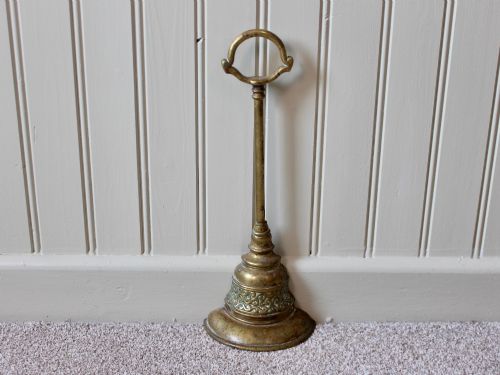


Vintage Brass Handle Doors
These vintage brass handle doors and related architectural hardware bring period weight and function to an interior.
Vintage Brass Handle Doors
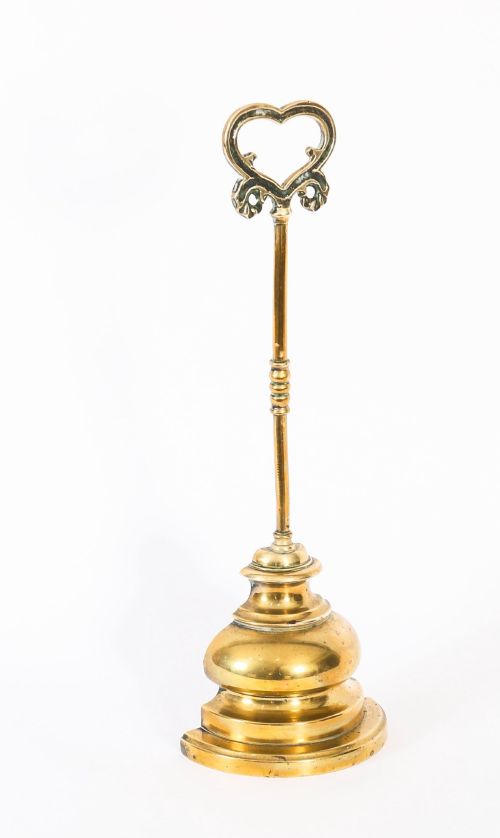
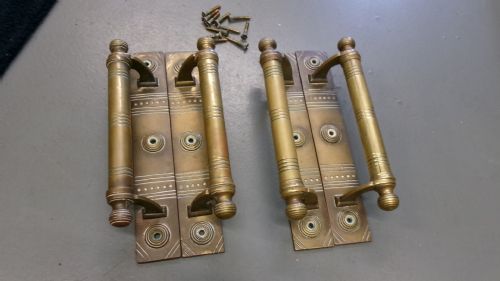
When searching for vintage brass handle doors, buyers examine architectural elements spanning the Victorian, Georgian, Regency, and Edwardian periods. The selection encompasses freestanding door stops, finger plates, shop door pulls, and heavy pairs designed for domestic or commercial spaces.
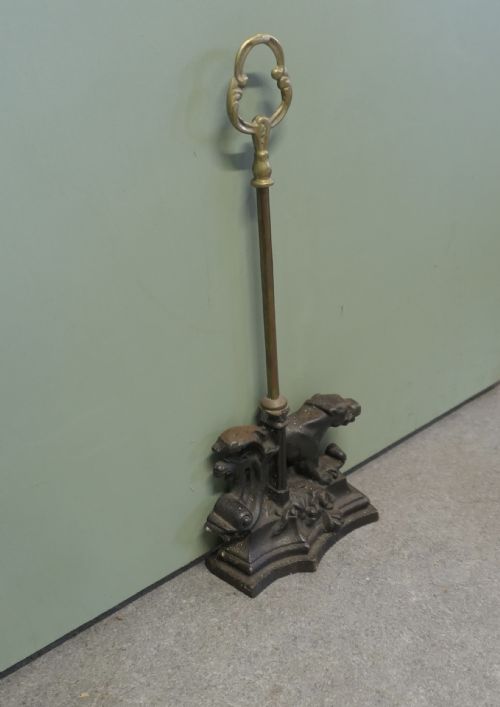
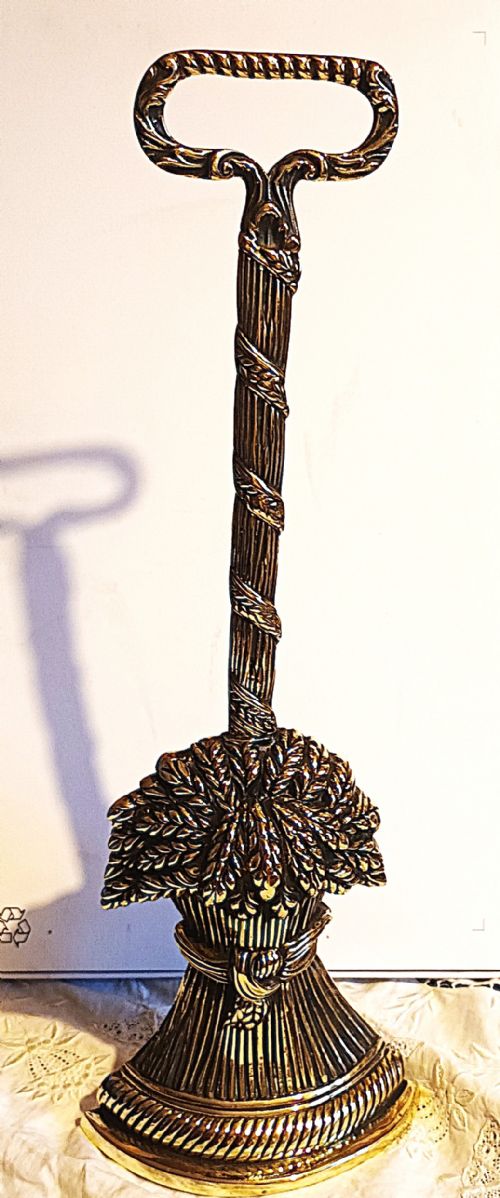
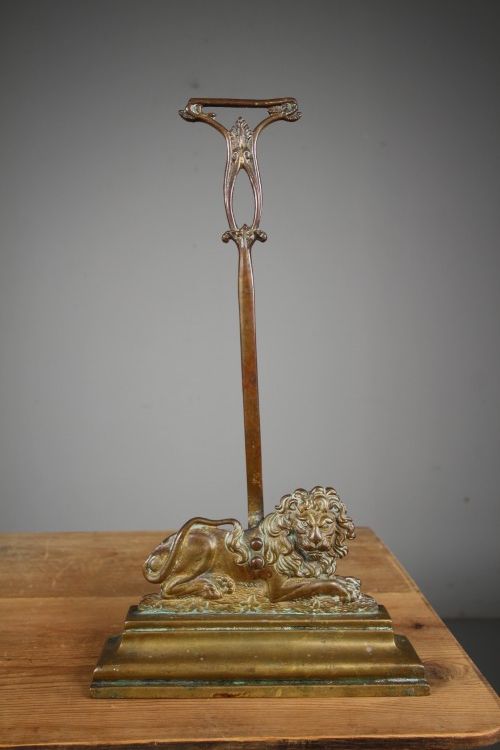
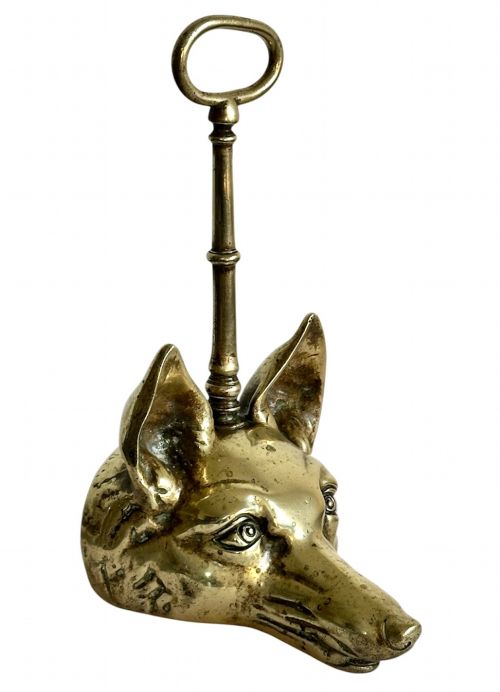
Most examples lean towards functional brass door furniture, including matched pairs of handles, crystal pulls mounted in brass, and individual porters shaped as lions or foxes. These items reflect the heavy metalwork and timber construction typical of nineteenth and early twentieth-century buildings.
Materials and construction methods
The primary metals utilised across these pieces are cast brass, bronze, and iron, frequently paired with secondary materials such as oak, mahogany, glass, and china. Metal elements are cast, forged, and hand-finished with ornate mountings or simpler moulded profiles.
Combination pieces integrate lead crystal or blue glass components securely fitted within cast brass or gilded brass collars. Heavier items like door porters rely on cast iron or lead weighting beneath the brass exterior to hold heavy internal doors.
A stately fox head or heavy cast lion stands ready to hold the parlour door open against the draft.
Assessing quality in period hardware
Quality separates mass-produced modern reproductions from genuine period hardware through the crispness of the casting and the density of the metal. Finer nineteenth-century examples display deeply chased detailing on animal motifs and botanical patterns without the softening typical of worn moulds.
The integrity of the mechanism and the purity of the secondary materials - such as unblemished lead crystal or intact china centres - dictate the desirability of handles and pulls. Substantial weight and original mounting plates indicate superior craftsmanship from workshops and hardware samples boards.
Gerwin & Co Birmingham·William Tonks·William Tonks & Sons
The Vintage Brass Handle Doors Glossary
- Door porter
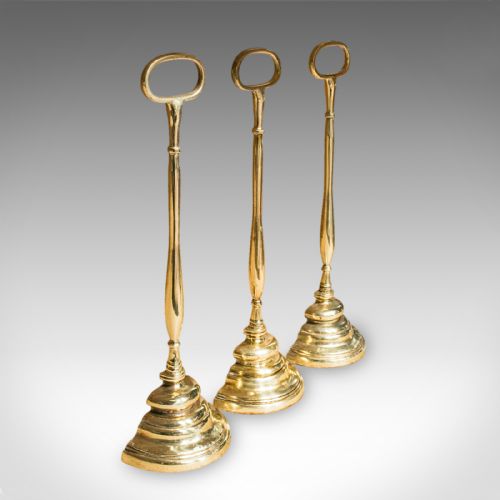
- A heavy weighted object placed against a door to hold it open. These portable stops often feature decorative handles or figural tops for easy lifting.
- Finger plate
- A flat protective plate mounted on a door around the handle. It prevents fingerprints and wear on the wooden surface during daily use.
- Centre door knob
- A decorative and functional pull placed in the middle of a grand entrance door. These are typically fixed and do not operate a latch.
- Bell pull
- A mechanical lever wired to an internal bell system. The brass handle pulls forward to ring a service bell in older properties.
Vintage Brass Handle Doors: Frequently Asked Questions
How do I clean antique brass hardware?
Use a soft cloth to remove dust and light grime without stripping the aged patina. Avoid harsh chemical polishes that destroy the historic surface finish.
For stubborn tarnish, mild soapy water and a gentle brush work best on detailed cast brass patterns.
Can I install vintage door handles on modern doors?
Most period handles and knobs can be fitted to modern internal doors with standard thickness. Some older spindles may require minor adjustments to match contemporary latches.
Check the square spindle size and backplate dimensions before attempting installation on modern timber.
What is the difference between a door porter and a doorstop?
A door porter is a heavy, upright freestanding object with a handle at the top that can be easily moved from room to room. Traditional doorstops are often smaller wedges or floor-mounted fixtures.
Porter designs frequently incorporate heavy brass figures, animals, or weighted iron bases.
How do I date Victorian brass door furniture?
Examine the casting method, screw types, and overall design style relative to known nineteenth-century manufacturing shifts. Hand-finished details and heavy cast brass point toward earlier Victorian production.
Design motifs also align with specific movements like Arts and Crafts or Aesthetic styles popular in the later nineteenth century.