




Vintage Brass Gong
A vintage brass gong brings resonant tone and striking Victorian or Edwardian presence to a hall or dining room.
Vintage Brass Gong
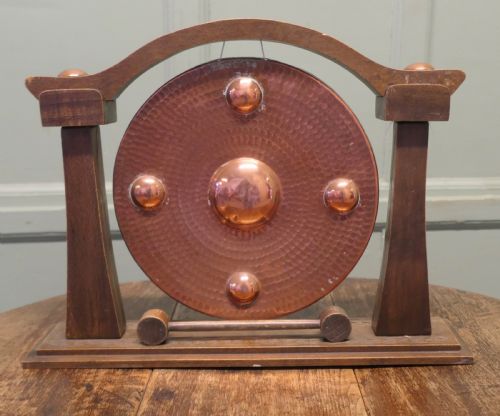
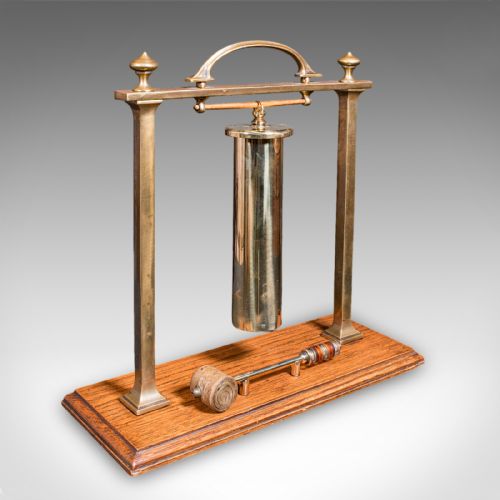
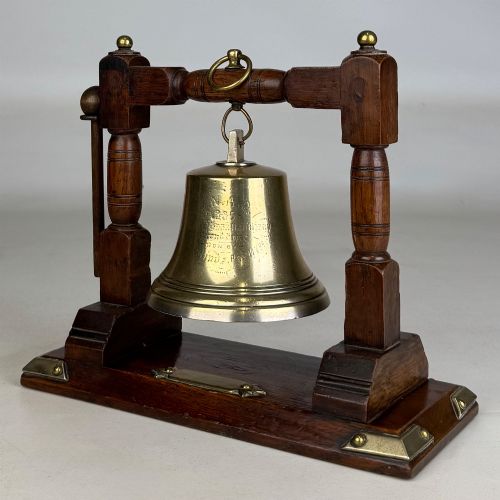
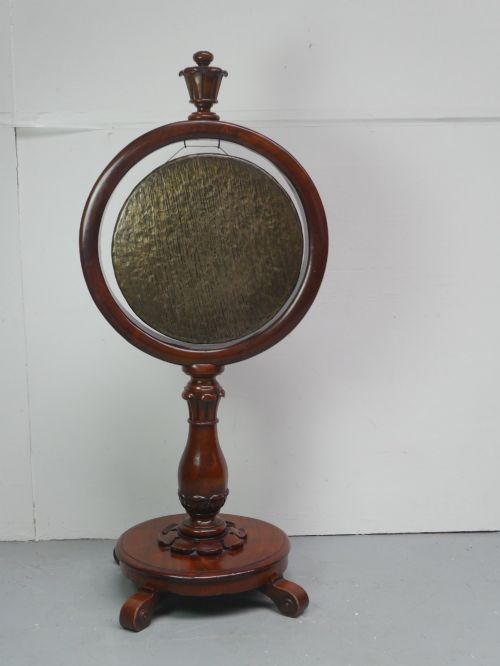
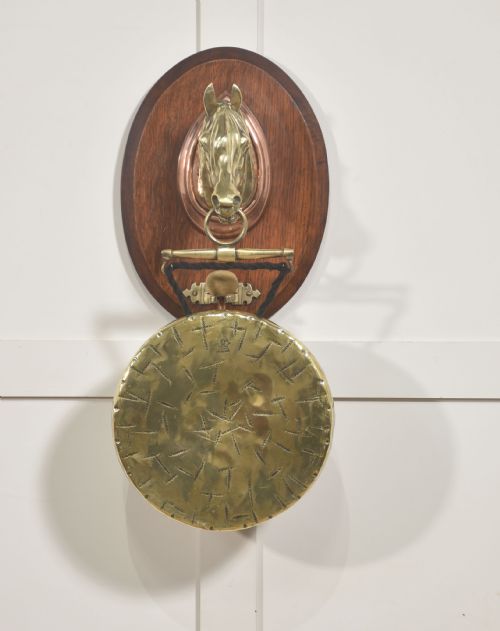
A vintage brass gong serves as a striking focal point, historically used in country houses and town residences to announce dinner or tea. When searching for a vintage brass gong, collectors encounter forms ranging from compact tabletop models to substantial floor-standing pieces and wall-hanging chimes.
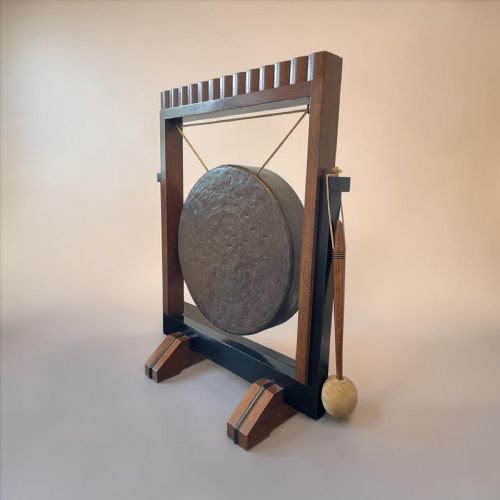
The pieces appearing on this page span the nineteenth century through the early decades of the twentieth century, including Victorian, Edwardian, Art Nouveau, and Arts and Crafts examples. Many combine resonant metal discs or bells with fitted wooden frames, stands, and hanging cords.
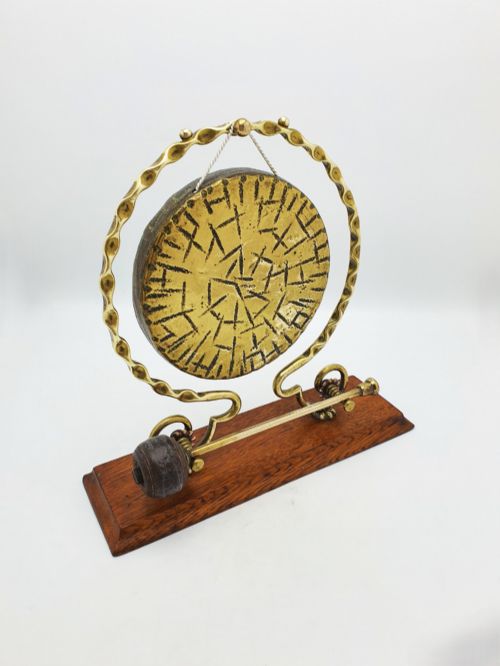
Origin and stylistic influence vary considerably across the selection, featuring British country house designs alongside Chinese export and Oriental-inspired temple bells. The domestic dinner gong remains the most common form met here, frequently paired with an oak base and a handheld striker.
Materials and construction methods
Makers utilised cast and beaten brass, bronze, and copper for the sounding elements, matched with sturdy timbers such as oak, walnut, mahogany, and assorted hardwoods for the stands and suspension frames. Cord and wrought iron provide the hanging supports necessary to let the metal vibrate freely without damping the tone.
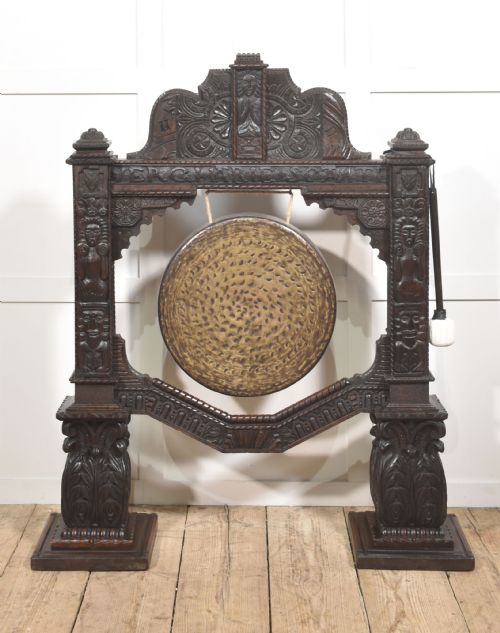
Woodwork displays period craftsmanship through carved motifs, architectural Gothic Revival details, and aesthetic movement framing. Metal components range from plain polished brass plates to intricate cast bells featuring animal mounts, dragons, or oriental iconography.
Listings feature brass, bronze, copper, and silver plate combined with oak, walnut, mahogany, and hardwood frames spanning the 19th and 20th centuries.
Factors of distinction
Quality in these pieces rests upon the resonance of the metal and the integrity of the joinery in the supporting frame. Superior examples combine a clear, sustained tone from the bell or gong with robust timber framing that shows considered carving or balanced proportions rather than plain assembly.
The refinement of decorative details, such as carved animal heads, specialised mounts, or well-executed Arts and Crafts and Art Nouveau styling, elevates certain items above standard domestic utilitarian pieces.
The Vintage Brass Gong Glossary
- Dinner gong
- A hanging metal disc or bell struck with a mallet to summon household members to a meal. These pieces formed a standard fixture in large country houses during the Victorian and Edwardian periods.
- Striker
- The handheld mallet or beater used to sound the gong. They typically feature a wooden handle with a padded, leather, or woven head to produce a clean chime.
- Aesthetic movement
- A late nineteenth-century design style focusing on visual beauty over narrative subject matter. Pieces from this movement often display simplified forms and stylised decoration.
- Gothic revival
- An architectural and decorative style drawing inspiration from medieval design. Gong frames in this category frequently incorporate pointed arches, tracery, and heavy carved oak.
Vintage Brass Gong: Frequently Asked Questions
How were dinner gongs used?
Household staff struck these gongs at predetermined intervals to signal that dinner, afternoon tea, or supper was served.
The clear tone carried across large rooms and long corridors in substantial Victorian and Edwardian houses.
Where should I place a gong?
Tabletop models suit sideboards and hall tables, while wall-hanging and floor-standing versions require open wall space or a dedicated corner.
Ensure the hanging cord and frame allow the metal disc enough clearance to vibrate freely when struck.
How do I date a brass gong?
Dating relies on examining the timber frame's style, such as Gothic Revival or Art Nouveau characteristics, alongside construction methods.
Period labels and registration marks on the brass or bronze elements also help place pieces within the nineteenth or early twentieth century.
What maintenance do they need?
Dust the wooden frames regularly and check the suspension cords for wear to ensure the metal element remains secure.
Avoid harsh metal polishes on antique brass unless necessary, preserving the natural patination built up over decades.