


Vintage Brass Frame Table
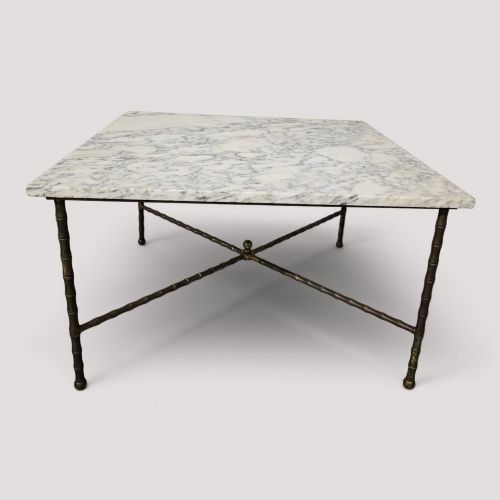
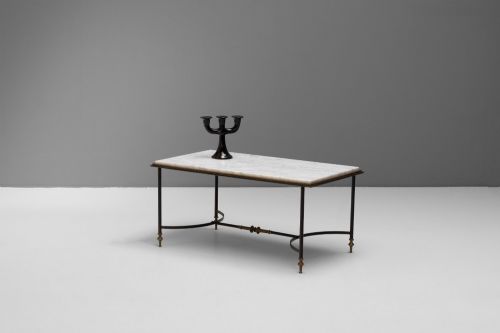
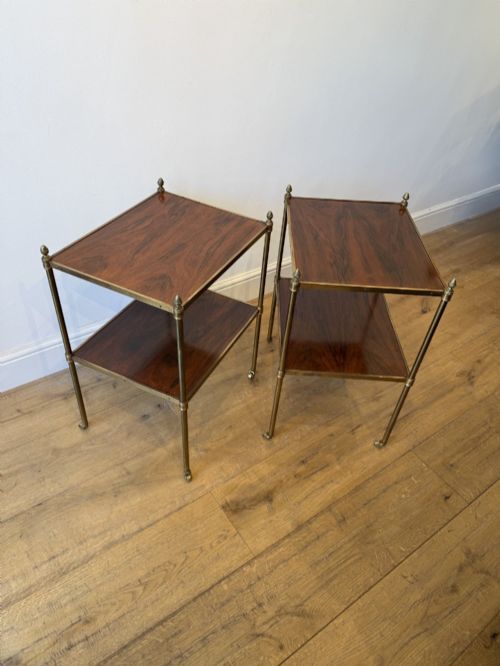
These vintage brass frame table items and related smaller furnishings combine metal framework with wood, glass, or marble.
Vintage Brass Frame Table
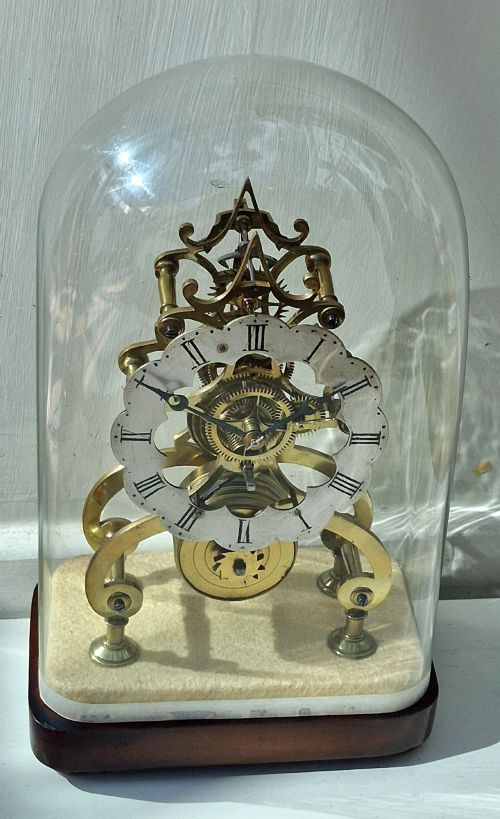
When buyers search for a vintage brass frame table, they encounter a variety of small support furniture and decorative objects from the nineteenth and early twentieth centuries. The selection ranges from side tables and etageres to tray tables, mantel clocks, and table mirrors.
The objects span periods from the Victorian and Edwardian eras through to the nineteen-twenties and nineteen-thirties, reflecting diverse influences including French Rococo Revival, Louis XVI Revival, and Arts and Crafts styles. Most pieces integrate metal components with wooden or glass surfaces.
Materials and construction methods
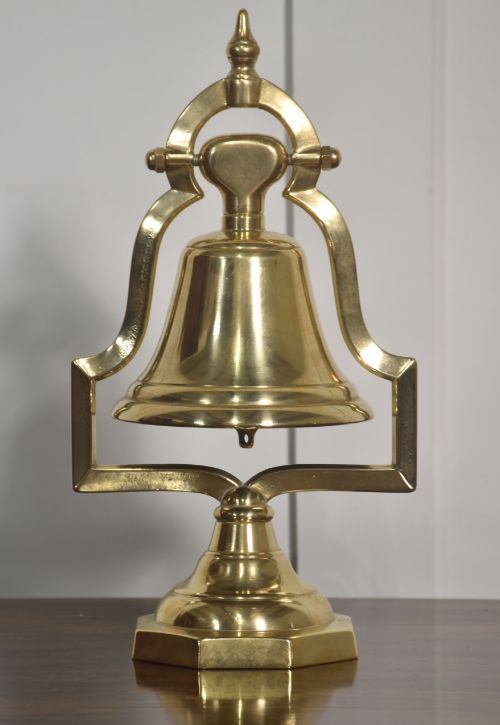
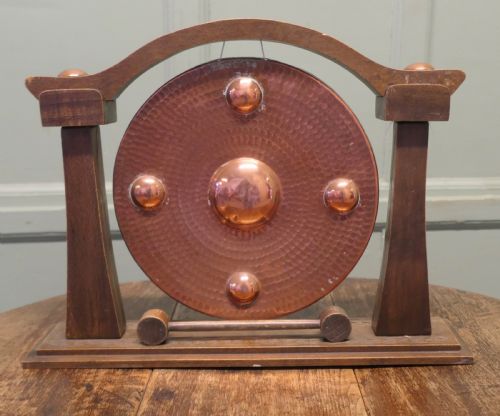
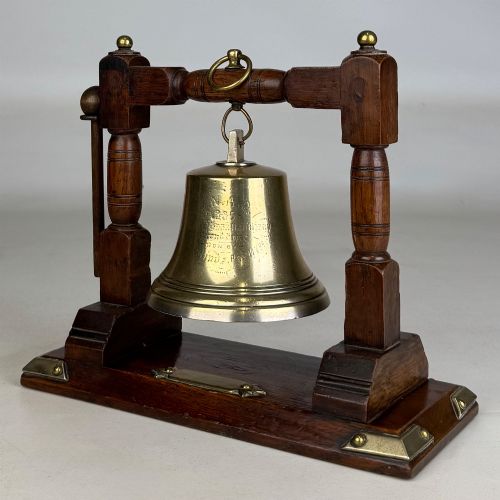
Construction relies heavily on brass and ormolu combined with timbers such as mahogany, oak, satinwood, kingwood, and pine. Artisans utilised cast and repoussé techniques for the metal frames, bells, and decorative mounts.
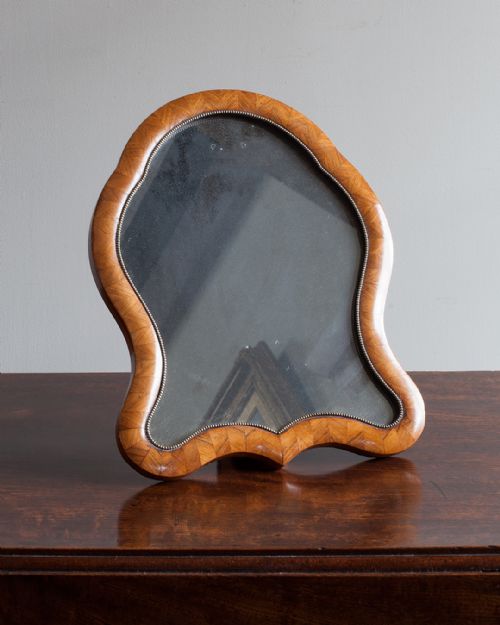
Glass panels, marble inserts, and velvet linings frequently accompany the metal and wood structures, particularly in mirrors, photo frames, and small display items. Joinery and casting methods reflect the prevailing craftsmanship of the nineteenth and early twentieth centuries.
Listings incorporate items from the Victorian, Edwardian, and nineteen-twenties periods, utilising brass, mahogany, oak, ormolu, and glass.
Distinguishing quality in period metal and wood furnishings
Quality rests upon the precision of the metal casting, the crispness of repoussé ornamentation, and the selection of timber veneers or solid woods. Finer examples display meticulous detailing in mounts and consistent patination across both the brass and the secondary materials.
Subtlety of design and the integration of diverse elements, such as glazed panels or carved wooden frames, separate standard production items from more substantial pieces.
Mallett·Boin Taburet·ELLIOTT of LONDON·Peter Ghyczy·Purvis of London
The Vintage Brass Frame Table Glossary
- Ormolu
- Gilded bronze or brass applied to furniture mounts and decorative objects. This technique creates a rich golden finish popular in nineteenth-century revival styles.
- Repoussé
- A metalworking technique where an artisan hammers metal from the reverse side to form a raised design on the front. It appears frequently on Edwardian dressing table mirrors and frames.
- Étagère
- A small freestanding piece of furniture with multiple tiers for display or storage. These open shelves often feature brass framing alongside wood or glass.
- Bijouterie table
- A glass-topped display table designed to showcase small valuable items or curiosities. They typically incorporate fine wooden framing and glazed compartments.
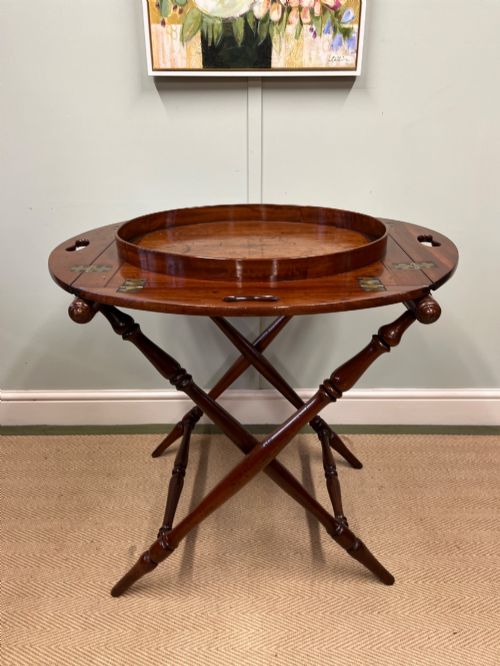
- Butlers tray
- A portable wooden tray designed to sit upon a folding stand. They frequently date from the nineteenth century and serve as functional side surfaces.
Vintage Brass Frame Table: Frequently Asked Questions
What defines a vintage brass frame table?
These pieces combine metal structural elements with surfaces of wood, glass, or marble, originating from the nineteenth and early twentieth centuries.
They encompass diverse forms such as side tables, etageres, and tray tables built during the Victorian, Edwardian, and later periods.
How do I care for brass and wood surfaces?
Maintenance involves gentle cleaning suitable for aged metal and timber without stripping the natural patina accumulated over decades.
Using soft cloths and avoiding abrasive chemical cleaners helps preserve the original finishes on both the brass framework and the accompanying wood.
How are different periods identified?
Dating relies on stylistic markers, construction techniques, and materials characteristic of the Victorian, Edwardian, and interwar periods.
Revival styles such as French Rococo, Louis XVI, and Arts and Crafts provide further clues to the decade of manufacture.
Where were these items typically used?
These furnishings functioned as decorative and practical items within period interiors, from drawing rooms to dressing areas.
Smaller tables, mirrors, and clocks served specific domestic roles, providing surface space, timekeeping, or display areas for personal belongings.