
Antique Brass Base Table
An antique brass base table brings solid weight and bright metal reflection into a room, serving as a sturdy surface or lighting stand.
Antique Brass Base Table
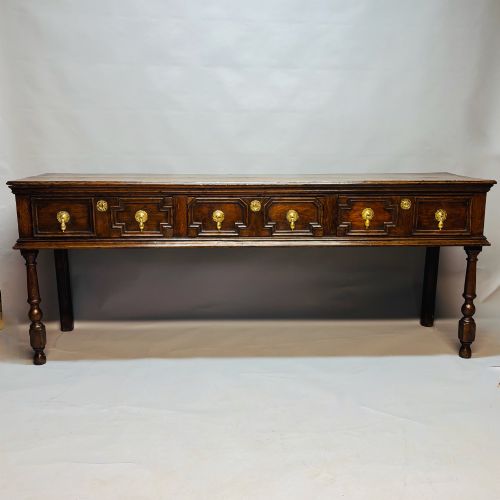
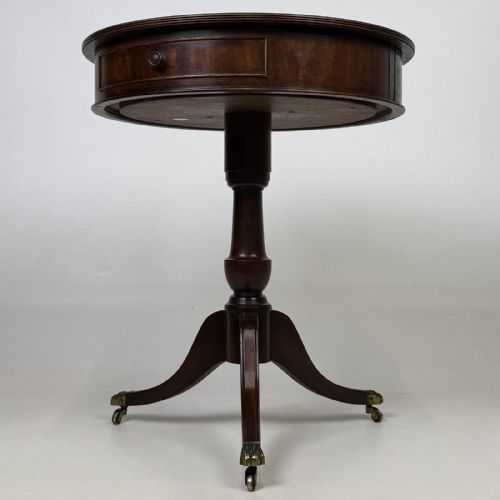
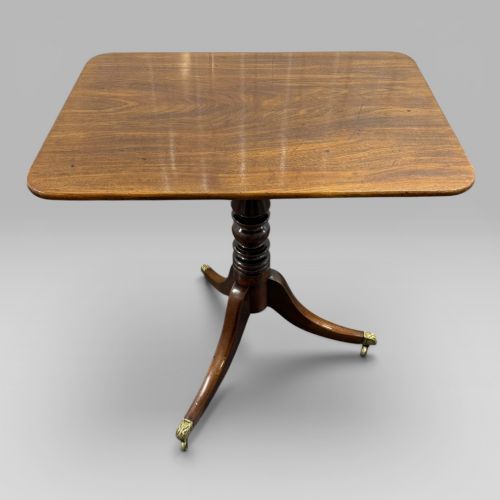
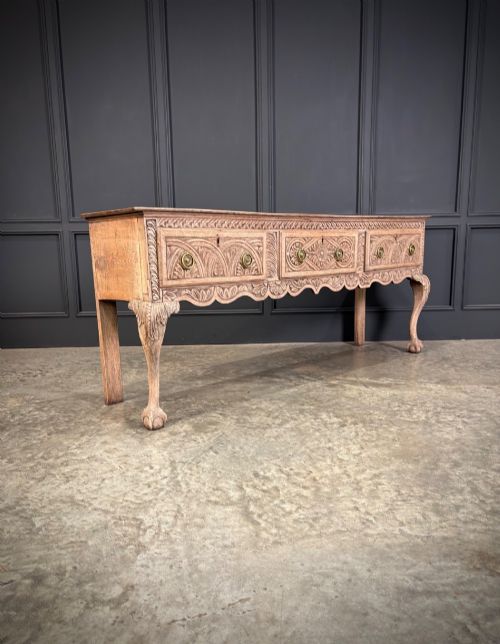
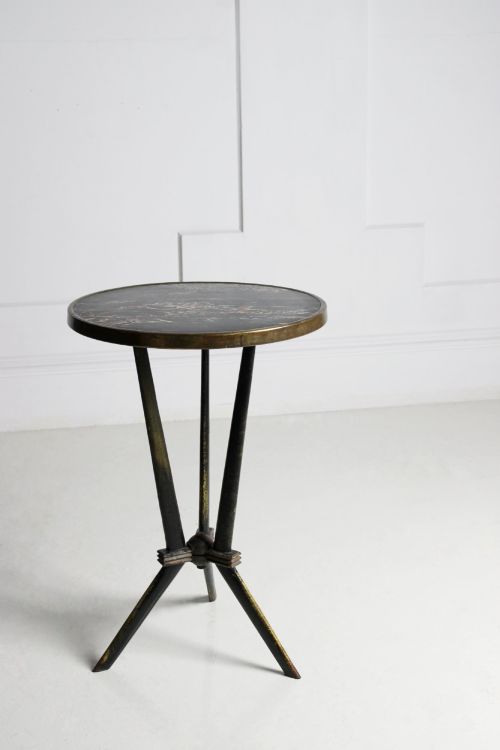
An antique brass base table combines metal supports with tops in timber, marble or glass, appearing across periods from the Georgian era through to the Art Deco decades. These pieces span functional furniture items such as centre tables, card tables and side tables, alongside heavier dresser bases and occasional stands.
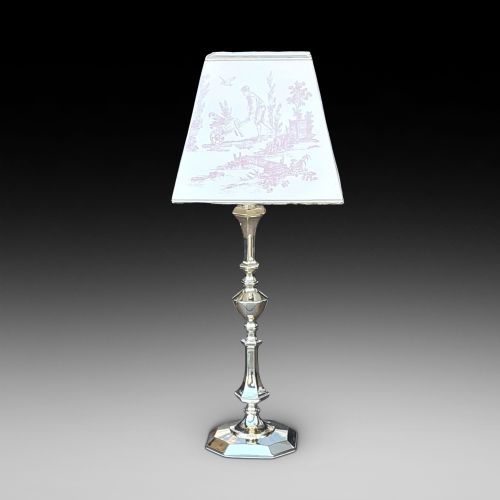
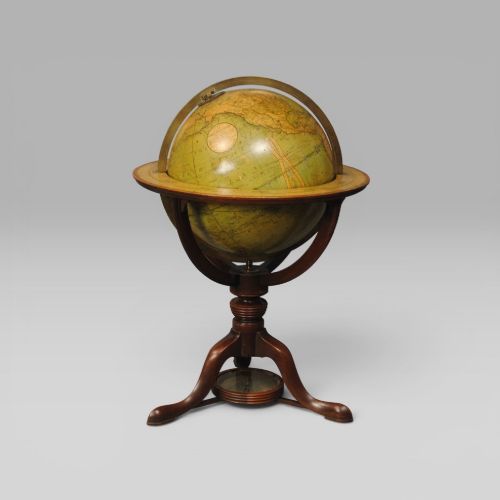
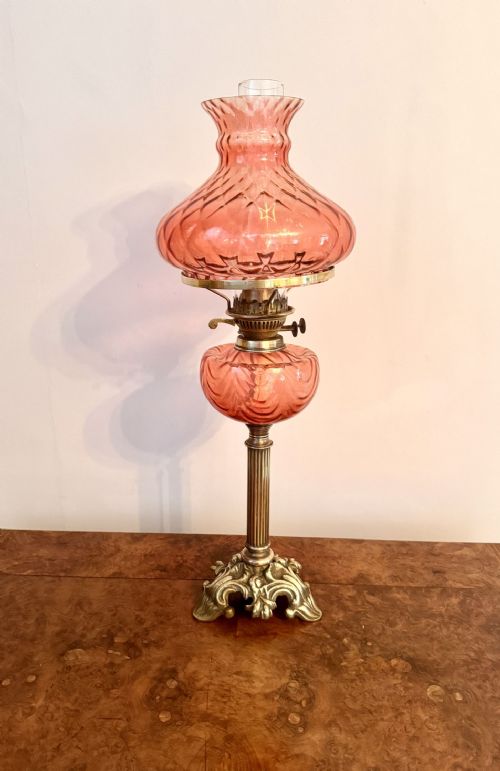
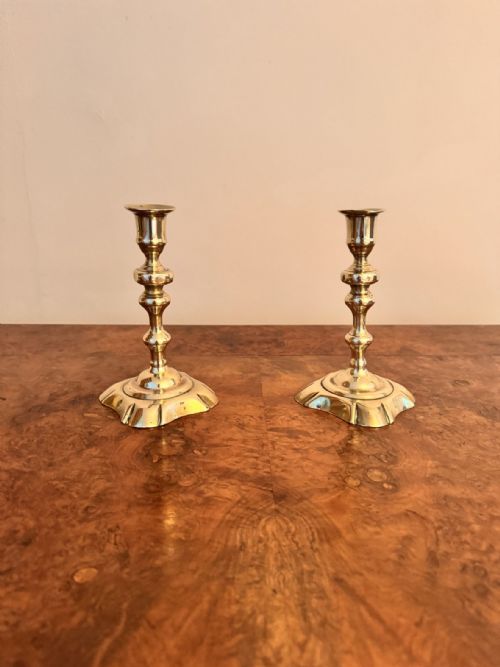
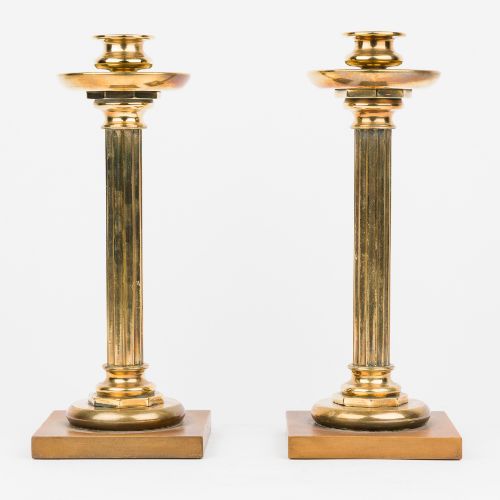
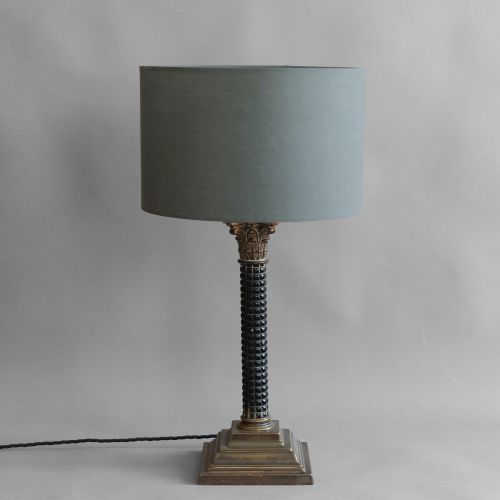
The selection on this page leans toward table lamps featuring brass columns, candlesticks, and occasional tables paired with wooden or metal structures. Buyers encounter objects originating from English workshops, French designers, and Indian makers, showing varied stylistic influences from Regency Revival to Louis XVI.
Forms range from compact occasional pieces to large dining formats and smaller reading stands, reflecting the diverse uses assigned to brass-supported furniture over centuries. The metal base provides structural rigidity while introducing decorative detail through reeded columns, cast bronze mounts or inlaid brass lines.
Judging Quality and Execution
Quality rests in the crispness of the brass casting, the weight of the metal components, and the precision of any inlaid brass work or turned woodwork. Finer examples display sharp detailing on Corinthian columns, reeded stems or cast cherub motifs without softening of the edges.
The integrity of the construction dictates overall excellence, seen in how firmly a brass base supports its timber top or how securely electrical components integrate into converted lamps. Selection of dense, well-figured mahogany or oak for the top adds to the substance of the piece.
Listings feature items spanning the 18th Century, Victorian period, and 1920s, combining brass with oak, mahogany, marble, and glass.
The Antique Brass Base Table Glossary
- Ormolu
- A gilded bronze or brass finish applied to decorative mounts and lamp bases, popular in French-influenced design. This technique gives metal a rich gold appearance.
- Corinthian Column
- A classical column style featuring an ornate capital decorated with acanthus leaves, frequently seen on Victorian and Edwardian brass table lamps. It lends a formal architectural look to lighting.
- Card Table
- A folding table designed for gaming, often featuring a baize-lined surface and brass inlay along the edges. These pieces were standard in Georgian and Regency drawing rooms.
- Centre Table
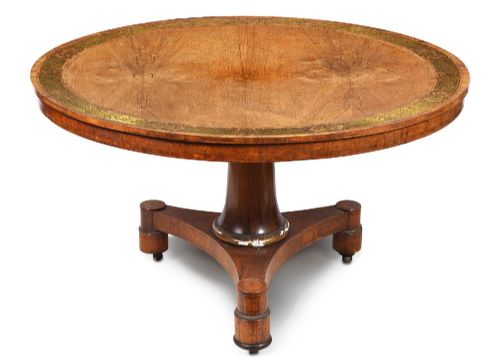
- A freestanding table finished on all sides to sit in the middle of a room rather than against a wall. They frequently employ robust bases to support circular or octagonal tops.
- Dresser Base
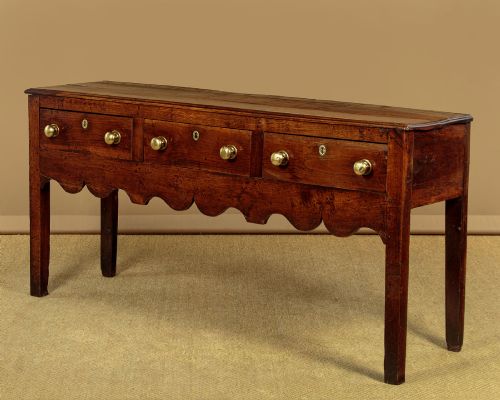
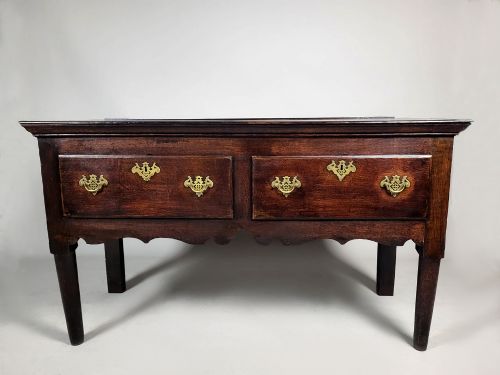
- A low wooden storage unit with drawers or cupboards, originating from 18th-century country houses. They provide solid proportions and practical surface space.
Antique Brass Base Table: Frequently Asked Questions
How do I date an antique brass base table?
Dating relies on examining the manufacturing techniques visible in the metal casting, the timber species used for the top, and stylistic cues from periods like the Georgian or Edwardian eras. Hand-turned components and traditional joinery point to earlier centuries, whilst machine-threaded screws indicate later production.
Matching the design characteristics, such as Regency brass inlay or Art Deco geometric forms, helps narrow down the decade of manufacture. Consulting the listed period categories provides a reliable guide to the age of each item.
Were brass base tables used for dining?
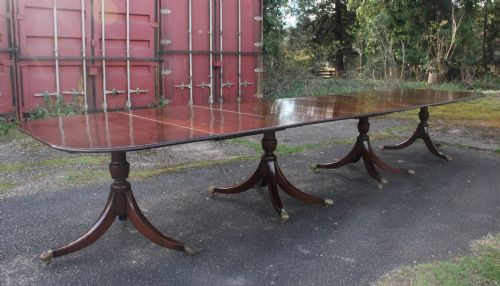
While small brass bases typically support occasional tables, card tables or lamps, larger dining tables incorporate timber pedestals with heavy brass castors and fittings. Occasional tables served specific domestic duties like holding tea services or reading materials rather than main meals.
Heavier examples designed for central placement in rooms provided stable surfaces for decorative objects and lamps. The metal base ensured durability for items subjected to frequent daily use.
How should I clean antique brass?
Cleaning requires a soft cloth and mild soapy water to remove dust and surface grime without stripping the aged patina. Avoid harsh chemical polishes that remove the dark oxidation prized by collectors.
Preserving the natural surface character keeps the piece looking authentic and maintains its historical integrity. Regular gentle dusting prevents dirt build-up in the detailed recesses of cast columns.
Are these pieces suitable for modern interiors?
These tables and lamps integrate easily into contemporary rooms by adding reflective metallic accents and warm timber tones. Their compact footprints make them practical as bedside stands, desk companions or hallway surfaces.
Mixing antique brass elements with modern furniture creates a layered interior scheme with textural contrast. The enduring utility of small tables and lamps ensures they remain functional in daily life.