
Vintage Brass Desk
A vintage brass desk brings solid metal structure and functional weight to a workspace, combining period practicality with enduring metallic finish.
Vintage Brass Desk
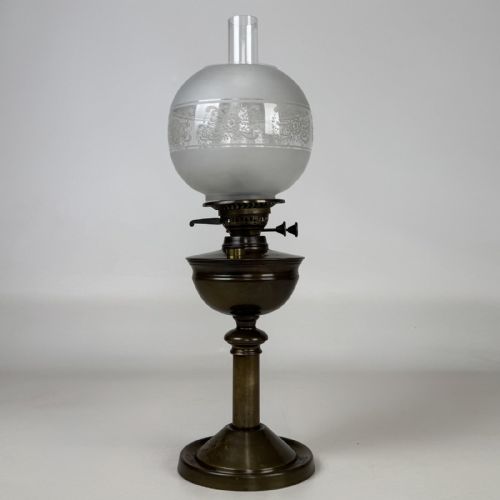
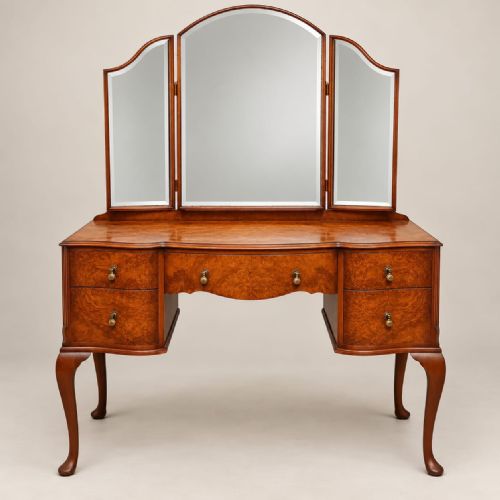
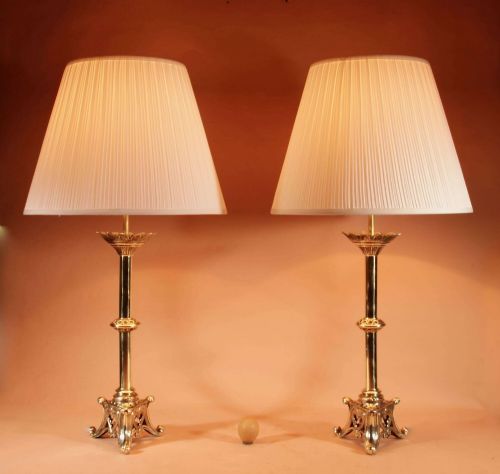
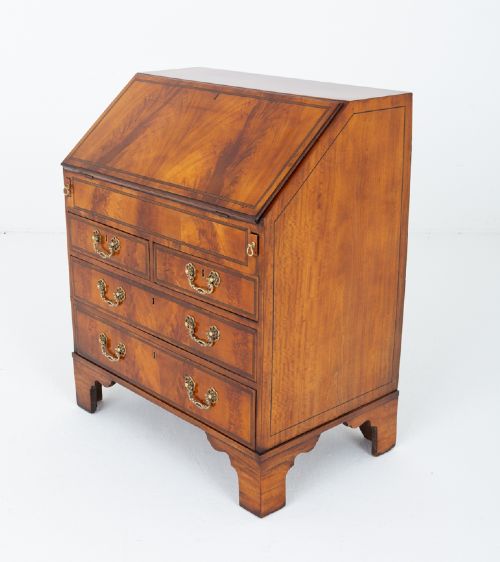
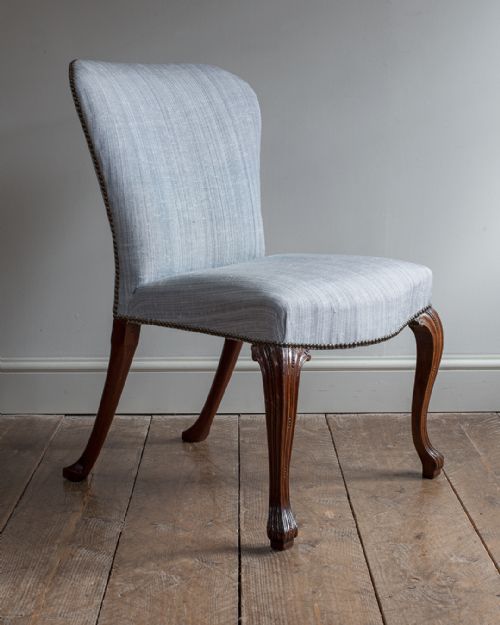
When you search for a vintage brass desk, you encounter writing surfaces, pedestals, and related tables shaped by Victorian, Edwardian, and mid-century traditions. The evidence shows these forms alongside lamps, chairs, and writing slopes that share the same period workspaces.
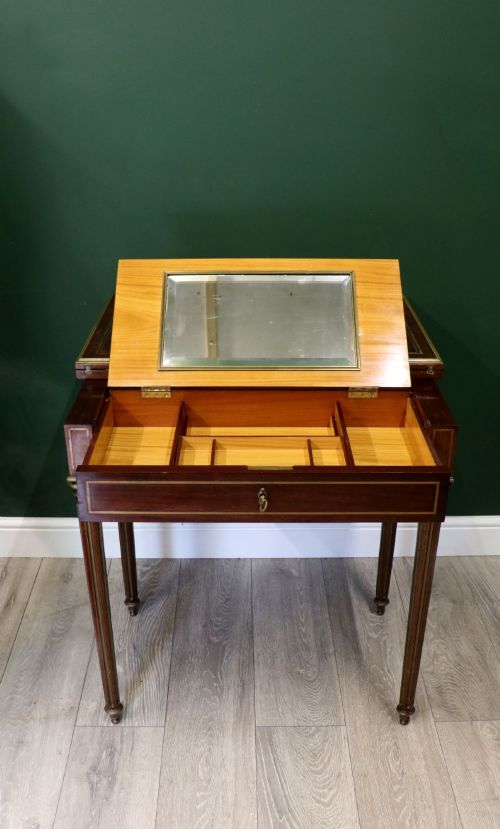
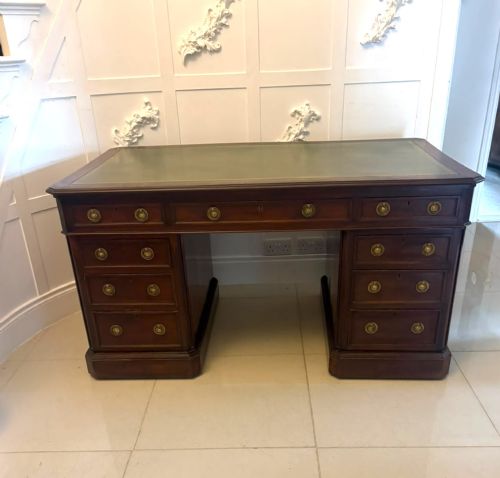
Pedestal desks and writing tables form the core of what meets the eye on this page, often constructed in mahogany, oak, and other woods complemented by brass mounts, handles, and fittings. The materials span from the nineteenth century into the twentieth, encompassing Arts and Crafts and Art Deco interpretations.
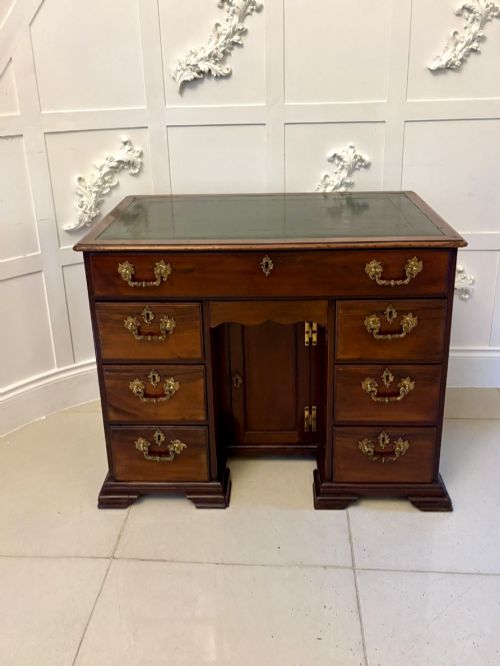
Buyers seeking this phrase look for functional writing furniture where brass serves either as the primary structural accent or as decorative hardware. The pieces range from freestanding kneehole desks with fitted drawers to simpler writing tables.
Construction and materials
Makers utilised solid brass, cast brass, and patinated brass alongside timbers such as mahogany, oak, rosewood, and walnut. These metals and woods are frequently joined with leather inserts, glass elements, and enamel details.
Techniques recorded in the pieces include hammering, casting, and polishing of metal components paired with traditional cabinetmaking for the wooden carcase and drawers.
An engineer-made miniature divers helmet sits among the items, reminding us that precision metalwork took many unexpected forms.
Judging the range
Quality rests upon the crispness of casting in the brass elements and the integrity of the timber construction in the desk body. Heavier gauge metal and well-fitted drawers distinguish finer examples.
The integration of secondary materials, such as tooled leather writing surfaces or specialised stationery compartments, separates standard utility pieces from more elaborate expressions of period design.
Trollope & sons·Fratelli Toso·Henri Jacot·W.A.S. Benson·Lebegue & Cie
The Vintage Brass Desk Glossary
- Pedestal desk
- A freestanding desk comprising two independent pedestals of drawers supporting a single desktop. This form allows access from both sides in larger rooms.
- Campaign writing slope
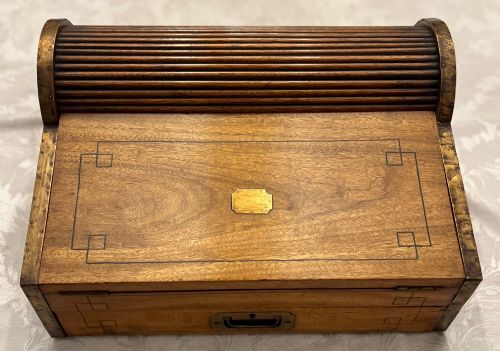
- A portable folding box designed for travel that opens to form a slanted writing surface. These pieces often incorporate brass binding and flush handles for protection.
- Kneehole desk
- A compact desk featuring a central recess for the user's legs, flanked by banks of drawers. It provides concentrated storage within a smaller footprint.
- Writing table
- A freestanding table intended primarily for correspondence rather than heavy clerical work. They typically feature slim drawers beneath the main surface.
- Patinated brass
- Metal surfaces showing the natural darkening and tonal shifts acquired through age and handling. This appearance develops over decades of exposure to air and touch.
Vintage Brass Desk: Frequently Asked Questions
What defines a vintage brass desk?
A vintage brass desk incorporates brass fittings, mounts, or structural components into a wooden writing table or pedestal frame, drawing on nineteenth and twentieth-century design periods.
These pieces combine the utility of a traditional workspace with metallic decorative elements characteristic of Victorian, Edwardian, or later revival styles.
How were these desks used originally?
They served as functional writing surfaces for correspondence, bookkeeping, and administrative tasks in domestic studies and offices.
Fitted drawers, stationery compartments, and integrated leather writing surfaces supported the daily paperwork of the period.
Where do these pieces originate?
The listings show English, French, and continental European origins, spanning Victorian domestic production through to Arts and Crafts and Art Deco workshops.
Regional differences appear in the choice of secondary timbers and the specific casting style of the brass hardware.
How should I care for brass on a desk?
Maintaining brass components involves gentle dusting and occasional cleaning with appropriate non-abrasive metal polishes to preserve the finish.
Care must be taken to avoid applying cleaning agents directly to surrounding wooden surfaces or leather inserts.