

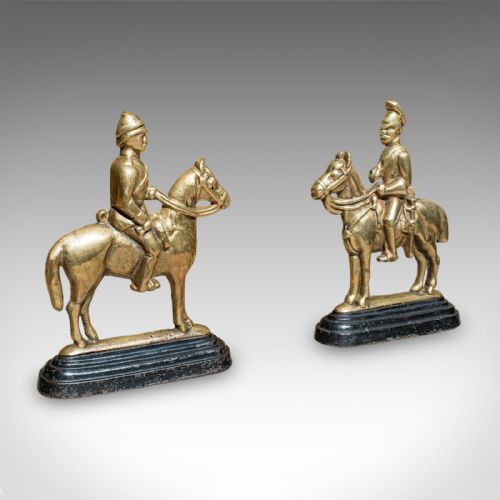
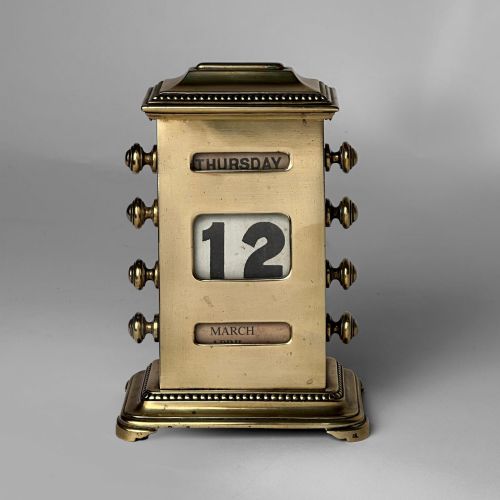
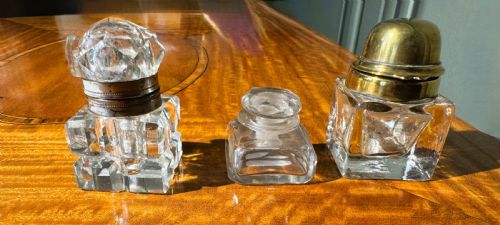
Vintage Brass Desk Accessories
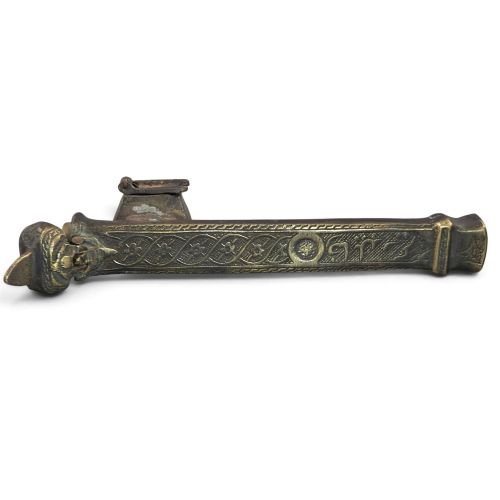
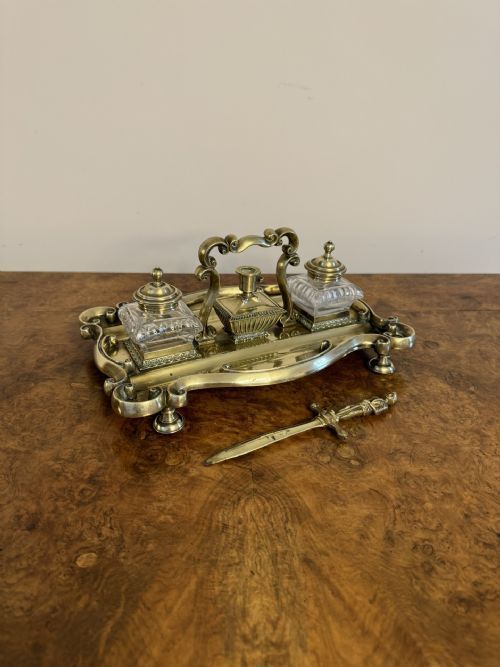
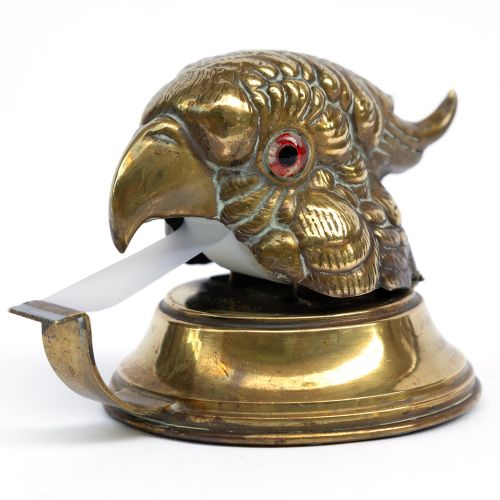
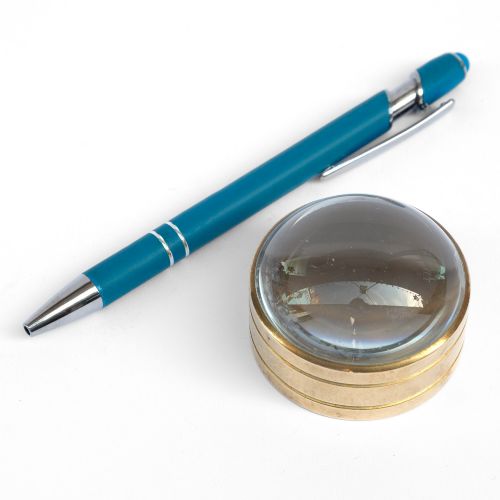
Vintage brass desk accessories gather the heavy metal inkwells, scales, and magnifying glasses that kept a writing desk orderly.
Vintage Brass Desk Accessories
Vintage brass desk accessories encompass the functional items used to organise correspondence, weigh letters, and illuminate workspaces. The selection spans periods from the nineteenth century through the Art Deco era, reflecting changing office habits.
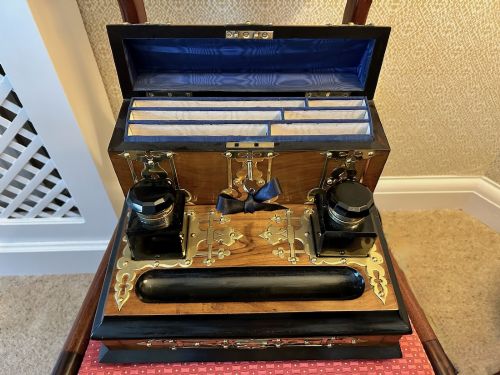
Materials extend beyond metal to incorporate glass, mahogany, burr walnut, and leather. The Victorian and Edwardian periods contribute heavily to the available styles, joined by Georgian and Art Deco examples.
How they were made
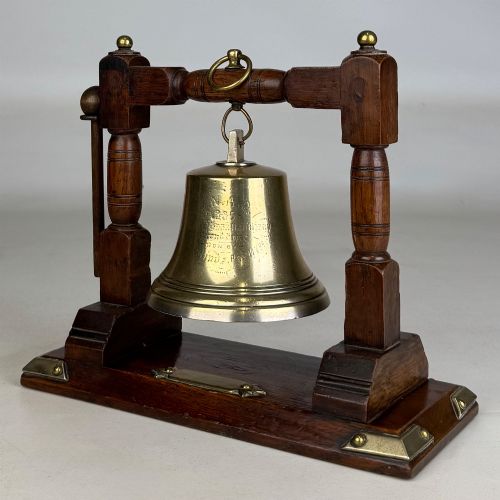
Makers utilised brass casting and mounting techniques to build durable frames for desk sets, perpetual calendars, and inkwells. Metal components frequently attach to wooden bases of oak, walnut, coromandel, and mahogany.
Glass elements, such as cut-glass inkwells and magnifying lenses, combine with brass collars and hinges. Leather, bone, shagreen, and marble appear as contrasting panels and trim on boxes, blotters, and stands.
Listings feature items spanning the Georgian era, the Victorian and Edwardian periods, and the 1930s Art Deco movement, utilising brass, mahogany, cut glass, and leather.
What varies in quality
The degree of detail in the metalwork and the integration of secondary materials dictate the calibre of an item. Elaborate casting and maker signatures indicate higher workshops.
The preservation of original fitted interiors, matching weights for scales, and intact glass or stone bases separate standard production pieces from finer examples.
William Tonks of Birmingham·M Pillischer of London·S Mordan London·P H Vogel Co
The Vintage Brass Desk Accessories Glossary
- Postal scales
- Devices used for weighing letters to determine correct postage rates. They frequently sit on fitted wooden or brass bases with accompanying weights.
- Inkwell
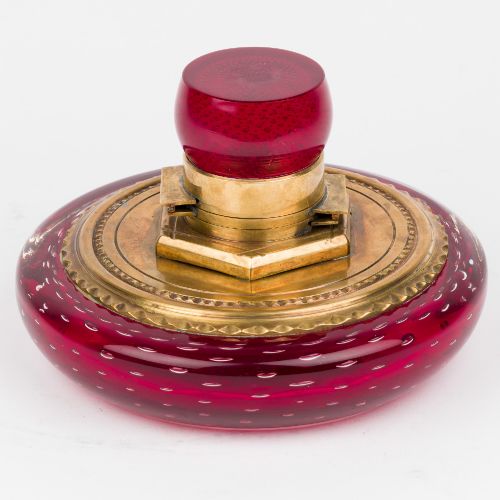
- A small vessel designed to hold liquid ink for writing. These items often feature hinged brass lids and glass or porcelain inserts.
- Navette
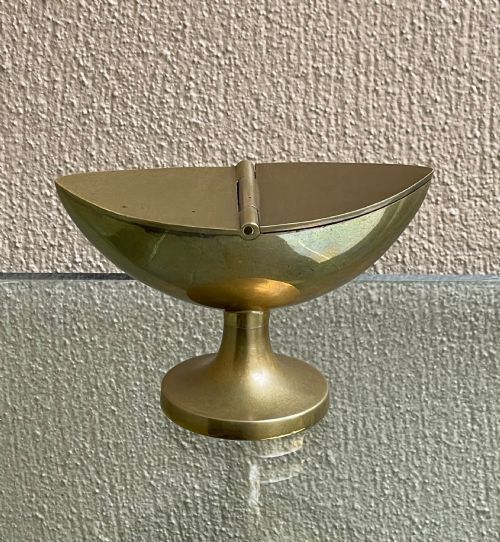
- A boat-shaped decorative form with pointed ends. The style appears frequently on eighteenth and nineteenth-century boxes and trays.
- Ormolu
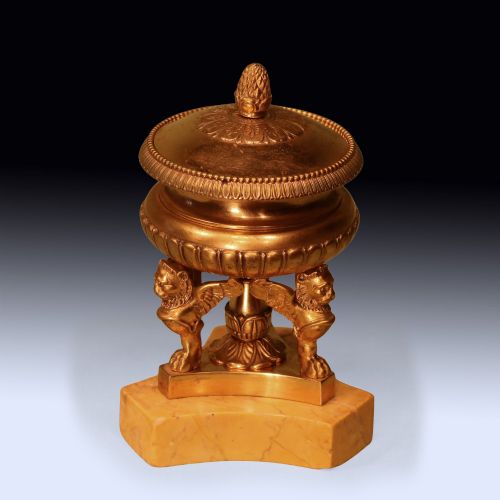
- Gilt bronze or brass applied to decorative objects and furniture mounts. This finish yields a bright metallic lustre.
- Coromandel
- A dense, dark cabinet wood imported from Asia. It displays distinctive contrasting grain patterns on nineteenth-century boxes and desk tidies.
Vintage Brass Desk Accessories: Frequently Asked Questions
What items are included in vintage brass desk accessories?
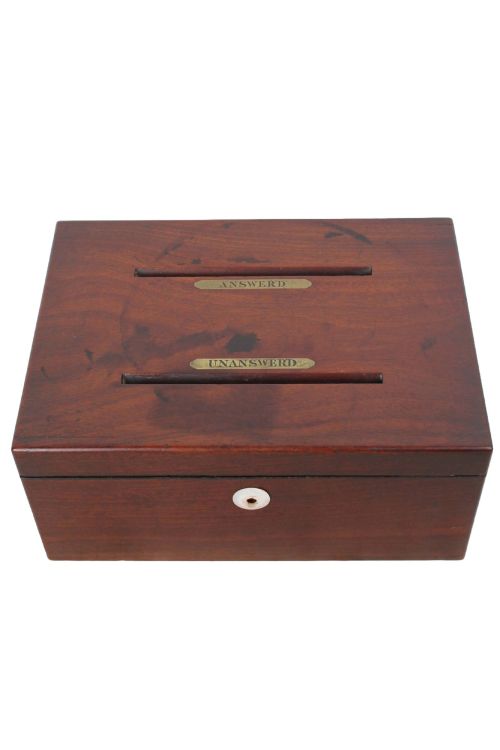
This category covers practical desktop equipment manufactured from brass and supplementary materials. Common forms include postal scales, inkwells, magnifying glasses, letter boxes, and desk stands.
Items date across the nineteenth and twentieth centuries, incorporating styles from Victorian ornamentation to Art Deco geometry.
How were postal scales used?
Postal scales weighed correspondence to calculate correct postal charges before the widespread use of automated postal metres. A small platform held the letter while a calibrated brass arm indicated the weight.
Many sets included matching graduated brass weights stored in dedicated slots on the wooden base.
How do I care for brass desk items?
Metal components require gentle dusting with a soft cloth to prevent accumulation in detailed recesses. Aggressive cleaning agents should be avoided to preserve historic surface finishes.
Wooden or leather elements benefit from occasional conditioning suited to organic materials, keeping moisture away from glued joints and paper linings.
How can I tell Victorian pieces apart from later periods?
Victorian examples generally feature heavier casting, ornate detailing, and traditional timber bases like walnut, mahogany, or coromandel. Forms lean towards elaborate floral motifs and Grand Tour designs.
Twentieth-century pieces, particularly from the Art Deco period, introduce cleaner lines, geometric shapes, and materials like green onyx, shagreen, and bakelite.