
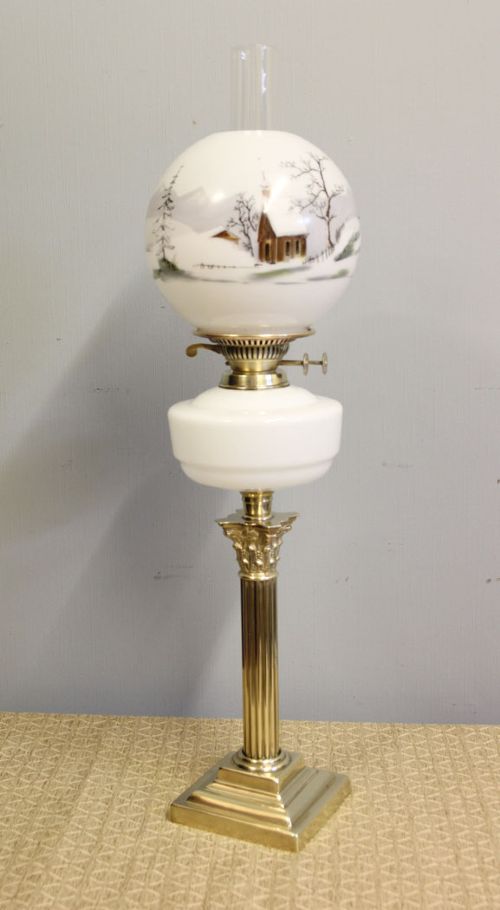
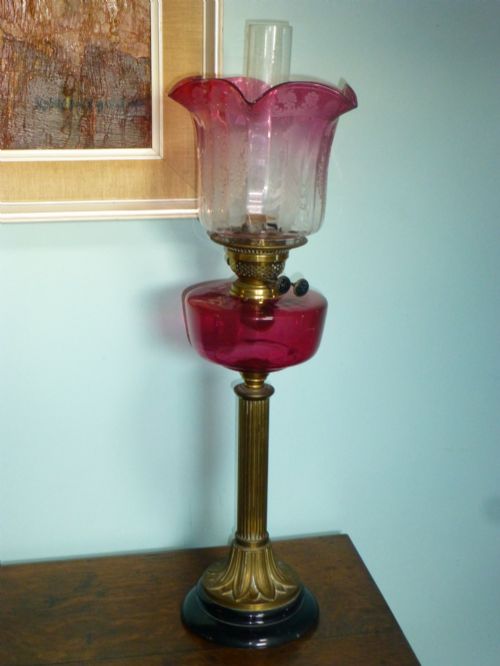
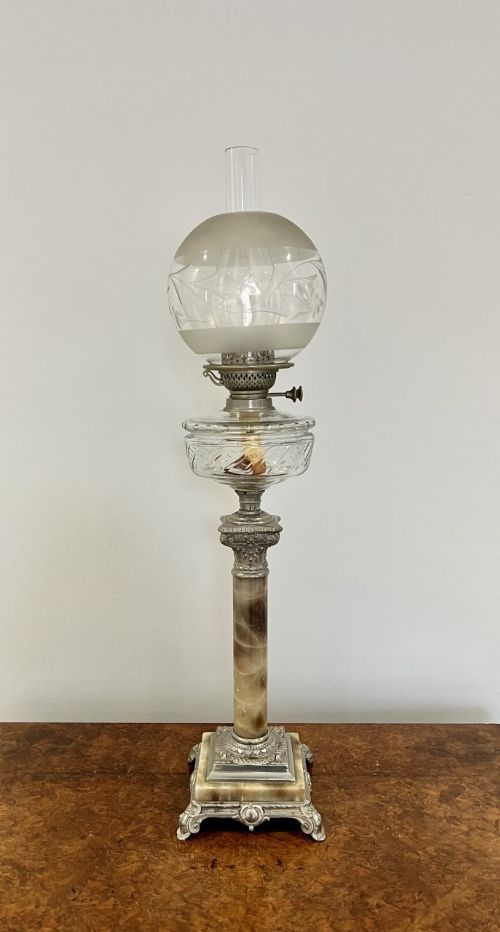
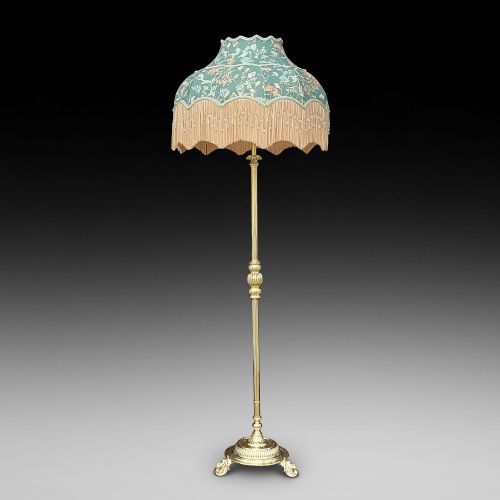
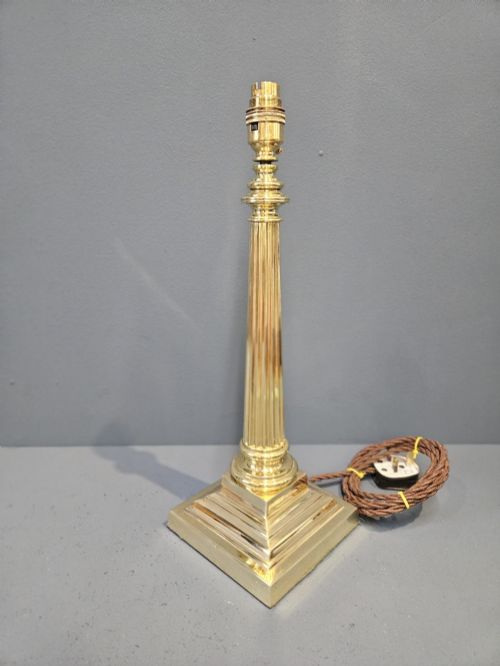
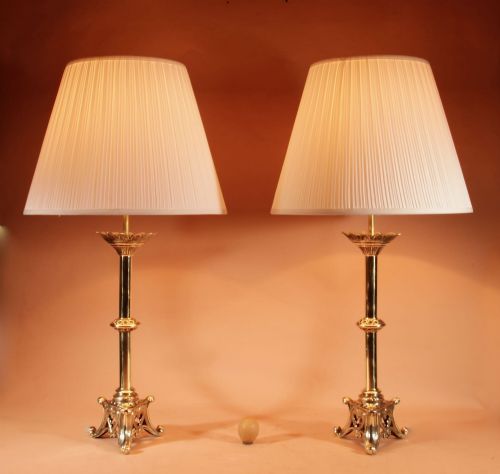
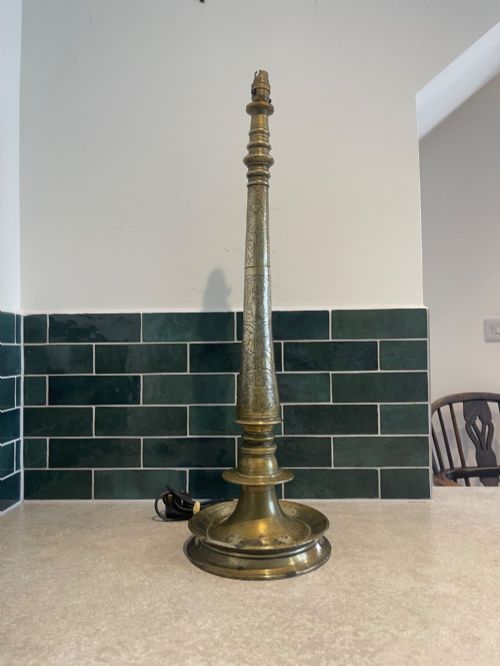
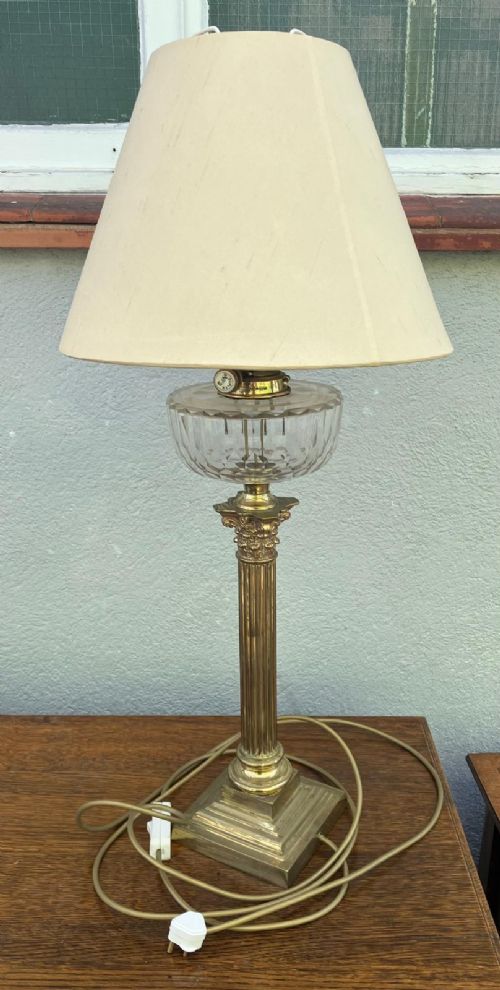
Vintage Brass Column Lamp
These vintage brass column lamp pieces are solid metal standards built to hold light, bringing classical weight and period proportion to a room.
Vintage Brass Column Lamp
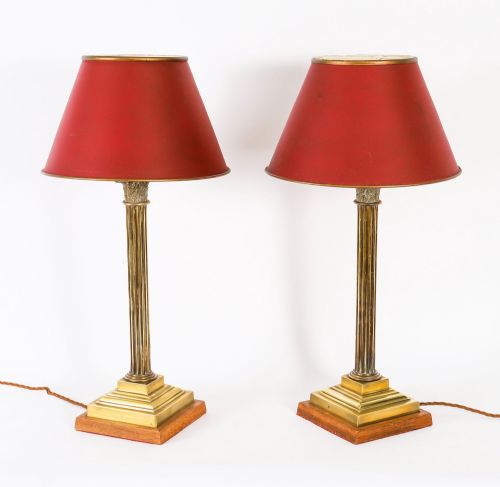
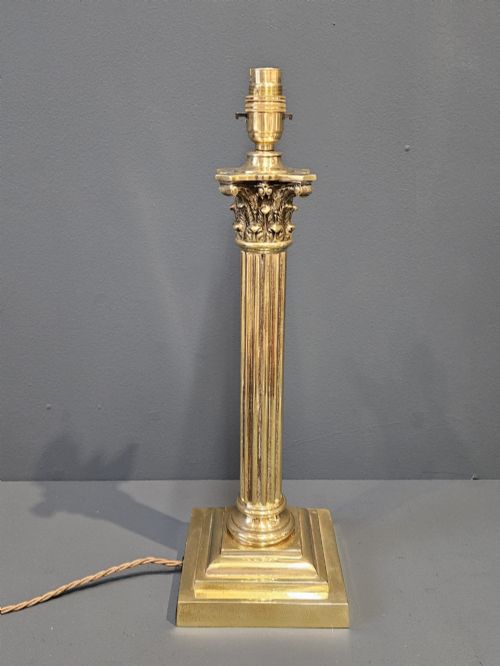
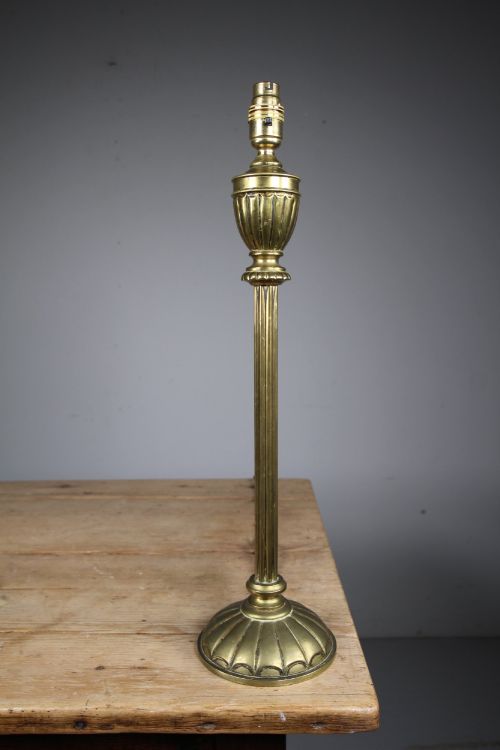
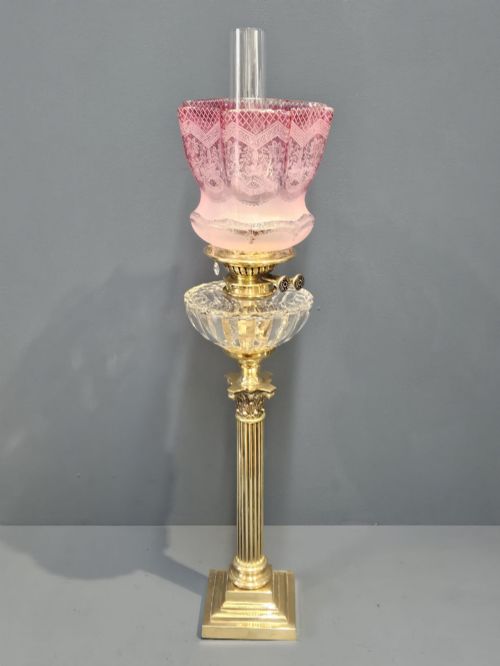
A vintage brass column lamp is a tall, rigid lighting standard usually modelled on classical architectural orders, most frequently found in Corinthian or reeded column forms from the Victorian and Edwardian eras. These pieces originated as domestic oil lamps or heavy candlesticks before many were later converted to electricity for modern interiors.
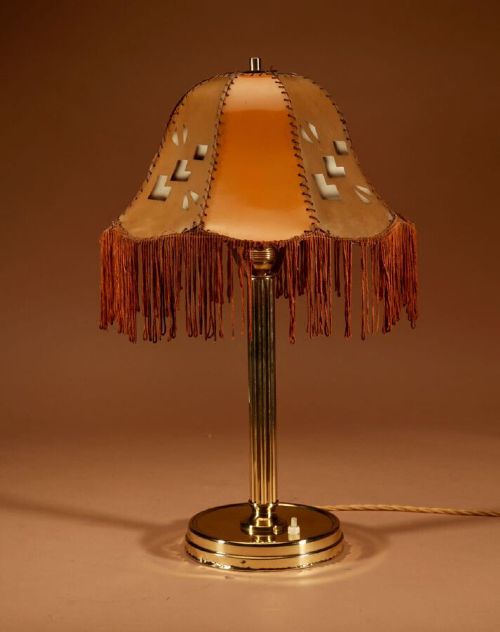
The selection here spans standard table heights and taller floor-standing oil lamps, often constructed with cast brass shafts mounted on stepped or weighted bases. Alongside British Victorian and Edwardian examples, buyers encounter continental pieces showing French Empire, Gothic Revival, or Neoclassical influences.
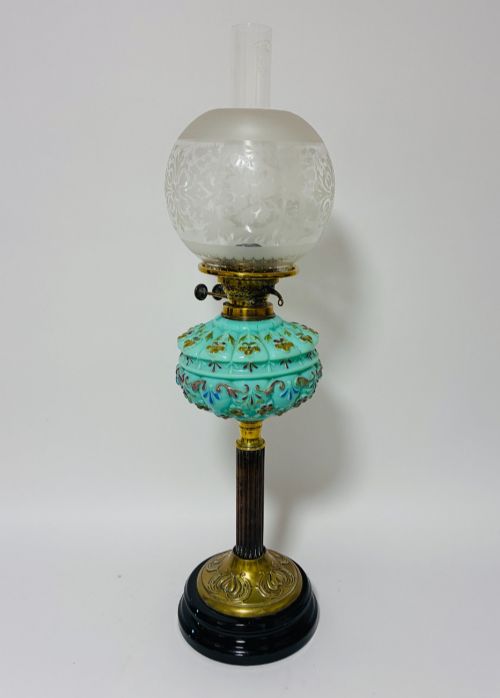
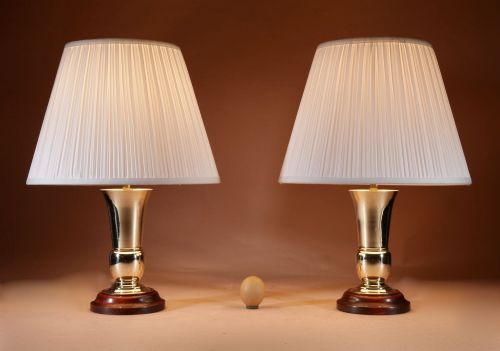
Many of these lamps retain original burner mechanisms, collars, and galleries, while others appear paired as matching sets suitable for sideboards or mantelpieces. The primary material mix combines polished or patinated brass with glass shades, ceramic reservoirs, and marble plinths.
How they were made
Makers utilised heavy casting techniques for the structural columns and capitals, producing detailed acanthus leaves and fluted shafts in solid or plated brass. These metal sections were often screwed together around a central weighted rod to ensure stability, particularly for tall oil lamps supporting glass chimneys.
Many items incorporate contrasting materials such as opaline glass, cranberry glass, and glazed ceramics for the oil reservoirs, alongside marble or slate bases for added heft. Shade production involved hand-etching, mould-blowing, and painting on glass to create floral, winter, or geometric motifs.
Vintage Brass Column Lamp Retail Price Guide 2026
Typical asking prices for vintage brass column lamp among the pieces listed under this phrase on Sellingantiques today, from the lower quarter to the upper quarter. They describe what is for sale here now, not the wider market.
What varies in quality
Quality rests in the crispness of the cast ornamentation on the capital and the thickness of the brass gauge used for the column and base. Finer examples display sharp, hand-chased detail on the acanthus leaves and substantial weight rather than thin, pressed sheet metal.
The integrity of the construction determines the visual balance, seen in how plumb the column stands and whether the original burner components remain intact and maker-marked. Secondary elements like original etched glass shades or genuine marble plinths elevate the finished presence of the piece.
The Vintage Brass Column Lamp Glossary
- Corinthian column
- A classical architectural shaft topped with an ornate capital decorated with carved acanthus leaves. This motif appears frequently on nineteenth-century lighting standards.
- Duplex burner
- A double-wick mechanism developed in the nineteenth century to produce a brighter flame in oil lamps. It often bears maker stamps on the brass thumb-turns.
- Opaline glass
- An opaque, milky-white glass used extensively for lamp shades and reservoirs during the Victorian period. It diffuses light with a soft, uniform glow.
- Gallery
- The metal ring or basket at the top of an oil lamp that holds the glass shade in place. A secure gallery ensures the chimney sits straight.
- Reeded column
- A cylindrical shaft carved with parallel, convex half-round mouldings running vertically. It provides a more restrained classical texture than the Corinthian order.
Vintage Brass Column Lamp: Frequently Asked Questions
What is a vintage brass column lamp?
A vintage brass column lamp is a rigid vertical lighting fixture designed around classical architectural pillars, predominantly sourced from the Victorian, Edwardian, and early twentieth-century periods.
Most examples began life as paraffin or oil lamps before being adapted for electrical wiring, retaining their heavy metal bases and column structures.
How do I date a brass column lamp?
Dating relies on examining the manufacturing methods, burner mechanisms, and stylistic clues such as Gothic Revival or Neoclassical motifs recorded in the evidence.
Maker stamps, the weight of the cast brass, and the presence of original glass shades or marble plinths also point toward specific decades between the mid-nineteenth and early twentieth centuries.
Were these lamps originally electric?
Almost none of these lamps started with electrical wiring, as they were originally manufactured as oil lamps, paraffin burners, or heavy candle standards.
Many surviving pieces have since been safely rewired for contemporary home use while preserving the original brass columns, fonts, and burner collars.
How do I clean a vintage brass lamp?
Maintaining a brass lamp involves dusting the column regularly and deciding whether to preserve a dark, aged patina or polish the metal surface.
Harsh chemical abrasives should be avoided to protect the original cast detail, particularly on antique Corinthian capitals and marked burner components.