


Vintage Brass Coal Container
These vintage brass coal containers bring hearthside utility into daily use, combining robust metalwork with decorative presence.
Vintage Brass Coal Container
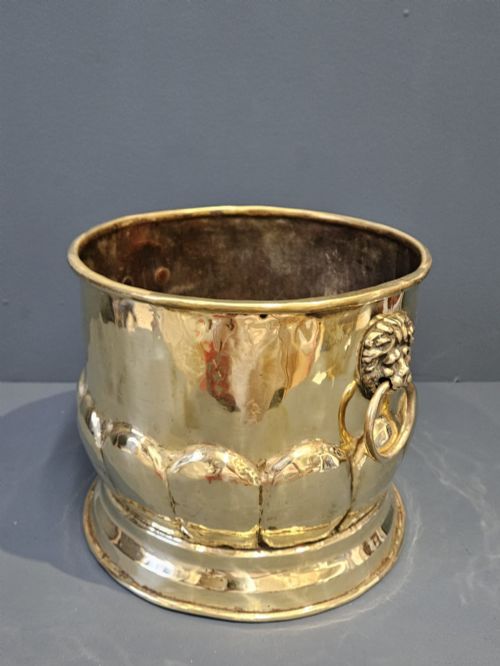
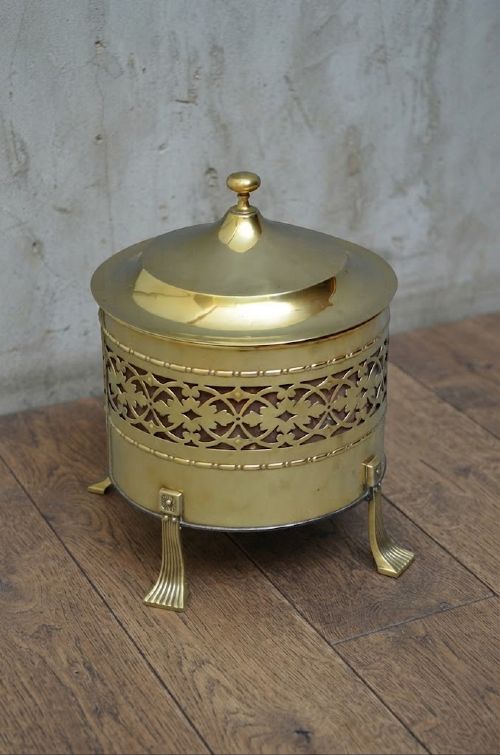
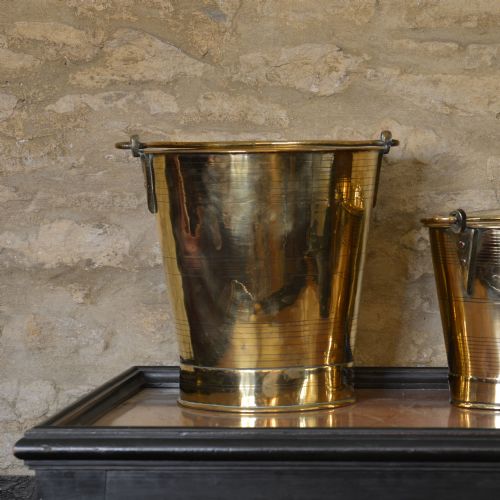
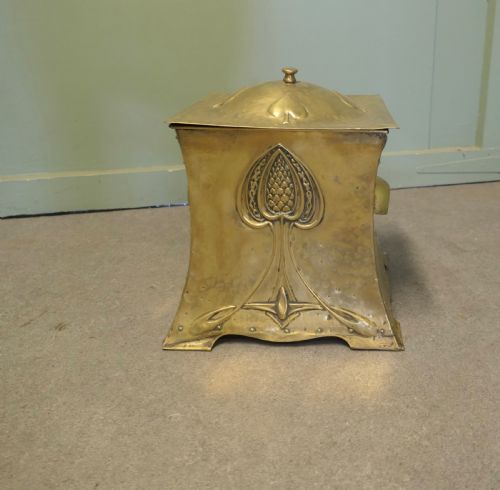
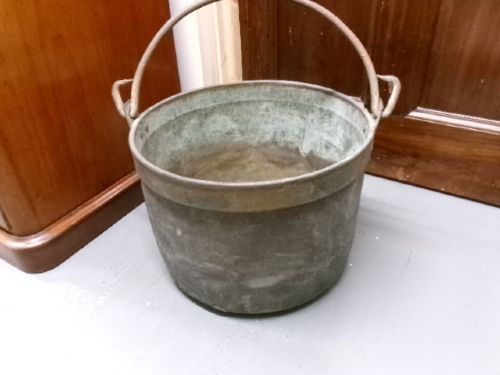
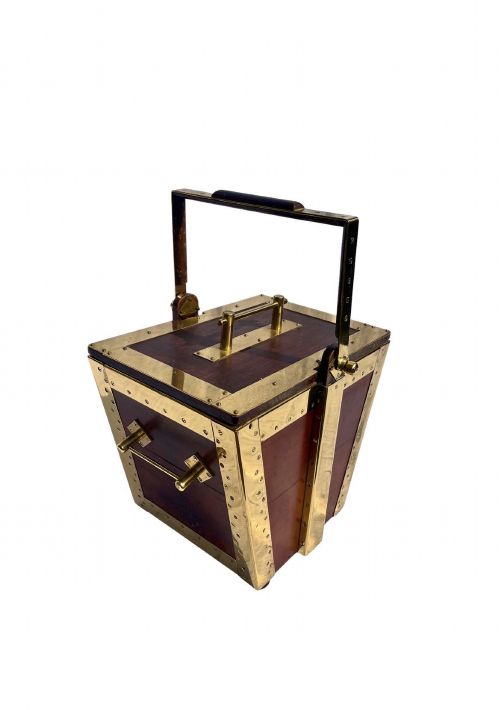
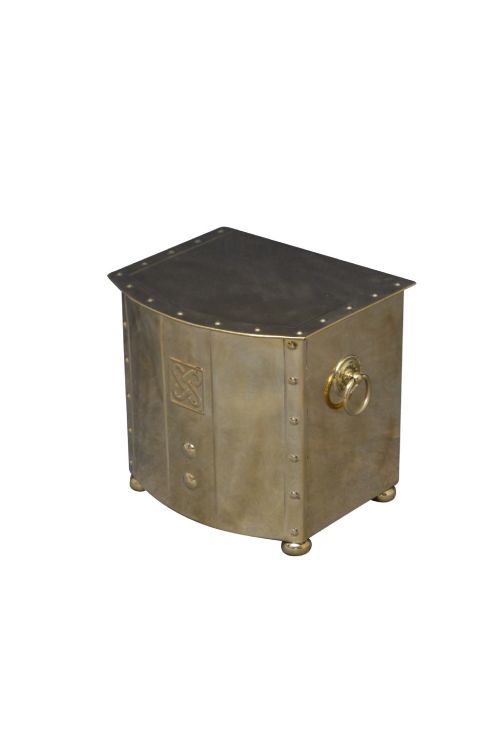
A vintage brass coal container serves as a fireside receptacle for solid fuel, taking forms such as buckets, helmets, boxes, and bins. These pieces originate across the nineteenth and twentieth centuries, spanning Victorian, Edwardian, and Arts and Crafts periods.
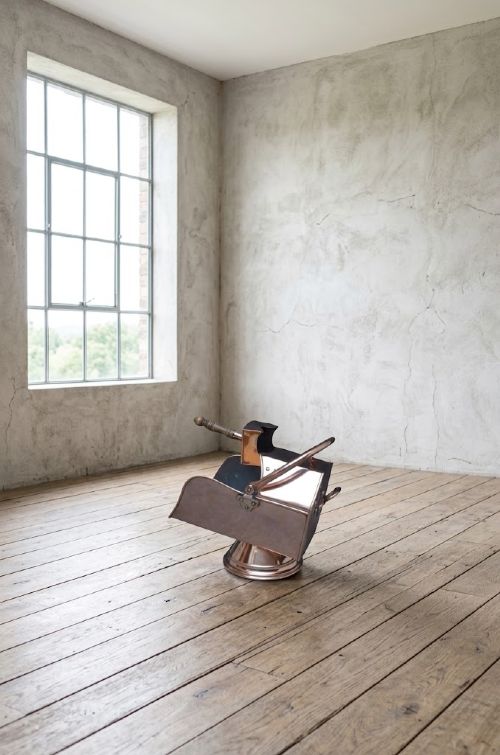
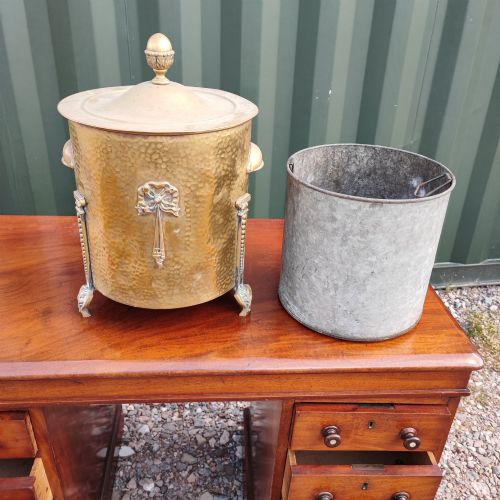
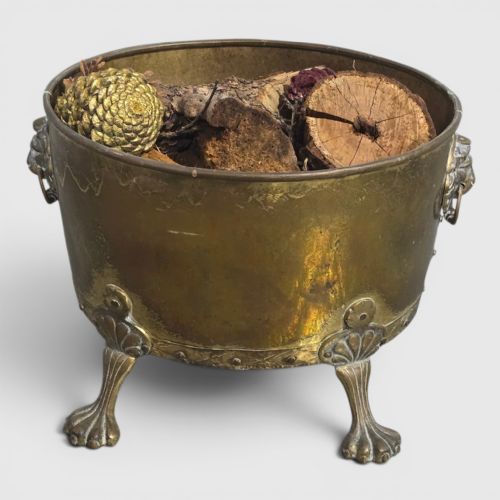
The most common examples encountered here are Victorian and Edwardian helmet coal scuttles and cylindrical log bins fashioned from brass or copper. Many incorporate swing handles, riveted seams, and sometimes original liners or matching shovels.
Makers and designers utilised various related metals and woods, including iron, oak, walnut, and galvanised metal, alongside brass and copper. They function equally well today as fireside stores or indoor planters.
How they were made
The construction relies on sheet brass and copper, often shaped by hand-beating, spinning, or pressing. Craftsmen joined plates using visible rivets or folded seams, securing strength for heavy loads of coal or logs.
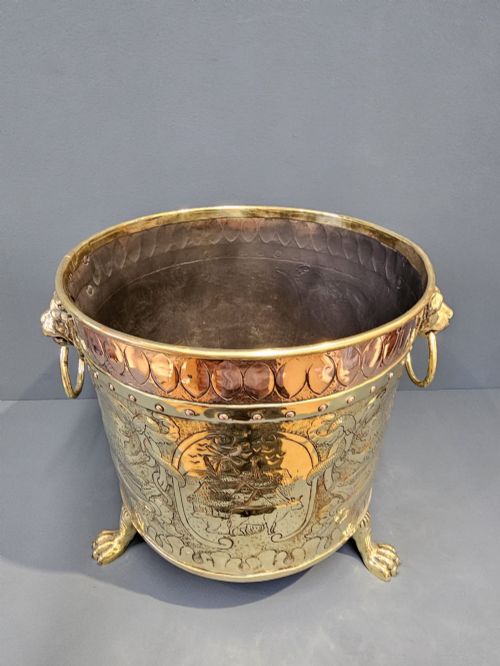
Decoration involved embossing, hammering, and repousse work, particularly in Arts and Crafts and Art Nouveau designs depicting tavern scenes, floral motifs, or spade patterns. Handles and feet were cast separately in brass and attached with rivets.
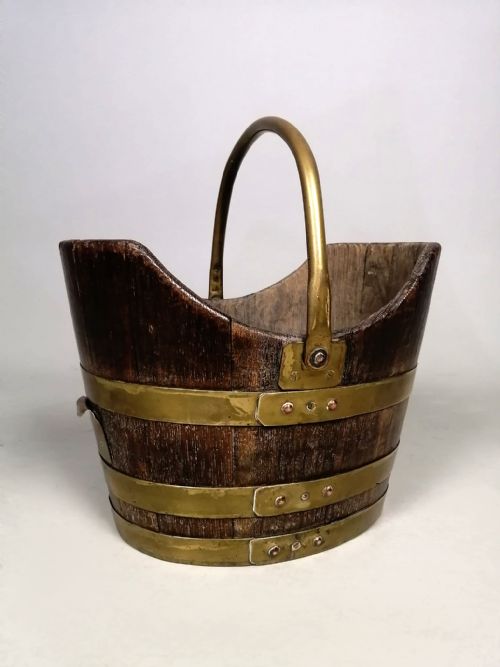
Internal liners made of galvanised metal protected the outer decorative metal from moisture and ash, while wooden elements such as oak or walnut featured coopered staves held by metal bands.
Some coal buckets secretly doubled as social commentary, featuring embossed tavern scenes to entertain guests while holding soot.
What varies in quality
The metal gauge determines structural rigidity, separating heavy, durable items from thinner vessels that dent easily under daily use. Substantial cast handles and securely fixed feet indicate superior craftsmanship.
Surface finish and decorative crispness define the visual hierarchy, where hand-embossed details and clean riveting surpass plain, pressed sheet metal. Retaining original components like internal metal liners and matching shovels elevates an example.
Makers with established reputations, such as Benham and Froud or Henry Loveridge, introduce distinction through marked stampings and refined proportions.
Benham and Froud·Henry Loveridge
The Vintage Brass Coal Container Glossary
- Coal helmet
- A traditional coal scuttle shape featuring a flared, sloping rim reminiscent of a classical helmet, designed for easy pouring. This form dominated late Victorian firesides.
- Repoussé
- A metalworking technique where the artisan hammers the design from the reverse side to raise relief patterns on the front. It is frequently seen on Arts and Crafts examples.
- Coopered
- Construction method using tapered wooden staves bound together by metal hoops, similar to barrel-making. This technique appears on wooden log bins.
- Jardiniere
- An ornamental pot or stand for plants, often utilised as an alternative description for cylindrical brass coal buckets. These items adapt readily to modern interior planting.
- Swing handle
- A movable bail handle attached to pivots on opposite sides of the bucket for balanced lifting. They often feature an insulated grip or shaped brass mountings.
Vintage Brass Coal Container: Frequently Asked Questions
How do I clean a brass coal container?
Use a soft cloth and mild soapy water to remove dust and soot from the surface without damaging the metal. Avoid abrasive cleaners that strip away the aged patina accumulated over decades.
Dry the vessel thoroughly after washing to prevent water spots, particularly on pieces combining brass and iron or steel components.
Can I use these for logs instead of coal?
Many containers documented here served dual purposes for both logs and coal historically. Their robust metal construction handles firewood logs effectively.
Ensure any internal liner is clean and dry before storing wood to prevent moisture retention inside the bin.
What is an Arts and Crafts coal bucket?
These pieces reflect a design movement prioritising hand craftsmanship and visible construction methods over mass-produced uniformity. They frequently display hammered surfaces and embossed motifs.
Copper and brass were favored materials for creating warm, textured fireside accessories during this period.
How do I date a brass coal scuttle?
Examine the construction techniques, such as hand-cut rivets, dovetail joints, and maker marks stamped into the base or handle. Victorian and Edwardian examples often exhibit specific decorative styles like aesthetic movement engraving or Art Nouveau curves.
Comparing the form and materials with documented pieces from the nineteenth and early twentieth centuries helps narrow the production era.