

Vintage Brass and Copper
These vintage brass and copper objects bring warmth and industrial utility into daily spaces, uniting practical metalwork with decorative nineteenth-century craft.
Vintage Brass and Copper
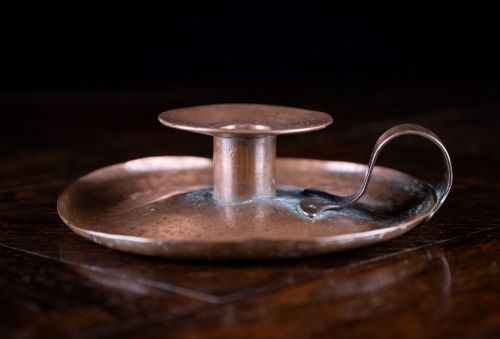
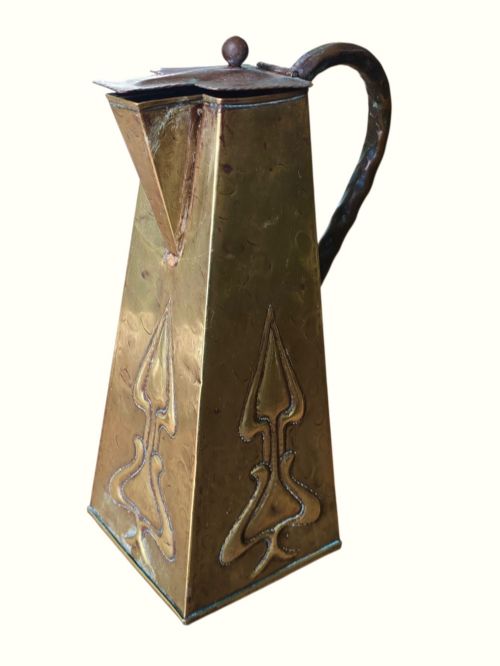
Vintage brass and copper encompasses domestic hearth furnishings, utilitarian vessels, and decorative lighting spanning the Georgian, Victorian, and Edwardian eras. Buyers search for these mixed-metal items to anchor period interiors with enduring warmth and texture.
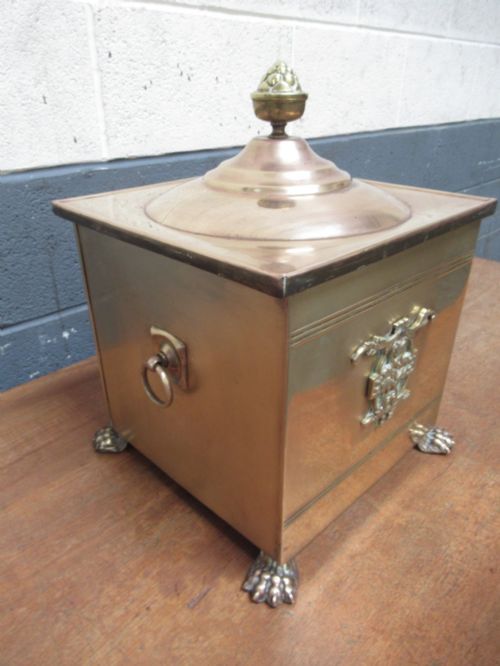
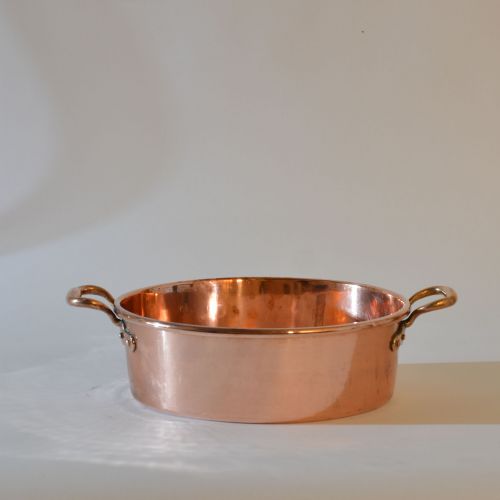
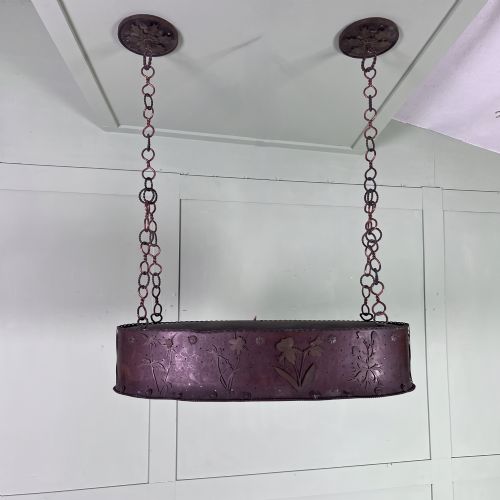
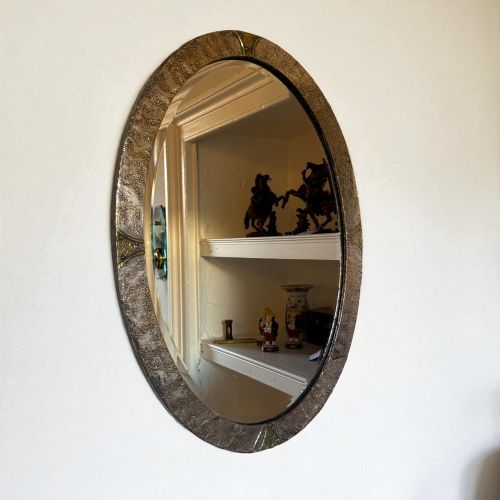
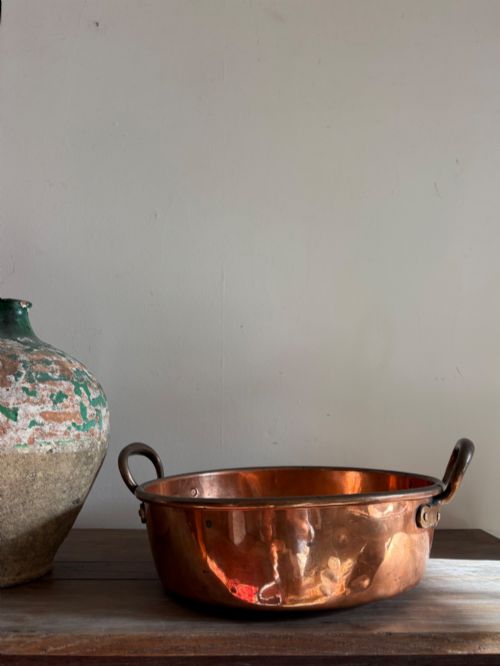
Coal scuttles, kettles, samovars, and jam pans dominate the domestic items, alongside lighting fixtures like chandeliers and wall lanterns. Arts and Crafts mirrors and planters also appear, displaying hammered surfaces and mixed-metal mounts.
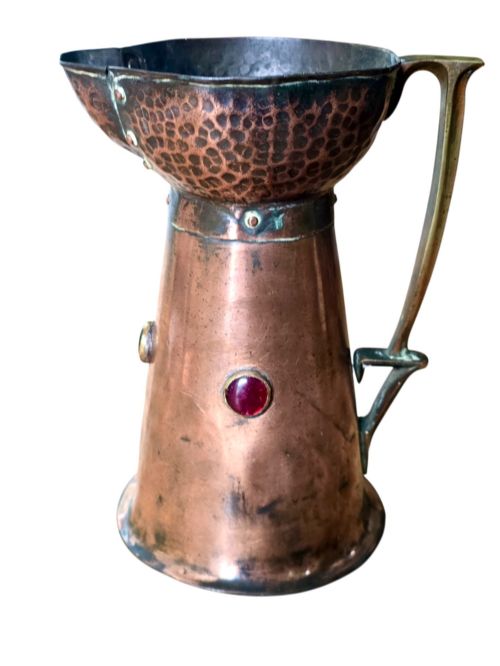
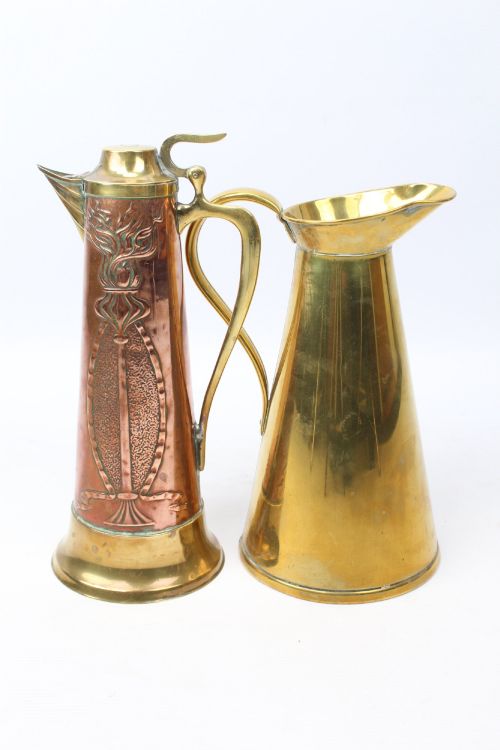
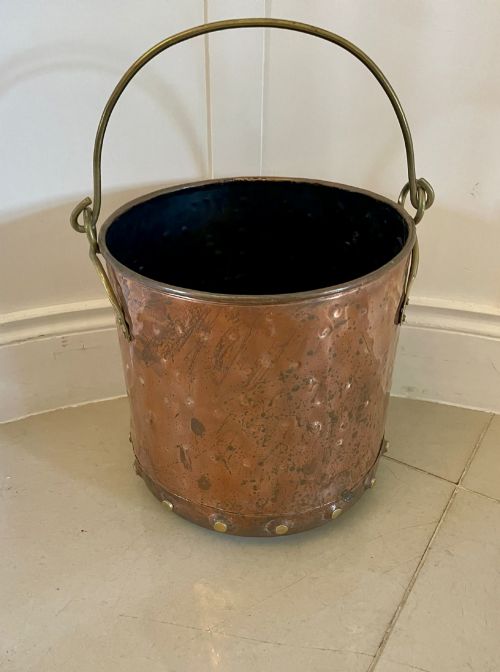
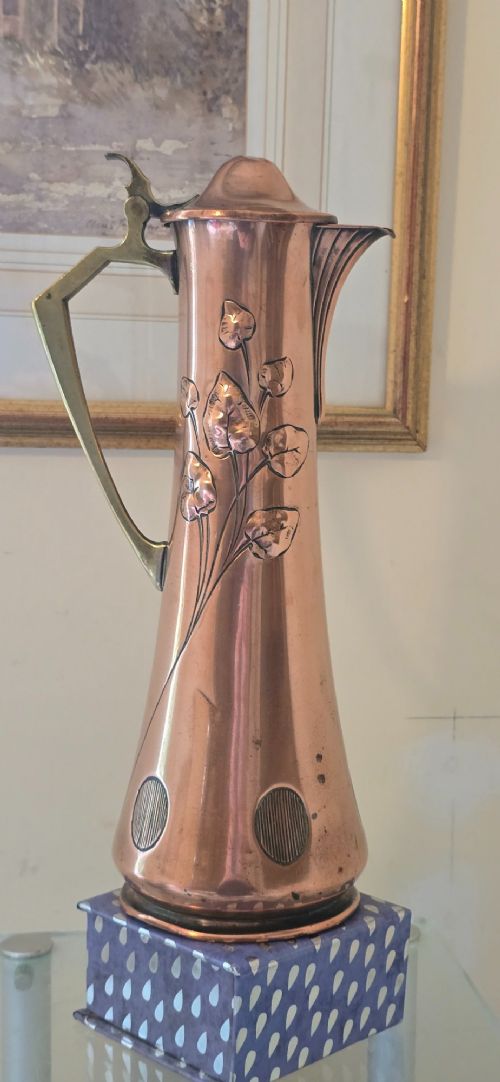
Victorian and Edwardian iterations are most common, frequently pairing heavy cast brass handles, feet, or rims with warm red copper bodies. These pieces range from utilitarian kitchen cauldrons to ornate drawing-room ewers.
How they were made
Makers shaped sheet copper by hand, joining seams with rivets or dovetailing before attaching cast brass mounts, handles, and feet. Wrought iron and oak also support these metal structures, particularly in fireplace furnishings and plant stands.
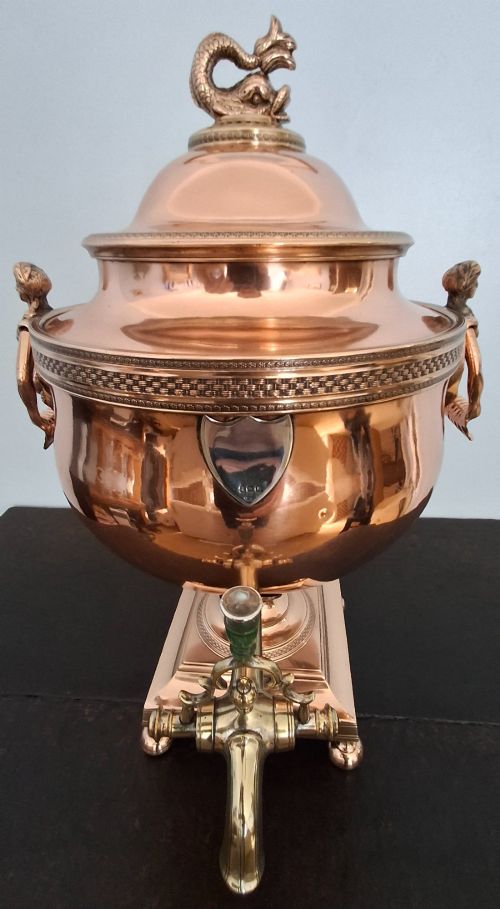
Artisans applied surface decoration through hand-hammering, repoussé relief work, and silver inlay on Islamic vessels. Spirit kettles and samovars utilised turned wooden handles alongside cast brass spouts and spirit burners.
Vintage Brass and Copper Retail Price Guide 2026
Typical asking prices for vintage brass and copper among the pieces listed under this phrase on Sellingantiques today, from the lower quarter to the upper quarter. They describe what is for sale here now, not the wider market.
Materials range from solid copper and brass to wrought iron, oak, glass, and silver inlay.
What varies in quality
Integrity of construction separates utilitarian items from high decorative commissions, evident in weight, gauge of metal, and the precision of hand-hammered detailing. Superior pieces display substantial wall thickness in copper bodies and crisply cast brass components.
Design attribution and surface finish also govern quality, distinguishing standard workshop production from signed maker pieces or items with floral relief work and provenance.
WMF·Siebe Gorman·Maison Jansen·William Soutter And Sons
The Vintage Brass and Copper Glossary
- Samovar
- A heated metal vessel traditionally used to boil water for tea. These large urns often feature internal charcoal cylinders and brass spigots.
- Coal Scuttle
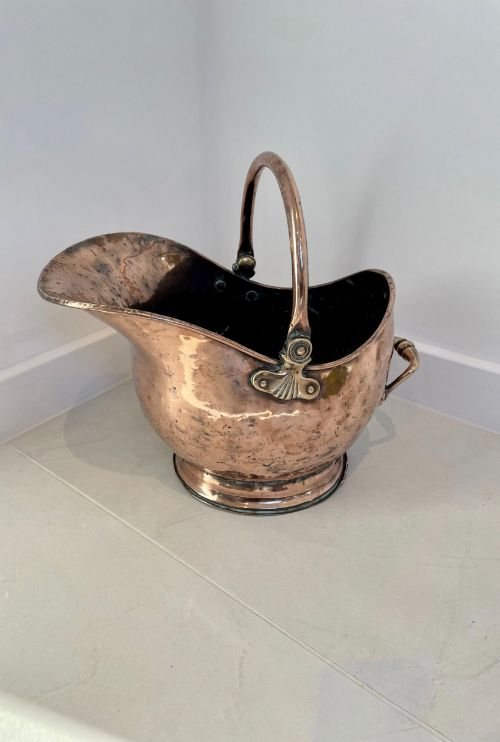
- A bucket or box designed for holding household coal near a fireplace. Helmet-shaped variants feature raised mouths and swing handles.
- Repoussé
- A metalworking technique where an artisan hammers relief designs from the reverse side of sheet metal. This method creates textured floral and geometric panels.
- Jardinière
- An ornamental pot or stand for holding plants or flowers. These vessels often utilise riveted copper bodies with brass feet or liners.
- Fender
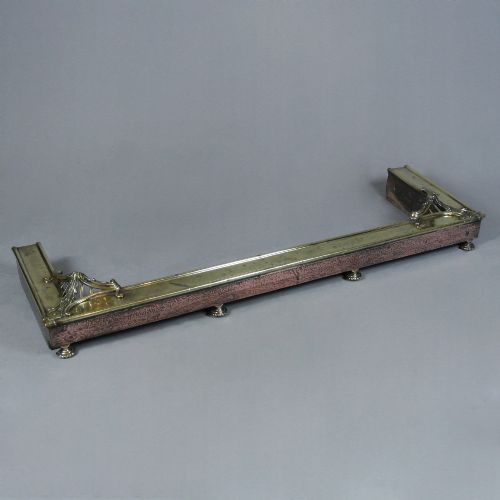
- A low metal guard placed around the hearth to contain ash and sparks. They combine heavy brass rails with iron frames.
Vintage Brass and Copper: Frequently Asked Questions
How do I clean vintage brass and copper?
Maintain the aged patina by dusting regularly with a dry cloth and avoiding harsh chemical polishes that strip historical surfaces. Gentle washing with warm soapy water removes accumulated grease without damaging the metal.
For copper components, mild lemon-based cleaners restore brightness if desired, though many collectors prefer preserving the dark oxidation accumulated over centuries.
Were these metal objects purely decorative?
Most items served demanding domestic functions in nineteenth-century households before becoming decorative accents. Jam pans boiled fruit preserves, and coal buckets transported fuel to drawing-room hearths.
Lighting fixtures and tea urns held central roles in daily illumination and hospitality, combining robust utility with aesthetic craftsmanship.
How can I date a copper and brass piece?
Examine construction methods such as hand-cut dovetailing, heavy riveted seams, and cast brass mountings to determine the manufacturing period. Georgian and early Victorian items typically display heavier gauge metals and hand-hammered irregularities.
Later Edwardian and Arts and Crafts pieces often feature machine-assisted sheet rolling alongside deliberate surface texturing and distinctive maker signatures.
How do I style these items at home?
Group mixed-metal items near fireplaces or open shelving to contrast the warm tones of copper against neutral stone and dark wood. Large jam pans and jardinières function effectively as umbrella stands or log holders.
Chandeliers and wall sconces provide ambient illumination while introducing period architectural character to modern living spaces.