



Vintage Brass Accessory
A vintage brass accessory brings warmth and period character to a room, ranging from hearth equipment to small desktop items.
Vintage Brass Accessory
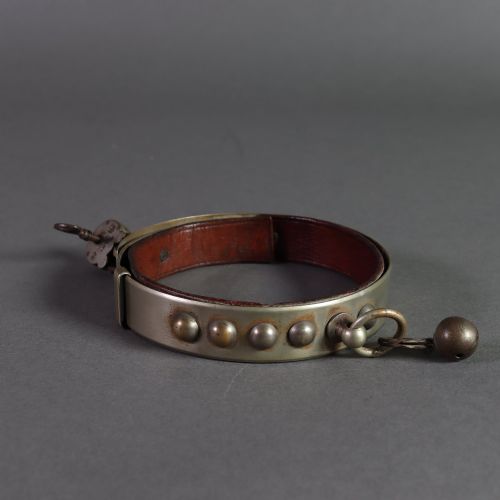
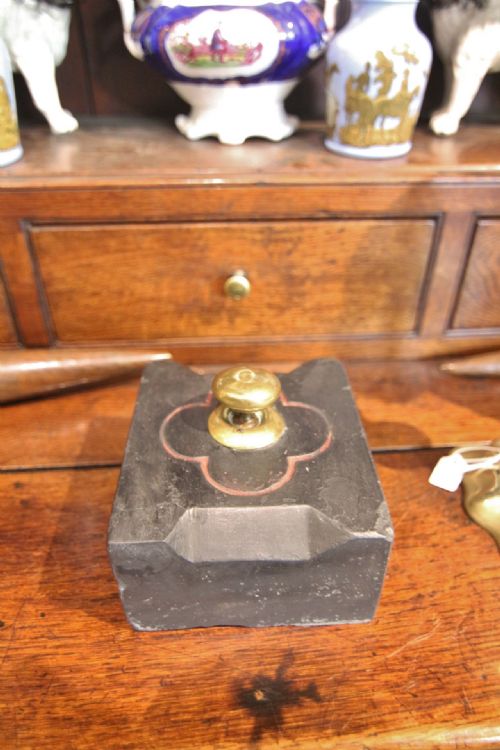
A vintage brass accessory encompasses a varied selection of domestic items spanning the nineteenth and early twentieth centuries. When searching for this phrase, buyers encounter practical hearth furniture alongside smaller decorative objects intended for the desk or table.
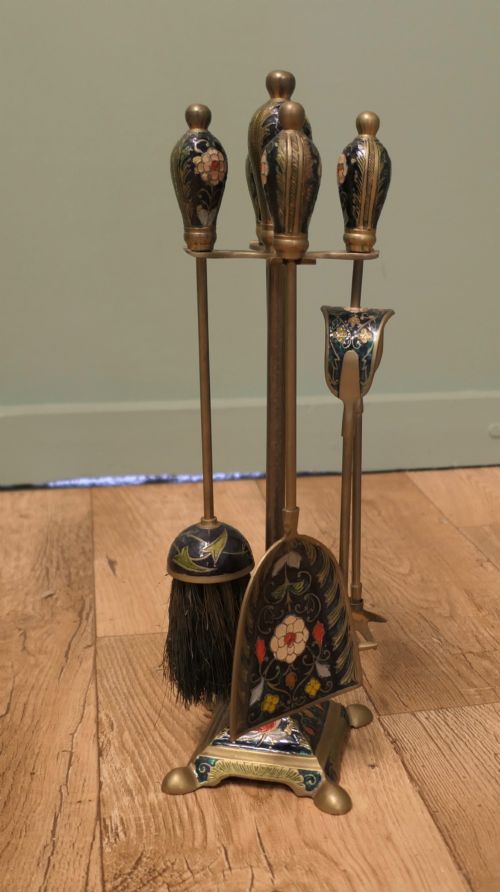
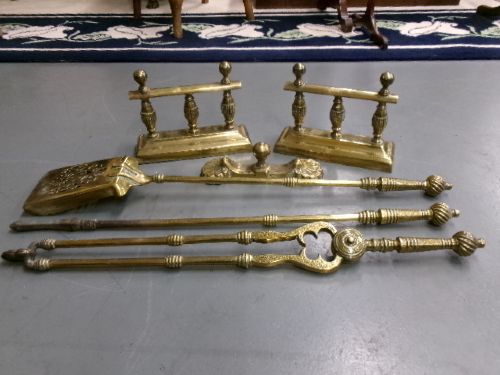
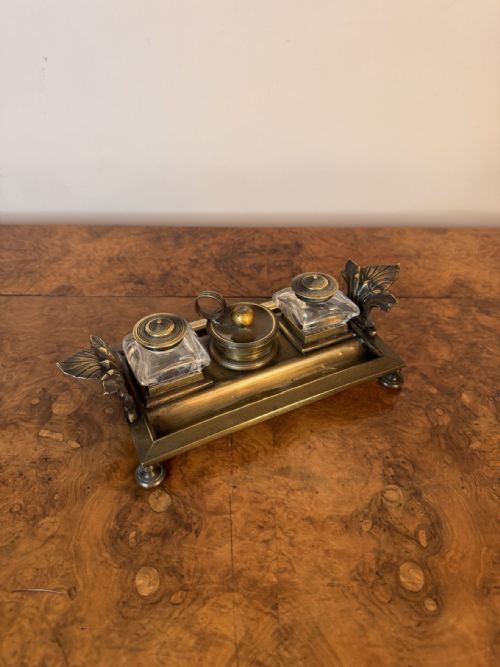
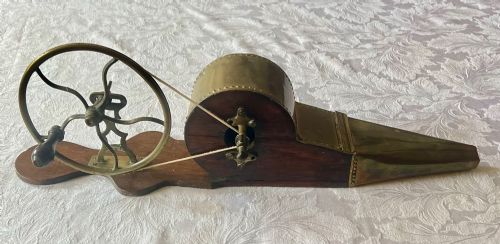
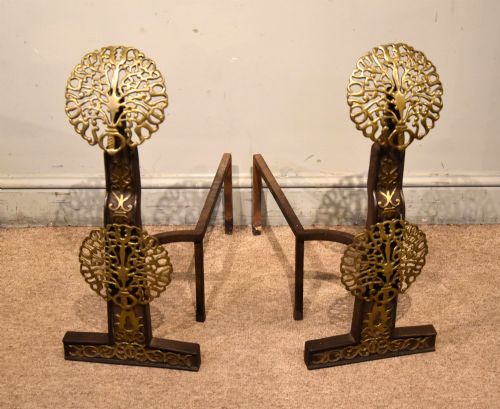
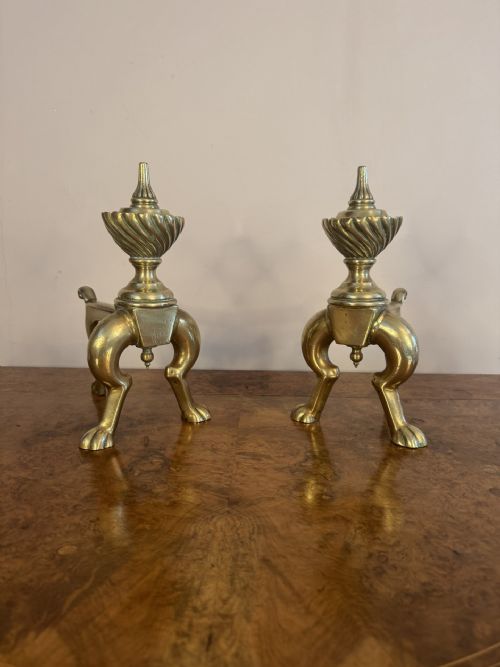
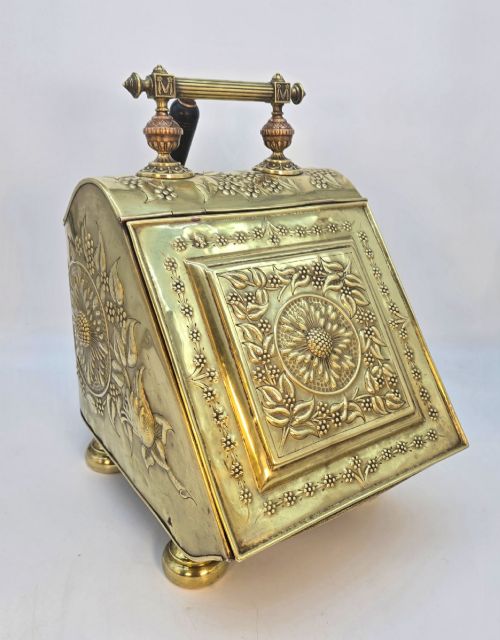
The material record on this page leans heavily toward fireside equipment. Fire dogs, coal scuttles, and companion sets dominate the selection, alongside desk magnifiers, boxes, and small decorative pieces.
Most pieces date from the Victorian and Edwardian eras, reflecting the industrial output of the nineteenth century and the early 1900s. Alongside these, earlier George III and Regency examples appear, offering simpler lines and different construction methods.
Evaluating quality and finish
The distinction between standard domestic production and superior items rests in the weight of the metal and the crispness of the decorative detail. Heavier castings and deeply embossed repoussé work indicate a higher standard of manufacture.
Original components and mounts elevate a piece, such as matching fire irons accompanying a set of fire dogs or original shovels retained with a coal box. Proportion and decorative restraint also separate finer Georgian and Regency items from later mass-produced wares.
Vintage Brass Accessory Retail Price Guide 2026
Typical asking prices for vintage brass accessory among the pieces listed under this phrase on Sellingantiques today, from the lower quarter to the upper quarter. They describe what is for sale here now, not the wider market.
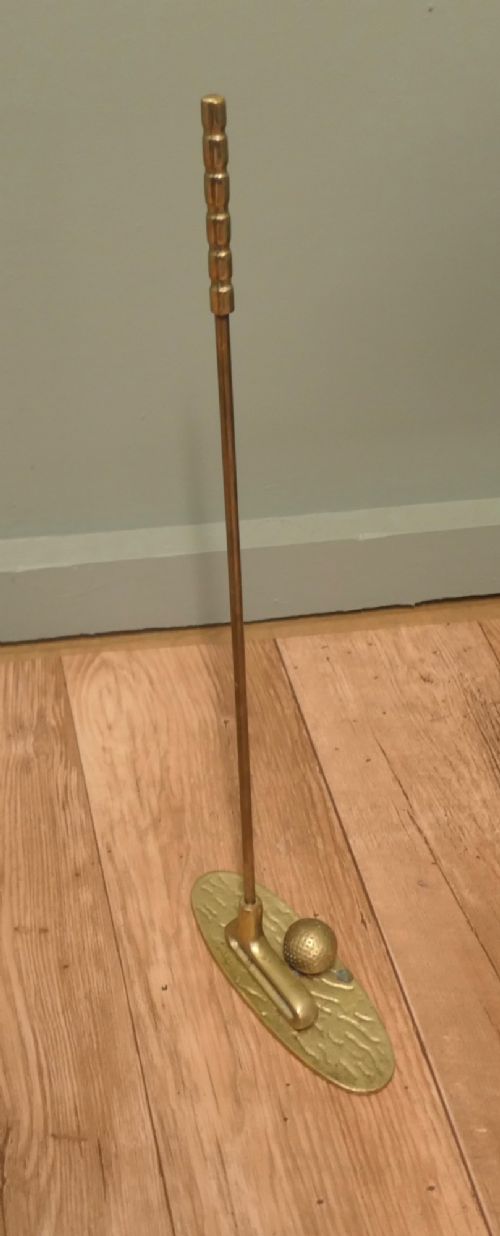
A brass parrot sits quietly on the desk, holding tape until someone needs it.
J C Vickery
The Vintage Brass Accessory Glossary
- Repoussé
- Metalwork hammered or pressed from the reverse side to produce a raised design in relief on the front. This technique appears frequently on Victorian coal boxes and fireside vessels.
- Fire Dogs
- Andirons used to support logs in an open hearth, usually cast in pairs from brass or iron. They often form part of a larger set that includes companion tools.
- Navette
- Boat-shaped decorative form with tapered ends, common in small Georgian table boxes and snuff containers. The shape draws on neoclassical design motifs.
- Fretwork
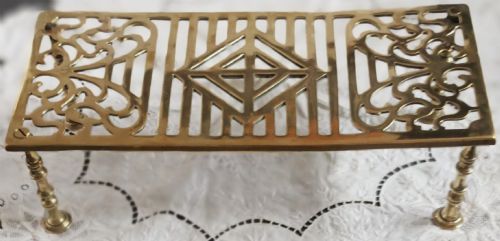
- Ornamental design created by cutting patterns through metal or wood, seen on Edwardian coal buckets and planters. This technique lightened the visual weight of heavy containers.
Vintage Brass Accessory: Frequently Asked Questions
How do I clean antique brass?
Dust the surface regularly with a soft cloth to prevent grime buildup. Avoid harsh chemical polishes that strip the natural age and dark patination accumulated over the decades.
Gentle cleaning with mild soap and warm water is sufficient for most items. Ensure the piece is dried thoroughly afterward to prevent spotting or corrosion.
What is a coal scuttle?
A coal scuttle is a container designed to hold fuel near an open fireplace. These vessels often feature a hinged lid and a carrying handle for transporting coal from a cellar to the hearth.
Many examples include a matching shovel or inner liner. They range from utilitarian iron buckets to decorative repoussé brass boxes.
How do I date a brass accessory?
Dating relies on stylistic clues, manufacturing marks, and construction methods. Pieces from the Georgian period often exhibit hand-beaten seams and simple geometric forms.
Victorian and Edwardian items frequently display machine assistance, standardised fixings, and more elaborate embossed or pierced ornamentation.
Can these items still be used daily?
Many hearth accessories remain entirely functional for traditional open fires and woodstoves. Fire dogs, pokers, and coal buckets retain their structural integrity and practical purpose.
Delicate desk items and decorative boxes function well in modern interiors for storage or display. Care should be taken with fragile glass lenses and antique fastenings.