







Vintage Botanical Wall Decor
These vintage botanical wall decor pieces bring centuries of natural history and floral study into domestic interiors through framed prints, oils, and textiles.
Vintage Botanical Wall Decor
When searching for vintage botanical wall decor, buyers encounter a diverse range of items including framed prints, oil paintings, engravings, and embroidered panels depicting flowers, plants, and insects. These works span from the eighteenth century through the mid-twentieth century, capturing natural subjects across various decorative traditions.
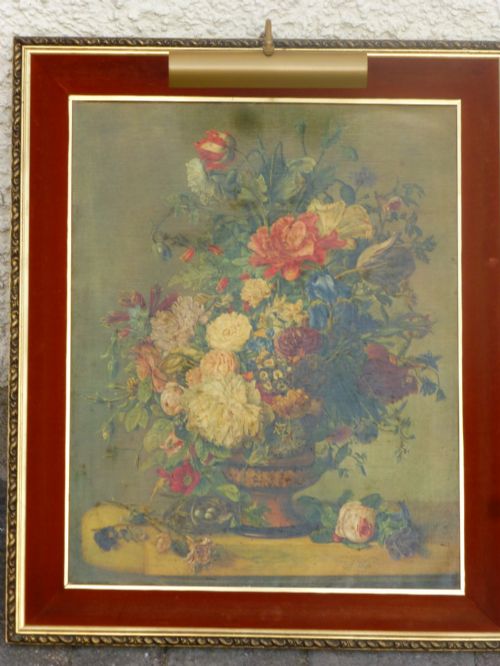
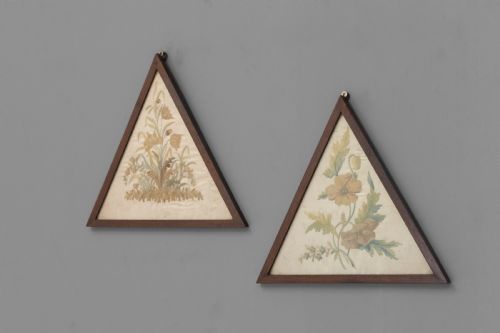
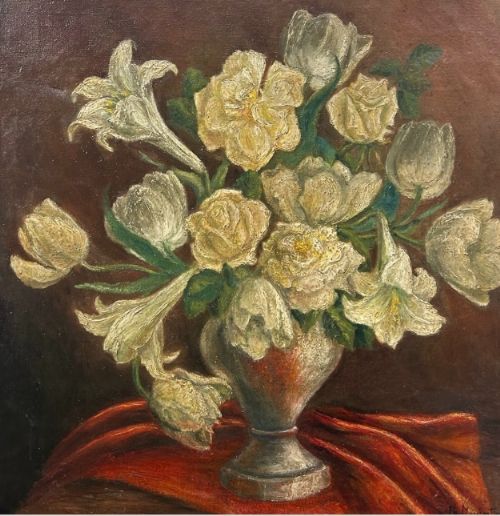
The selections available include nineteenth-century botanical specimens, twentieth-century still life paintings, and pairs of framed flower pressings or butterfly prints. Pieces often reflect specific historical aesthetics, ranging from Victorian framing to mid-century modern canvases and English country house styles.
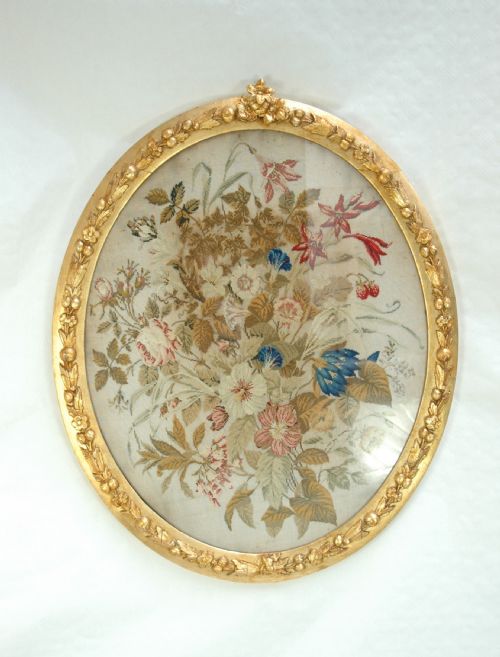
Buyers are most likely to find framed engravings, oil paintings on canvas, and textile works such as Chinese embroideries or tapestry pictures. Each object serves primarily as wall art, bringing historical representations of flora and fauna directly into contemporary living spaces.
How they were made
The construction of these pieces relies heavily on paper, canvas, and wood, frequently combined with glass protection and gilt wood framing. Engravings and printed plates on paper appear alongside original oil paintings on canvas and mixed media compositions.
Textile examples utilise silk, velvet, and thread for embroidered panels and tapestry pictures, showcasing needlework alongside traditional painting techniques. Framing materials incorporate gold leaf and polished wood to enclose and preserve the delicate paper, silk, and canvas surfaces.
Mandarin ducks and garden birds occasionally photobomb the botanical foliage, proving that nature art rarely stays strictly within the floral lines.
What varies in quality
Quality in these decorative objects rests on the fidelity of the natural rendering and the execution of the medium, whether in the precise linework of nineteenth-century engravings or the brushwork of oil paintings. Hand-coloured details on prints and the complexity of embroidered stitches distinguish finer examples from standard decorative output.
The preservation of the materials, including the stability of the paper, the vibrancy of the pigments, and the integrity of the textiles, determines the standing of a piece. Original framing, particularly period gilt wood or matched pairs, adds considerable cohesion to the presentation.
James Tower·Robin MacKertich·Jennifer Toombs·John Curtis·Emily Selinger·Harold Edward Conway
The Vintage Botanical Wall Decor Glossary
- Oleograph
- A mechanical reproduction printed in oil colours on canvas, imitating an oil painting. These prints capture the visual texture of painted surfaces.
- Engraving
- A printmaking process where an image is incised into a metal plate, producing fine, crisp lines. Botanical books frequently utilised this method for scientific accuracy.
- Still life
- An artwork depicting mostly inanimate subject matter, typically commonplace objects or natural items such as flowers and fruit. Floral still lifes dominate botanical wall displays.
- Mixed media
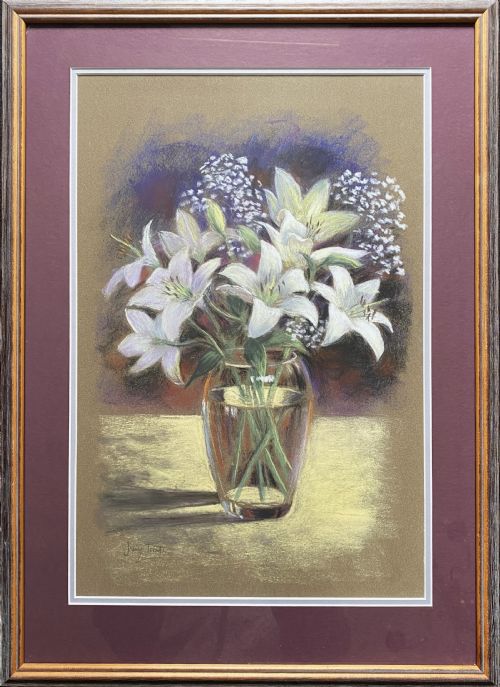
- An artwork in which more than one medium or material has been employed. Artists combine paint, pastel, or collage elements within a single composition.
- Specimen
- An individual animal, plant, or mineral used as an example of its species for scientific study. Botanical and entomological specimens form the basis of natural history decor.
Vintage Botanical Wall Decor: Frequently Asked Questions
How do I hang heavy framed oil paintings safely?
Ensure the wall fixings are rated for the combined weight of the canvas, wooden stretcher, and heavy frame. Utilise appropriate wall plugs and screws depending on whether your wall is plaster or brick.
Check that the hanging wire or brackets secured to the back of the frame are tightly fastened to the wooden structure. Two fixing points distribute the weight more evenly and keep the artwork level.
Where should I display botanical prints at home?
Position these works away from direct sunlight to prevent the fading of paper, watercolours, and textiles. Hallways, studies, and dining rooms offer suitable environments for natural history displays.
Consider grouping pairs or sets together to create a cohesive gallery wall arrangement. Matching frames help unify disparate subjects such as insects, flowers, and foliage.
How can I date a nineteenth-century botanical engraving?
Examine the paper quality, plate marks, and typography used in any accompanying captions or titles. Nineteenth-century paper often exhibits distinct weight and ageing characteristics absent in modern reproductions.
Reference the publishing house or the naturalist creator named on the sheet. Works from figures like John Curtis carry specific publication dates tied to their major botanical and entomological serials.
What is the difference between an engraving and a painting?
An engraving is a printed multiple produced from a carved plate, whereas a painting is a unique, hand-painted work created directly on canvas, paper, or panel. Engravings often show fine, uniform hatch lines under magnification.
Paintings display visible brushstrokes, layered pigments, and texture unique to the artist's hand. Botanical prints were frequently hand-coloured after the initial printing process.