


Vintage Book Lectern
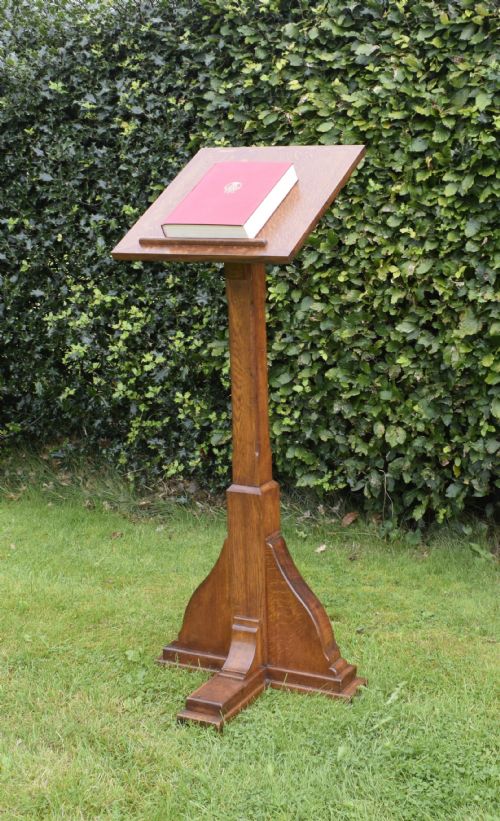
A vintage book lectern holds volumes at the proper angle for reading, bringing function and period character to any room.
Vintage Book Lectern
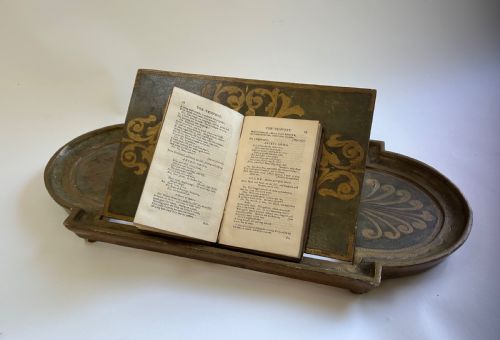
A vintage book lectern encompasses adjustable reading stands, church lecterns, and mahogany music tables designed to hold open texts.
You will most frequently encounter oak and mahogany examples spanning the nineteenth century through the Edwardian era.
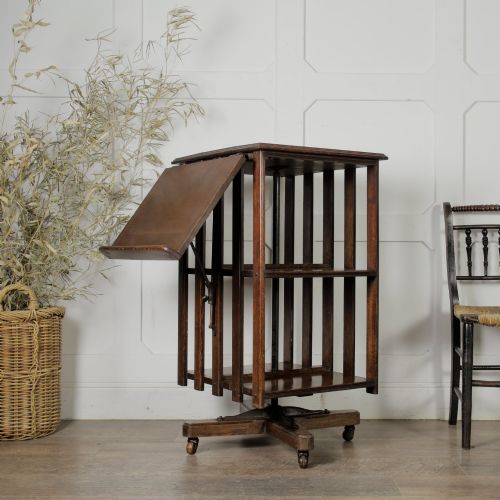
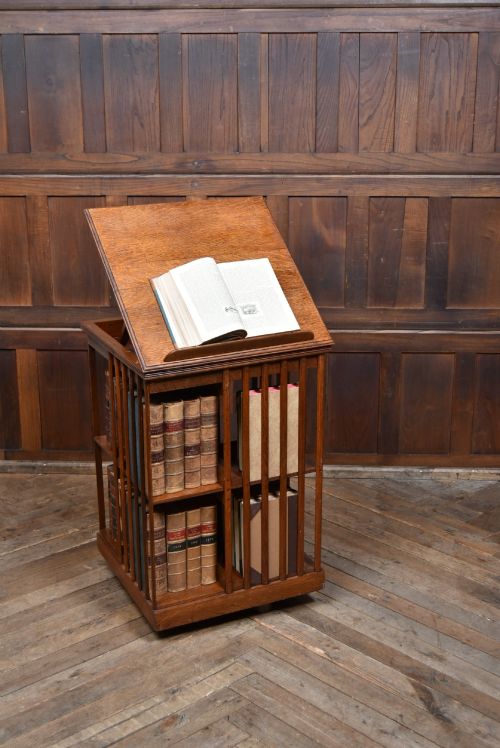
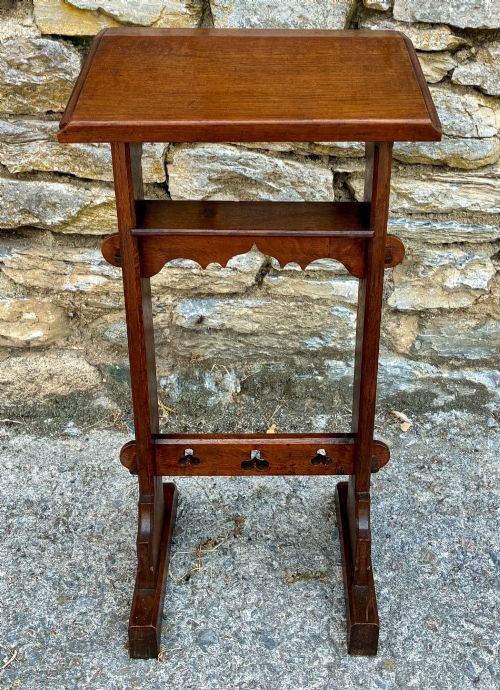
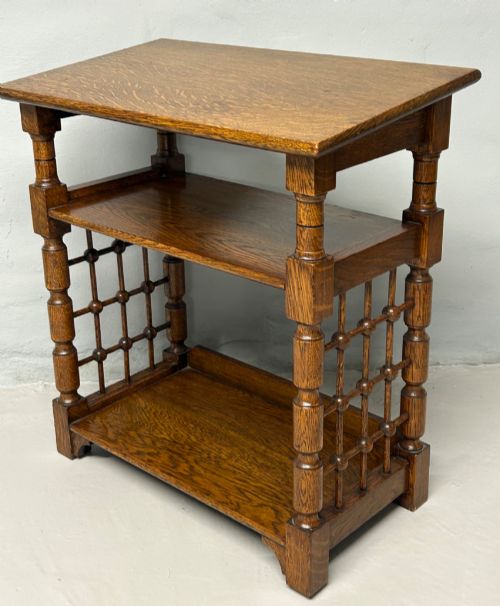
The selection ranges from small desk-top book rests to floor-standing church lecterns and pivoting revolving bookcases.
Materials and construction methods
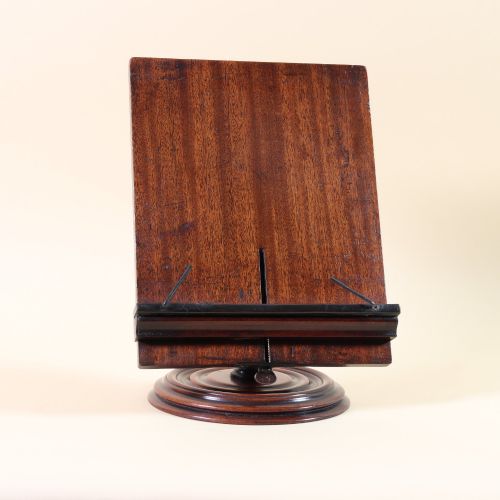
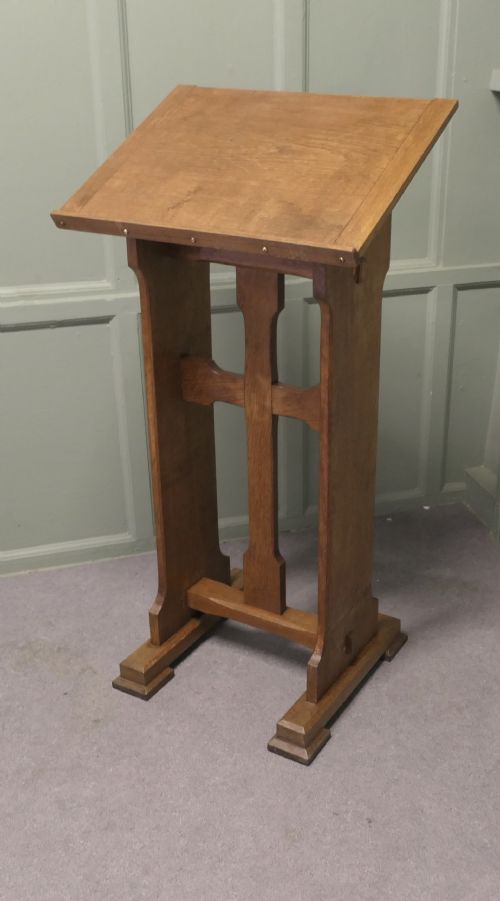
Solid woods such as oak, mahogany, and pine form the primary structure for these pieces, often complemented by brass fittings.
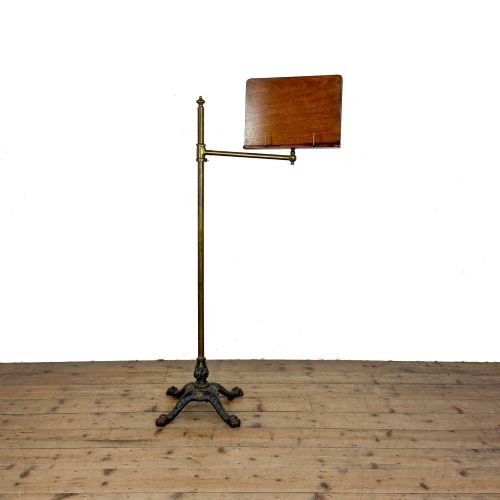
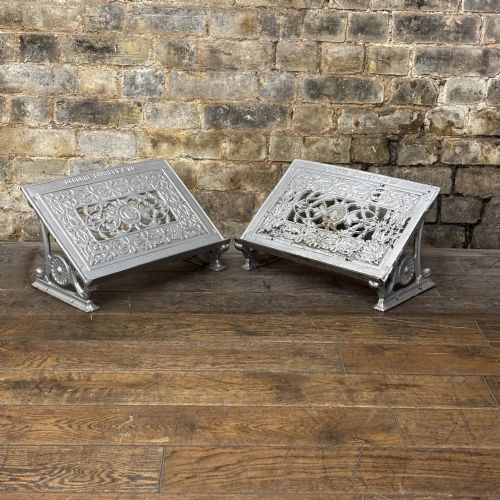
Cast iron provides heavy, stable bases for adjustable reading tables, while decorative elements include mother-of-pearl inlay and intricate wood carving.
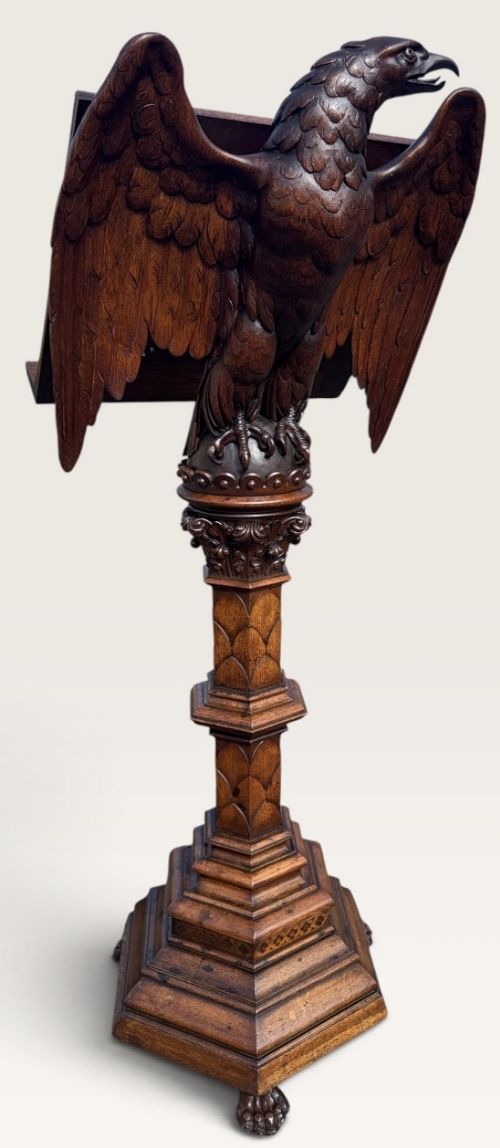
A carved wooden eagle watches over the pages of one Victorian lectern.
Quality factors in book supports
The sophistication of the mechanical adjustment mechanism dictates the utility and overall calibre of the reading stand.
Timber selection and the crispness of carved wooden details separate standard utility pieces from finer examples.
Osborne Garrett Co·Carters Of London·Harrods
The Vintage Book Lectern Glossary
- Lectern
- A stand with a sloping top designed to hold a book or speech at a height and angle convenient for a standing reader.
- Revolving bookcase
- A low shelving unit mounted on a rotating base to allow access to books from multiple angles.
- Gothic Revival
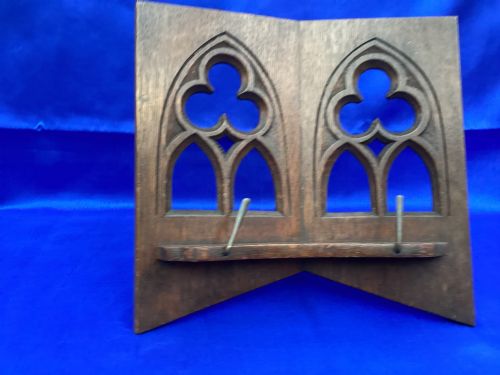
- A nineteenth-century design style drawing on medieval architectural motifs, frequently seen in church furniture.
- Music stand
- An adjustable wooden or metal stand originally intended for sheet music but functionally identical to a reading rest.
Vintage Book Lectern: Frequently Asked Questions
How do I adjust the reading angle?
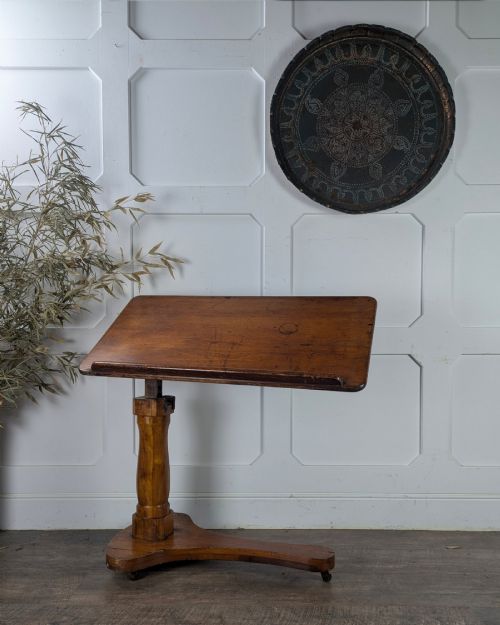
Many Victorian and Edwardian stands utilise ratcheted wooden struts or brass hinges beneath the book rest to alter the slope.
Simpler desk models rely on fixed supports, while heavier floor lecterns use screw mechanisms on iron columns.
Were all lecterns made for churches?
While heavy oak church lecterns appear frequently, many pieces served domestic and scholarly purposes.
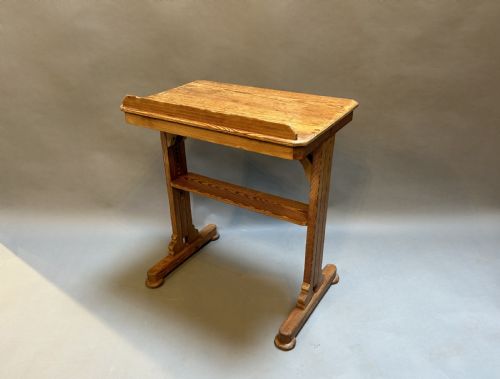
Mahogany music tables and pine reading stands were built for studies, libraries, and musical salons.
Can these hold heavy modern books?
Solid oak and mahogany versions easily support large volumes, dictionaries, and heavy art books.
Adjustable iron and wood tables offer sturdy platforms, provided the locking mechanisms are fully tightened.
How do I date a wooden lectern?
Stylistic clues such as Gothic Revival carving point to the Victorian period, while cleaner lines often indicate Edwardian manufacture.
Materials like cast iron combined with oak usually suggest pieces from the later nineteenth or early twentieth century.