


Vintage Bone China Plate
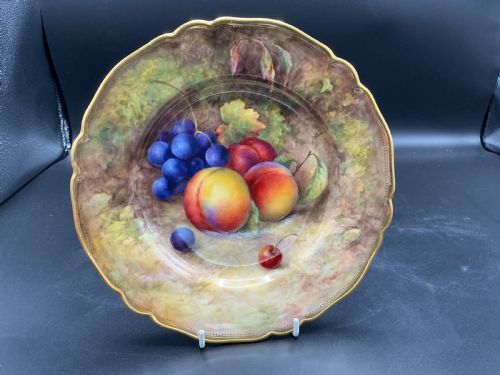
A vintage bone china plate brings hand-painted fruit, intricate gilding, and traditional English artistry straight to the table.
Vintage Bone China Plate
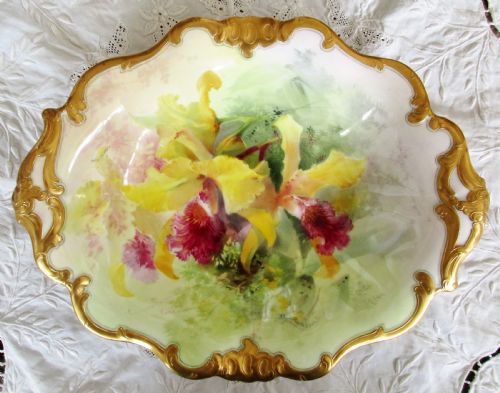
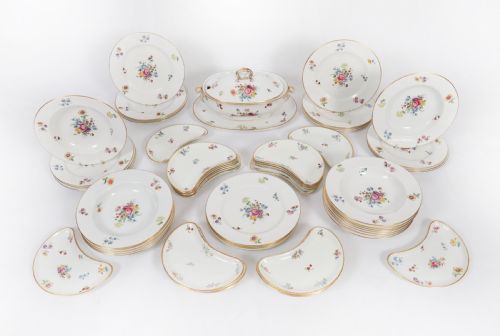
A vintage bone china plate encompasses everything from finely decorated cabinet pieces to service ware produced across various twentieth-century decades and the Victorian era. The selection draws heavily upon established English names, ranging from single dessert dishes to larger matched table services.
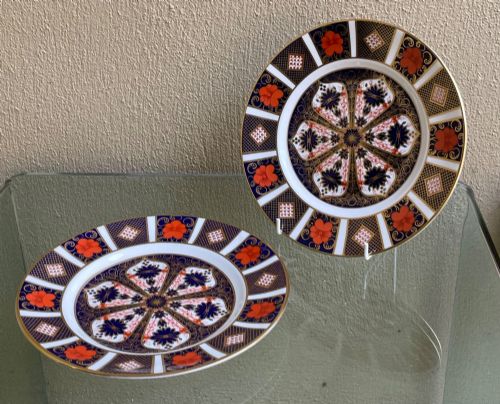
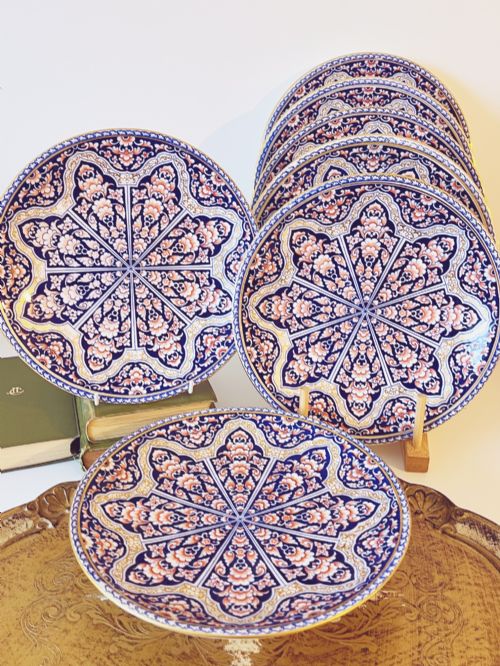
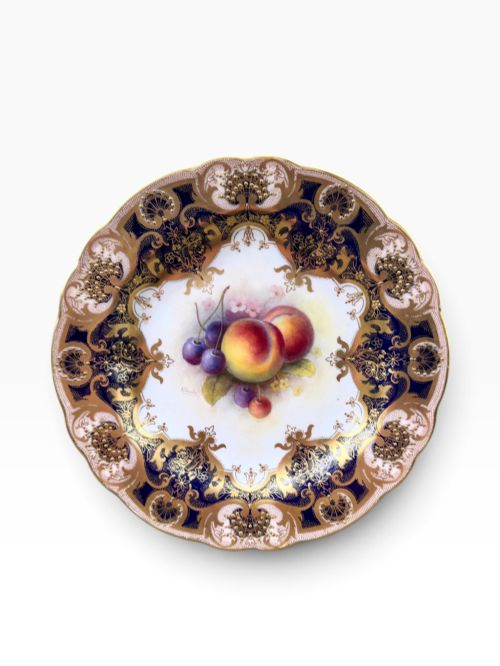
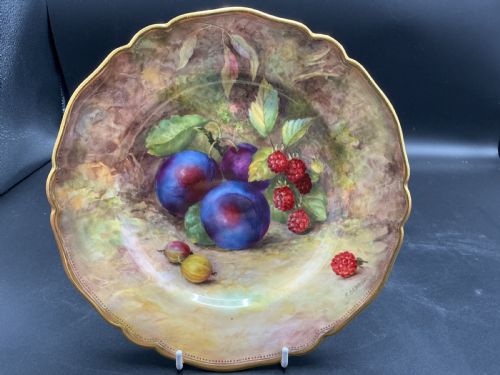
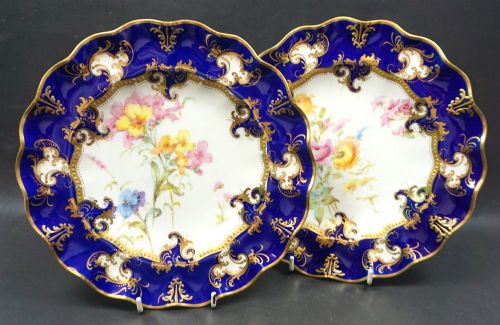
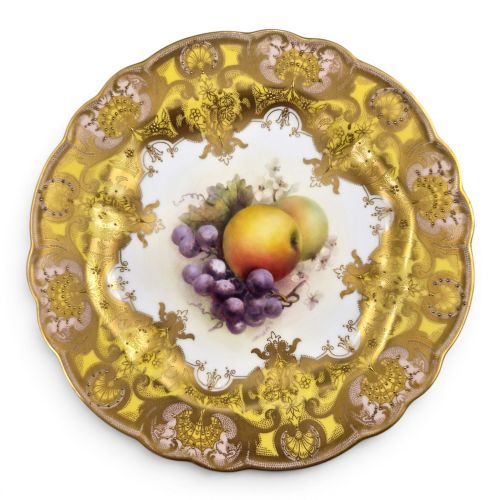
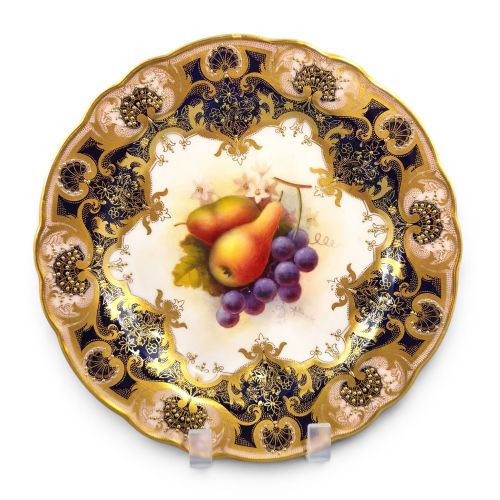
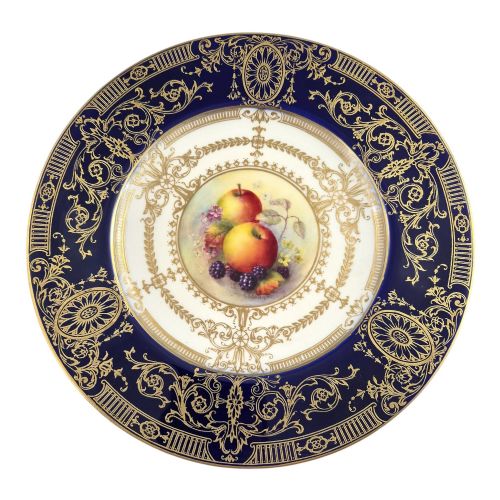
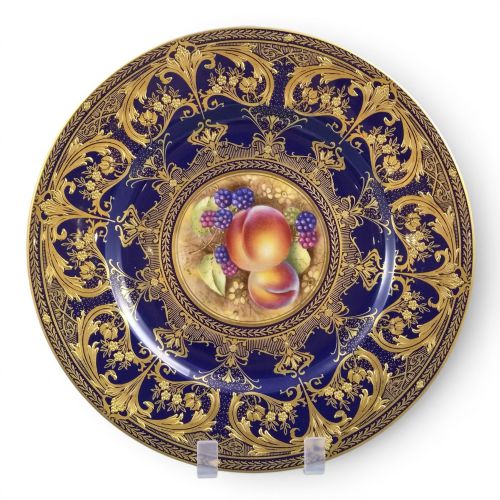
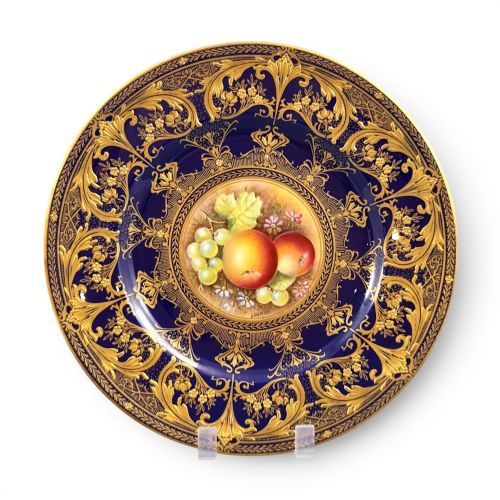
Buyers frequently encounter pieces featuring hand-painted fruit compositions signed by notable makers alongside traditional Imari patterns and floral motifs. Forms vary from straightforward dinner services to specialist cabinet plates designed expressly for display.
Materials and Craftsmanship
The objects combine fine porcelain and bone china bodies with applied enamel and ceramic pigments, fired to achieve a smooth vitreous surface. Artisans then hand-painted detailed botanical or fruit scenes directly onto the glazed ceramic.
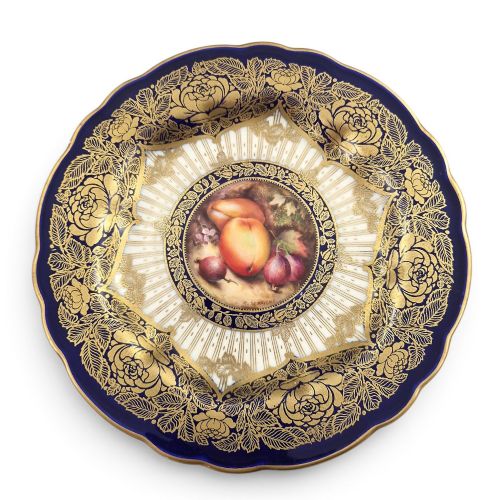
Gilt, gold leaf, and traditional gilding techniques provide the metallic borders and accents seen on Victorian, Edwardian, and later twentieth-century iterations.
Listings span the Victorian era, Edwardian period, and mid-twentieth century, featuring porcelain, bone china, enamel, and gold leaf.
Evaluating Execution
Quality rests primarily on the skill of the painter, distinguishing standard factory output from pieces executed by named artists who rendered fruit and floral studies with precise brushwork. The crispness of the gilt work and the depth of the enamel colours also separate fine decorative plates from routine service ware.
The provenance adds weight when a plate was commissioned for specific retailers, prestigious addresses, or particular service commissions rather than mass distribution.
Royal Crown Derby·Royal Worcester·Royal Doulton·Coalport·Wedgwood·Minton·Spode·Wileman Foley Shelley·Sutherland·Gladstone Potteries·Doric China
The Vintage Bone China Plate Glossary
- Cabinet plate
- A decorative plate intended for display rather than everyday dining, often featuring elaborate hand-painted scenes and rich gilding. These items were usually kept in glass-fronted furniture.
- Imari style
- A decorative scheme utilising deep cobalt blue, iron red, and gilt, inspired by Japanese export ceramics. British potteries adopted this aesthetic across numerous periods.
- Blush ivory
- A soft, creamy ceramic ground developed by Royal Worcester with a matte finish that resembles unglazed porcelain. It often serves as a backdrop for delicate floral painting.
- Comport
- A raised dish or pedestal bowl used for serving fruit or dessert as part of a formal service. They match the plates and dishes in larger dining suites.
Vintage Bone China Plate: Frequently Asked Questions
How do I identify the date of a plate?
Makers frequently applied impressed or printed factory ciphers, pattern numbers, and date codes to the underside of the ceramic.
Comparing these specific marks against established factory archives reveals the exact year of manufacture.
Can I use these plates for everyday dining?
Many of these pieces were made for regular table use, though older porcelain and delicate bone china require gentle handling.
Hand washing preserves the hand-painted enamel and gold leaf far better than mechanical dishwashers.
What is the difference between a cabinet plate and a dessert plate?
Cabinet plates generally feature intricate artist-signed artwork or elaborate gilding meant solely for visual appreciation.
Dessert plates form part of larger dining services intended for serving food at the conclusion of a meal.
Why do some plates feature artist signatures?
Renowned porcelain painters signed their individual fruit and floral compositions to denote superior studio work.
Apprentices and standard decorators left pieces unsigned or marked them only with factory pattern numbers.