
Vintage Blue Pendant
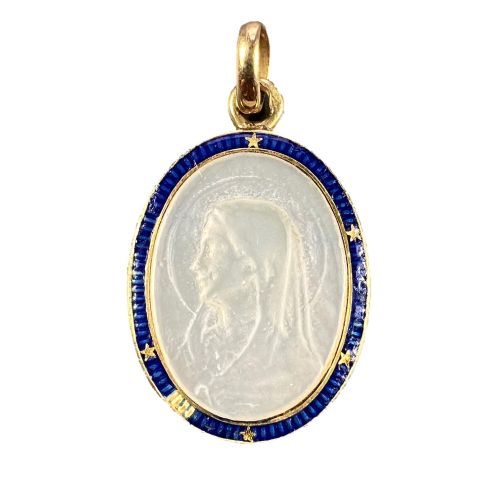
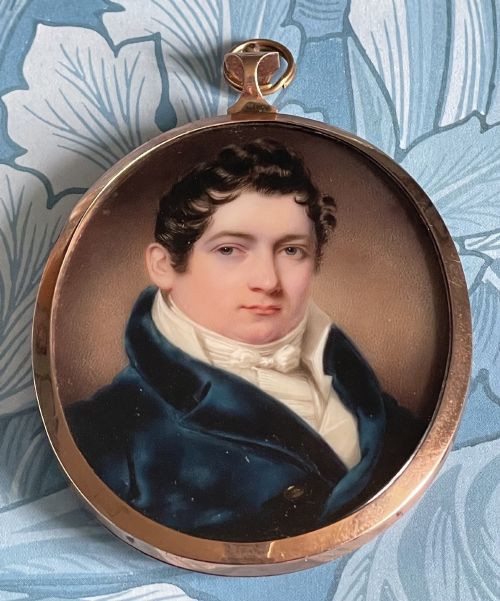
When you search for vintage blue pendant, you meet silver and gold pieces set with aquamarine, enamel, and sapphire across Edwardian, Art Deco, and Arts & Crafts styles.
Vintage Blue Pendant
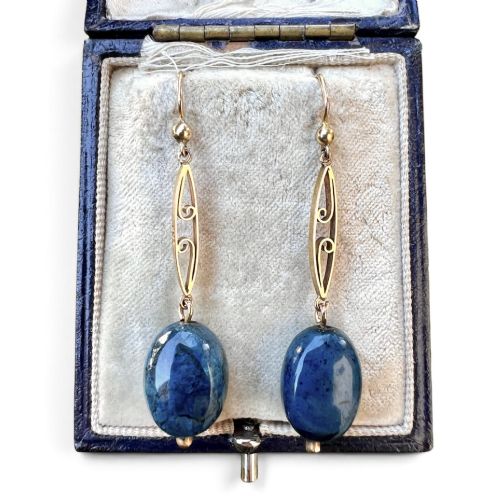
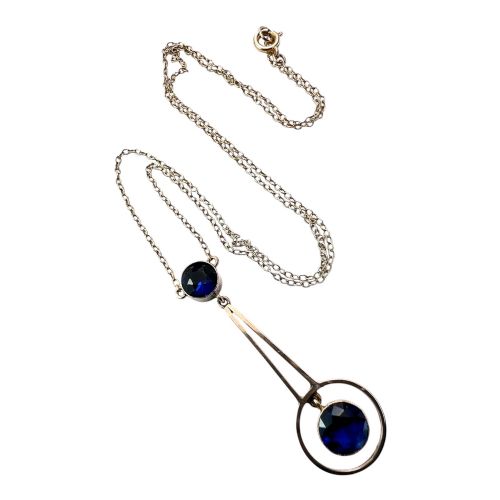
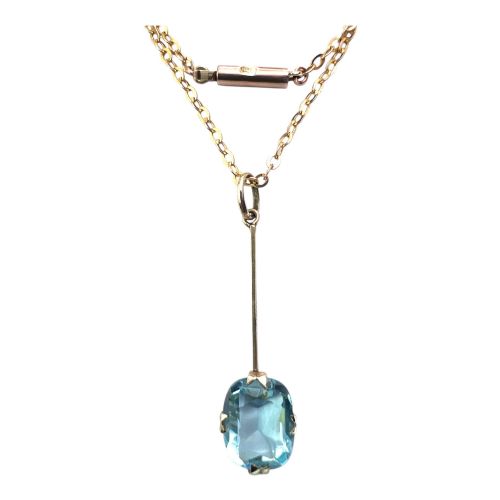
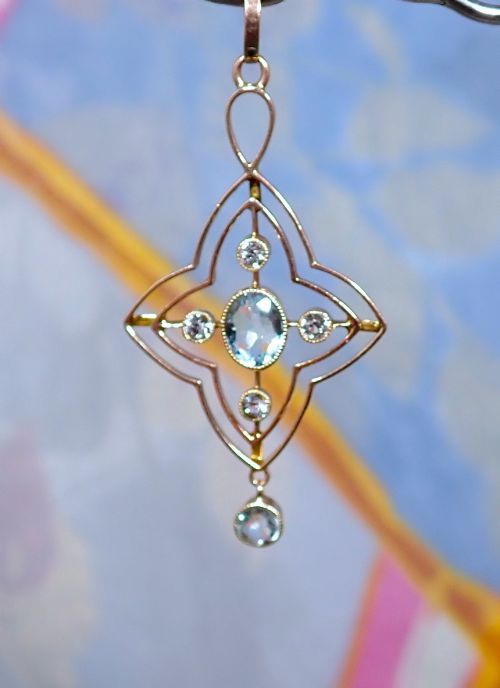
A vintage blue pendant encompasses necklaces, drop pendants, and necklets executed in gold, silver, and platinum. You encounter Edwardian drop necklaces alongside Art Deco platinum and aquamarine clusters and Arts & Crafts silver and enamel work.
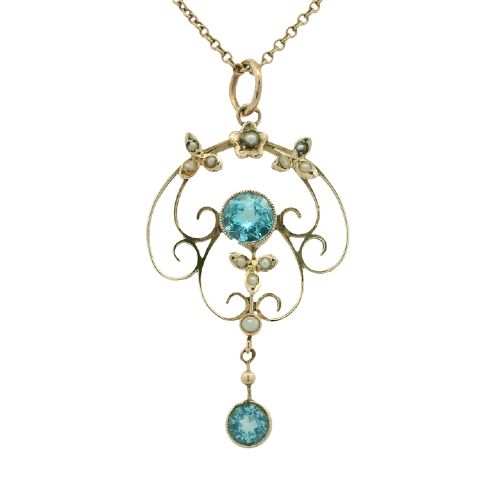
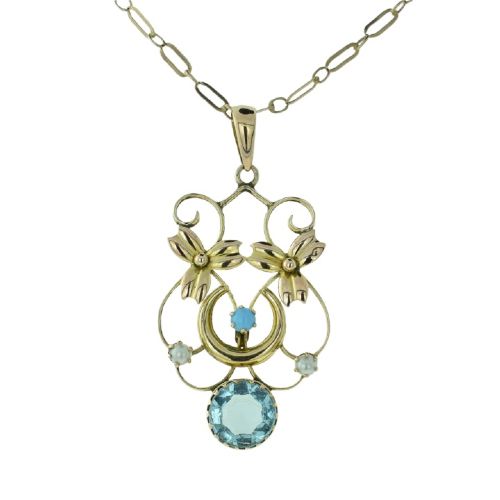
The materials span aquamarine, blue topaz, sapphire, turquoise, and guilloche enamel. These stones and metals appear across the nineteenth century, the Edwardian era, and the mid-twentieth century.
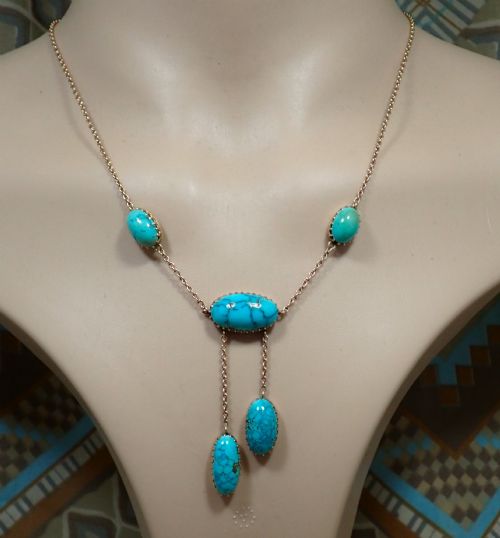
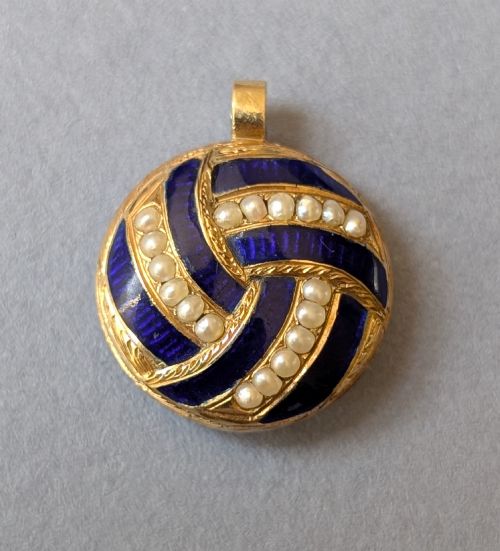
The forms range from delicate negligee necklaces to bold geometric drops and enamel lockets. Most examples rely on combinations of silver or gold paired with blue gemstones or vitreous enamel.
How they were made
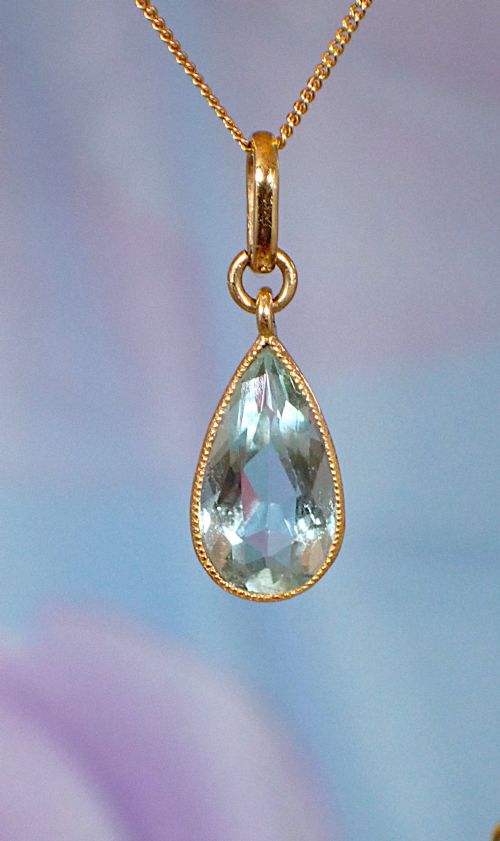
Maker workshops utilised sterling silver, 9ct gold, 18ct gold, and platinum as the structural bases for stone settings and enamel work. Stones were faceted into oval and drop cuts or left as cabochons, then secured in claw or bezel mounts.
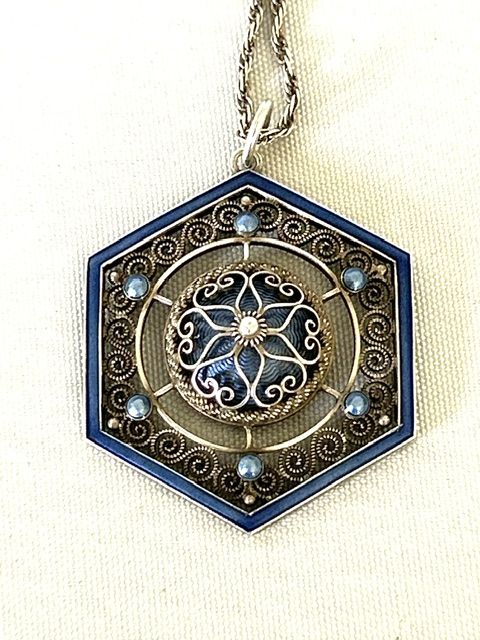
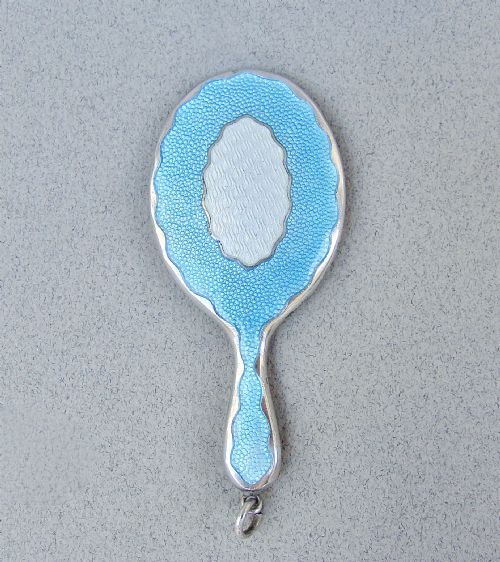
Guilloche enamel techniques involved engine-turning silver surfaces before applying translucent blue enamel layers to create patterned backgrounds. Enamelling and stone-setting were frequently combined with hand-beaten silver elements in Arts & Crafts pieces.
Listings show pieces spanning the nineteenth century, 1900, Edwardian era, 1920, 1930, 1950, and 1960.
What varies in quality
The distinction between tiers rests upon the depth of stone colour, the weight and purity of the gold or platinum, and the precision of the metalwork. Hand-executed guilloche patterns and undamaged enamel surfaces elevate a piece above standard production.
Signed items from known makers or retailers demonstrate superior craftsmanship in jointing, chain integration, and stone matching. Pieces retaining original chains and untouched stone settings command greater interest from collectors.
Marius Hammer·Henry Williamson·Henry Matthews·Mary Thew·Archibald Knox·Liberty and Co·Murrle Bennett·David Andersen·Charles Horner·R Lalique
The Vintage Blue Pendant Glossary
- Guilloche enamel
- Enamel applied over a metal surface that has been mechanically engraved with a repetitive geometric pattern. This technique allows light to reflect through the translucent coloured glass.
- Negligee necklace
- A necklace featuring two asymmetrical drops suspended from a central section or bow. This Edwardian style draws the eye down the neckline.
- Cabochon
- A gemstone shaped and polished with a smooth, rounded surface rather than faceted. This cut is typical for moonstones, opals, and certain sapphires.
- Festoon necklace
- A necklace design featuring swags or chains of drapped metal links suspended across the collarbone. Gemstones or drops often hang from the lowest points of the swags.
Vintage Blue Pendant: Frequently Asked Questions
What periods do these pendants come from?
The pieces span from the nineteenth century through the Edwardian era, Art Deco period, and into the mid-twentieth century. Each era brings distinct metal choices and design signatures.
Edwardian items favour lighter gold mounts and aquamarines, while Art Deco pieces utilise platinum and geometric layouts with vibrant blue glass or stones.
Are original chains usually included?
Some pendants retain their period-matched chains in silver or gold, while others appear as standalone pieces. When a chain matches the construction and metal purity of the pendant, it is often original.
Many collectors seek out complete sets where the chain and pendant share the same workshop hallmarks.
What blue stones are most common?
Aquamarine and sapphire appear frequently, alongside blue topaz, turquoise, and blue enamel. Aquamarines offer pale icy tones, whereas sapphires provide deeper cornflower or royal blue hues.
Enamel and glass provide vibrant saturated blues that differ entirely from natural mineral stones.