


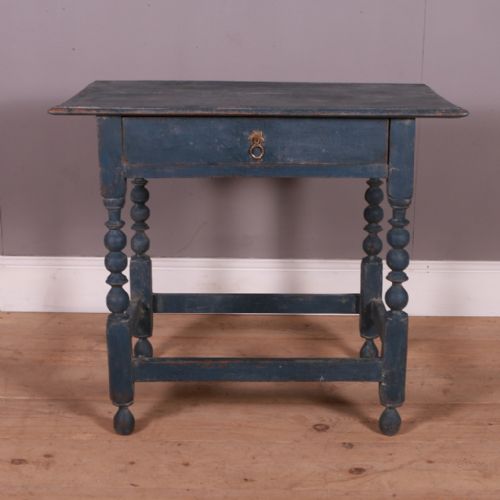


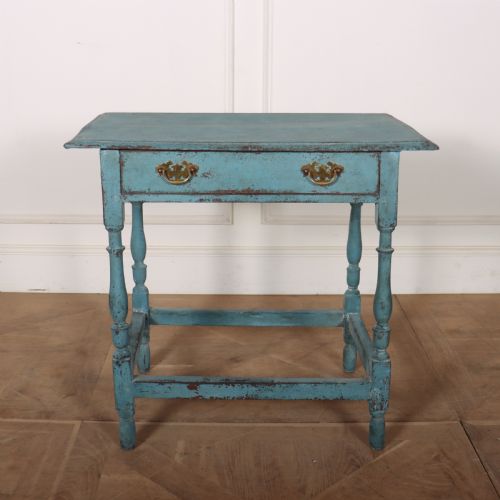

Vintage Blue Occasional Table
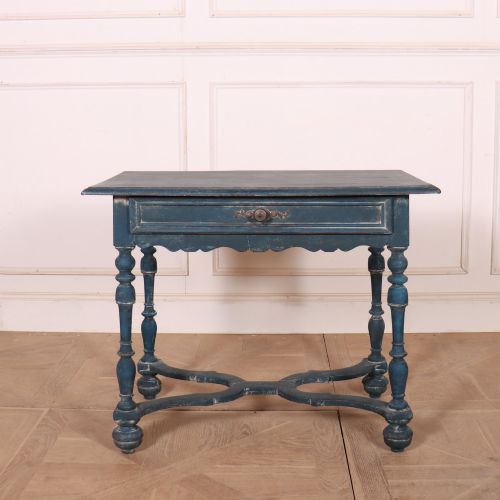
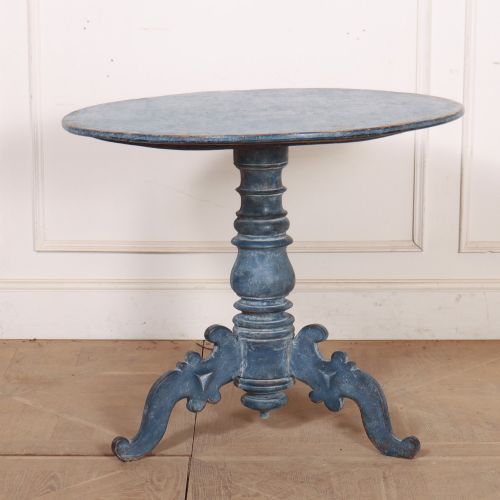
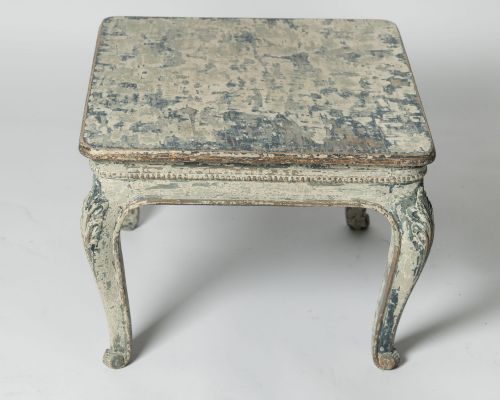
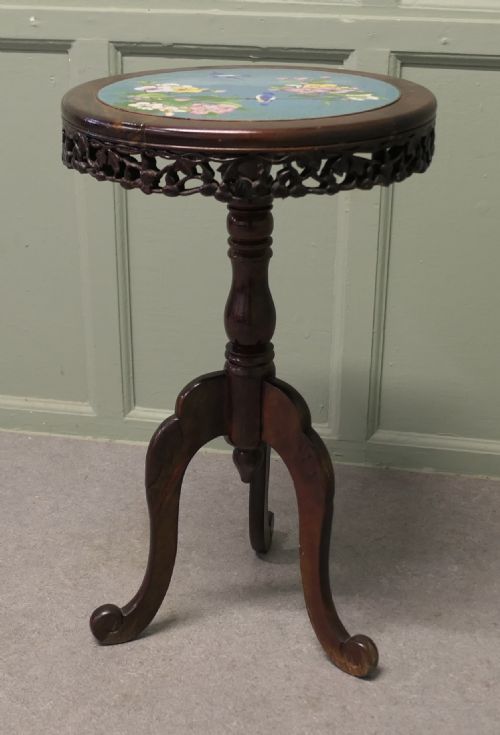
These vintage blue occasional table pieces bring painted country timber and delicate Chinoiserie directly to a corner that needs some character.
Vintage Blue Occasional Table
A vintage blue occasional table covers a remarkably wide geographical spread of painted country furniture, stretching from English and French provincial workshops up to Swedish and Scandinavian estates. Buyers hunting for this specific look usually encounter small lamp tables, side tables, and wine tables finished in various tones of blue paint.
The periods represented span from the eighteenth century through the nineteenth century and into the early twentieth century. Georgian and Regency country pieces sit alongside Gustavian and French chateau styles, offering everything from simple pine trestle forms to ornate Chinoiserie cloisonné surfaces.
Most examples rely on painted wood or hardwood surfaces rather than dark polished timber. Buyers will find side tables and lamp tables designed for daily utility, often displaying the characteristic wear of European country houses.
How they were made
Construction relies heavily on pine, timber, and assorted hardwoods shaped into functional side and lamp tables. Carpenters utilised traditional joinery suited to regional country workshops, building sturdy frames to support daily use.
Surface decoration defines the group, with layers of paint applied over wood. More elaborate examples incorporate specialist techniques like cloisonné enamel, while others feature intricate Chinoiserie motifs depicting birds and flowers.
Vintage Blue Occasional Table Retail Price Guide 2026
Typical asking prices for vintage blue occasional table among the pieces listed under this phrase on Sellingantiques today, from the lower quarter to the upper quarter. They describe what is for sale here now, not the wider market.
Several tables feature birds and flowers painted so attentively they manage to outlast the empire that commissioned them.
What varies in quality
The depth and nuance of the painted finish set ordinary pieces apart from exceptional ones. Original paint surfaces showing authentic craquelure and weathering carry more visual weight than flat, uniform modern resprays.
Hand-painted decorative details, such as the precision of Chinoiserie bird and flower motifs or the crispness of brass and marble integration, dictate the standing of an individual table within the broader range.
Gillows
The Vintage Blue Occasional Table Glossary
- Occasional table
- A small, movable table designed for a specific, intermittent function in a room, such as holding a lamp or a glass. These pieces are easily shifted around a seating area as needed.
- Chinoiserie
- European artistic style reflecting Chinese motifs and techniques, popular in furniture decoration. Artisans applied these whimsical designs to painted wood surfaces.
- Cloisonné enamel
- Decorative metalwork technique where enamel is fused within wire compartments on a surface. This adds intricate colour and pattern to occasional wine tables.
- Gustavian
- Swedish neoclassical style characterised by restrained ornamentation and pale painted finishes. It provides much of the lighter aesthetic seen in Scandinavian country tables.
Vintage Blue Occasional Table: Frequently Asked Questions
What is an occasional table used for?
An occasional table serves a flexible purpose in a room, traditionally holding items like lamps, books, or drinks near seating areas.
Because they are lightweight and compact, owners can easily move them wherever extra surface space is needed.
How do I identify a painted Swedish table?
Swedish tables from the eighteenth and nineteenth centuries typically display lighter paint palettes, often in soft blues, influenced by Gustavian and Scandinavian country design.
They favour functional construction in pine and hardwood, balancing simplicity with subtle decorative mouldings.
What distinguishes Chinoiserie decoration?
Chinoiserie involves European interpretations of traditional Chinese art, frequently featuring motifs of birds, flowers, and landscapes.
On these tables, the artwork is hand-painted onto the surface, sometimes paired with enamel or intricate framing.
Are these tables suitable for daily use?
Most of these tables were originally built for practical household tasks in English, French, and Scandinavian homes.
While antique painted surfaces benefit from gentle care and coasters, their underlying timber construction remains robust enough for modern living.