








Vintage Blue Ceramics
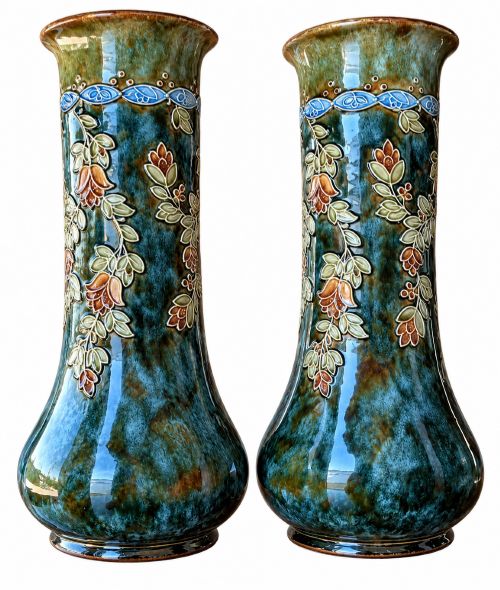
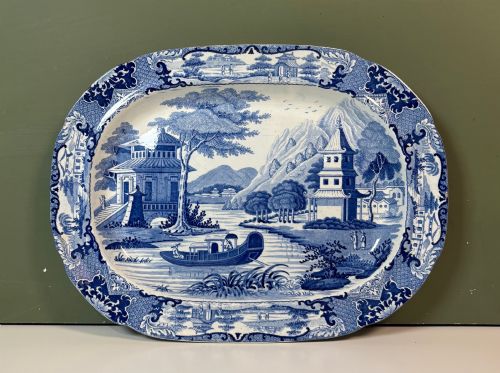
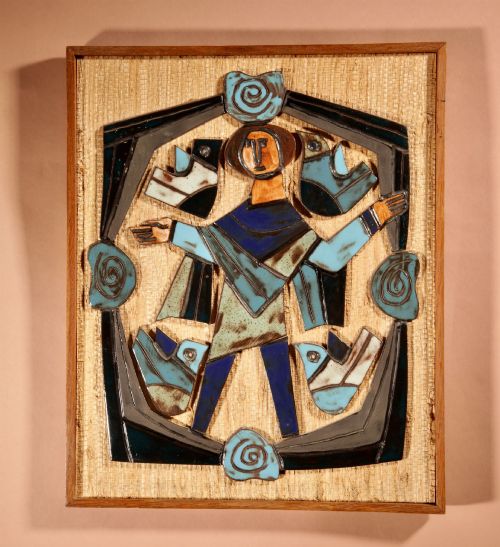
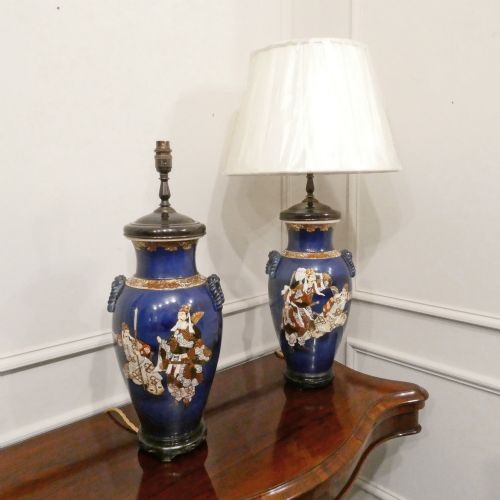
Vintage blue ceramics encompass a broad spectrum of glazed vessels, decorative plates, and table lamps spanning the nineteenth and early twentieth centuries.
Vintage Blue Ceramics
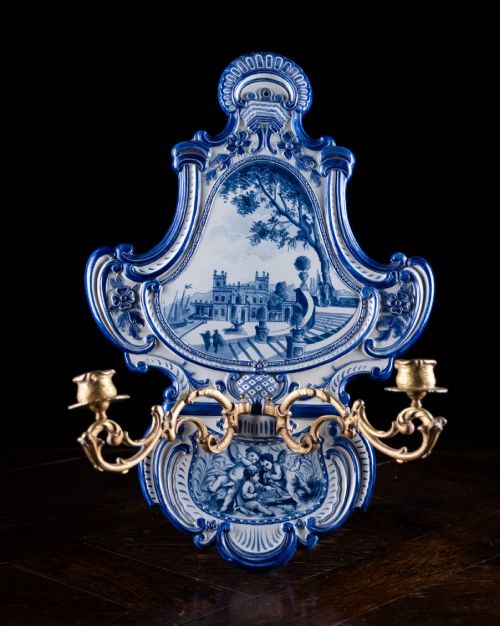
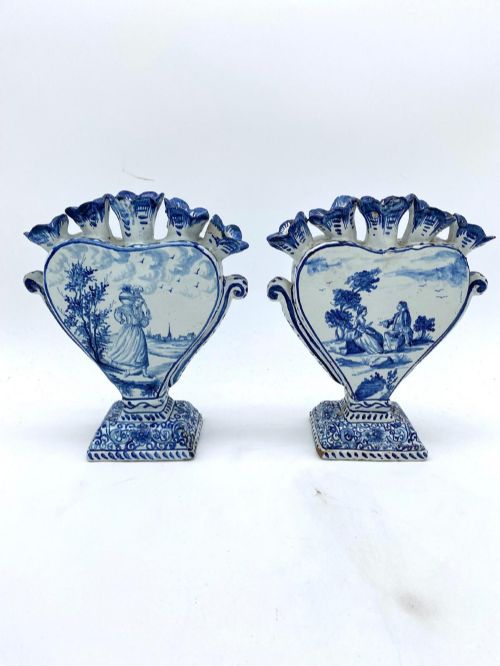
When you search for vintage blue ceramics, you encounter an array of functional and decorative items ranging from nineteenth-century Dutch Delft chargers to early twentieth-century Japanese Imari porcelain dishes and English earthenware jugs.
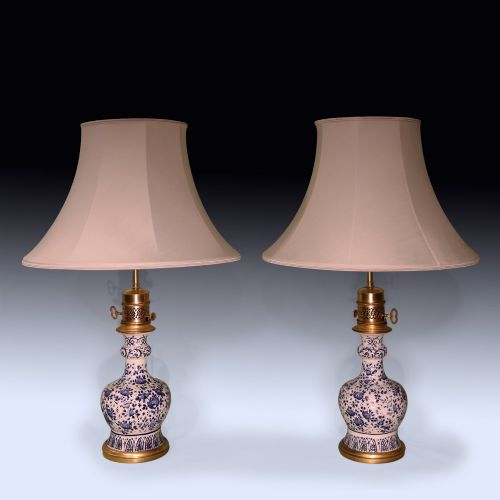
The objects on this page take many forms, including cabinet plates, table lamps, candlesticks, wash basin bowls, and sizeable footbaths.
Most pieces date from the Victorian era through the early nineteen-hundreds, representing various British potteries, European factories, and Asian export wares.
How They Were Made
Makers utilised ceramic, earthenware, porcelain, and stoneware as bodies for these items, applying cobalt glaze or transferware printing techniques to achieve the characteristic blue coloration.
Some pieces incorporate added decorative elements such as gold leaf, enamel, brass mounts, or silver-plated trim to complement the ceramic body.
Vintage Blue Ceramics Retail Price Guide 2026
Typical asking prices for vintage blue ceramics among the pieces listed under this phrase on Sellingantiques today, from the lower quarter to the upper quarter. They describe what is for sale here now, not the wider market.
Listings feature items from the seventeenth century through the twentieth century, employing porcelain, earthenware, stoneware, and enamel.
What Varies in Quality
The standard of painting and transfer printing distinguishes everyday wares from exceptional works, with finely detailed cobalt patterns and hand-applied enamel demonstrating superior craftsmanship.
The weight and refinement of the porcelain or ironstone body, alongside the crispness of moulded details on items like vases and jugs, indicate the skill of the original pottery.
Royal Doulton·Burmantofts Faience·Mason s Ironstone·Spode Porcelain·Moorcroft·Royal Crown Derby·William Smith and Co·Villeroy and Boch·Minton·Coalport
The Vintage Blue Ceramics Glossary
- Transferware
- A pottery technique where a design is printed from an engraved copper plate onto tissue paper and then transferred onto the unglazed or bisque ceramic surface before firing.
- Ironstone
- A type of durable earthenware patented in the early nineteenth century that bridges the gap between everyday pottery and fine porcelain.
- Imari
- A style of Japanese porcelain decorated in underglaze blue and overglaze red, gold, and other colours, widely exported to Europe.
- Delft
- Tin-glazed earthenware originating from the Netherlands, known for its distinctive blue and white palette imitating Chinese porcelain.
- Charger
- A large ornamental plate intended for display on a wall or dresser rather than for dining use.
Vintage Blue Ceramics: Frequently Asked Questions
How do I identify a transferware plate?
Examine the blue pattern under a magnifying glass to look for fine stippling or unbroken printed lines characteristic of engraved copper plate transfer.
Check the reverse of the ceramic for maker marks, registry diamonds, or pattern names stamped into or painted onto the paste.
Were nineteenth-century blue ceramics used daily?
Many items like wash basin bowls, footbaths, and jugs served practical household functions in nineteenth-century domestic routines.
Other forms such as decorative chargers, cabinet plates, and Imari dishes were primarily intended for display in reception rooms.
What is the difference between porcelain and ironstone?
Porcelain is a hard, vitrified ceramic made from kaolin that rings when struck and often shows translucency when held to the light.
Ironstone is a heavy, opaque earthenware developed for strength and mass production while maintaining a refined glazed surface.
How should I display a large Delft charger?
Large chargers require sturdy wall hangers specifically designed for heavy ceramic plates or dedicated plate stands with secure depth.
Position them away from direct sunlight and high traffic areas to protect the tin glaze and painted cobalt decoration.