





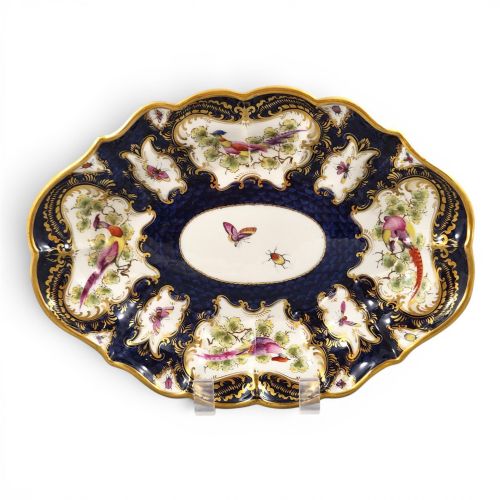
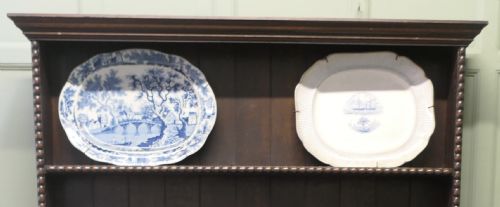


Vintage Blue and White China
These vintage blue and white china pieces span centuries of ceramic artistry, offering functional elegance and enduring display appeal for the discerning interior.
Vintage Blue and White China
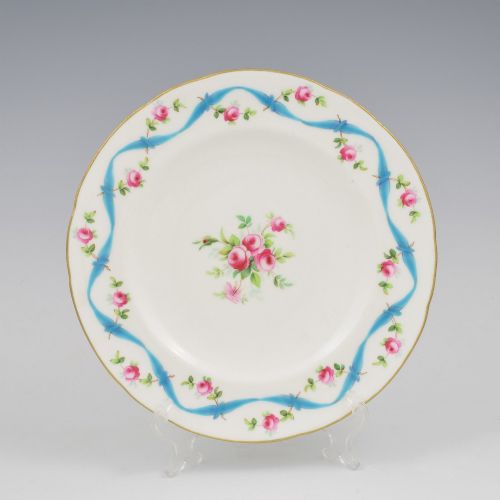
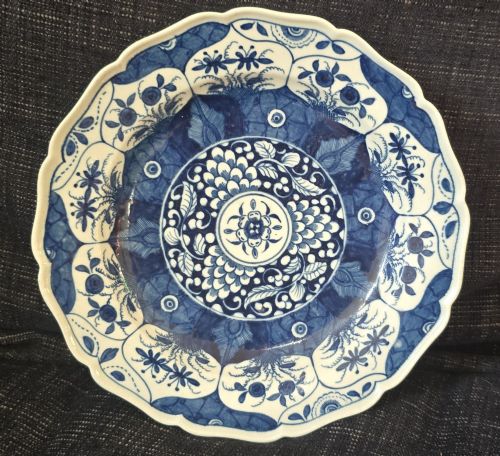
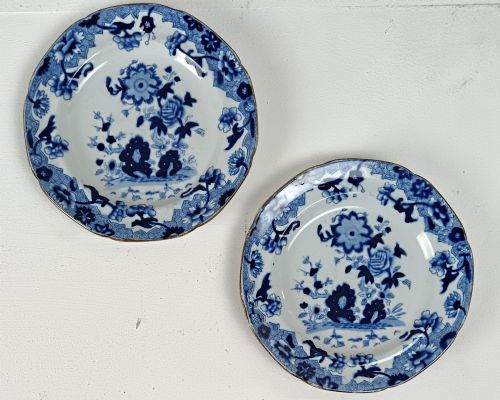
Vintage blue and white china encompasses a diverse array of domestic and decorative objects originating from Georgian, Victorian, and Edwardian periods.
Buyers commonly encounter utilitarian serving platters, decorative plates, sauceboats, and complete tea sets alongside distinctive figures and bowls.
Materials and technique
Makers utilised earthenware, ironstone, and porcelain as the primary ceramic bodies, applying cobalt oxide decoration beneath a glossy protective glaze.
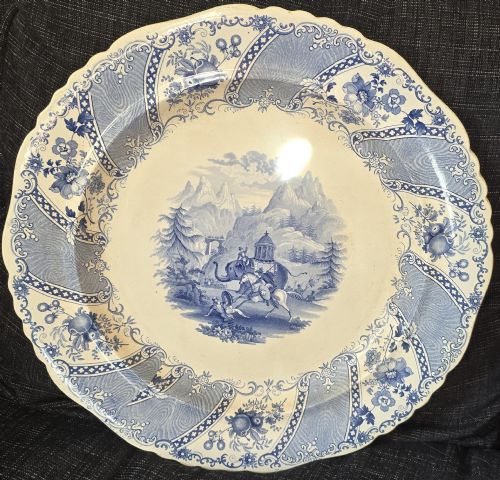
Transfer printing allowed intricate pictorial patterns like landscapes and floral motifs to be applied mechanically to the clay surface before high-temperature firing.
Vintage Blue and White China Retail Price Guide 2026
Typical asking prices for vintage blue and white china among the pieces listed under this phrase on Sellingantiques today, from the lower quarter to the upper quarter. They describe what is for sale here now, not the wider market.
Cows made of pottery and lace-adorned figures sitting by pianos prove that historical potters enjoyed sculpting whimsical domestic scenes just as much as practical plates.
Standards of craftsmanship
Quality rests in the crispness of the cobalt transfer print and the clarity of the underlying white glaze, free from heavy kiln blemishes.
Superior pieces exhibit refined potting techniques with delicate throwing lines or precise moulding, maintaining structural integrity across centuries.
William Smith And Co·Royal Worcester·Masons Ironstone·Mintons·Coalport
The Vintage Blue and White China Glossary
- Ironstone
- A durable semi-vitreous pottery developed in the nineteenth century to withstand heavy daily use. It provides a robust body for large meat platters and jugs.
- Transferware
- Ceramic decoration applied by pressing a printed paper design from an engraved copper plate onto the bisque body. This technique revolutionised mass production.
- Soft-Paste Porcelain
- An artificial porcelain mixture containing glass and clay, fired at lower temperatures than true hard-paste porcelain. It yields a warm, creamy body.
- Sauceboat
- A small jug with a spout and handle designed for serving gravies or sauces at the dining table. They frequently match larger dinner services.
Vintage Blue and White China: Frequently Asked Questions
How do I clean vintage blue and white china?
Wash pieces gently by hand using warm water and a mild detergent. Avoid harsh abrasive sponges or dishwashers to protect the historic glaze and delicate painted details.
Dry each item thoroughly with a soft cloth before returning it to display cabinets or shelving to prevent moisture retention in older ceramic bodies.
Can I use these antique plates for serving food?
Many sturdy ironstone and earthenware plates remain suitable for serving dry foods or occasional dining. Consider the age and existing glaze condition of delicate porcelain items before culinary use.
Historic glazes from earlier centuries may contain trace elements, so many collectors prefer using these pieces primarily for decorative display.
How do I identify the date of my blue and white china?
Examine the base for impressed maker marks, registration diamonds, or pattern names. These stamped details often correlate directly with nineteenth-century registry office archives.
Style characteristics such as transfer print subjects and ceramic body weights also help narrow down the manufacturing decade alongside known potter active dates.
Why do some blue and white patterns look blurred?
Early transfer printing techniques occasionally allowed the cobalt ink to bleed slightly beneath the liquid glaze during high-temperature kiln firing. This natural chemical reaction creates a soft, feathered appearance rather than a sharp modern line.
Collectors often appreciate these minor irregularities as authentic evidence of early nineteenth-century manufacturing methods.