


Vintage Black and White Print
A vintage black and white print delivers stark contrast and fine tonal depth, ranging from delicate early engravings to bold twentieth-century photographs.
Vintage Black and White Print
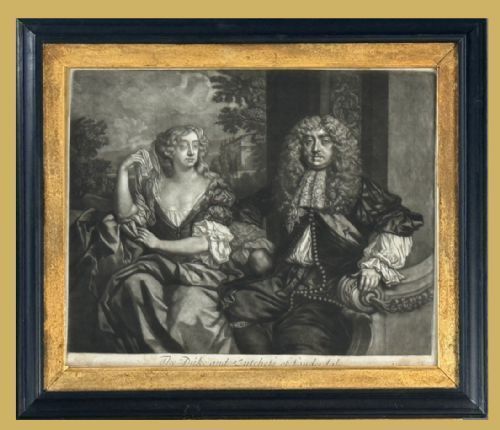
A vintage black and white print encompasses various monochrome works on paper, spanning centuries of graphic production from detailed eighteenth-century mezzotints to mid-century photographs. Buyers examine diverse formats including framed etchings, copper engravings, lithographs and archival photographic plates.
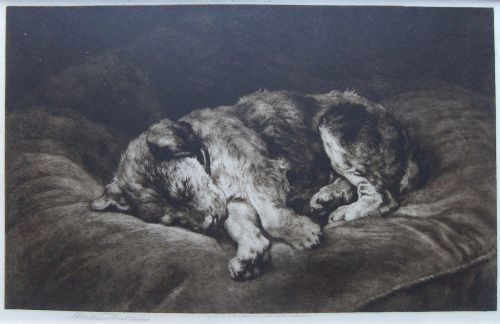
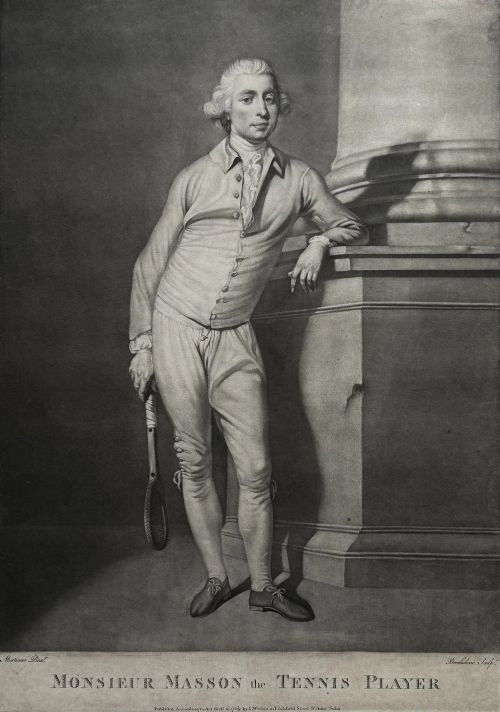
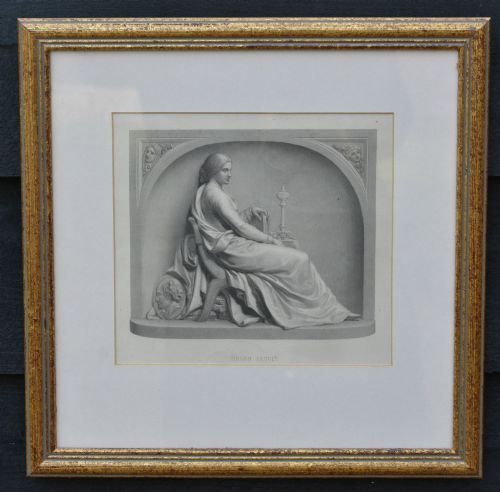
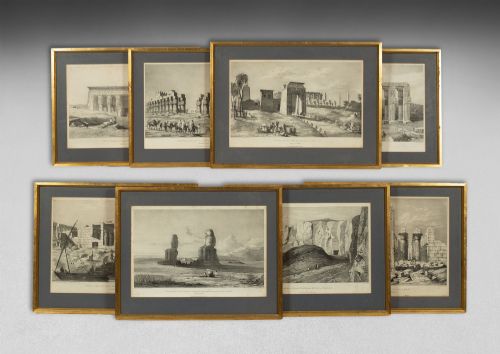
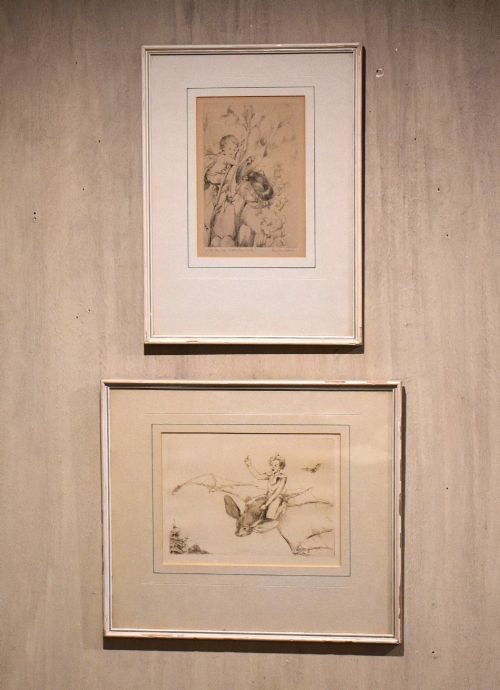
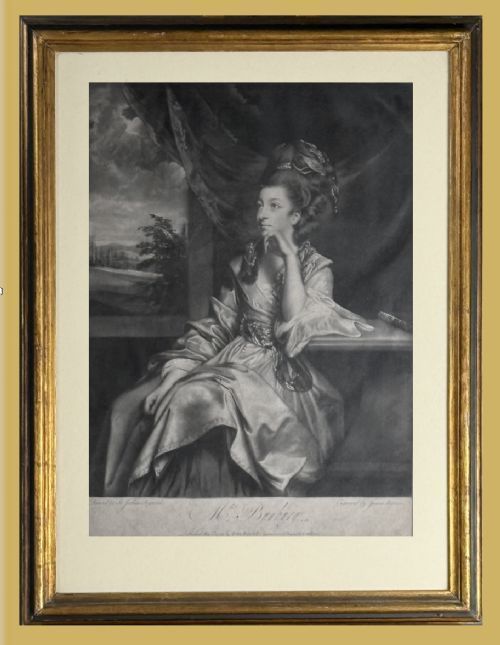
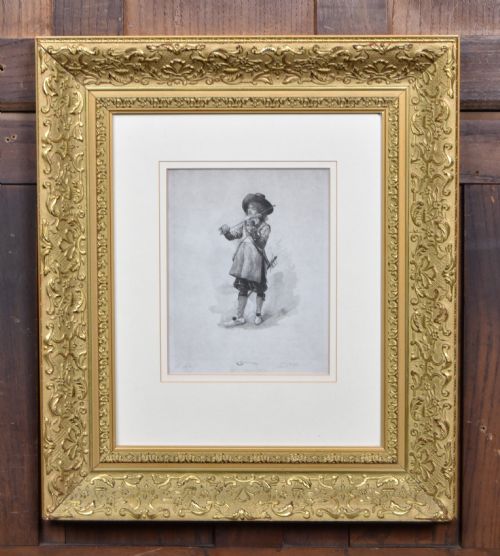
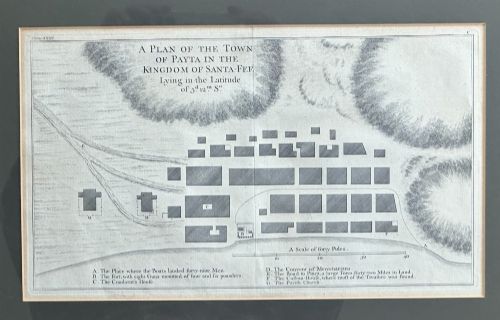
The selections here lean heavily toward early twentieth-century etchings and Victorian photography, alongside eighteenth-century portraiture and maps. Pieces often arrive framed in wood or gilt, ready for wall display.
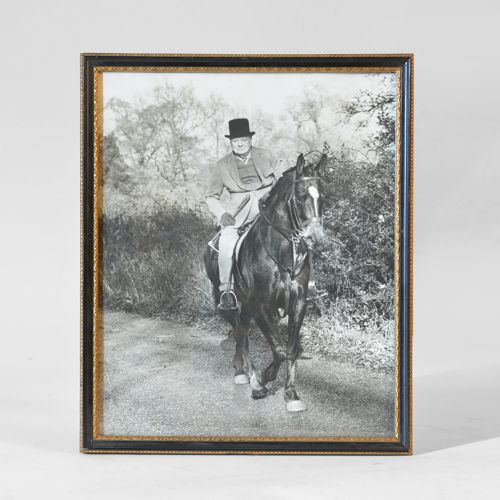
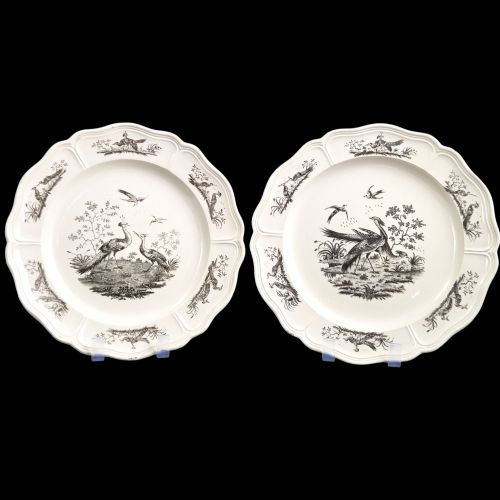
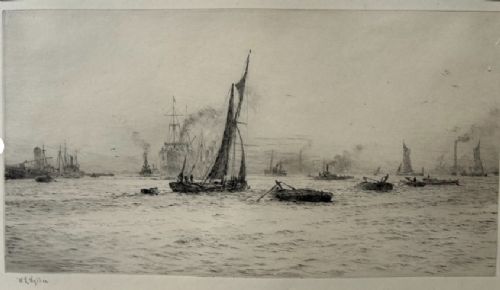
Subjects range widely across maritime scenes, portraiture, architectural views of London, botanical studies and animal subjects. Each item preserves a monochrome record of its period, utilising ink on paper, vellum or cardboard.
Materials and production methods
Makers utilised traditional printing surfaces such as paper and vellum, applying dark inks through manual etching, engraving or mezzotint processes. Etchers bit lines into metal plates with acid, while engravers cut directly into copper.
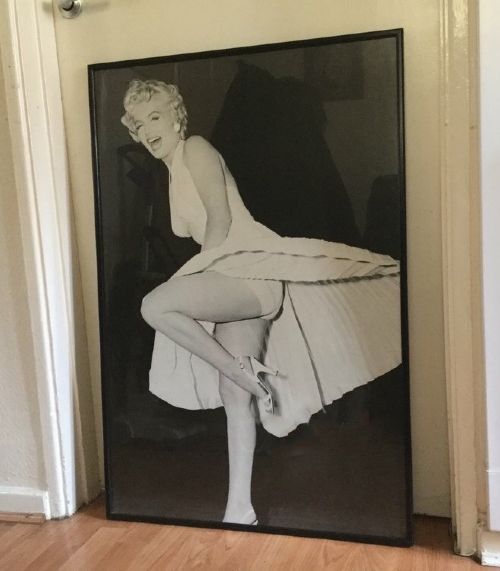
Later twentieth-century examples incorporate photographic emulsion on cardboard or photographic paper, often mounted under glass within oak or gilt wood frames.
Hand-signed artist proofs from the early twentieth century demonstrate meticulous plate preparation, whilst nineteenth-century mechanical engravings achieve fine tonal graduation through dense networks of crossed lines.
Vintage Black and White Print Retail Price Guide 2026
Typical asking prices for vintage black and white print among the pieces listed under this phrase on Sellingantiques today, from the lower quarter to the upper quarter. They describe what is for sale here now, not the wider market.
Listings incorporate paper, glass, oak, and gilt wood across multiple centuries of monochrome artistry.
Evaluating the pieces
Quality rests primarily upon the clarity of the impression and the crispness of the ink upon the paper. Early pulls from a copper plate display sharp details that soften in later impressions.
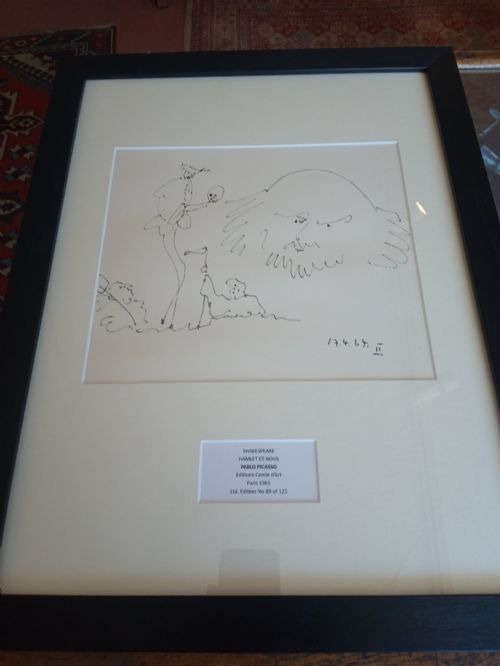
The presence of a pencil signature by the artist, particularly on early twentieth-century etchings, elevates a piece significantly above unsigned open editions. Margins, paper stability and the absence of heavy foxing also dictate the desirability of paper items.
The framing materials, whether original oak or period gilt wood, contribute to the overall integrity and presentation of the artwork.
Herbert Dicksee·Pablo Picasso·William Hogarth·John Smith·Julian Mandel
The Vintage Black and White Print Glossary
- Mezzotint
- A printmaking process where the copper plate is roughened uniformly to produce rich dark tones and subtle gradations of light. This technique allows for velvety backgrounds and smooth skin textures in portraits.
- Etching
- A method where lines are bitten into a metal plate using acid before being inked and pressed onto paper. Artists manipulate the acid exposure times to vary the depth and darkness of the resulting lines.
- Drypoint
- An intaglio technique where the artist scratches directly into the metal plate with a sharp needle, creating a raised burr that holds ink. This produces a soft, velvety line unique to the method.
- Artist proof
- An early impression printed for the creator to check the state of the plate before the main edition is run. These are frequently signed by hand and prized by collectors.
- Engraving
- A process of cutting designs directly into a hard plate using a burin tool without the use of acid. The resulting lines are exceptionally crisp and precise.
Vintage Black and White Print: Frequently Asked Questions
How do I care for these prints?
Keep monochrome paper works away from direct sunlight to prevent the ink from fading and the paper from yellowing over time. Maintaining stable indoor humidity prevents warping and protects the underlying fibres.
Ensure pieces under glass are sealed properly at the back to deter dust and moisture accumulation. Professional framing using acid-free mounts preserves the long-term condition of vintage paper.
Are these works original or reproductions?
The listings comprise original period printmaking and photography rather than modern mass-produced facsimiles. Techniques like etching, engraving and vintage photographic printing produce authentic period artefacts.
Signatures, plate marks and paper characteristics help confirm the period and authenticity of each individual work. Close inspection reveals the characteristic indentation of the plate upon the paper surface.
How can I tell an etching from an engraving?
Etchings display smooth, slightly rounded line edges because acid creates the grooves in the metal plate. This technique allows for free-flowing, painterly marks.
Engravings feature sharp, clean-cut lines with tapering ends where the burin leaves the metal. The precision of the cuts yields a more rigid and geometric appearance.
Where should I hang a monochrome piece?
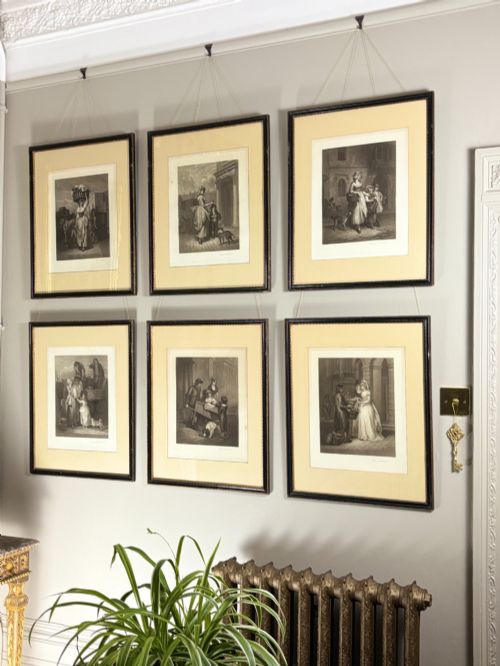
Monochrome works suit minimalist spaces where their tonal contrast provides a striking focal point against neutral walls. Grouping pieces with similar dark frames creates a cohesive gallery display.
Avoid placing them in rooms with high moisture levels, such as unventilated bathrooms, to safeguard the vintage paper and cardboard components.