


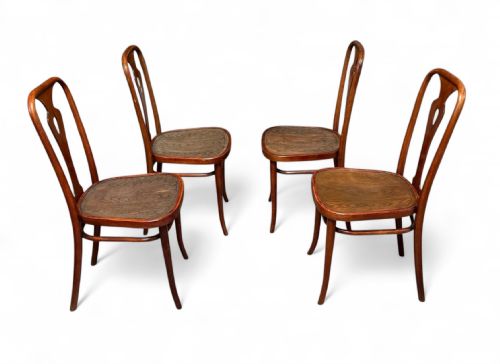


Vintage Bentwood Dining Chair
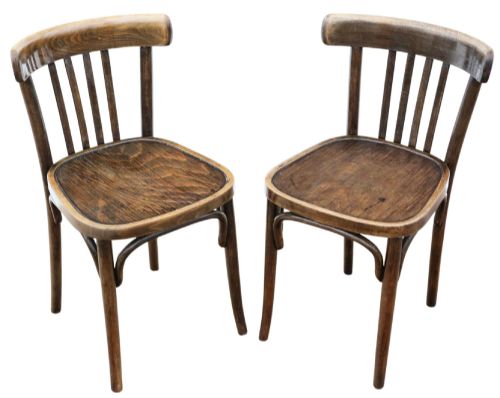
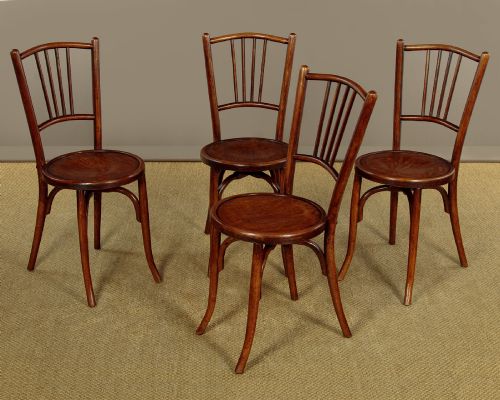
A vintage bentwood dining chair brings lightness and enduring strength to a room, offering the unmistakable curvature born from steam-bent timber.
Vintage Bentwood Dining Chair
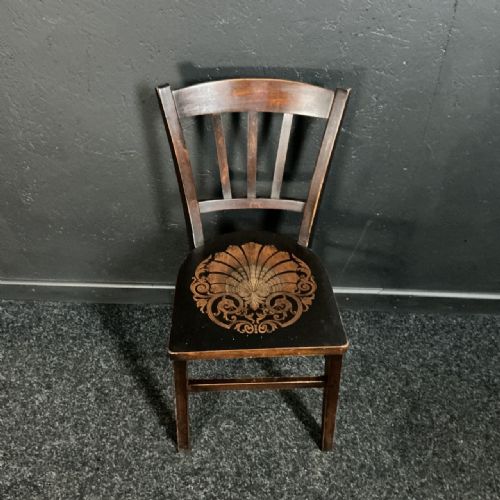
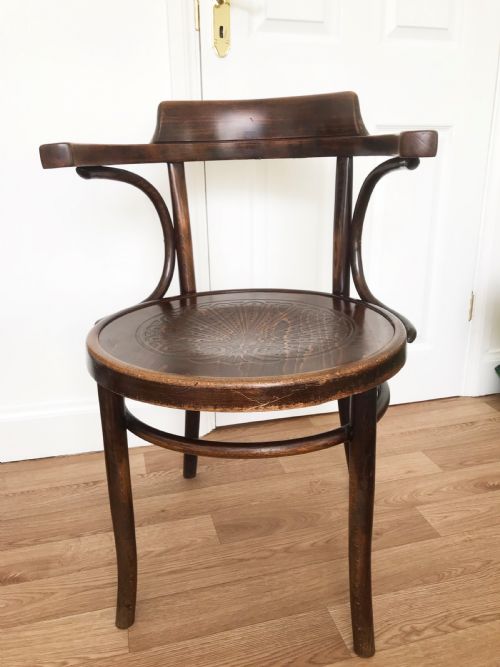
When searching for a vintage bentwood dining chair, you encounter a distinct lineage of seating that spans from late Victorian origins through the Edwardian era and into mid-century variations. These pieces encompass standard dining chairs, carvers, and bistro seating, often appearing as matched sets or single statement items.
The versions most frequently met on this page date from around nineteen hundred to the nineteen thirties, alongside distinct mid-century interpretations. Their forms balance utilitarian café origins with sophisticated decorative curves, reflecting both Austrian design and English country vernacular traditions.
Makers such as Thonet, J and J Kohn, and Codina dominate the historical landscape of these pieces, alongside later production from Yugoslavia. Whether configured as a simple bistro chair or a grotto style carver, each example relies on steam manipulation to achieve its characteristic silhouette.
Construction and materials
Construction relies upon solid hardwoods, predominantly beech and beechwood, which respond exceptionally well to steam-bending techniques. Craftsmen also employed ash, elm, and plywood for seats and structural reinforcement, utilising stained wood finishes to enhance the grain.
The process involves treating timber with steam until pliable, then locking the wood into iron straps and bending it around metal forms to dry. This method eliminates the need for heavy joinery, producing a frame that is remarkably light yet structurally robust.
Several chairs on this page previously served patrons at the bustling Cafe Royal in London.
Assessing craftsmanship and condition
Quality in these chairs rests upon the tightness of the curves and the crispness of any pressed seat patterns. Superior examples display smooth, continuous bends without grain splitting or excessive filling at stress points.
The integrity of the original joins and the weight of the timber further separate standard production from exceptional pieces. Sets that retain their original maker stamps or labels command particular attention from collectors who value documented provenance.
Thonet·J and J Kohn·Codina·Mundus Kohn·Fred Walker Rockley
The Vintage Bentwood Dining Chair Glossary
- Bentwood
- Wood shaped by exposure to steam and pressure into curved structural components. This technique allows for continuous, flowing frames without traditional mortise and tenon joints.
- Carver
- An armchair featuring integrated armrests designed to sit at the head of a dining table. These pieces often mirror the aesthetic of the smaller side chairs in a matched set.
- Bistro chair
- A lightweight, accessible seating design originally created for European cafes and public houses. Their durable construction made them ideal for high-traffic hospitality environments.
- Vernacular
- Objects designed and built to local traditions and practical needs rather than formal academic styles. English country examples often reflect this regional approach to furniture making.
Vintage Bentwood Dining Chair: Frequently Asked Questions
How do I clean my vintage bentwood dining chair?
Maintain the surface by dusting regularly with a dry cloth and occasionally applying a mild beeswax polish to nourish the stained wood.
Avoid excessive moisture and direct heat sources, which can compromise the tension of the bentwood frame and weaken historical glue joints.
Are these chairs suitable for daily use?
Most examples are surprisingly robust and designed originally for the rigorous demands of bustling cafes and domestic dining rooms.
Inspect the structural stability of the legs and seat fixings periodically to ensure safe seating for everyday family life.
How can I tell the period of my chair?
Examine the construction methods, screw types, and any maker stamps or paper labels hidden beneath the seat rails.
Early twentieth-century pieces often feature simpler pressed plywood seats, whereas late nineteenth-century versions may display more intricate hand-caning or embossed ornamentation.
What is the difference between a side chair and a carver?
Side chairs are armless and compact, designed to tuck neatly beneath standard dining tables in sets of four, six, or more.
Carvers include supportive armrests, making them slightly wider and generally intended for the ends of the dining arrangement.