





Vintage Bench Pair
A vintage bench pair brings matching symmetry and practical seating to a hallway, garden or conservatory.
Vintage Bench Pair
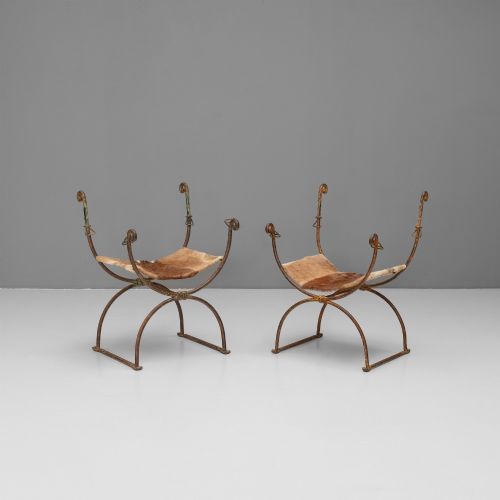
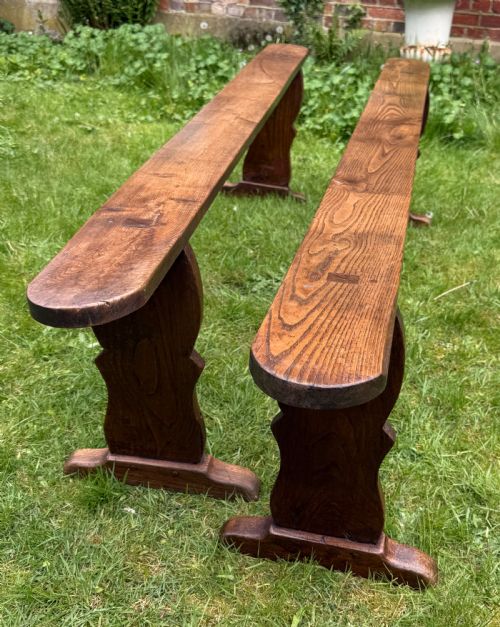
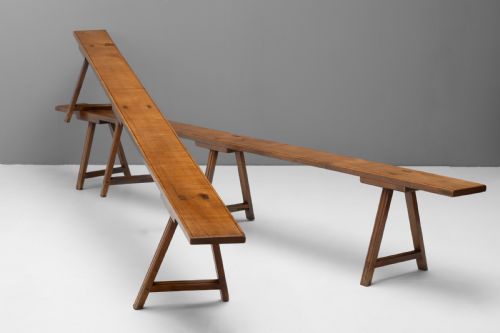
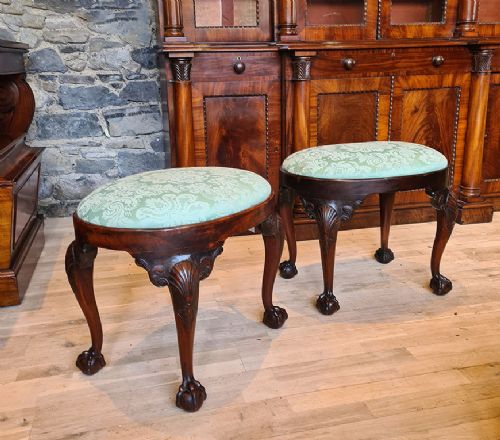
A vintage bench pair consists of two matching seats designed for shared placement in gardens, dining rooms, hallways or conservatories. These dual seat configurations appear across various periods from the nineteenth century into the twentieth century, reflecting both indoor domestic use and outdoor garden settings.
The selections available include French country and rustic farmhouse forms alongside heavy cast iron garden seats and school benches. Buyers frequently encounter timber constructions in pine, oak, walnut and cherry alongside metal garden frameworks.
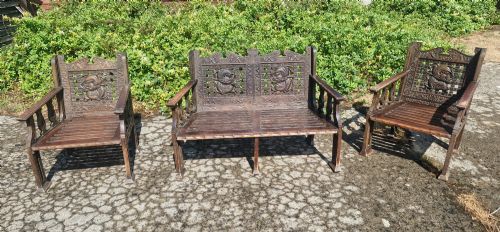
Makers and foundries from different eras produced these matching items to furnish large estates, country houses and institutions. The forms range from simple planked school benches to carved walnut hall seats and conservatory suites.
Materials and construction methods
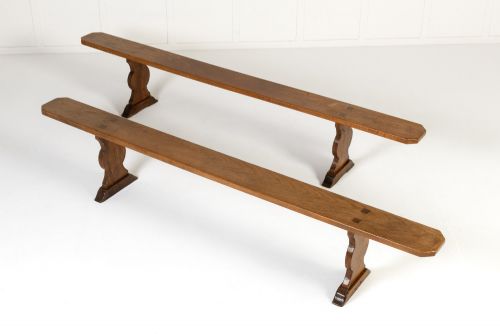
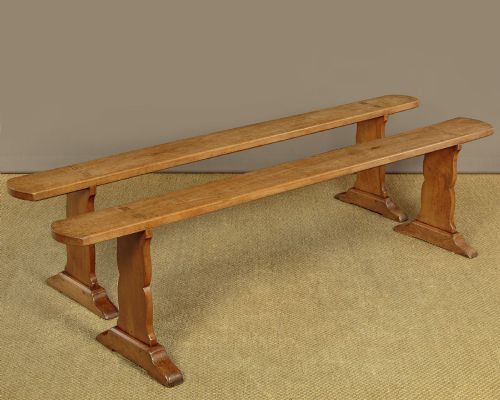
Construction relies heavily on durable timbers such as oak, pine, walnut, cherry and pitch pine, often joined for heavy domestic or institutional use. Carpenters utilised traditional joinery methods including mortise and tenon joints to ensure stability over decades of sitting.
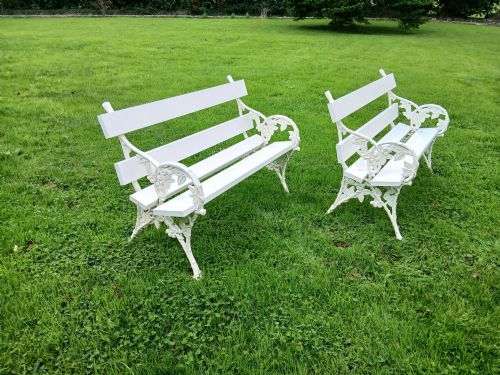
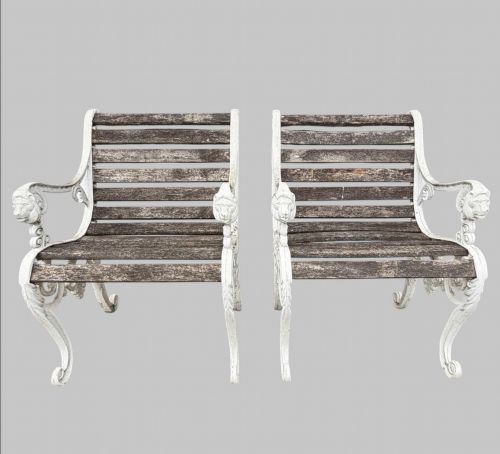
Outdoor examples combine cast iron or wrought iron frameworks with timber slats, utilising moulded metal ends shaped into floral or figural patterns. Foundries cast molten iron into intricate botanical or heraldic designs for garden seats, bolting them directly to wooden laths.
Listings feature robust nineteenth century cast iron garden ends alongside French cherrywood, oak and pitch pine dining benches.
Assessing quality in matching seats
Quality rests upon the crispness of the casting detail in metal garden ends and the depth of hand-carving on wooden frames. Finer examples display sharp relief work on cast iron foliage or precise joinery in hardwoods like walnut and cherry.
Proportion and matching symmetry dictate the desirability of a set, as pairs must coordinate closely in timber grain, height and patination. Original surfaces, whether weathered garden paint or polished interior wood, hold greater appeal than stripped or heavily restored alternatives.
Falkirk Carron Foundry·Coalbrookdale
The Vintage Bench Pair Glossary
- Bench Ends
- The cast iron or wooden structural supports at either end of a garden seat. They often feature foundry marks or decorative motifs.
- Conservatory Suite
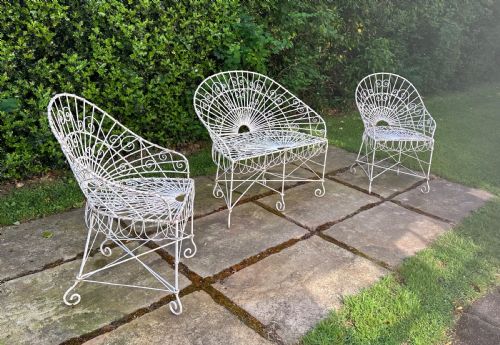
- A matched group of seating furniture designed for light-filled glasshouse spaces. These often incorporate wicker, bamboo or lighter wood timbers.
- Club Fenders
- Low upholstered seats positioned around a fireplace hearth. They typically utilise a brass or iron frame with leather tops.
- Hall Bench
- A narrow wooden seat placed in an entrance hallway. These frequently incorporate storage compartments or carved backs.
- Pitch Pine
- A dense, resinous softwood commonly used for school and utility benches. It develops a rich amber tone over time.
Vintage Bench Pair: Frequently Asked Questions
Where should I place a vintage bench pair?
These matching seats suit wide hallways, dining tables, or twin garden focal points. Their symmetrical nature works best in spaces where balance matters.
Placing them together creates a unified seating arrangement, or you can split the pair across connected rooms for visual continuity throughout a home.
How do I care for wooden garden benches?
Wooden outdoor seats require seasonal protection against moisture and frost. Applying appropriate oils or paints preserves the timber grain against weathering.
Cast iron elements benefit from rust treatment when outdoor paint layers begin to flake over the years.
Are these seats comfortable for daily dining?
Many period examples were built for utility or hallway use rather than lounging. Adding custom squab cushions improves comfort for extended sitting at a dining table.
Wooden and metal surfaces vary in ergonomics depending on their original nineteenth or twentieth century purpose.
How do I distinguish nineteenth century ironwork?
Earlier metal frames feature heavier castings with distinct parting lines from sand moulds. Foundry attributions often rely on known registry marks or classic botanical motifs.
Later twentieth century reproductions generally feel lighter and lack the deep patination found on older garden metal.