


Vintage Bedroom Bench
A vintage bedroom bench provides practical seating and surface space at the foot of a bed, combining period craftsmanship with daily utility.

Vintage Bedroom Bench
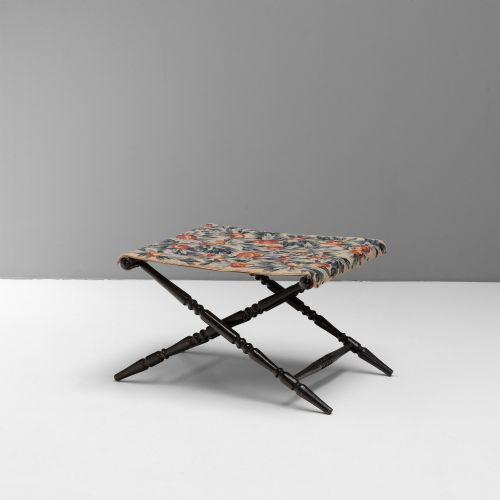
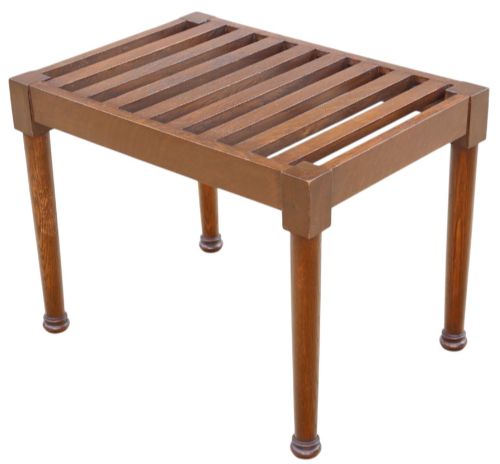
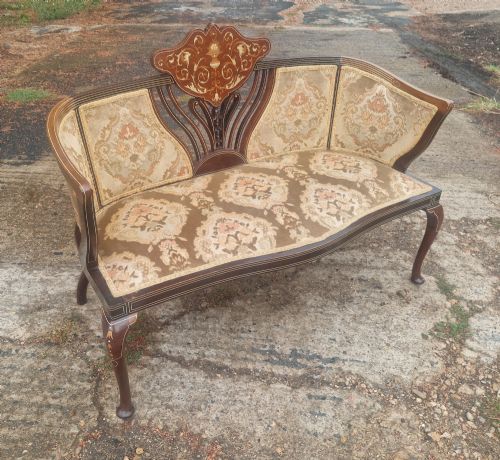
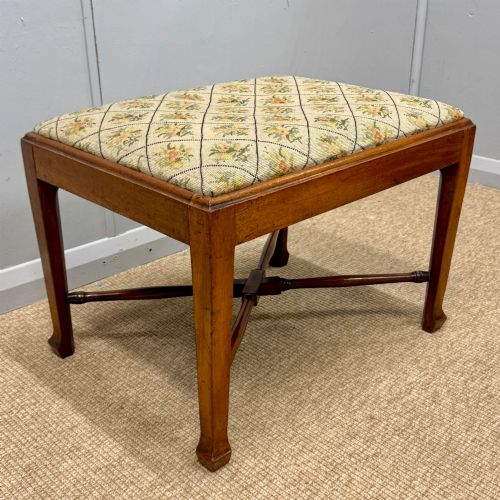
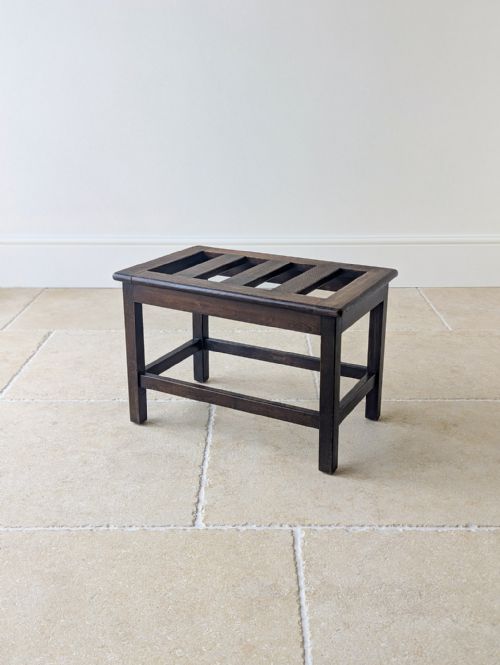
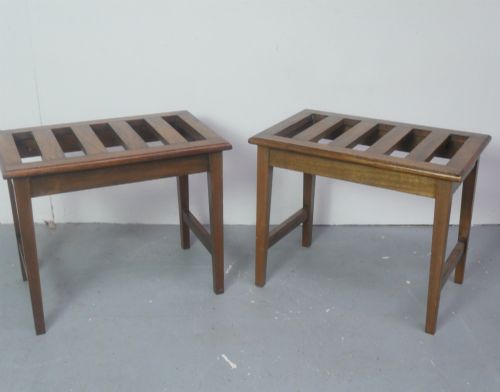
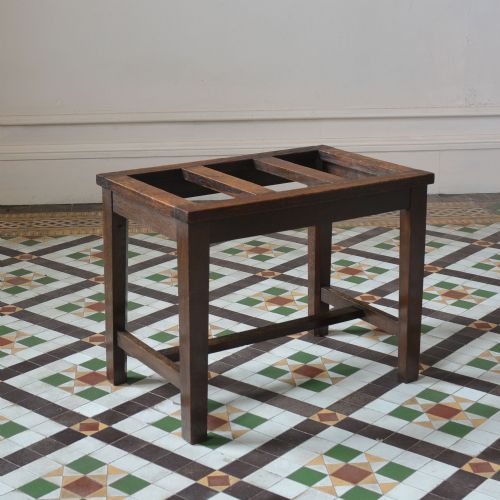
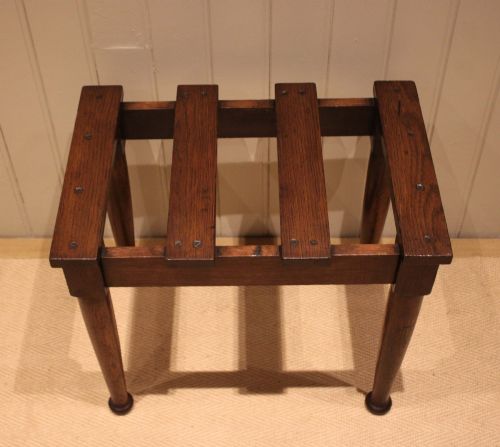
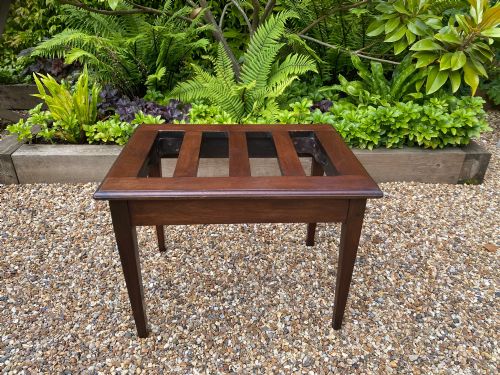
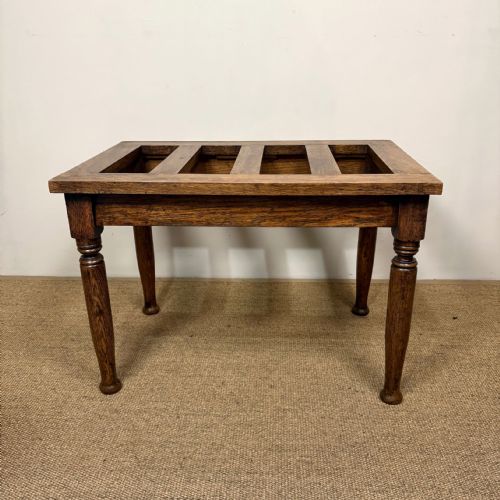
A vintage bedroom bench encompasses a variety of forms designed for repose and placement at the foot of a bed, including luggage stands, dressing table stools, window seats, and small settees. Buyers frequently encounter luggage racks and dressing stools spanning the nineteenth and early twentieth centuries.
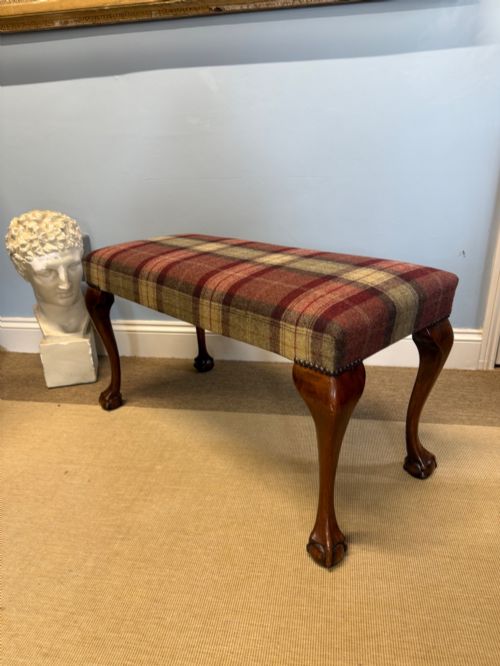
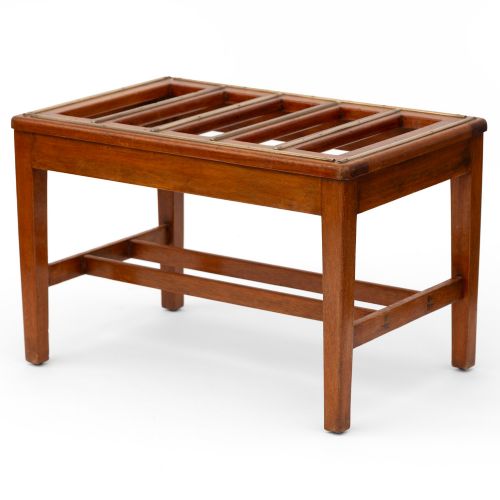
The selection ranges from sturdy oak and mahogany luggage stands with slatted tops to upholstered walnut dressing stools resting on cabriole or twisted rope legs. Pieces span Victorian, Edwardian, and Art Deco periods, alongside revival styles drawing on Georgian and French aesthetics.
What distinguishes finer examples
Material selection and timber figuring set apart superior pieces, particularly where richly grained walnut, figured mahogany, or contrasting satinwood inlay are employed. The crispness of carved details, such as cabriole legs or decorative framing, indicates greater maker skill.
Structural integrity and the quality of restoration define the longevity of each bench. Sound joinery, well-executed upholstery work, and the retention of polished or ebonised surfaces elevate standard utility items to higher decorative status.
Several luggage stands previously resided in grand West End hotels before finding their way into domestic bedrooms.
Harry Lou Epstein
The Vintage Bedroom Bench Glossary
- Luggage stand
- A low folding or rigid rack traditionally used in guest bedrooms for holding trunks and cases at a convenient height.
- Cabriole leg
- A furniture leg that curves outward and then tapers inward, typically ending in a pad or foot, popular in period designs.
- Cross stretcher
- An interconnecting horizontal stretcher between furniture legs that adds structural rigidity and visual weight.
- Window seat
- A long, narrow upholstered bench or stool designed specifically to fit into the recess of a window.
- Satinwood
- A durable, lustrous hardwood with a yellowish sheen utilised for fine cabinetry and decorative inlay work.
Vintage Bedroom Bench: Frequently Asked Questions
Where should a bedroom bench be placed?
Most bedroom benches sit naturally at the foot of a bed to serve as a seat when dressing or as a surface for laying out garments.
Alternative placements include beneath a window or against an empty wall as a slim window seat.
How do I identify an Edwardian bench?
Edwardian pieces often feature lighter woods, satinwood inlay, and slender proportions that reflect the aesthetic tastes of the early twentieth century.
They frequently draw upon earlier revival styles while maintaining a refined, less ornate silhouette than Victorian furniture.
What is the difference between a stool and a luggage rack?
A dressing table stool is built primarily for seating, featuring a padded or upholstered top supported by wooden legs.
A luggage rack incorporates a slatted or webbed top designed to support the weight of travel trunks and bags.
Are these benches suitable for modern daily use?
Solid hardwood construction ensures these historical benches remain robust and capable of supporting daily seating or placement needs.
Many examples also feature modern replacement covers or restored frames to suit contemporary domestic environments.