

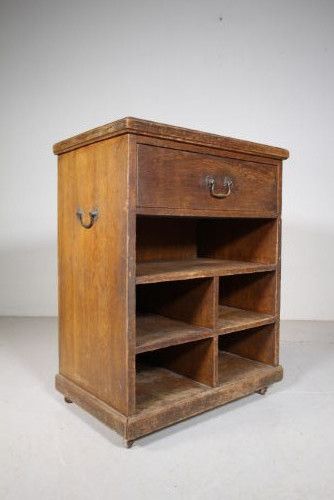
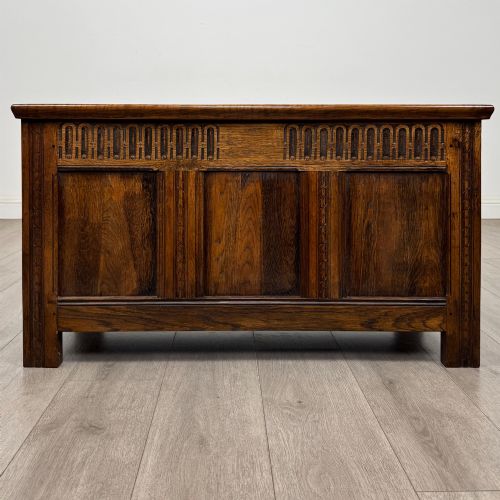
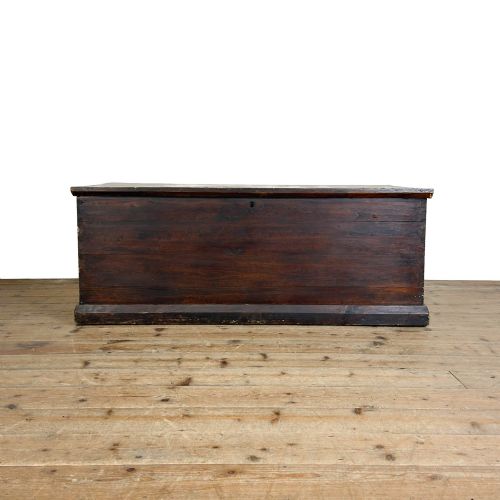
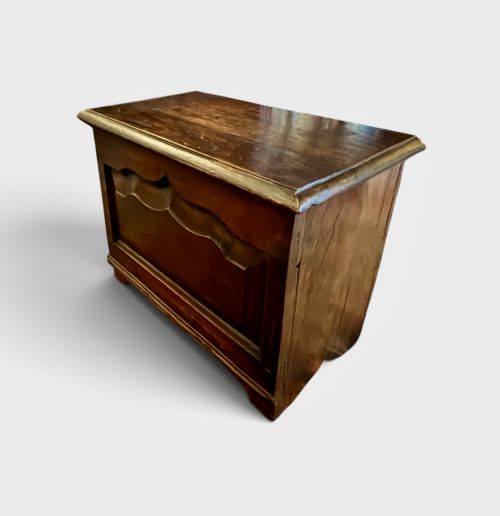

Vintage Bedding Chest
A vintage bedding chest brings solid timber storage into a room, offering practical utility with the character of older periods.

Vintage Bedding Chest
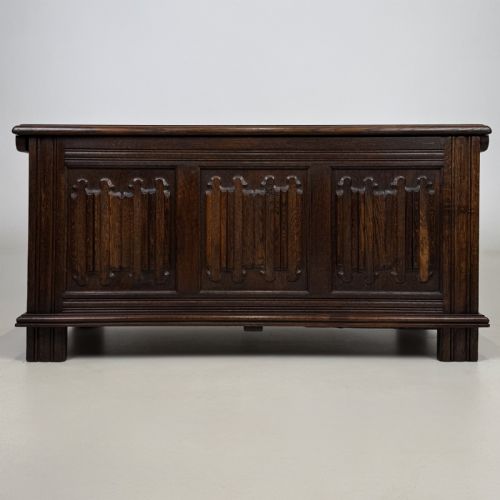
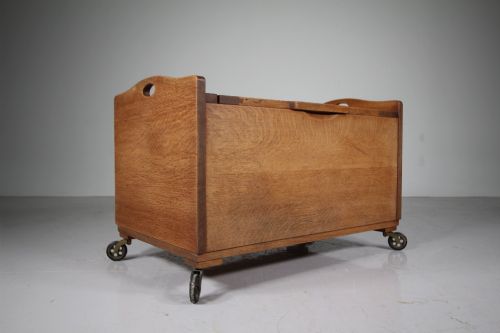
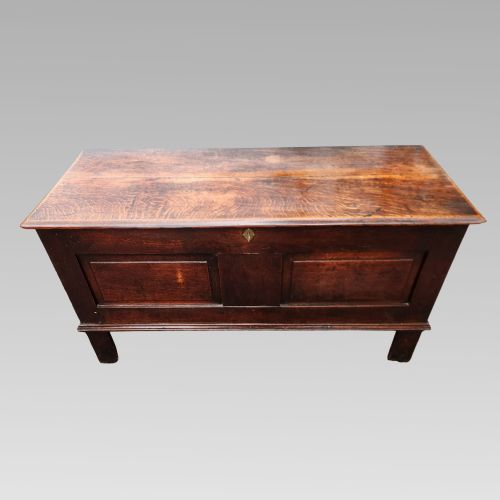
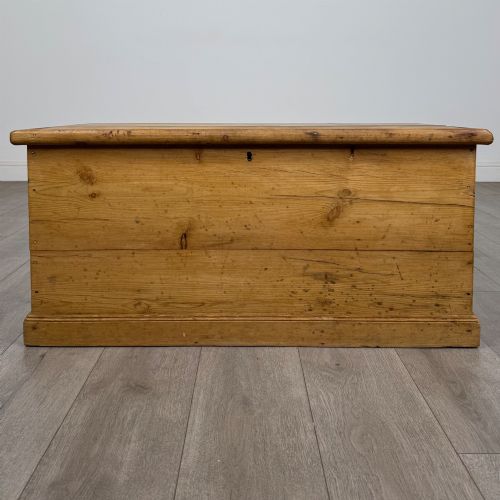
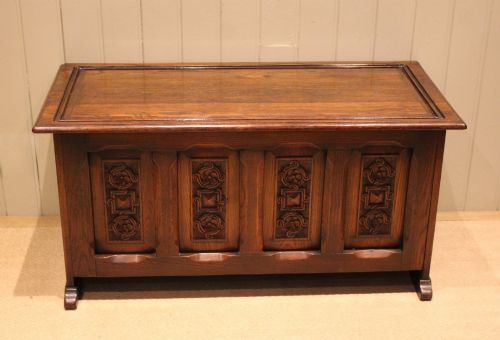
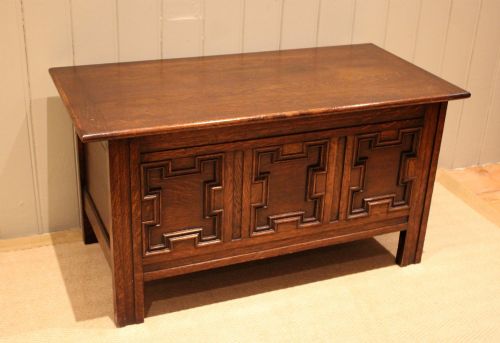
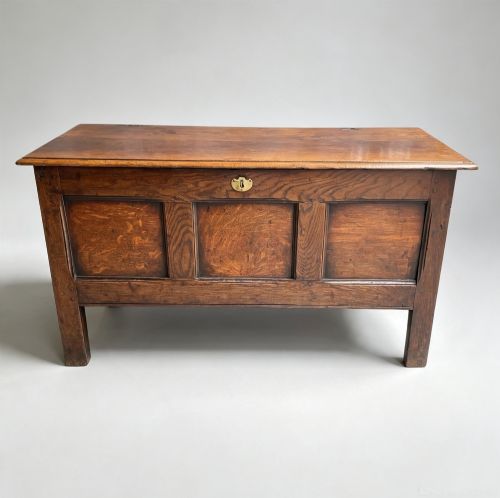
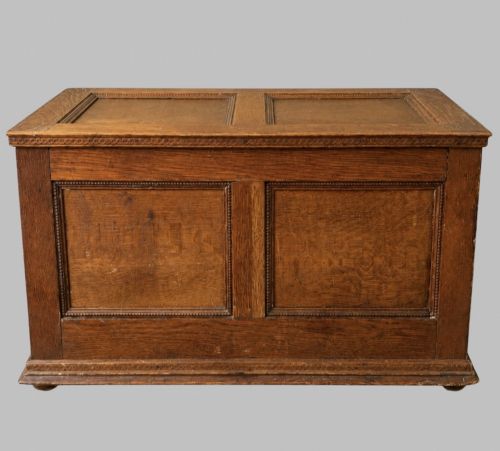
A vintage bedding chest is a practical storage box designed to hold linens, blankets and household textiles, frequently taking the form of an oak coffer or a pine blanket box. Buyers search for these pieces to add functional storage to a bedroom while incorporating genuine period timber into the interior. Most examples encountered here date from the eighteenth and nineteenth centuries, though earlier seventeenth-century styles and later twentieth-century interpretations also appear.
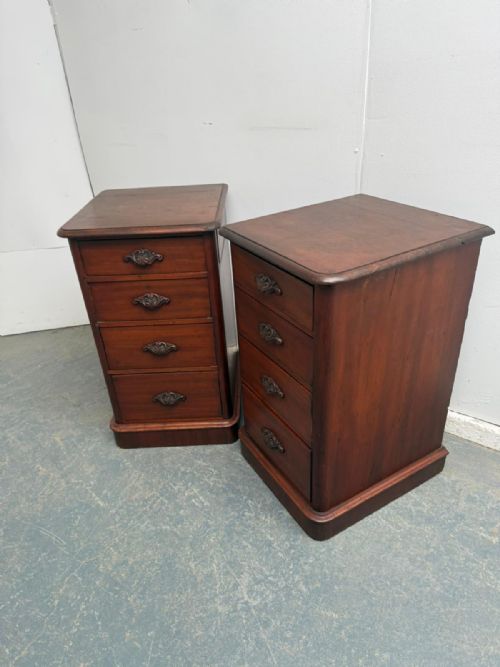
The form encompasses various traditional names including coffers, mule chests fitted with lower drawers, and ottomans. Oak and pine dominate the selection, built either plain for utilitarian service or carved with panels for country house interiors. Dimensions range from small bedside cabinets and toy boxes to large solid oak storage chests intended for the foot of a bed.
How they were made
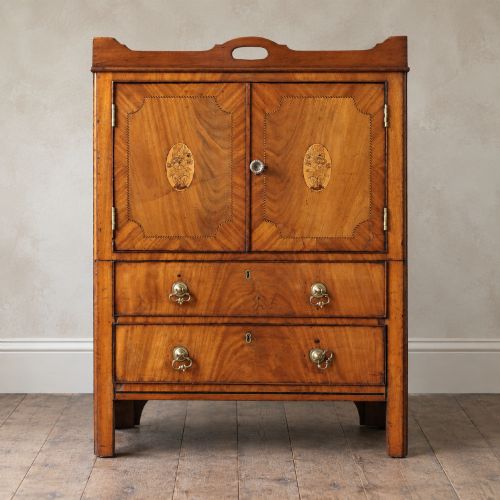
Construction relies heavily on sturdy timbers such as oak, elm, mahogany and pine, joined using traditional methods appropriate to the period. Panels are often held within grooved frames to allow for natural wood movement, while brass handles, hinges and brackets provide both structural reinforcement and functional closure.
Surfaces receive various finishes depending on the workshop and date, ranging from waxed polish on mahogany and oak to original painted coatings on pine boxes. Carving appears on formal oak coffers and Jacobean revival pieces, executed directly into the solid wood rather than applied as separate ornamentation.
Vintage Bedding Chest Retail Price Guide 2026
Typical asking prices for vintage bedding chest among the pieces listed under this phrase on Sellingantiques today, from the lower quarter to the upper quarter. They describe what is for sale here now, not the wider market.
Listings feature oak, pine, mahogany and elm across centuries ranging from the seventeenth period to the twentieth century.
What varies in quality
Quality in these chests is determined by the selection of timber, the integrity of the original construction, and the depth of surface patination accumulated over time. Denser hardwoods like oak and figured mahogany command attention for their durability and grain, whereas secondary timbers like pine rely on the survival of original paint or careful waxing for their appeal.
The presence of hand-carved panels, dovetail joints, and original iron or brass hardware distinguishes standard utilitarian boxes from finer vernacular pieces. Proportions and restraint in decoration also separate superior examples from later revival items.
The Vintage Bedding Chest Glossary
- Coffer
- A heavy wooden chest traditionally used for storing valuables, linens or documents. They are usually constructed from solid oak with hinged lids.
- Mule chest
- A storage chest featuring one or more drawers beneath the main lifting compartment. This form bridges the gap between the simple blanket box and the chest of drawers.
- Bracket foot
- A structural and decorative foot shape resembling a bracket, commonly found supporting the corners of Victorian pine chests and cabinets.
- Panelling
- A method of constructing furniture using framed wooden sections that reduce warping. It is a defining characteristic of early oak coffers.
- Patina
- The surface sheen and colour developed by wood and metal through age, handling and polishing. It serves as an indicator of authenticity.
Vintage Bedding Chest: Frequently Asked Questions
What is a vintage bedding chest used for?
These chests serve as practical storage containers for spare blankets, pillows, and bulky winter bedding. Placing one at the foot of a bed or in a hallway keeps textiles tidy while adding traditional furniture to the room.
Beyond linens, many buyers utilise them in living spaces as coffee tables with internal storage or in hallways for shoes and accessories.
How do I tell an 18th-century chest from a Victorian one?
Earlier eighteenth-century pieces are predominantly constructed from solid oak with hand-cut joinery, pegged framing, and often feature carved panels or mule chest drawers. Victorian examples frequently utilise pine or mahogany, sometimes finished with painted surfaces or applied mouldings.
Examining the internal boards, hinge types, and fastener heads helps distinguish hand-forged or early elements from mass-produced nineteenth-century manufacturing.
Are these chests suitable for modern bedrooms?
Their restrained proportions and natural timber tones allow them to sit comfortably alongside contemporary interior schemes. A small pine box functions well as a bedside table, while larger oak chests anchor a room without dominating the floor space.
The neutral warmth of waxed wood and painted finishes bridges the gap between historical vernacular design and modern homes.
What is the difference between a coffer and a blanket box?
A coffer is traditionally a heavy, often oak-framed storage box dating from earlier centuries, frequently featuring decorative carving and robust construction. A blanket box is a broader term that includes simpler pine or mahogany trunks intended specifically for household textiles.
While both share a hinged lid and deep internal storage, coffers tend to reflect heavier architectural styling than standard domestic blanket boxes.