



Vintage Baccarat Glasses
These vintage baccarat glasses bring French refinement to a table, combining brilliant lead crystal with precise gilding and historic forms.
Vintage Baccarat Glasses
When you search for vintage baccarat glasses, you enter a world of fine French stemware and decorative vessels produced by the renowned crystal manufacturer. The selection commonly includes matched sets of wine glasses, tall champagne glasses, and hock glasses from the nineteenth and twentieth centuries.
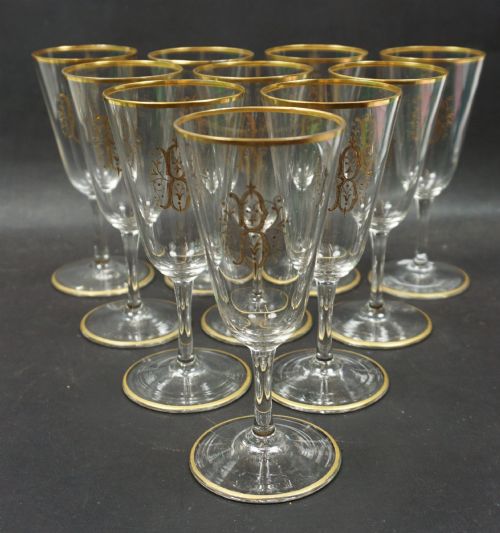
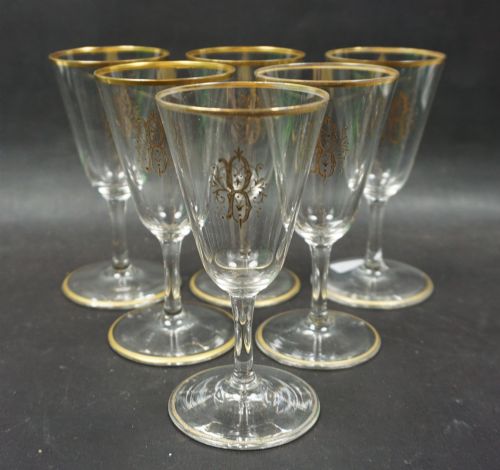
Buyers frequently encounter pieces adorned with acid-gilt monograms, such as the distinctive initial 'B', alongside coloured cased glass and classic patterns like Harcourt. These items span various periods from the late Victorian era through the Art Nouveau and Art Deco movements, reflecting the shifting aesthetic tastes of French design.
Materials and production techniques
The pieces rely primarily on heavy lead crystal and glass, often utilising cased glass techniques to create layered colour effects in shades such as green over clear crystal. Artisans applied surface decoration through acid etching, gold gilding, and raised floral designs, while some items incorporate bronze mounts or ormolu details.
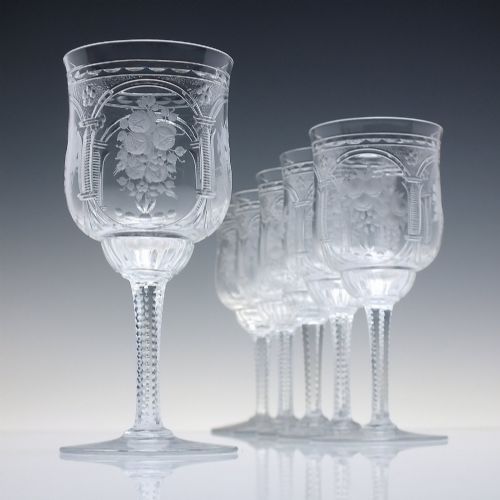
Manufacturing methods combine traditional glass-blowing with intricate wheel-cutting and moulding. The application of gold leaf and acid-etched signatures or monograms demonstrates the high level of craftsmanship standard in the French workshops.
Vintage Baccarat Glasses Retail Price Guide 2026
Typical asking prices for vintage baccarat glasses among the pieces listed under this phrase on Sellingantiques today, from the lower quarter to the upper quarter. They describe what is for sale here now, not the wider market.
Listings feature lead crystal and cased glass objects spanning from the mid-nineteenth century through the Art Deco period.
Factors influencing quality
Quality in these drinking vessels rests upon the clarity and weight of the lead crystal, alongside the crispness of the cut facets. Superior examples display flawless transparency and precise geometric or organic cutting that catches the light cleanly.
The preservation of surface ornament also dictates value, particularly the intactness of delicate acid-gilt monograms and gold leaf details. Consistency across a matched set of stemware separates standard production items from finer presentation services.
Baccarat
The Vintage Baccarat Glasses Glossary
- Lead crystal
- Glass containing a significant proportion of lead oxide, which increases weight, brilliance, and refractive index. This material allows for deeper and sharper cutting by artisans.
- Acid gilt
- A decoration technique where acid eats into the glass surface before the application of gold leaf, creating a durable and textured metallic finish. It frequently appears on monogrammed glassware.
- Cased glass
- A method involving layers of different coloured glass fused together, often cut away to reveal the contrasting layers beneath. This technique creates rich visual depth in hock glasses and vases.
- Stemware
- Drinking vessels raised upon a stem and foot, encompassing wine glasses and champagne flutes. These form a major category of the glassware produced by the French manufacturers.
- Hock glasses
- Traditional tall vessels designed for white wine or German hock, often featuring coloured bowls atop clear stems. They showcase the elaborate cutting and casing skills of the period.
Vintage Baccarat Glasses: Frequently Asked Questions
Are these glasses safe to use?
Most vintage crystal pieces remain suitable for serving wine and beverages during special occasions, provided they show no structural cracks or deep chips. Inspect the rim and base before use to ensure the integrity of the material.
Some collectors prefer to display older or heavily gilded items rather than using them for daily dining to preserve the delicate surface decoration over time.
How can I identify genuine pieces?
Authentic items often bear acid-etched marks, paperweight signatures, or gilt monograms associated with the historic French manufacturer. The exceptional weight and acoustic ring of the lead crystal also help distinguish genuine works from standard glassware.
Examine the sharpness of the cut facets and the precision of any surface gilding, as skilled hand-finishing characterises production from these established workshops.
What periods do these items cover?
The available selection spans from the mid-nineteenth century through the Art Nouveau and Art Deco eras of the early twentieth century. Each period introduces distinct stylistic elements, from ornate nineteenth-century forms to streamlined geometric designs.
Matching the decorative motifs and manufacturing techniques to known design eras helps date individual items accurately within this broad timeline.