




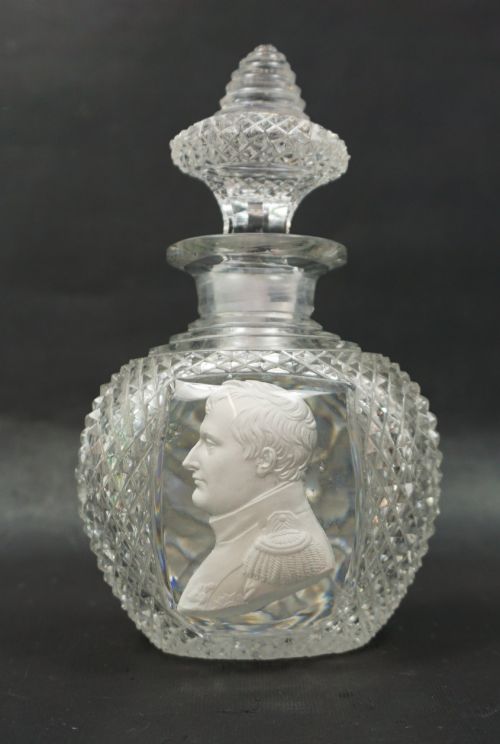


Antique Baccarat Crystal
Antique baccarat crystal pieces bring French craftsmanship into domestic spaces through heavy lead crystal and cut glass.
Antique Baccarat Crystal
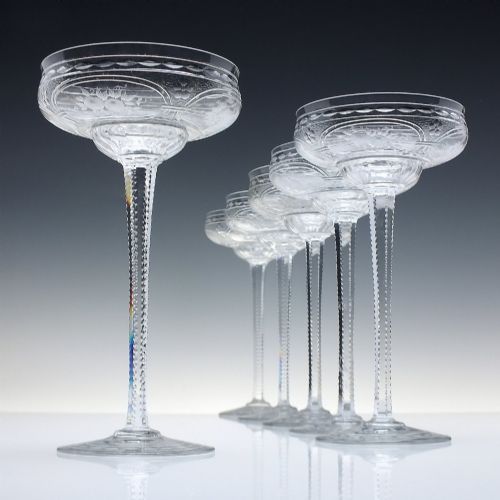
Antique baccarat crystal encompasses decorative and functional objects originating from France, spanning the nineteenth and early twentieth centuries. Buyers seeking these items encounter a diverse range of forms, from large chandeliers and table centrepieces down to scent bottles and hock glasses.
The pieces listed on this page reflect distinct stylistic periods including Napoleon III, French Second Empire, Art Deco, and French Belle Epoque. Table lamps, trinket boxes, and tantalus sets appear alongside grand electroliers and wall lights.
Materials and Construction
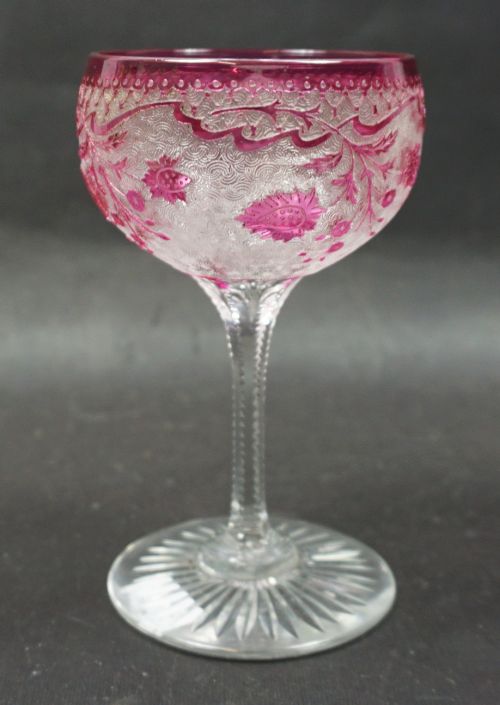
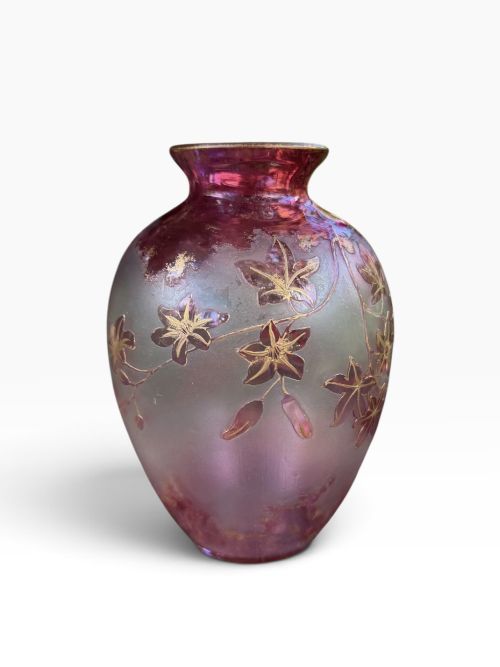
Makers utilised lead crystal and glass, frequently employing cutting techniques to create faceted surfaces that refract light. Frosted glass and over crystal layers add texture and colour variation to items like hock glasses and figurines.
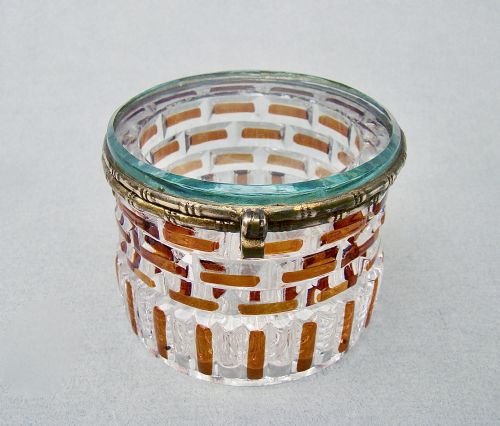
Metal mounts in ormolu, brass, and bronze secure glass components, while carved wood appears in Black Forest settings. Delicate decorative elements include sulphide portraits, white glass latticinio decoration, and paperweights.
Antique Baccarat Crystal Retail Price Guide 2026
Typical asking prices for baccarat crystal among the pieces listed under this phrase on Sellingantiques today, from the lower quarter to the upper quarter. They describe what is for sale here now, not the wider market.
Listings feature items spanning the 1800s to the 1930s, incorporating lead crystal, ormolu, and carved wood in forms ranging from wall lights to paperweights.
Distinctions in Quality
Excellence in these objects relies upon the clarity of the glass and the precision of the cut facets. Weight and substance in the lead crystal distinguish robust items from lighter wares.
The integration of metal mounts, such as ormolu or bronze on caskets and tantalus sets, dictates the overall refinement of the piece. Preservation of delicate elements like frosted surfaces or sulphide inserts further separates standard examples from exceptional ones.
François Eugène Rousseau
The Antique Baccarat Crystal Glossary
- Lead crystal
- Glass containing lead oxide to increase weight, brilliance, and workability for deep cutting. This material gives the pieces their characteristic heft.
- Ormolu
- Gilt bronze mounted onto furniture, boxes, and lighting fixtures. It provides a decorative metallic contrast to the clear crystal.
- Latticinio
- Glasswork incorporating fine white threads embedded within the clear material. It appears on decorative wine jugs.
- Sulphide
- A small ceramic cameo encased within the clear glass, often depicting a historical figure such as Napoleon. This technique creates a striking silhouette effect.
- Epergne
- A large table centrepiece featuring multiple branching dishes or holders. These items often combine carved wood bases with crystal bowls.
- Tantalus
- A locking wooden or metal frame designed to secure decanters while revealing the contents inside. They frequently house multiple matching crystal bottles.
Antique Baccarat Crystal: Frequently Asked Questions
What is a tantalus set?
A tantalus set consists of decanters held within a secure frame, traditionally fitted with a lock and key to prevent unauthorized access to the contents. The framework often incorporates materials like ormolu, brass, and carved wood alongside the crystal bottles.
These sets function as both decorative serving pieces and secure storage for spirits. They sit well on sideboards or within dedicated cabinet furniture in dining rooms.
How do I clean antique crystal?
Cleaning requires lukewarm water and mild soap, avoiding harsh abrasives that might scratch the surface or damage metal mounts. Items with bronze or ormolu mounts need care to keep moisture away from the joins.
Sudden temperature changes can crack old glass, so water should remain at a moderate warmth. Drying with a lint-free cloth restores the clarity of the cut facets.
Where were these pieces made?
The objects originate from France, representing various periods of design from the early nineteenth century through to the Art Deco era. Workshops produced everything from domestic glassware to monumental chandeliers.
Regional influences and historical styles such as the French Second Empire shaped the aesthetic of these works. They reflect the industrial and decorative arts developments of their respective decades.
How do I identify the period?
Dating relies on stylistic markers such as the heavy ornamentation of Napoleon III pieces or the geometric lines typical of 1930s Art Deco. Materials like frosted glass and specific cutting patterns offer additional clues to the era of production.
Mounts made of ormolu or bronze also help narrow down the manufacturing window. Comparing the form against established historical types confirms the likely decade.