

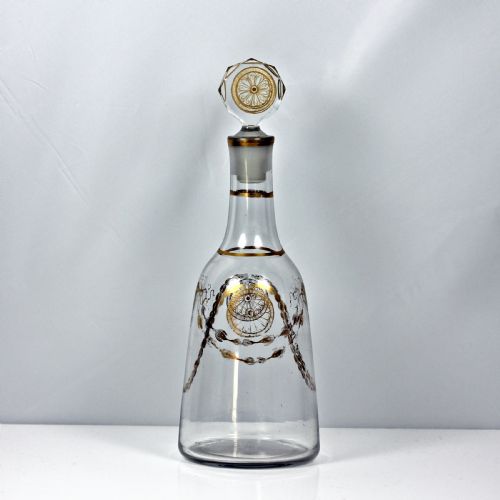


Gold Gilt Wine Glasses
Gold gilt wine glasses bring an undeniable weight of occasion to the table, uniting crystal forms with gleaming metallic enrichment.
Gold Gilt Wine Glasses
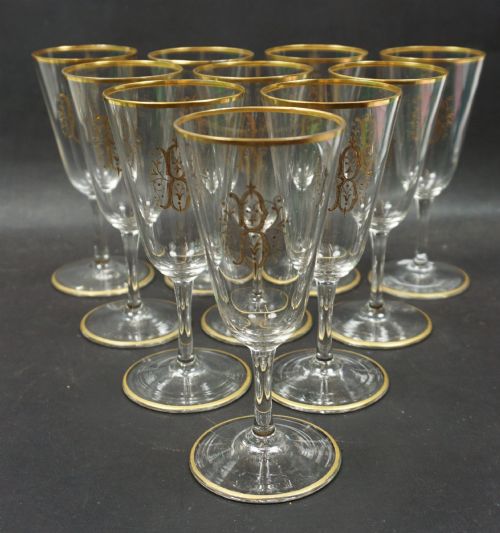
Gold gilt wine glasses represent an intersection of fine glassmaking and precious metal embellishment, drawing on centuries of European craft. When searching for gold gilt wine glasses, buyers encounter everything from Georgian and Victorian stemware to French crystal productions of the early twentieth century.
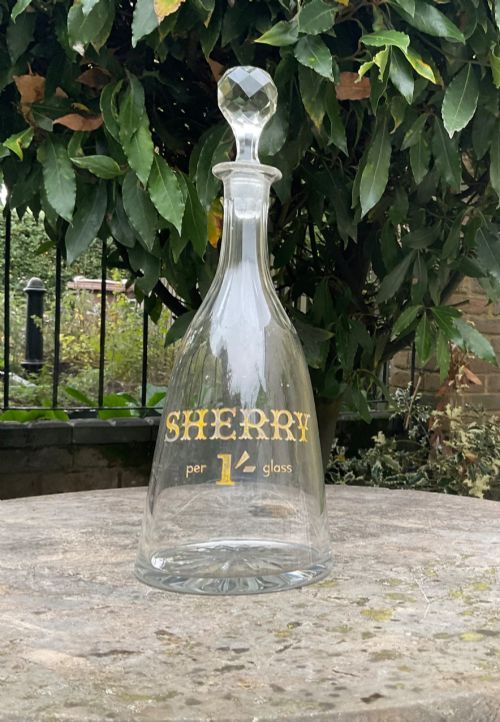
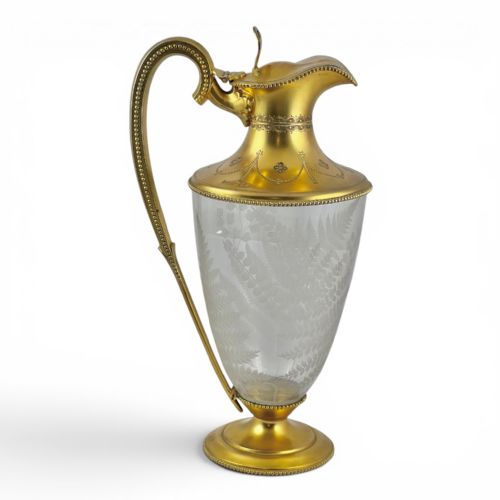
The selections span clear glass, lead crystal, and silver-gilt integrations, often accompanied by related forms such as decanters, goblets, and claret jugs. These pieces range from the formal ornamentation of the French Second Empire and Rococo Revival to the cleaner lines of Art Deco and Jugendstil.
Most examples originate from notable Continental and British workshops, reflecting aesthetic shifts from the eighteenth century through the 1920s. Buyers frequently discover sets bearing factory ciphers alongside singular commemorative goblets and decanting vessels.
Materials and methods
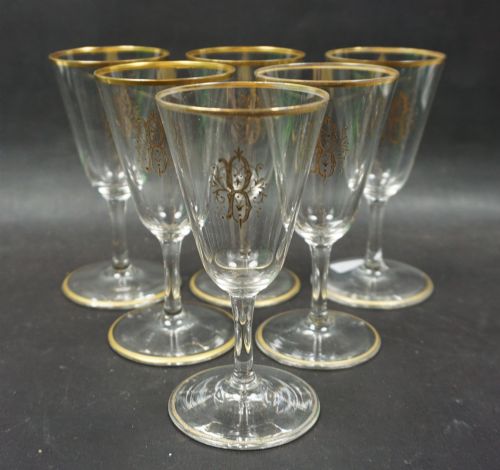
Production relies upon high-grade glass or lead crystal blown into forms and finished with applications of gold leaf, gold gilt, or acid gilding. Artisans utilised chemical or mechanical adhesion techniques to bond precious metal to the glass surface, often executing delicate monograms or foliate borders.
Complementary materials include sterling silver and ormolu mounts, which provide structural support and contrasting metallic tones. Techniques such as white glass latticinio decoration and acid etching further differentiate the surface textures of these drinking vessels.
Gold Gilt Wine Glasses Retail Price Guide 2026
Typical asking prices for gold gilt wine glasses among the pieces listed under this phrase on Sellingantiques today, from the lower quarter to the upper quarter. They describe what is for sale here now, not the wider market.
Listings feature items spanning the 18th Century through the 1920s, incorporating lead crystal, clear glass, sterling silver, and gold leaf.
Assessing quality
Quality rests upon the crispness of the glass blank and the refinement of the gilding technique, whether applied by hand or via acid-etching processes. The weight and clarity of the crystal foundation dictate the overall balance and tactile presence of each glass.
Makers' marks, specific factory attributions, and the preservation of the delicate gold layer elevate certain pieces above standard decorative wares. The precision of hand-painted or engraved detailing distinguishes standard production items from masterworks.
Baccarat·James Giles·Edward Ladell·Adelbert Niemeyer
The Gold Gilt Wine Glasses Glossary
- Acid gilding
- A decorative technique where acid is applied to glass to create a matted design before gilding with gold leaf. This method leaves a textured, contrasting finish that resists wear.
- Lead crystal
- Glass containing a high proportion of lead oxide, valued for its brilliance, weight, and ringing tone. It provides a stable and heavy base for gold application.
- Latticinio
- A glassblowing technique involving opaque white threads embedded within clear glass. It adds linear pattern and depth to the vessel wall.
- Silver-gilt
- Silver objects that have been coated with a thin layer of gold. This combination offers the lustre of gold over a silver substrate.
- Ormolu
- Gilded bronze mounts applied to glass and ceramic vessels, particularly popular in French decorative arts. It provides ornate structural framing.
Gold Gilt Wine Glasses: Frequently Asked Questions
How do I clean gold gilt wine glasses?
Wash these pieces gently by hand using lukewarm water and a mild detergent. Avoid abrasive sponges and dishwashers to protect the delicate gold leaf.
Dry them immediately with a soft lint-free cloth to prevent water spots from forming on the crystal and metal surfaces.
Can I still drink from antique gold gilt glasses?
Many of these vessels remain entirely functional for occasional toasts and formal dining. The suitability depends largely on the condition of the inner rim and the durability of the historic gilding.
Inspect the condition of the gold layer before use, as acidic wines may affect vulnerable or degraded historical finishes over time.
How do I date a set of gilt glasses?
Examine the optical clarity of the glass, the weight of the crystal, and any factory ciphers or etched signatures present on the base. Stylistic cues such as Jugendstil motifs or Victorian proportions also provide clear chronological markers.
Compare the form and gilding style against documented examples from periods like the Georgian era or the 1920s.
What is the difference between gold leaf and acid gilding?
Gold leaf involves applying an ultra-thin sheet of beaten gold to an adhesive surface, creating a bright and reflective finish. Acid gilding uses chemical etching to bite a matte pattern into the glass before bonding the gold.
Acid-etched details typically show greater durability because the gold sits slightly recessed within the etched surface of the glass.