


Vintage Asian Metalwork
Vintage asian metalwork brings together bronze, copper, and cloisonne enamel vessels and figures shaped by Meiji and Qing makers.
Vintage Asian Metalwork
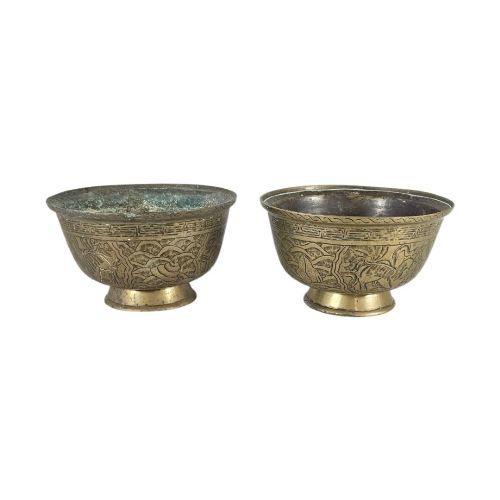
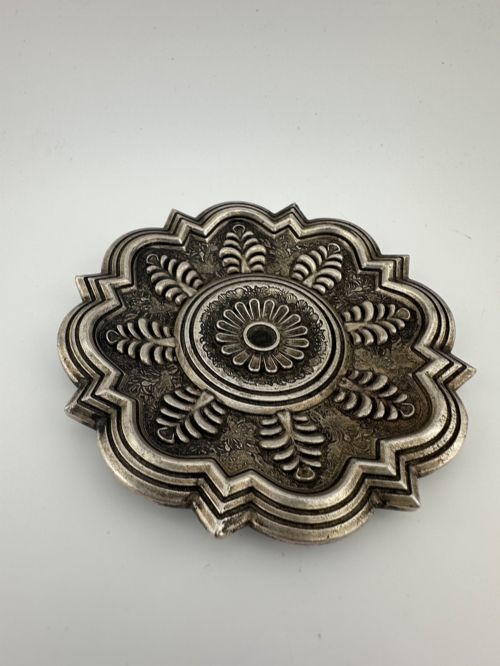
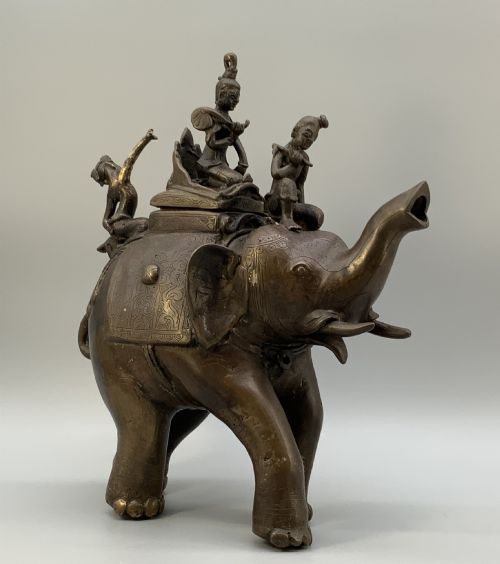
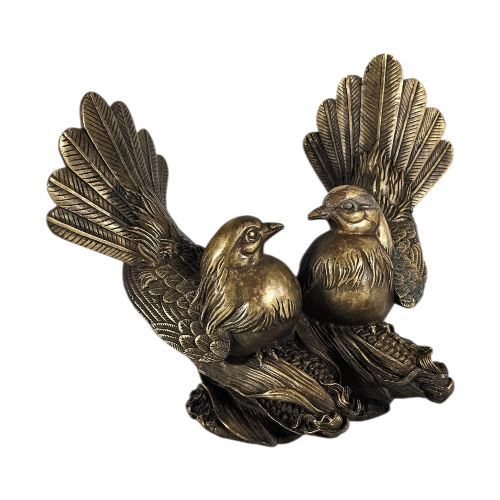
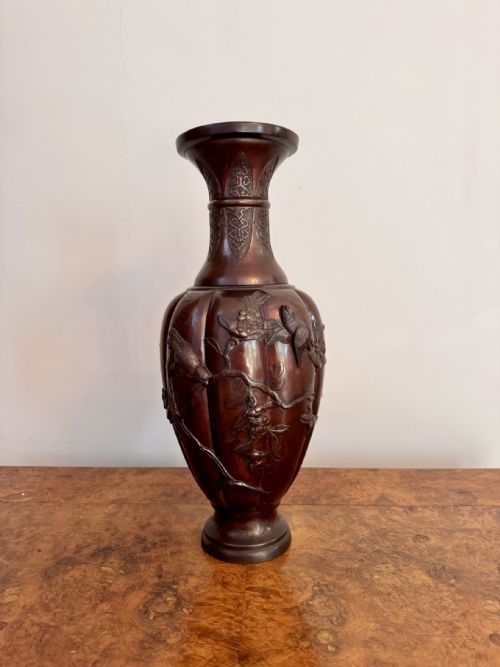
Vintage asian metalwork comprises vessels, figures, and decorative objects cast or hammered from bronze, brass, copper, and white metal. You will frequently encounter bronze censers, vases, and animal sculptures alongside detailed cloisonne enamel plates and chargers.
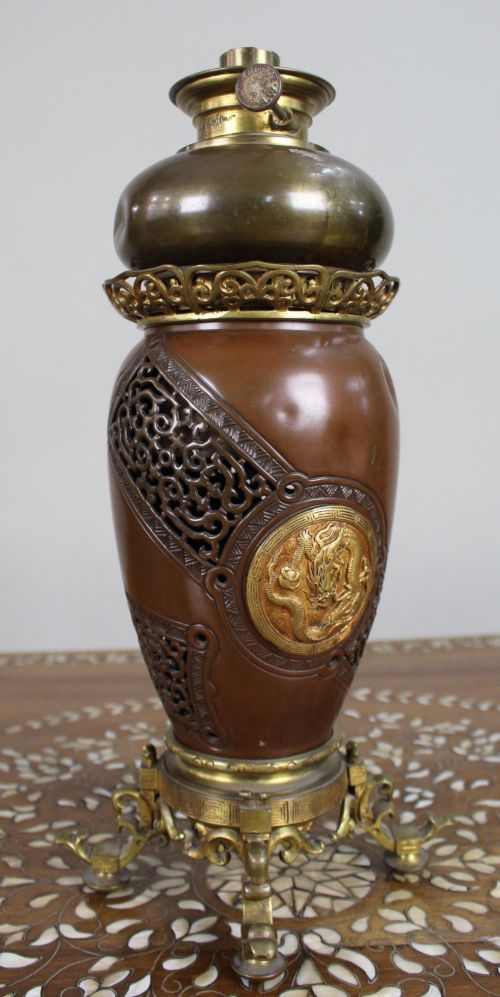
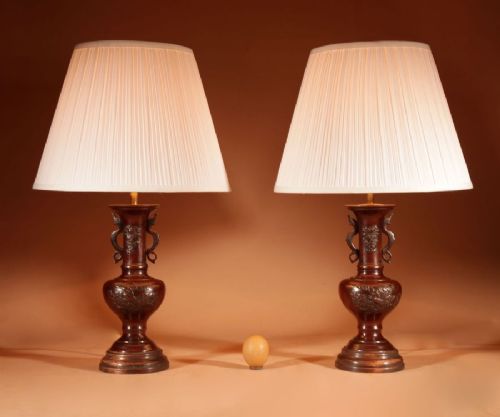
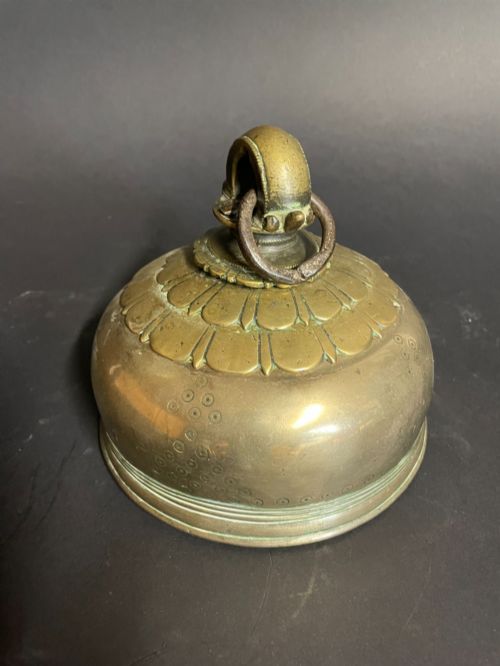
The selections span the nineteenth and early twentieth centuries, drawing on Chinese Export, Japanese Meiji, Tibetan, and Chinoiserie styles. Forms range from ritual Buddhist bells and Himalayan shrine statues to everyday table lamps and decorative dishes.
How they were made
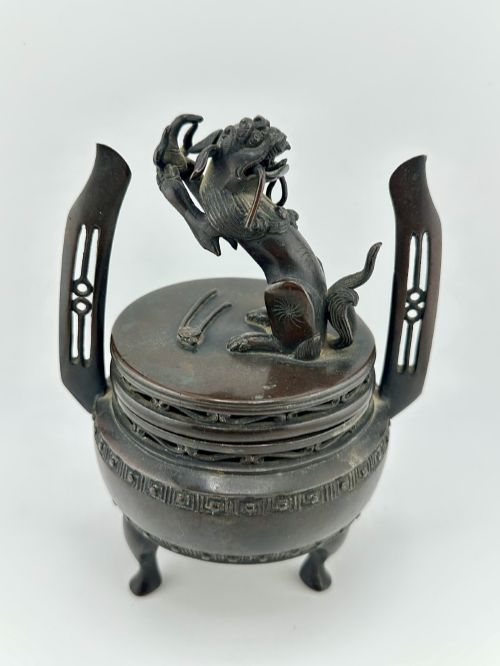
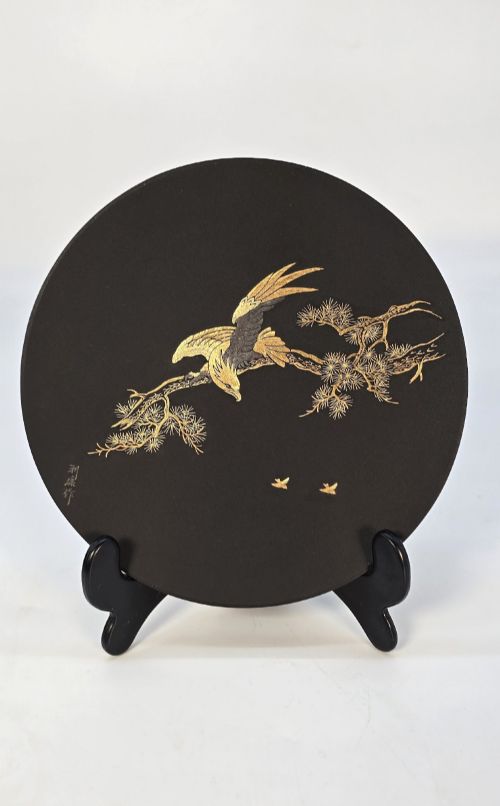
Bronze and brass pieces rely on traditional lost-wax casting methods, often finished with chiselling, piercing, or patination to bring out surface details like lotus flowers and qilin finials. Iron and copper components frequently incorporate contrasting gold and silver inlay work.
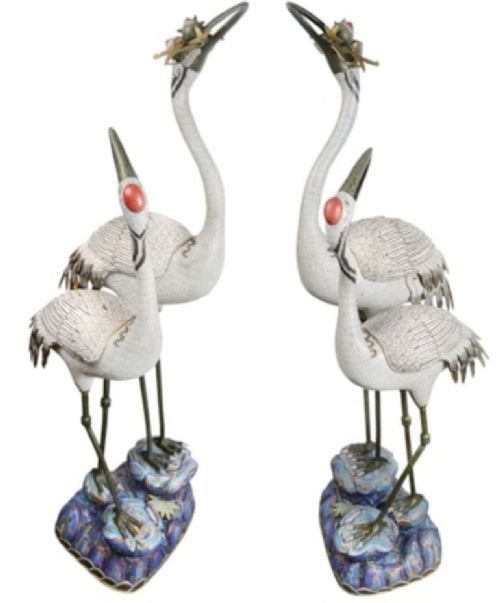
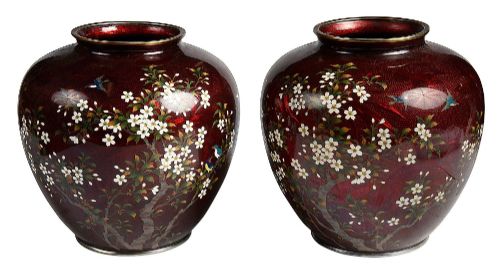
Cloisonne enamel involves soldering thin metal wire onto a metal base to create compartments, which are then filled with coloured glass paste and fired multiple times. Artisans grind and polish the hardened surface until the metal wires and enamel fuse into a smooth finish.
Listings feature items spanning the eighteenth to the mid-twentieth century, utilising brass, bronze, copper, and cloisonne enamel.
What varies in quality
Quality rests on the crispness of the initial casting and the precision of the hand-finishing work, where finer pieces show deeply undercut details rather than soft contours. In cloisonne, the density of the wirework and the evenness of the enamel without pitting distinguish standard production from masterworks.
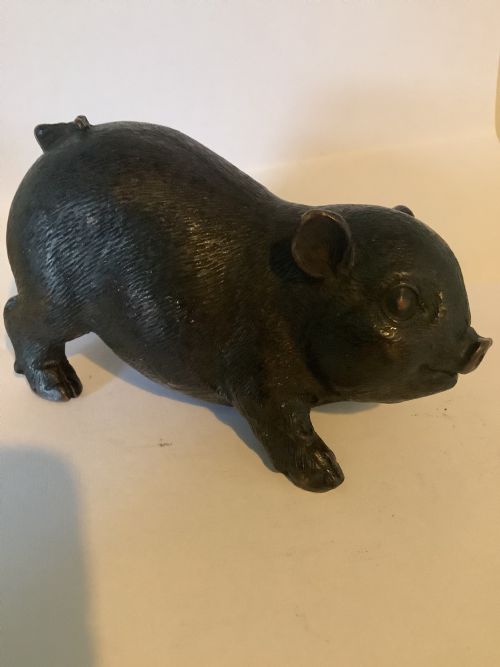
Artistic ambition also sets items apart, as seen in the balance of composition across a large charger or the organic posture of a cast bronze animal. Signature marks from notable makers like Kinkozan indicate workshop output executed with greater care.
Kinkozan
The Vintage Asian Metalwork Glossary
- Cloisonne enamel
- A technique where wire is soldered to a metal base to form cells filled with enamel paste. This method creates intricate patterns of birds, dragons, and floral motifs.
- Censer
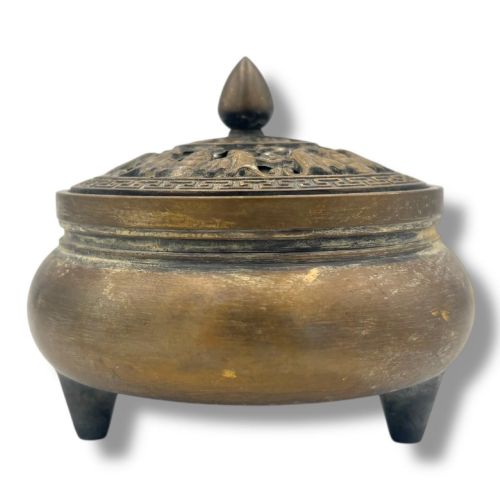
- A vessel designed for burning incense, typically featuring a tripod base and a pierced lid. These often take the form of bronze tripods with mythological animal finials.
- Meiji period
- The era of Japanese history lasting from 1868 to 1912, known for exceptional metalwork and cloisonne production. Pieces from this time frequently exhibit naturalistic themes and advanced patination techniques.
- Champleve
- An enamelling process where troughs or cells are carved directly into the metal surface to hold the coloured paste. It differs from cloisonne by utilising carved depressions rather than soldered surface wires.
- Pricket candlestick
- A candle holder featuring a central spike rather than a socket to secure the candle. These were commonly cast in bronze during the nineteenth century.
Vintage Asian Metalwork: Frequently Asked Questions
How do I date vintage asian metalwork?
Dating relies on combining stylistic markers, manufacturing techniques, and any visible reign marks or signatures. Nineteenth-century pieces often display heavier patination and hand-finished cast details.
Later twentieth-century examples tend to feature standardised wiring in cloisonne and machine-tooled elements. Comparing the object type to established historical periods helps narrow down the decade of production.
What is the difference between bronze and brass here?
Bronze is an alloy primarily of copper and tin, whereas brass is composed of copper and zinc. In these antiques, bronze generally exhibits a richer, darker patination and heavier weight.
Brass items often display a brighter, yellower metallic tone. Both materials were used extensively for cast vessels, figures, and decorative vases.
How should I clean antique metalwork?
Cleaning should be kept to a minimum to preserve the natural historic patina accumulated over the decades. Dusting with a soft, dry cloth is usually sufficient for regular maintenance.
Avoid using harsh chemical polishes or abrasive cloths, as these can strip away desirable patination and damage delicate enamel or inlay work.