


Vintage Asian Low Table
These vintage asian low table pieces offer a low-slung, grounding presence in a room, bringing centuries of craftsmanship straight to the floor.
Vintage Asian Low Table
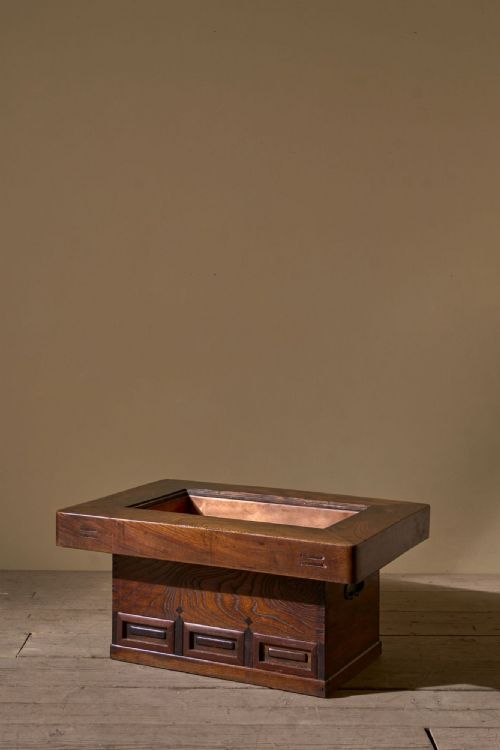
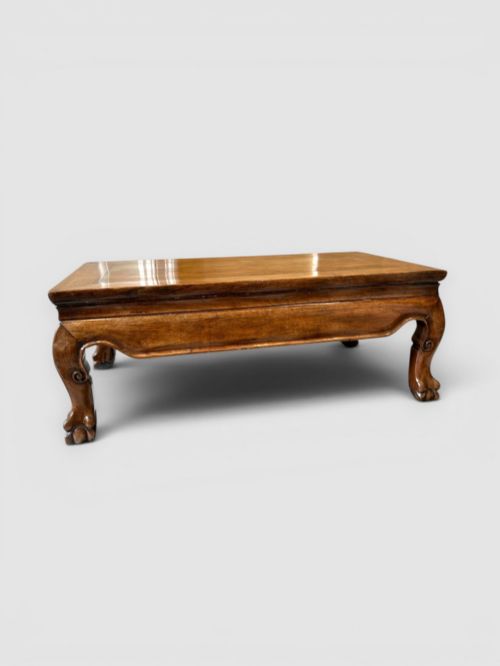
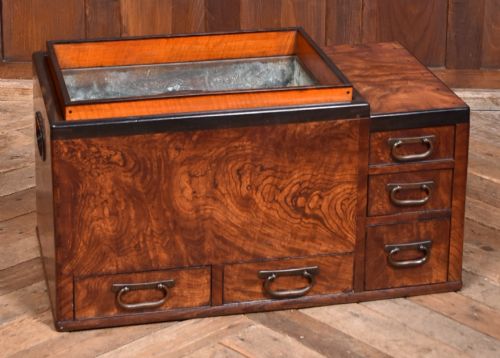
When you search for a vintage asian low table, you enter a category defined by low-profile surfaces originally built for kneeling, tea, or resting near the floor. The selection spans traditional forms such as opium tables, hibachi brazier tables, and kang beds adapted for modern living.
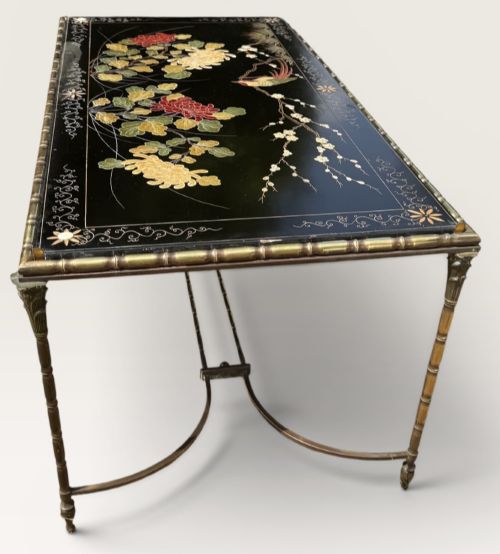
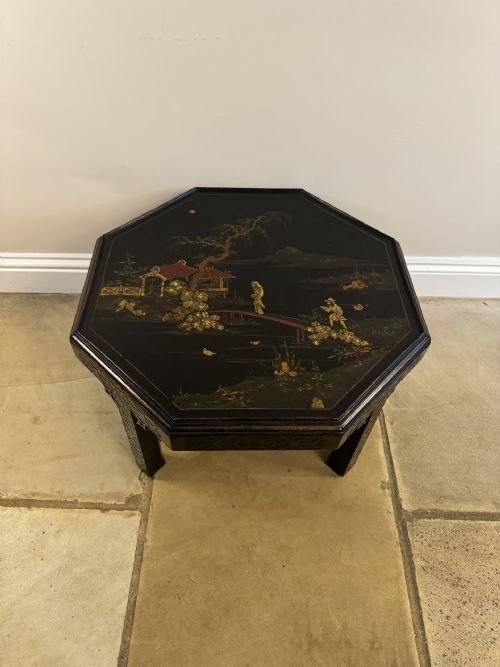
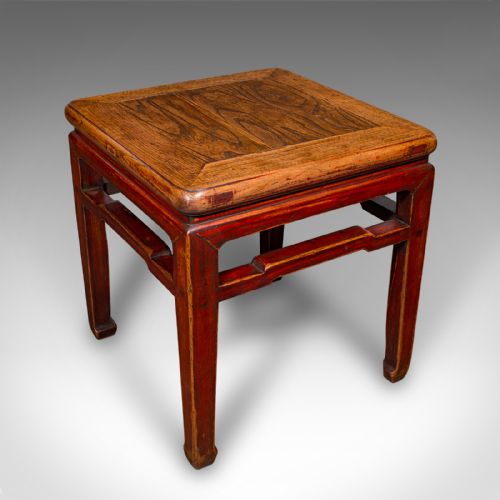
Elm and dense hardwoods dominate the offerings, often appearing as coffee tables or writing desks from the nineteenth and early twentieth centuries. Pieces range from rustic provincial elm to intricately carved rosewood and black-and-gilt lacquered surfaces.
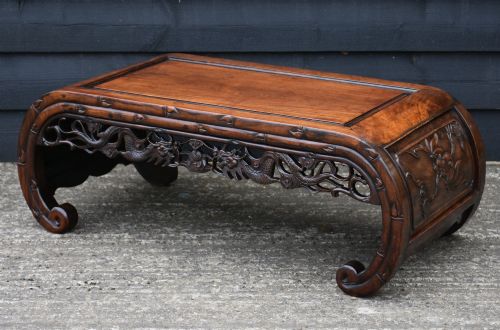
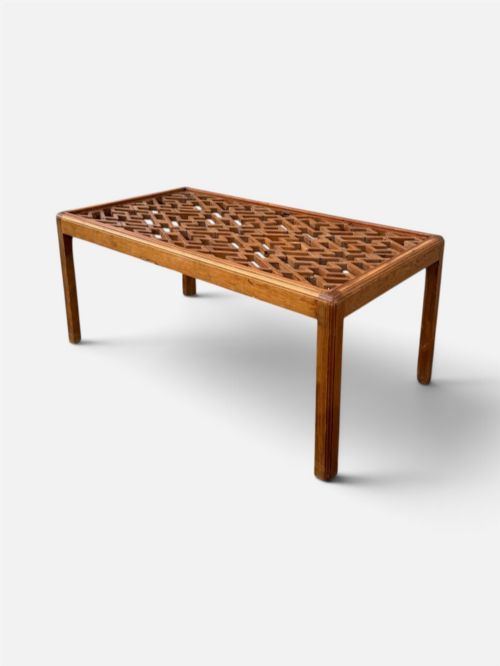
Origins stretch across Chinese, Japanese, and Burmese workshops, encompassing Qing dynasty influences, Meiji period chabudai designs, and European-influenced chinoiserie interpretations. Buyers encounter everything from simple village tables to formal tables featuring dragon details and fretwork panels.
How they were made
Constructed predominantly from solid timbers like elm, rosewood, teak, and general hardwood, these tables rely on traditional joinery that accommodates natural wood movement. Artisans shaped dense woods by hand, often incorporating floating panels within sturdy frames to prevent warping.
Surface treatments vary from clear wax finishes highlighting the natural grain of rustic elm to layers of dark lacquer applied over wood or composite bases. Raised relief details, gilt painting, and carved dragon motifs add decorative depth to select lacquer and hardwood examples.
Object types span coffee tables, desks, sideboards, and living room furniture sets originating from Chinese and Japanese traditions.
What varies in quality
The distinction between standard provincial items and finer examples rests on the choice of timber and the crispness of the carving. Dense rosewood and hongmu command attention through their heavy weight and enduring structural integrity, whereas softer woods show more surface wear.
Execution of decorative elements distinguishes workshop output, particularly in the depth of fretwork panels and the smoothness of lacquered finishes. Tables retaining original brass hardware, glass protective tops, or well-preserved gilt accents demonstrate superior preservation and craftsmanship.
Maison Bagues
The Vintage Asian Low Table Glossary
- Kang table
- A low platform table designed to sit on a heated brick bed in northern Chinese homes. These surfaces served for dining, writing, and social gathering.
- Chabudai
- A traditional short-legged Japanese table used for partaking in meals or tea while kneeling on tatami mats. They fold down in certain configurations for easy storage.
- Opium table
- A low-profile surface traditionally used in domestic settings for resting items or reclining. Modern collectors typically repurpose these sturdy low tables as coffee tables.
- Hibachi
- A traditional Japanese heating device or brazier that was occasionally built into low wooden cabinetry or tables. These pieces feature inset metal liners to contain heat or ash.
- Hongmu
- A translation meaning red wood, referring to dense, dark tropical hardwoods prized in traditional Chinese furniture making. The material ages to a deep, lustrous patina.
Vintage Asian Low Table: Frequently Asked Questions
How were these low tables originally used?
These low tables served domestic functions close to the floor, from serving tea and preparing calligraphy to supporting braziers for warmth. Households utilised them in kneeling postures on mats or elevated platforms.
Over time, many of these domestic surfaces transitioned into living rooms as coffee tables. Their proportions suit contemporary seating arrangements while maintaining their original utility.
What wood types appear most frequently?
Elm, rosewood, and general dense hardwoods form the primary material foundation across this selection. Artisans favored elm for provincial pieces due to its visible grain and structural resilience.
Hardwoods like hongmu and teak appear in more formal items, offering heavier weight and darker natural tones. Lacquer finishes also overlay the wood core on specific decorative examples.
How do I care for a lacquered surface?
Lacquered low tables require gentle maintenance to preserve the finish against drying and scratching. Dusting with a soft, dry cloth prevents particulate accumulation without abrading the surface.
Keeping the table away from direct sunlight and maintaining stable indoor humidity protects the lacquer and underlying wood from splitting. Protective glass tops often shield delicate panels from daily wear.
Are these tables suitable as coffee tables?
Their low height and sturdy construction make them natural alternatives to standard coffee tables. Dimensions align well with modern sofa heights, providing a stable surface for books and cups.
Many listings incorporate glass tops or resilient hardwood frames specifically suited to contemporary living spaces. Buyers should check individual height dimensions to match their specific seating.
How can I tell a Chinese table from a Japanese one?
Chinese examples often feature dense hardwoods, carved dragon motifs, or intricate fretwork panels reflecting Qing dynasty aesthetics. The timber choice frequently emphasises heavy rosewood or figured elm.
Japanese versions, such as hibachi or chabudai tables, lean toward simpler joinery, specific metal hearth inserts, or elm structures tied to Meiji period customs. Regional design cues reflect the distinct domestic traditions of each culture.