





Vintage Asian Decorative Pottery
These vintage asian decorative pottery pieces bring rich enamel colours and traditional forms into modern interiors.
Vintage Asian Decorative Pottery
Vintage asian decorative pottery encompasses a diverse selection of ornamental wares created across the nineteenth and twentieth centuries. Buyers seeking these items encounter vessels designed for display, including vases, bowls, plates, and lidded jars.
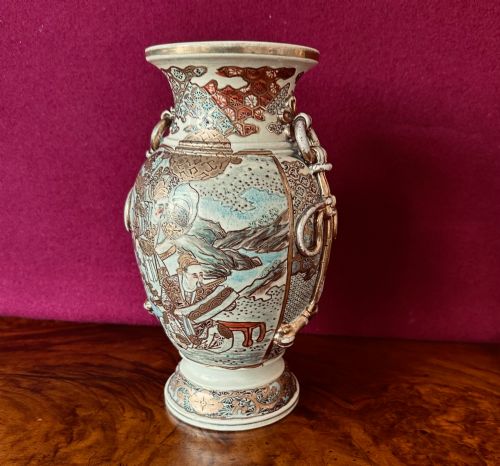
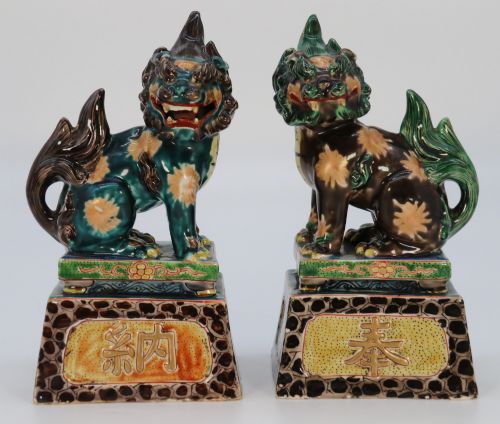
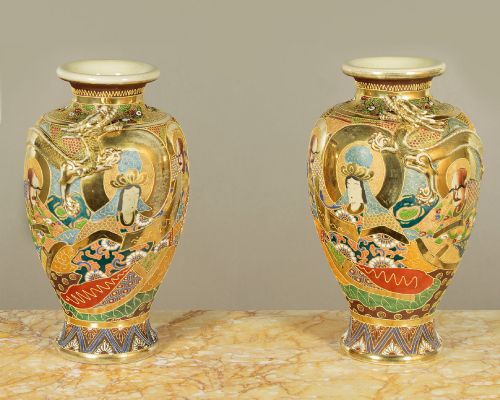
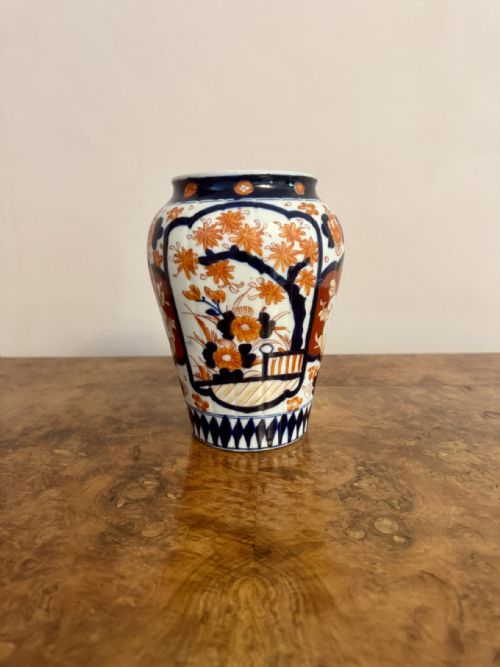
The objects appearing on this page span several distinct periods, notably the Meiji and Taisho eras, alongside later twentieth-century pieces. Japanese Satsuma and Imari wares form a prominent part of the selection, accompanied by Chinese cloisonne and earthenware.
Forms range from miniature vessels to large pairs of decorative vases and table lamps. Each item reflects the artistic traditions and export markets of its period of origin.
Materials and methods of manufacture
Potters and ceramicists utilised traditional bases of porcelain, ceramic, and earthenware to form the core structures of these vessels. Surface decoration relied heavily on detailed enamel work, often augmented by gold leaf, gilt, and colourful glazes.
Metalwork elements appear on specific items, such as cloisonne pieces constructed with brass wire outlines. Specialised techniques in Kyoto and other ceramic centres allowed artisans to apply intricate figural and landscape scenes directly onto the pottery.
Look closely for tiny applied figures tucked into floral borders, where potters hid miniature characters for observant buyers to discover.
Distinctions in quality and execution
Execution of detail separates standard decorative items from finer examples. The precision of hand-painted enamel work and the complexity of figural or landscape scenes indicate the skill of the original workshop.
Signatures by recognised artists or potteries elevate individual pieces. The overall balance of the form, preservation of surface gilding, and crispness of applied figures also define the standing of a vessel within the range.
Koshida·Kōko·Chosei·Hakusan
The Vintage Asian Decorative Pottery Glossary
- Satsuma
- A type of Japanese earthenware featuring a crackle glaze, typically decorated with intricate enamel and gold leaf motifs. These wares were widely produced for export during the nineteenth and early twentieth centuries.
- Imari
- A traditional style of Japanese export porcelain characterised by a palette of underglaze blue, iron red, and added gold. Production centred on the town of Arita and supplied European markets for generations.
- Cloisonne
- A metalwork technique where compartments are created on a base object using soldered wire and filled with enamel paste. The resulting pieces combine metallic outlines with vibrant coloured surfaces.
- Kutani
- Japanese coloured porcelain and pottery known for bold pictorial designs and rich surface patterns. These items often feature dominant shades of green, red, yellow, and purple.
- Meiji Period
- The era in Japanese history spanning from 1868 to 1912, marked by significant opening to international trade and artistic exchange. Wares from this time frequently display exceptional technical refinement.
Vintage Asian Decorative Pottery: Frequently Asked Questions
How do I identify Satsuma pottery?
Satsuma pottery is primarily recognised by its warm ivory-coloured earthenware body covered in a fine, web-like crackle glaze. This pale surface provides a background for densely painted enamel designs enriched with gold leaf.
Most pieces date from the Meiji period onwards, often bearing maker marks on the base. The style focuses heavily on figural scenes, flora, and fauna.
What is Japanese Imari porcelain?
Imari porcelain is defined by a distinctive colour palette that traditionally combines deep underglaze cobalt blue with iron red and touches of gilt. The patterns tend to be rich and complex, featuring repeating floral and geometric borders.
These wares were made in Hizen province and exported in large quantities to the West. Antique examples display a sturdy porcelain body under the heavy decoration.
How were decorative vases used originally?
Large decorative vases and lidded jars served as prominent display pieces in nineteenth and twentieth-century interiors. They were placed in parlours and drawing rooms to showcase the owner's taste for international craftsmanship.
Smaller vessels and miniature vases were intended for close appreciation on shelves or cabinets. Many surviving pieces retain this purely ornamental function today.
Are these items suitable for daily use?
These decorative wares are generally unsuited for modern culinary use or frequent handling. The delicate enamels and gold leaf decorations can wear down or suffer damage from regular washing.
Instead, they function best as static display items in domestic settings. Placing them away from direct heat sources helps preserve the glaze and pigments.