

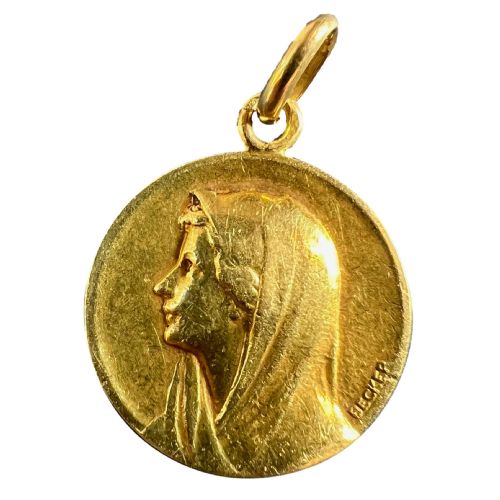
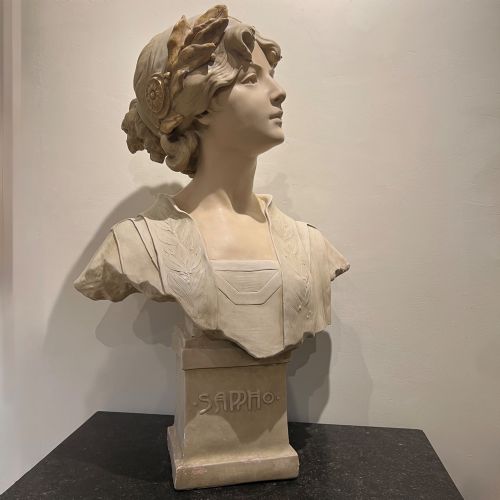
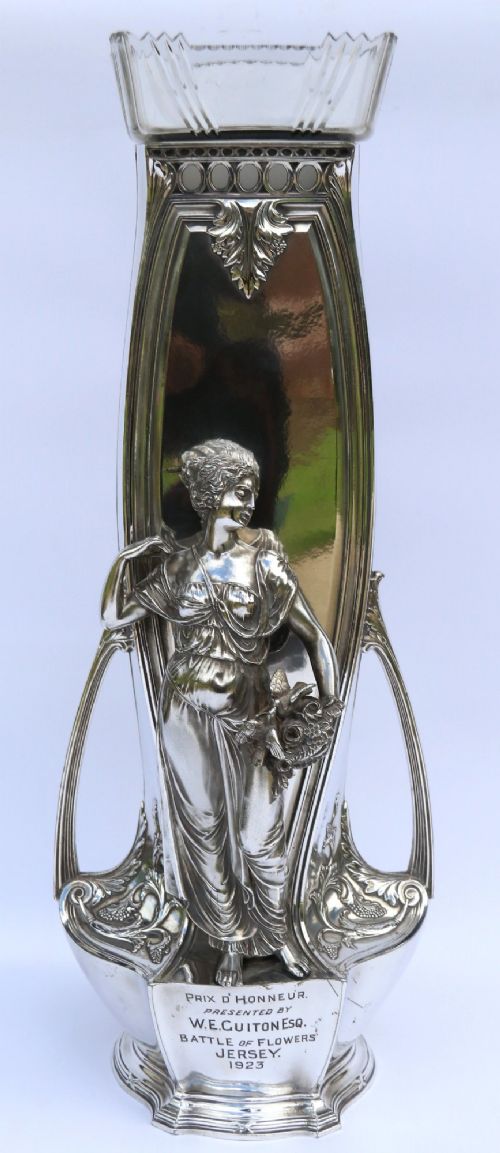
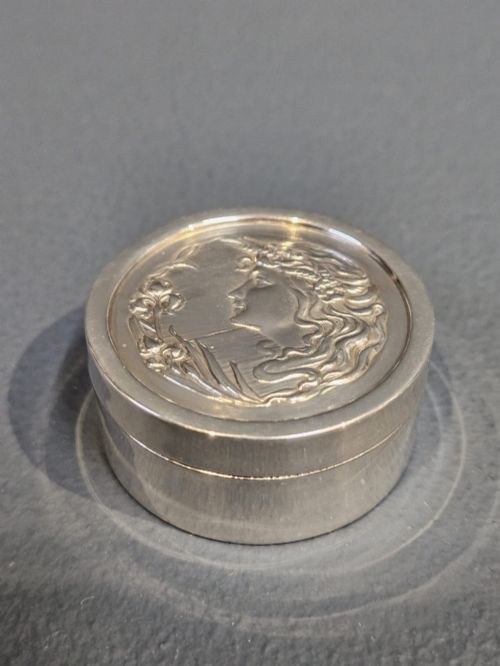
Vintage Art Nouveau
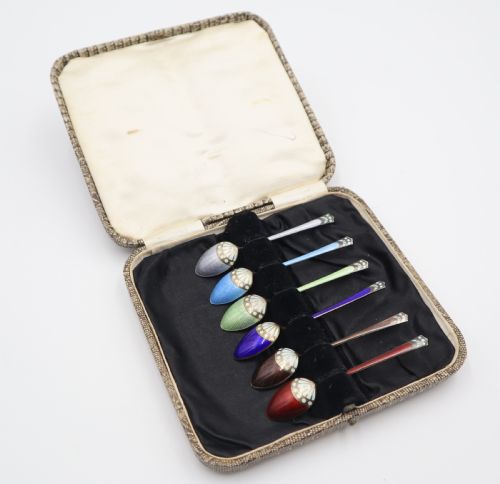
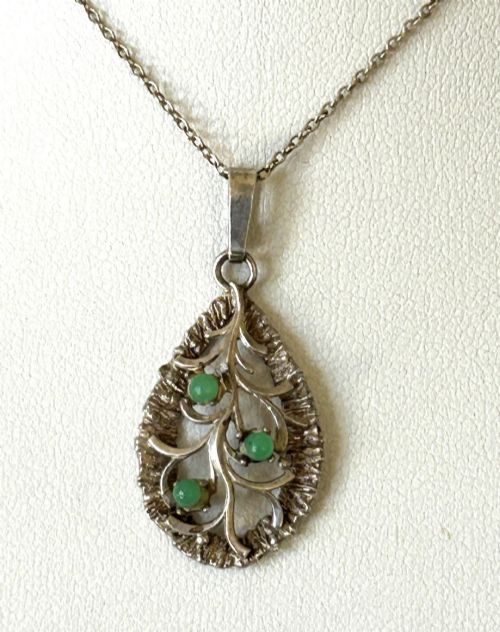
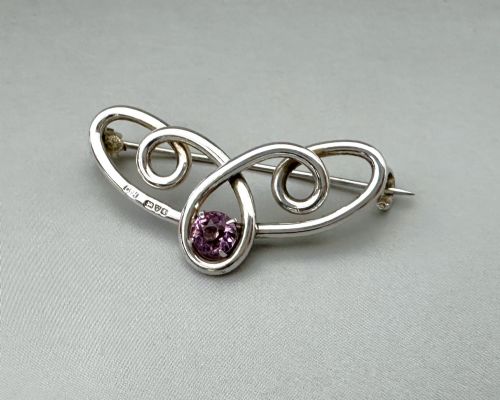
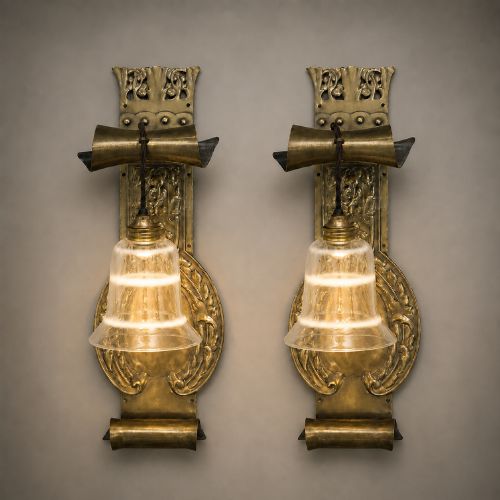
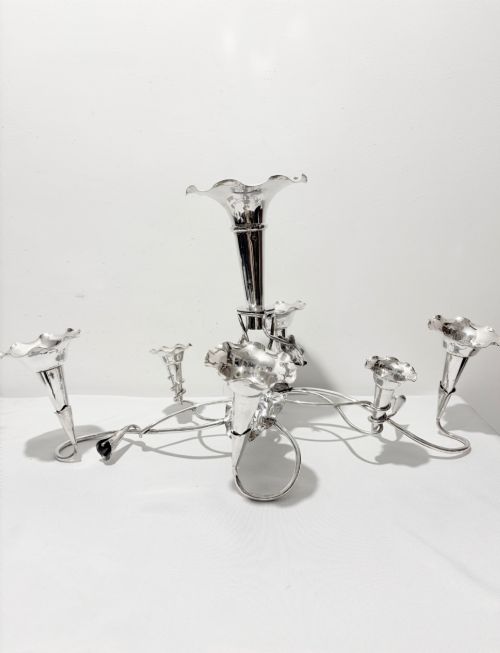
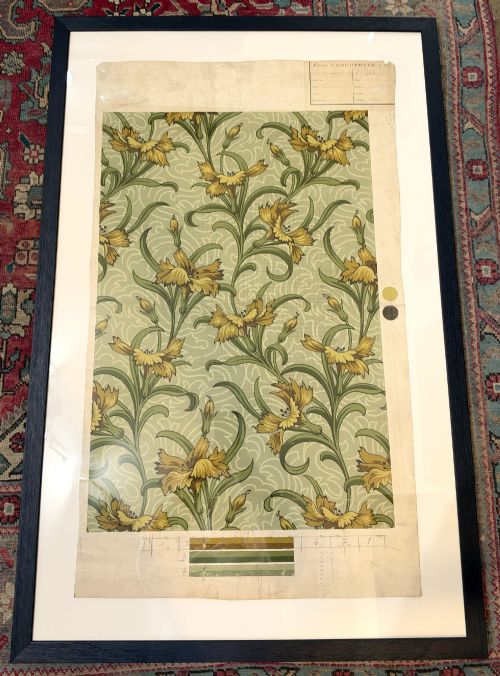
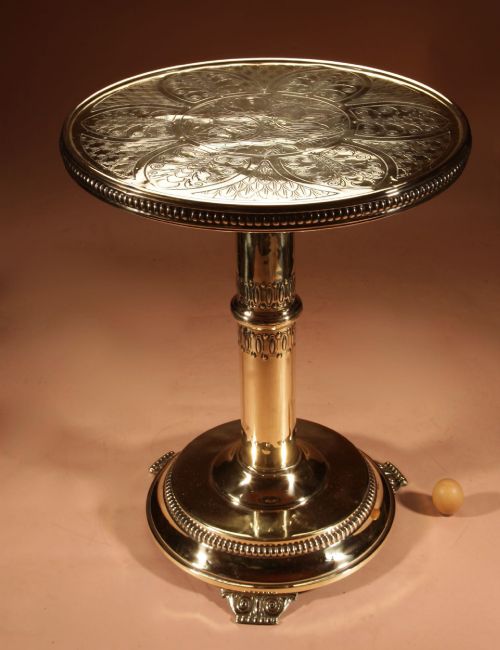
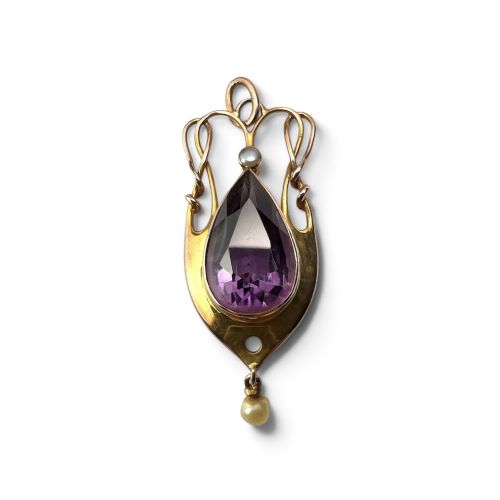
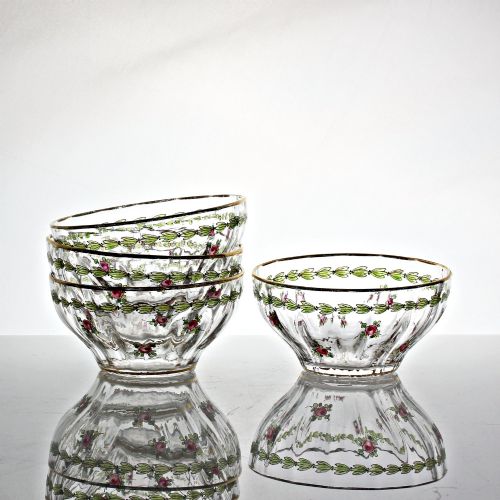
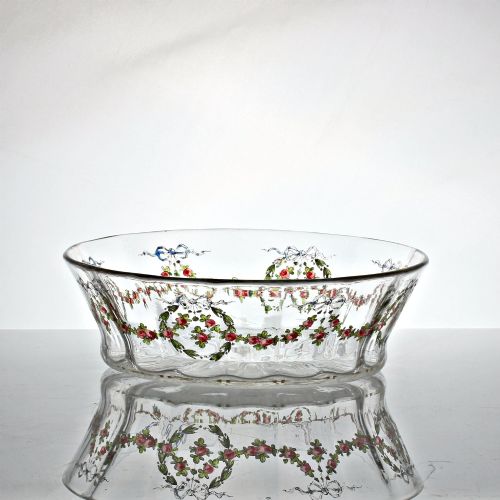
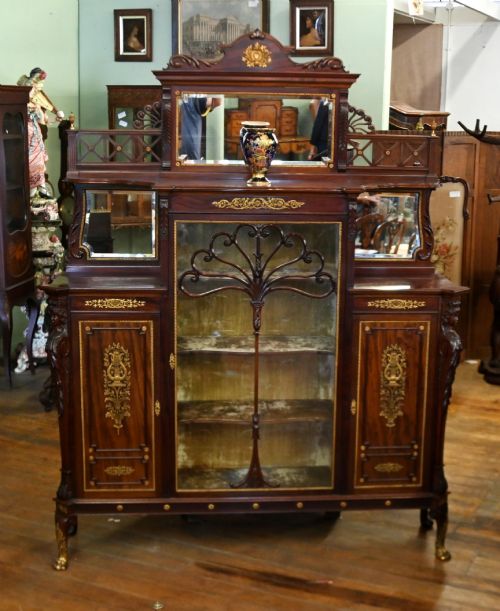
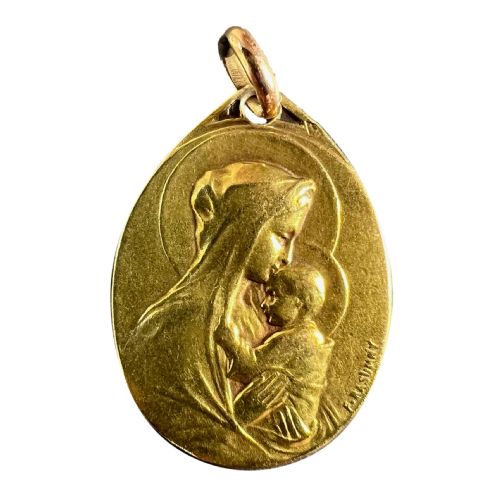
These vintage art nouveau pieces capture the flowing organic lines and natural motifs characteristic of turn of the twentieth century design.
Vintage Art Nouveau
Vintage art nouveau spans functional items and decorative objects produced across the Victorian, Edwardian and later periods, capturing a distinct turn-of-the-century aesthetic. These listings comprise everything from delicate jewellery and glassware to substantial furniture and lighting.
Vases, pendants and display cabinets dominate the selection, alongside items like brass bedsteads, copper jugs and bentwood armchairs. Buyers find pieces ranging from small earthenware vessels to large mahogany cabinets reflecting French, British and Viennese design influences.
How they were made
Makers utilised materials such as iridescent glass, glazed earthenware, patinated copper, brass and mahogany, often pairing them with precious stones like peridot and pearl. Metalwork involved casting, hammering and enamelling to achieve fluid, whip-line contours.
Ceramics relied on specialised slip glazes on stoneware bodies, while glassware was blown and treated with metallic oxides to create iridescent finishes. Woodwork combined steam-bent techniques for seating with precise inlay work on cabinetry.
Vintage Art Nouveau Retail Price Guide 2026
Typical asking prices for vintage art nouveau among the pieces listed under this phrase on Sellingantiques today, from the lower quarter to the upper quarter. They describe what is for sale here now, not the wider market.
Listings feature items spanning the Victorian, Edwardian and mid-century eras, incorporating materials from blown glass and glazed earthenware to solid mahogany and platinum.
What varies in quality
Quality separates through the crispness of the casting in metalwork and the depth of colour in glass and glazed ceramics. Superior pieces demonstrate meticulous attention to detail in hand-hammered surfaces or finely inlaid wooden veneers.
Design attribution to specific makers or workshops elevates a piece, as does the integration of precious materials like natural pearls, diamonds and high-carat gold within jewellery and pendants.
Royal Doulton·Moorcroft·Thonet·Georg Jensen·Murrle Bennett
The Vintage Art Nouveau Glossary
- Iridescent glass
- Glass treated with metallic vapours or oxides while hot to produce a rainbow sheen on the surface. This technique was favored by makers like Kralik to mimic natural phenomena.
- Bentwood
- Wood softened by steam and bent into curved shapes, commonly utilised by manufacturers like Thonet for chairs and hat stands. It allowed for lightweight yet sturdy frames with flowing structural lines.
- Slip glaze
- Liquid clay mixture applied to pottery before firing to impart colour and a glossy finish, seen extensively on stoneware and earthenware pieces from this era.
- Suffragette jewellery
- Pieces incorporating amethyst, peridot and pearl to display the colours associated with the women's suffrage movement. These items combine political symbolism with characteristic floral motifs.
Vintage Art Nouveau: Frequently Asked Questions
What defines vintage art nouveau?
This design movement emerged in the late nineteenth century, prioritizing asymmetrical plant forms, insect motifs and sinuous, flowing lines over rigid historical revival styles. It influenced everything from architecture and furniture to small personal items like pendants and hand mirrors.
Items from this era often bridge late Victorian and Edwardian aesthetics, utilising materials that highlight natural textures and organic movement.
How do I care for brass and copper items?
Metal items such as brass jugs, copper fire fenders and wall sconces require minimal intervention to preserve their historic patinas. Dusting with a soft cloth and avoiding harsh chemical polishes maintains the aged finish characteristic of these antiques.
For pieces with applied patination, cleaning should be strictly limited to gentle removal of surface debris to protect the original surface treatment.
Are bentwood items sturdy enough for daily use?
Steam-bent wooden furniture, such as armchairs and hall stands produced by makers like Thonet, was engineered for both commercial and domestic durability. The inherent tension in the curved wooden components provides remarkable strength and resilience.
Placing these pieces in stable indoor environments away from excessive moisture ensures the structural integrity of the bent joints remains sound.
How can I identify period jewellery?
Period pieces often feature specific gemstones like peridot, amethyst and seed pearls set in gold or silver mounts shaped into floral or whip-line silhouettes. Hallmarks and maker marks, such as those from Murrle Bennett or Georg Jensen, provide definitive confirmation of origin and metal purity.
Clasps, pin stems and setting styles also offer clues to the manufacturing decade, distinguishing turn-of-the-century work from later reproductions.