

Vintage Art Metalwork
Vintage art metalwork brings character to a room through beaten copper, polished brass and sculptural pewter shaped in the Arts and Crafts and Art Nouveau styles.
Vintage Art Metalwork
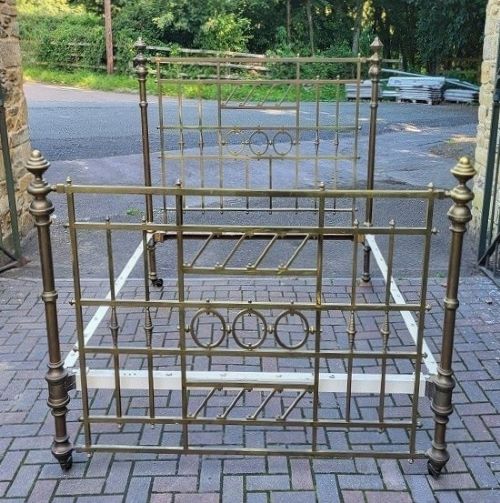
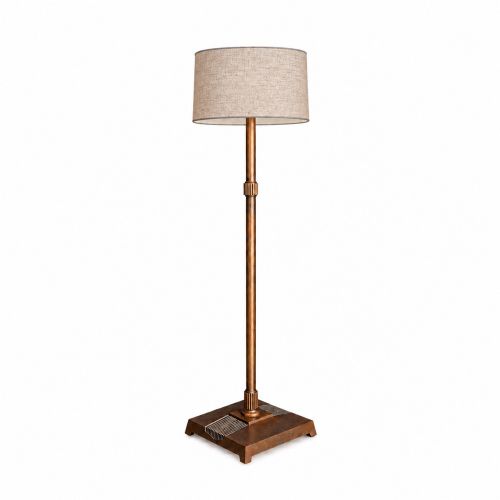
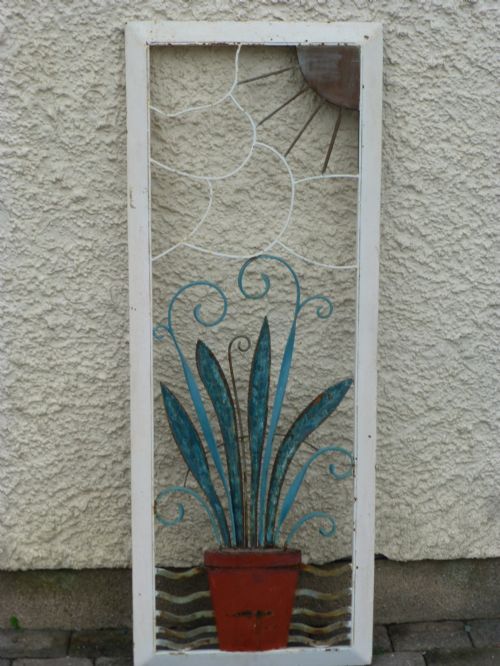
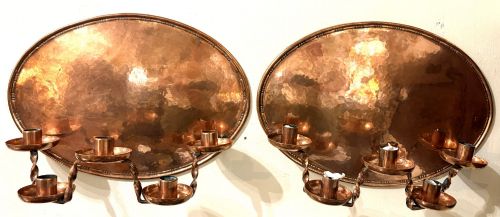
When searching for vintage art metalwork, buyers encounter functional and decorative items produced across the late nineteenth and early twentieth centuries. The selection spans domestic vessels and lighting, including chambersticks, jugs, trays and floor lamps, alongside architectural ironwork and decorative plaques.
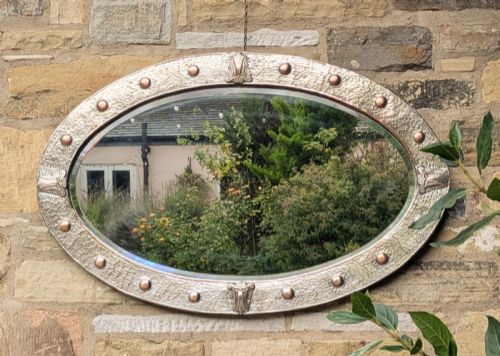
The objects stem predominantly from the Arts and Crafts, Art Nouveau and Art Deco movements, with notable representation of Amsterdam School designs and Japanese metalwork from the Meiji and Taisho periods. Pieces range from small trinket boxes and inkwells to large planters, coal buckets and wall mirrors.
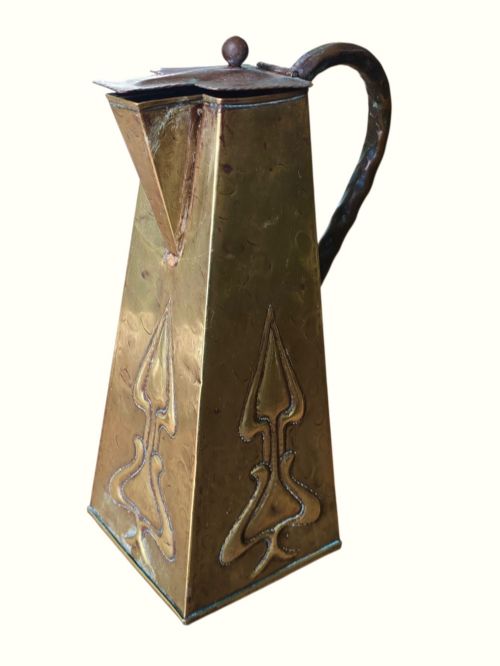
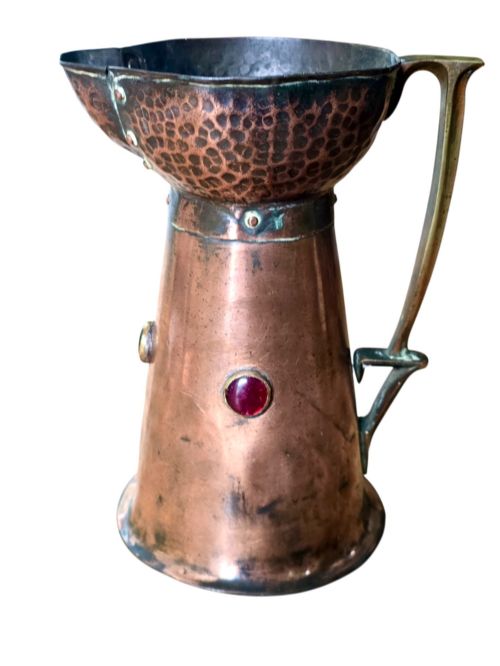
The most common forms on this page are copper and brass vessels and candlesticks made during the height of the Arts and Crafts movement around nineteen hundred. Buyers also find pewter tableware and enamel-mounted boxes that reflect the handcrafted ideals of that period.
How vintage art metalwork was made
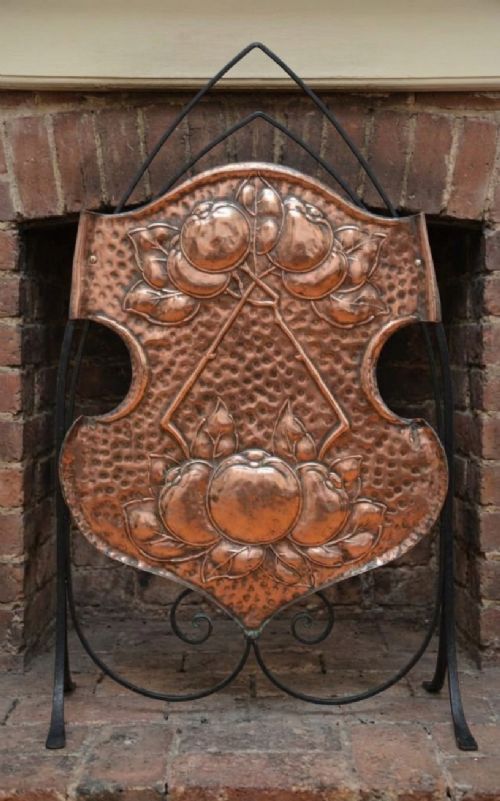
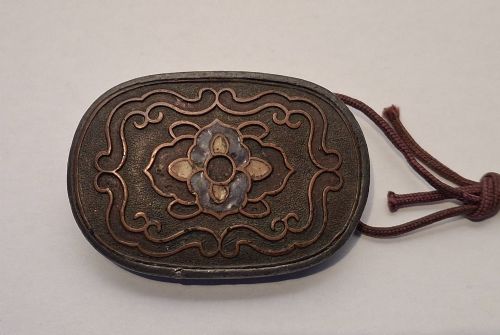
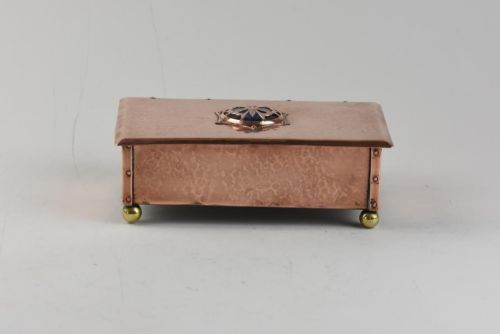
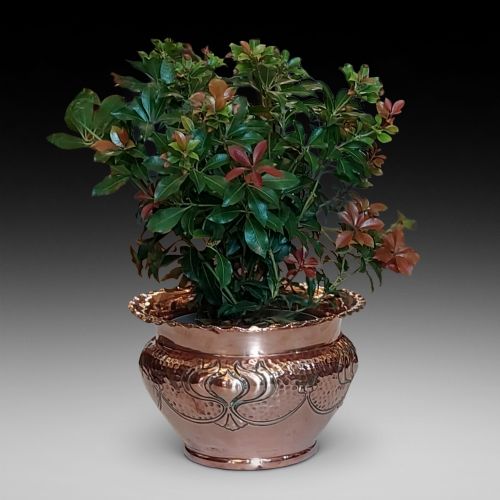
Makers shaped sheet copper, brass and pewter by hand, raising forms from single blanks and applying surface decoration through repoussé hammerwork. Metal surfaces were often patinated, left with visible tool marks or mounted with enamel cabochons and glass inserts.
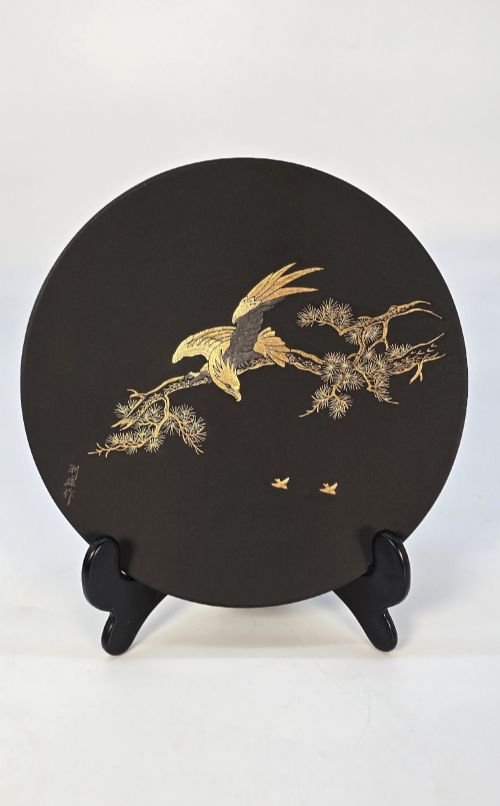
Casting was utilised for bronze vases, iron grilles and spelter figures, yielding sharper relief work and structural rigidity for candlesticks and lamps. Inlays of gold, silver and champlevé enamel added polychrome detail to Japanese iron and bronze plaques.
Vintage Art Metalwork Retail Price Guide 2026
Typical asking prices for vintage art metalwork among the pieces listed under this phrase on Sellingantiques today, from the lower quarter to the upper quarter. They describe what is for sale here now, not the wider market.
Listings feature items spanning the nineteenth century through the nineteen-thirties, executed in copper, brass, pewter, bronze, iron, glass and enamel.
What varies in quality in vintage art metalwork
Quality rests upon the crispness of the hand-hammered relief and the integrity of the original patination rather than machine finish. Superior pieces show confident tool marks and balanced proportions, with enamel cabochons securely mounted and undamaged by later polishing.
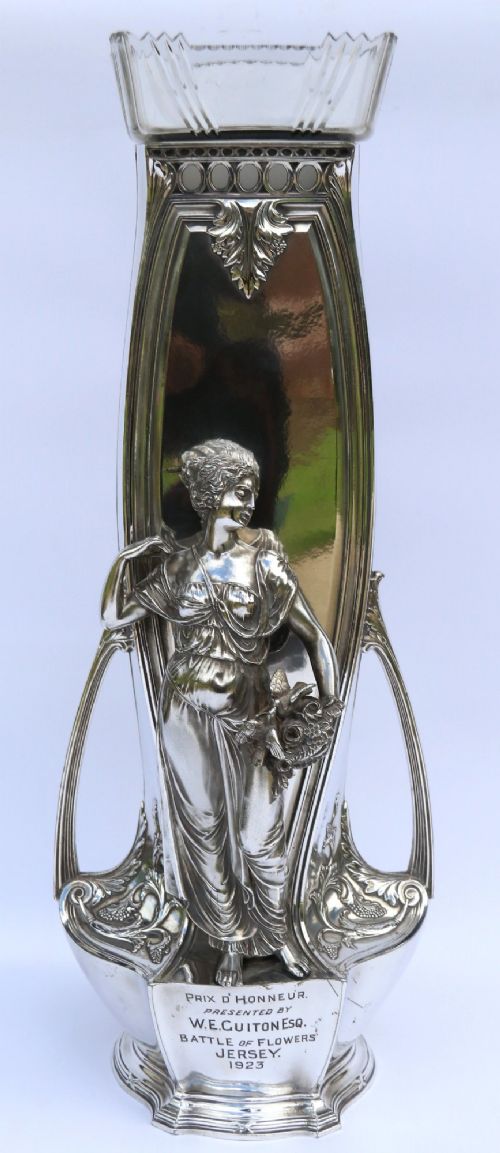
Design attribution elevates a piece significantly, particularly when associated with recognised designers like Archibald Knox or workshops such as Tudric and WMF. Finer items integrate decorative elements cohesively into the functional form rather than relying on surface stamping alone.
James Shoolbread & Co·William Soutter & Sons·Raymond Subes·Archibald Knox for Liberty & Co·Hugh Wallis·C Masson
The Vintage Art Metalwork Glossary
- Repoussé
- Metalwork shaped by hammering from the reverse side to form a raised design in relief. This technique defines much of the surface decoration on Arts and Crafts copperware.
- Cabochon
- A polished, convex gemstone, glass or enamel piece without facets, frequently set into metal boxes, inkwells and wall sconces.
- Patination
- The surface coloration and sheen developed naturally over time or applied chemically by the maker. A well-preserved pat patina adds depth to copper and bronze.
- Pricket
- A sharp metal spike set in the drip pan of a candlestick to secure a candle. This form appears frequently in Amsterdam School brass work.
- Cloisonné
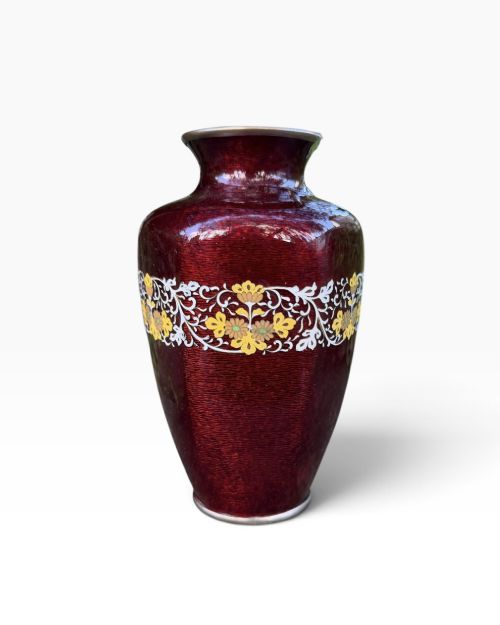
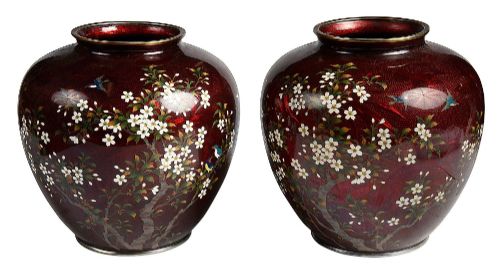
- Enamelling technique where metal wire forms compartments on a metal base to hold vitreous paste before firing. Japanese examples often display intricate avian and floral motifs.
Vintage Art Metalwork: Frequently Asked Questions
Are pewter pieces safe for food use?
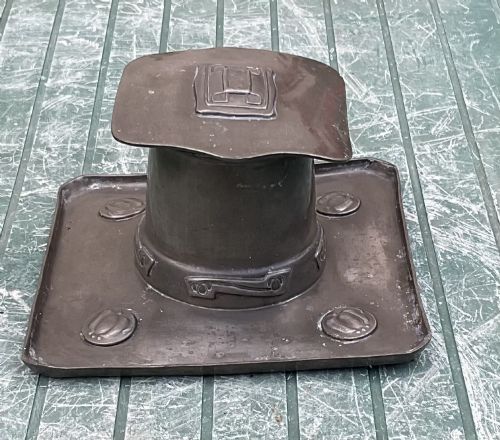
Vintage pewter items such as inkwells, candlesticks and decorative chargers are intended for display rather than culinary use. Older alloys can contain lead or other reactive metals that are unsuitable for modern dining.
Keep pewter away from damp environments to prevent corrosion and surface pitting. Dust them regularly with a dry cloth to protect the soft metal.
How can I tell Arts and Crafts from Art Deco metalwork?
Arts and Crafts metalwork emphasises hand-beaten surfaces, visible hammer marks and nature-inspired motifs like leaves, flowers and butterflies in copper and pewter. The construction feels organic and grounded in medieval guild traditions.
Art Deco pieces favour sleek geometric lines, stylized figures in spelter or iron, and machine-smooth finishes in bronze and brass. The overall aesthetic looks forward to industrial modernity rather than craft revival.
What is Amsterdam School metalwork?
Amsterdam School metalwork originated in the Netherlands during the early twentieth century, known for its expressionist forms and heavy patinated brass or copper construction. These pieces often feature exaggerated proportions and architectural silhouettes.
Pricket candlesticks and large vessels from this movement make striking focal points in modern interiors. Their robust construction and dark patination contrast well with minimalist spaces.