


Vintage Art Deco Seating
Vintage art deco seating brings bold geometric lines and club comfort into a room, offering tactile leather and rich burr walnut finishes.
Vintage Art Deco Seating
Vintage art deco seating encompasses armchairs, club chairs, dining chairs, sofas, stools, and club fenders originating primarily from the 1920s and 1930s. Pieces span British, French, and Swedish workshops, reflecting varied regional interpretations of the style from Edwardian roots onward.
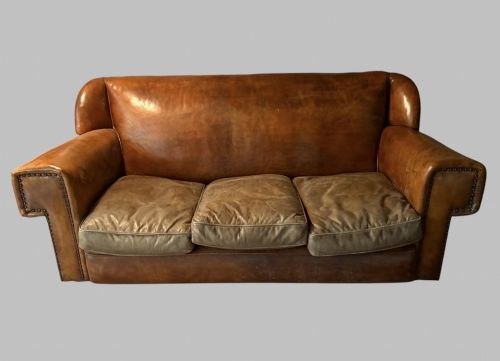
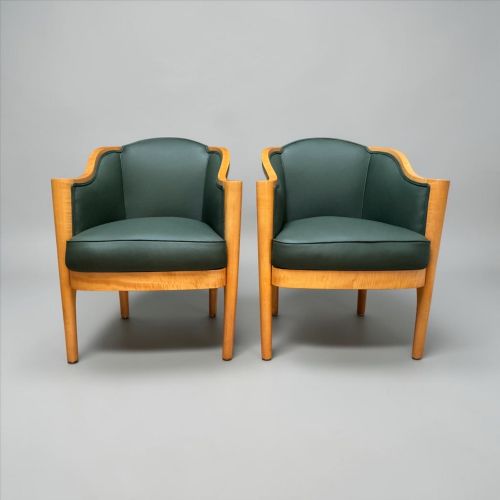
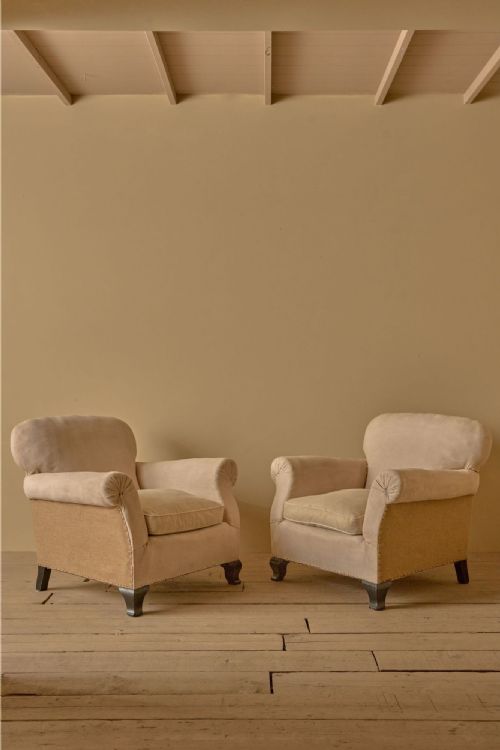
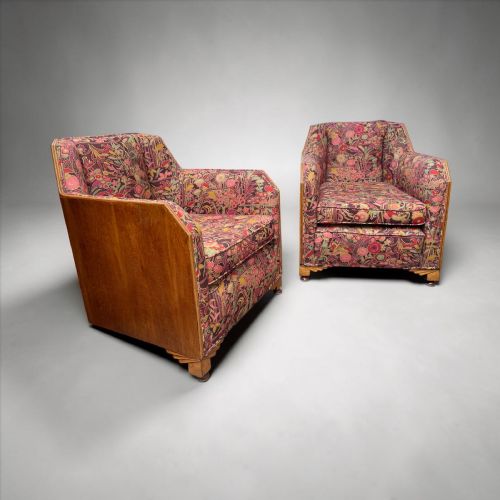
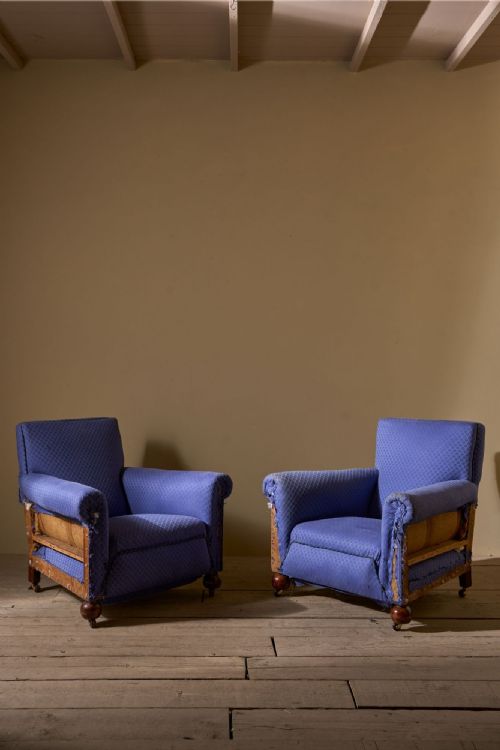
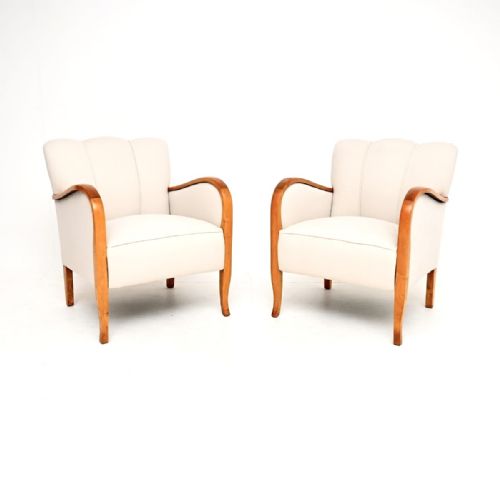
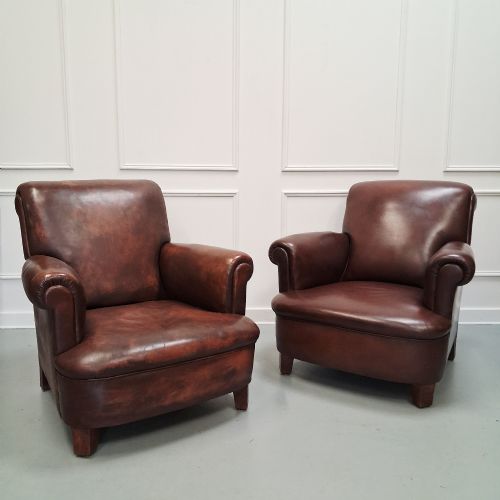
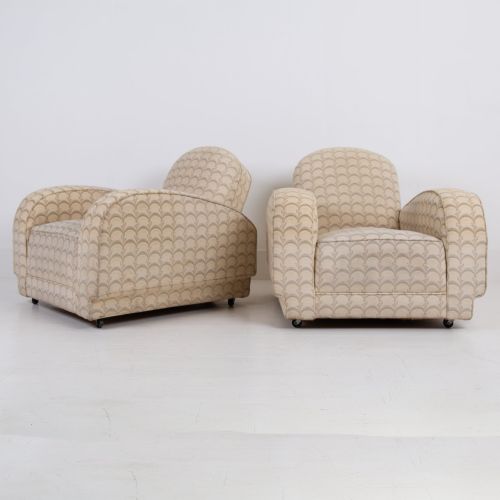
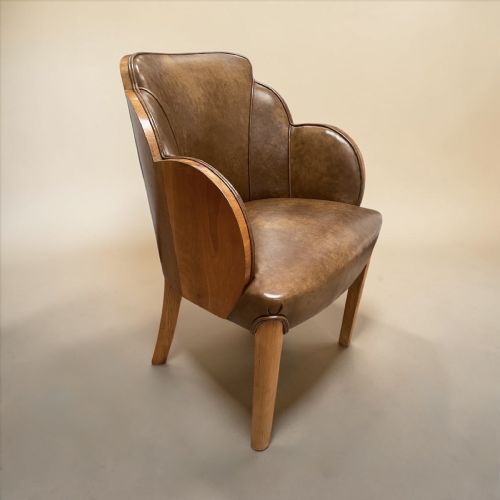
The most common survivors on this page are pairs of leather club chairs and satin birch armchairs from the 1930s. Buyers also frequently encounter dressing table stools, occasional chairs, and lounge suites with generous proportions.
Materials and Construction
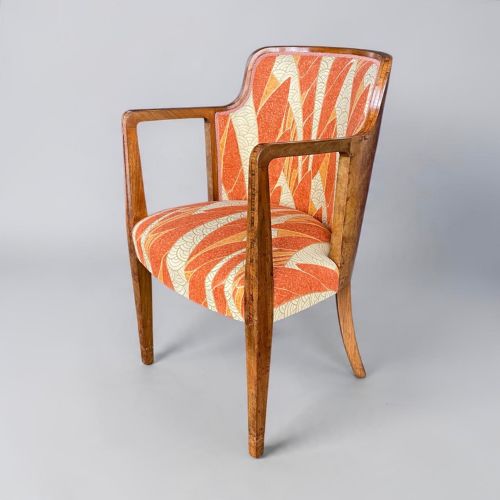
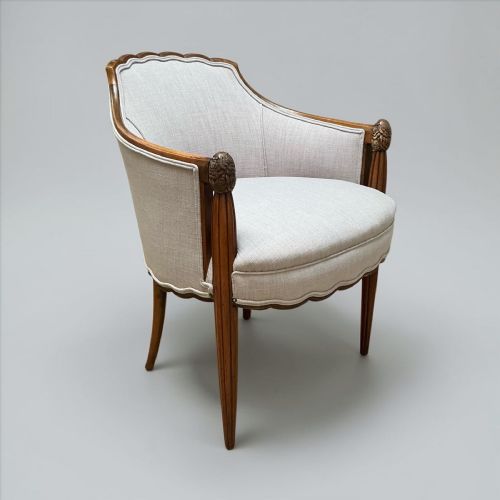
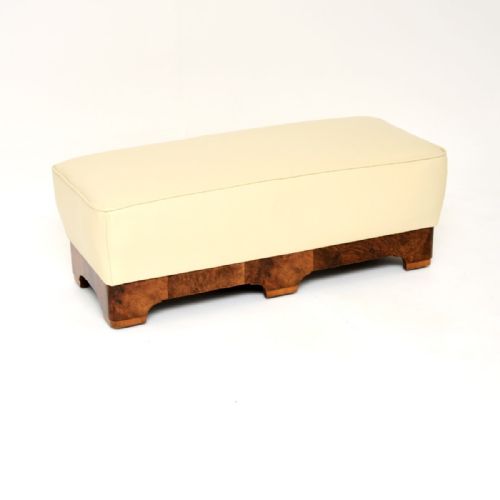
Frames rely on sturdy timbers such as oak, walnut, burr walnut, sycamore, and satin birch, often shaped with bentwood techniques or substantial joinery. Upholstery utilises supple leather, velvet, and woven fabric over supportive sprung interiors.
Surfaces showcase natural wood grains enhanced by polishing, alongside occasional metal elements like brass. Construction emphasises robust construction methods suited to heavy daily use.
Vintage Art Deco Seating Retail Price Guide 2026
Typical asking prices for vintage art deco seating among the pieces listed under this phrase on Sellingantiques today, from the lower quarter to the upper quarter. They describe what is for sale here now, not the wider market.
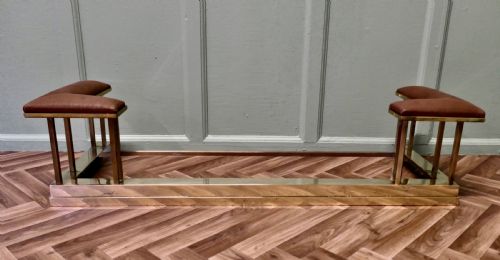
Some sturdy club fenders let you sit directly over the fireplace hearth while warming your toes on brass framework.
Assessing Distinction
Superior examples distinguish themselves through the selection of exotic wood veneers like burr walnut and satin birch, matched with heavier, deeply patinated leather. The integrity of the original frame construction and the subtlety of the geometric carving dictate the standing of a piece.
Attribution to documented makers and the retention of original upholstery or period-correct textiles elevate the desirability of individual suites and armchairs. Proportions that balance architectural presence with comfort separate standard production items from distinguished commissions.
Hille·Harry and Lou Epstein·Bath Cabinet Makers·Heals
The Vintage Art Deco Seating Glossary
- Club chair
- A deep, low-slung armchair upholstered in leather with padded arms, designed for lounging.
- Burr walnut
- A highly figured wood veneer taken from the growth burls of walnut trees, prized for swirling grain patterns.
- Club fender
- A low, padded metal or leather-topped hearth surround that doubles as bench seating.
- Bentwood
- Wood softened by steam and bent into curved structural forms, utilised in frames.
- Satin Birch
- A pale, lustrous timber originating from birch trees, favoured in Scandinavian design for a smooth finish.
Vintage Art Deco Seating: Frequently Asked Questions
How do I identify French art deco seating?
French pieces often emphasise luxurious leather upholstery and dramatic club chair profiles with rounded, enveloping arms. They frequently date from the 1930s and lean towards heavy, tactile comfort.
In contrast, British and Swedish counterparts often highlight blonde woods like satin birch and oak alongside architectural frames.
Were these chairs meant for dining or lounging?
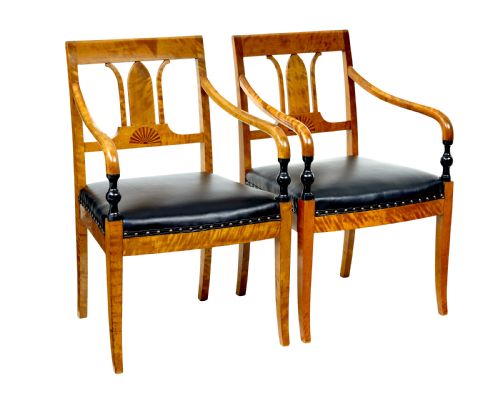
The selection includes both supportive dining chairs with oak frames and deep club chairs built for relaxation. Lounge suites and occasional chairs served reception rooms and bedrooms.
Stools were manufactured specifically for dressing tables and piano use during the 1930s.
What is a club fender?
A club fender is a low seating structure traditionally placed around a fireplace hearth, combining a metal frame with leather-topped seats. They provided a warm, social seating area in period rooms.
Examples from the 1920s pair brass frameworks with durable leather cushions.
How should I care for leather upholstery?
Leather upholstery benefits from regular dusting and occasional conditioning to maintain suppleness and prevent drying. Keeping pieces away from direct heat sources preserves the natural patina.
Original hides require gentle handling to retain their historic character.