




Vintage Arita Ware
Vintage arita ware brings traditional Japanese porcelain into your home, offering centuries of fired craftsmanship and distinct decorative design.
Vintage Arita Ware
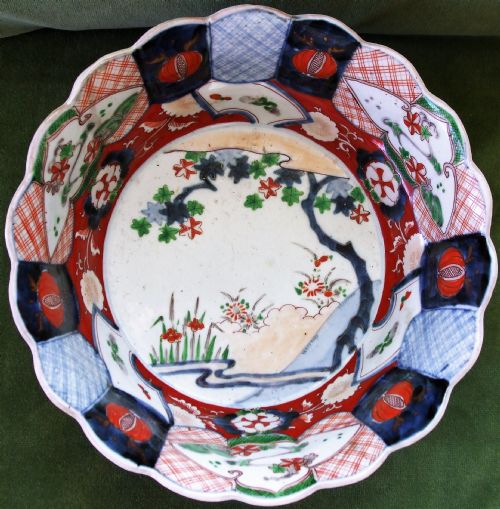
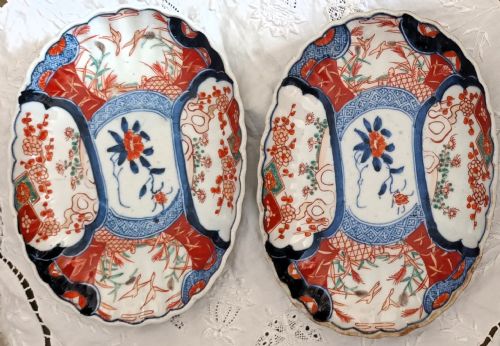
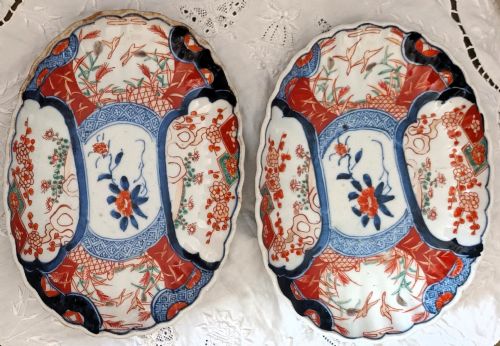
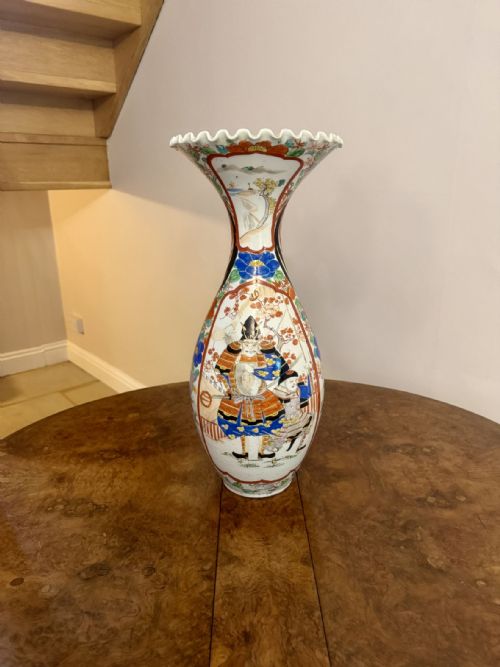
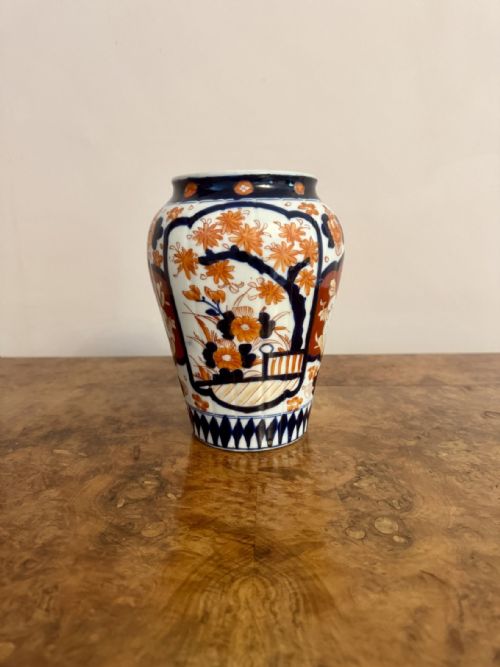
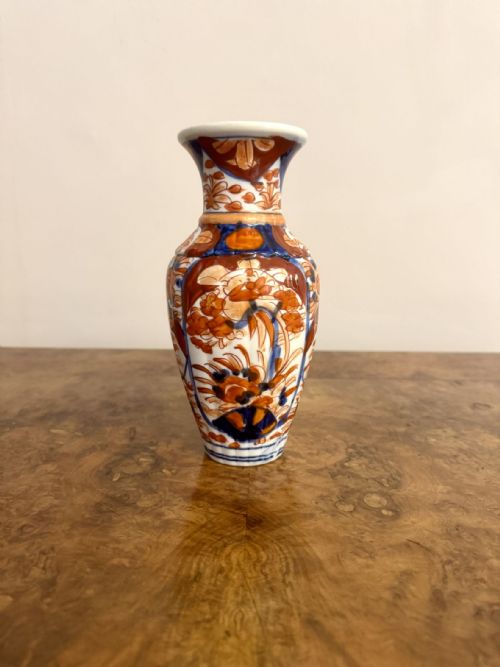
Vintage arita ware encompasses historic Japanese porcelain pieces produced in the town of Arita, spanning centuries from the Edo period through the Meiji period and into the early twentieth century. Buyers seeking this category encounter an array of decorative forms including large chargers, scalloped bowls, plates, and vases.
The objects most frequently met on this page belong to the nineteenth century and the period around nineteen hundred, showcasing the enduring popularity of Japanese Imari styles. These pieces range from intimate clam shell dishes to substantial garniture sets, reflecting both domestic utility and historic export traditions.
Earlier examples dating to the seventeenth and eighteenth centuries also appear, demonstrating the foundational blue and white traditions alongside polychrome enamels. Each form serves primarily as a decorative vessel or display piece, shaped by the kiln techniques of its specific era.
Materials and Techniques
The foundation of vintage arita ware is white porcelain clay shaped on the wheel or pressed into moulds to create plates, bowls, and vases. Artisans applied cobalt underglaze pigments directly to the unfired clay body to achieve deep blue designs.
Overglaze decoration involved the application of enamel colours and gold leaf or gilt accents, fixed through subsequent low-temperature firings. This combination of cobalt underglaze and rich enamel glaze created the characteristic multi-coloured palette seen across Imari wares.
Vintage Arita Ware Retail Price Guide 2026
Typical asking prices for vintage arita ware among the pieces listed under this phrase on Sellingantiques today, from the lower quarter to the upper quarter. They describe what is for sale here now, not the wider market.
Certain early dishes take the exact shape of clam shells, bringing marine forms directly into the traditional Japanese ceramic kiln.
Assessing Quality and Execution
The distinction between standard output and the finest examples lies in the precision of the hand-painted brushwork and the vibrancy of the enamel glaze. Superior pieces exhibit crisp cobalt lines and meticulously applied gold leaf that integrate harmoniously with the porcelain body.
Form and proportion also define the upper tier of these ceramics, where scalloped edges, hexagonal profiles, or complex shell shapes are executed with exact symmetry. Heavier porcelain bodies and substantial chargers command attention through their sheer scale and the balanced distribution of complex decorative motifs.
Fukagawa
The Vintage Arita Ware Glossary
- Arita Ware
- Japanese porcelain originating from the town of Arita in Hizen province. It represents one of the oldest and most significant ceramic traditions in Japan.
- Imari
- A style of Japanese export porcelain decorated in underglaze blue, iron red, and gold. This aesthetic heavily influences the majority of nineteenth-century pieces.
- Meiji Period
- The era in Japanese history lasting from eighteen sixty-eight to nineteen twelve. Pieces from this time often display intricate decorative ambition and technical refinement.
- Edo Period
- The period of Japanese history lasting from sixteen hundred and three to eighteen sixty-eight. Early Arita and blue and white wares originate from this foundational era.
- Cobalt Underglaze
- A blue pigment applied to the raw porcelain body before glazing and firing. It provides the permanent dark blue foundation beneath the clear glaze.
- Enamel Glaze
- Coloured glass pastes applied over fired porcelain and heated again at a lower temperature. This technique allows for bright reds, greens, and other surface hues.
Vintage Arita Ware: Frequently Asked Questions
What is vintage arita ware?
Vintage arita ware refers to porcelain ceramics produced in the Hizen province around Arita, Japan. These pieces include decorative plates, bowls, and vases created for both domestic use and international export.
The tradition spans hundreds of years, encompassing early blue and white designs as well as richly coloured Imari styles from the nineteenth and early twentieth centuries.
How do I identify Meiji period arita?
Meiji period pieces often feature vibrant Japanese Imari colour palettes combining cobalt blue, iron red, and gold leaf. The craftsmanship reflects the opening of trade during the late nineteenth century.
Look for detailed hand-painted motifs on scalloped edges, plates, and vases that match the aesthetic standards of eighteen eighty to nineteen twenty.
How should I display arita bowls and plates?
Larger chargers and deep bowls make striking centrepieces on dining tables or sideboards when supported by sturdy stands. Wall mounting brackets can also showcase decorative plates safely.
Because these porcelain items are durable, they suit various interior settings, though placing them away from high-traffic edges prevents accidental knocks.