

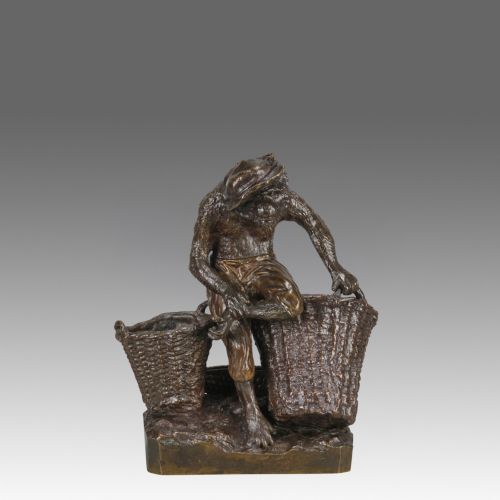
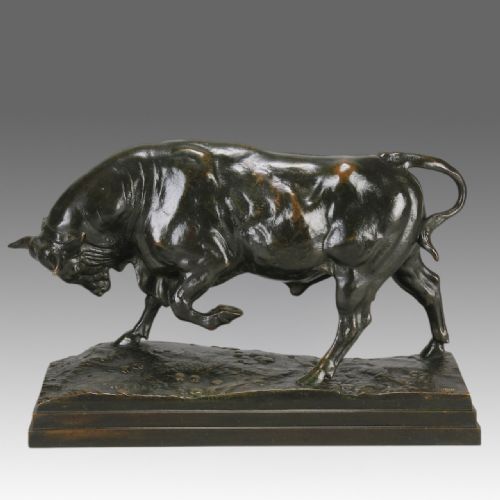
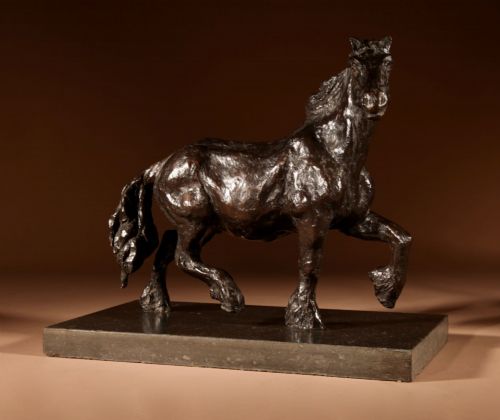

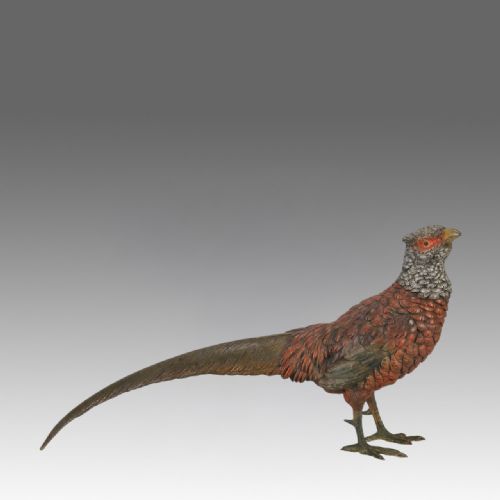
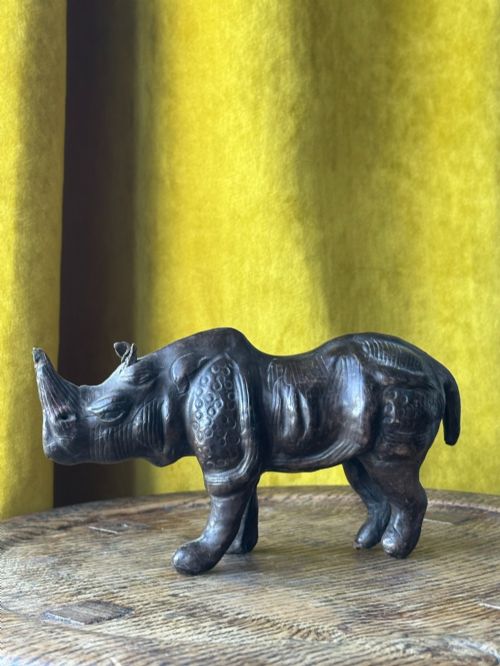
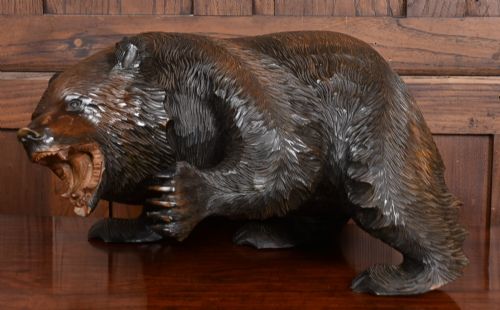

Vintage Animal Statuette
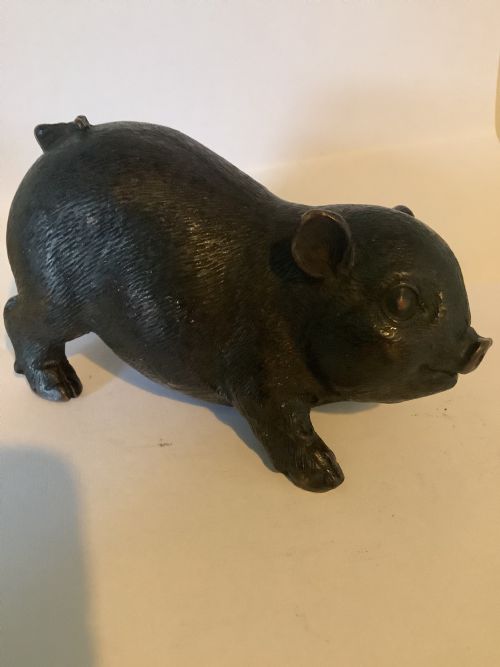
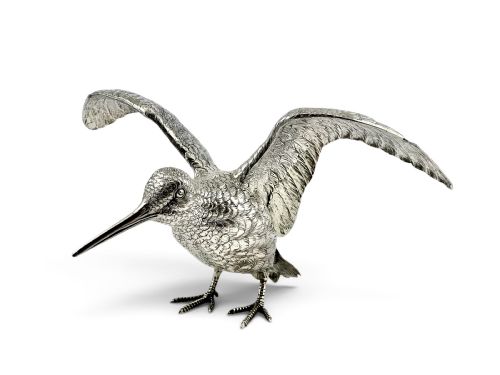
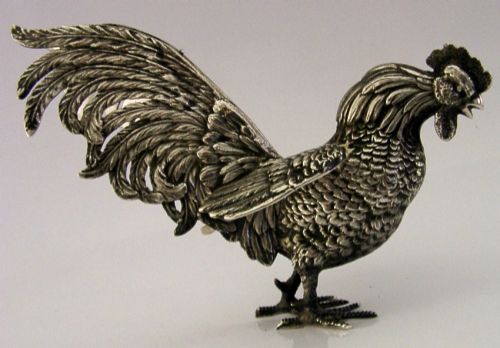
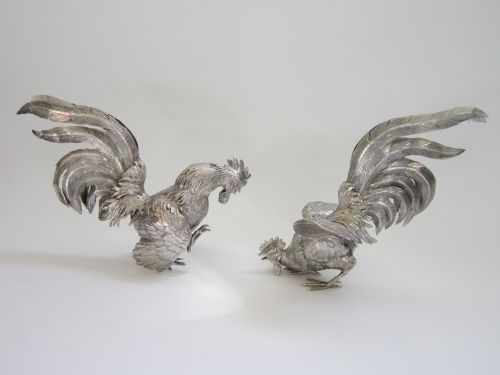
These vintage animal statuette pieces capture fauna in bronze, silver, wood and porcelain, offering a compact sculptural presence for desks and cabinets.
Vintage Animal Statuette
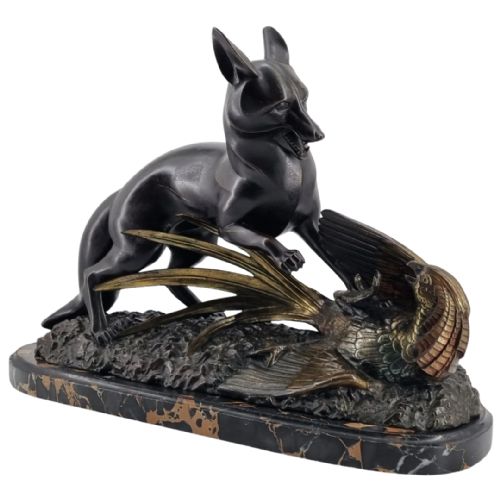
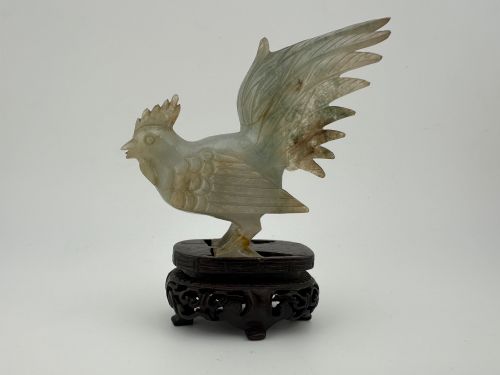
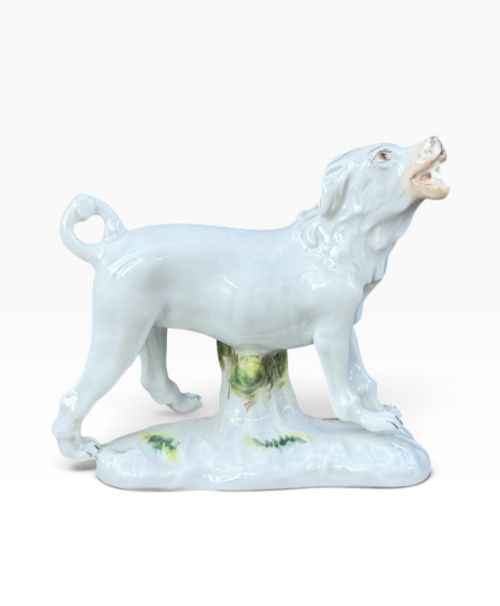
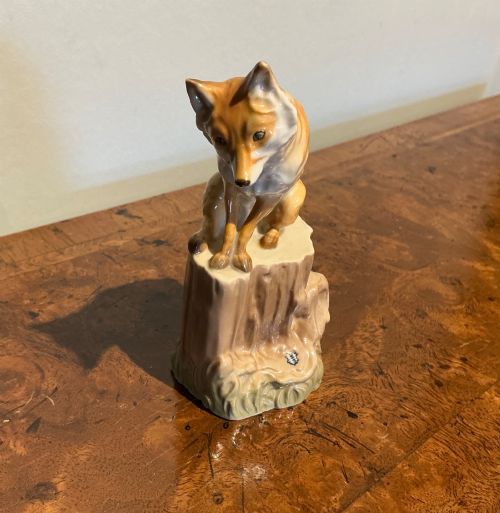
A vintage animal statuette brings sculptural depictions of wildlife and domestic creatures into interior spaces. These objects range from nineteenth-century animalier bronzes to mid-century silver figures and carved wooden studies.
The selection includes desk accessories, paperweights and cabinet sculptures representing dogs, foxes, birds and larger mammals. Originating from diverse periods and workshops, each piece reflects the prevailing sculptural tastes of its decade.
Materials and construction
Foundry-cast bronze and sterling silver form the backbone of many metal pieces, often finished with cold painting or patination. Wood carving and glazed porcelain appear alongside reconstituted stone and leather-covered models.
Details emerge through chased surface work, hand-applied polychrome paint layers and mountings on green onyx or marble bases. Artisans utilised traditional casting, hand-carving and ceramic glazing methods suited to each medium.
Vintage Animal Statuette Retail Price Guide 2026
Typical asking prices for vintage animal statuette among the pieces listed under this phrase on Sellingantiques today, from the lower quarter to the upper quarter. They describe what is for sale here now, not the wider market.
Dentist bears and smoking mice populate the Victorian and Art Deco metalwork selections.
Distinguishing quality
Anatomy, proportion and crispness of surface detail separate finer works from standard decorative items. The precision of the casting chaser's tool or the hand-painted markings dictate the visual impact of metal and ceramic subjects.
Signatures, foundry marks and known publisher stamps provide context for origin and maker attribution. The integrity of patination, paint adhesion and material preservation underpin the physical condition of older examples.
Christophe Fratin·Antoine Louis Barye·Franz Bergman·Liberty & Co.·Edith Parsons
The Vintage Animal Statuette Glossary
- Animalier
- A nineteenth-century artistic movement focusing on realistic depictions of animals, particularly in bronze. Sculptors in this tradition studied anatomy extensively.
- Cold painted bronze
- Metal sculpture painted with non-heat-curing paints after casting. This technique was widely employed in Austrian workshops during the early twentieth century.
- Patina
- The surface sheen or colour change developed on metal or wood over time through age and handling. Artisans also create artificial patinas using chemical treatments.
- Shiwan pottery
- A style of Chinese ceramic ware known for expressive figures and rich glazes. Pieces from this tradition often depict historical or natural subjects.
- Desk ornament
- A small decorative sculpture intended for placement on a writing desk or table. Many double as paperweights or inkwell attachments.
Vintage Animal Statuette: Frequently Asked Questions
How do I clean a bronze animal statuette?
Dust gently with a soft brush and avoid liquid cleaners that strip patination. Preserving the natural surface preserves the age characteristics.
Consult a specialist before attempting any deep cleaning or wax application on older metal finishes.
What is an animalier bronze?
Animalier refers to nineteenth-century sculptures focusing on realistic animal forms. These works emphasise natural movement and anatomical accuracy.
French and Austrian foundries produced many notable examples using traditional lost-wax casting methods.
Are these figures solid silver?
Hallmarks and metal testing distinguish solid sterling silver and 833 grade silver from silvered bronze or plated items. Stamped marks provide assay office and date details.
Weight often serves as a preliminary indicator of solid metal construction versus hollow or filled pieces.
Where were cold painted bronzes made?
Vienna served as the primary centre for cold painted bronze production during the late nineteenth and early twentieth centuries. Workshops employed specialised painters for surface detailing.
Subjects ranged from domestic pets to exotic wildlife and Orientalist figures.