





German Porcelain Animal
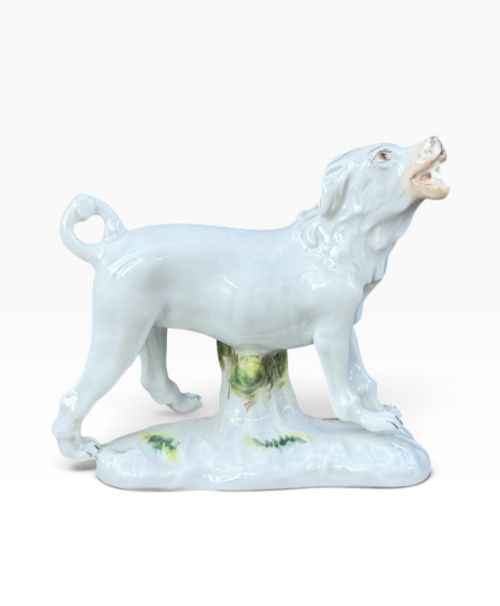
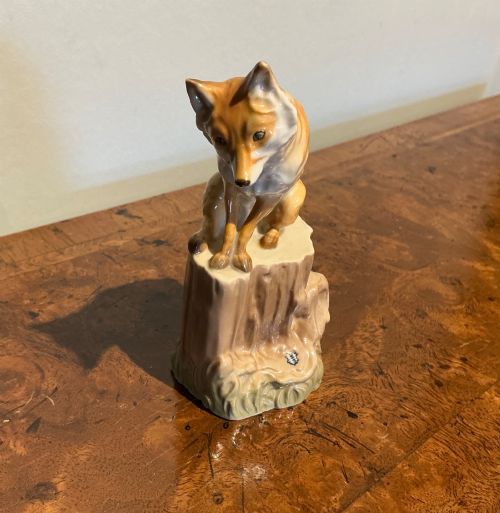
A german porcelain animal brings spirited character and exceptional modelling into a room, spanning delicate eighteenth century groups to robust twentieth century figures.
German Porcelain Animal
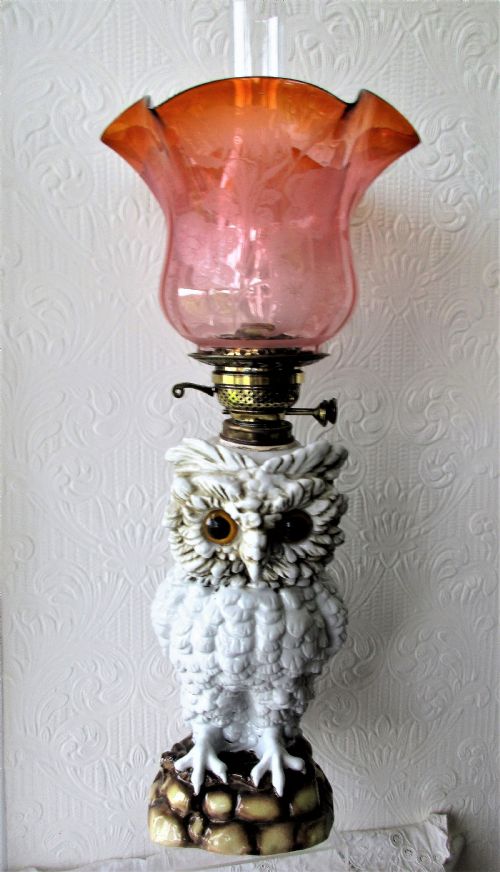
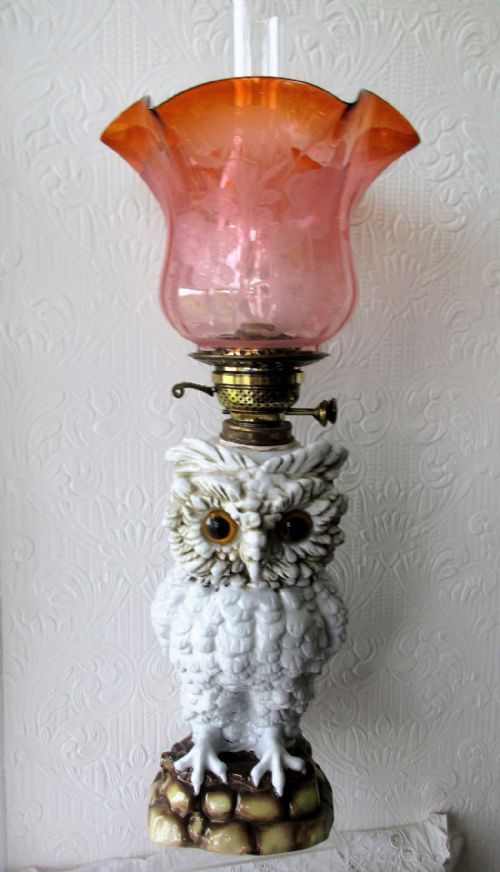
A german porcelain animal captures subjects ranging from exotic wildlife to domestic pets across various centuries of European ceramic production. These pieces take the form of freestanding figurines, sculptural groups, and functional oil or table lamps.
Examples date from the eighteenth century through to the mid twentieth century, encompassing styles from Rococo and Victorian historicism to Art Deco. Buyers frequently encounter nineteenth century pieces alongside works from the 1920s and 1940s.
Materials and manufacture
Lamp adaptations integrate brass components and glass elements alongside the primary porcelain body. Hand modelling ensures each animal figure possesses distinct posture, expression, and surface texture.
German Porcelain Animal Retail Price Guide 2026
Typical asking prices for german porcelain animal among the pieces listed under this phrase on Sellingantiques today, from the lower quarter to the upper quarter. They describe what is for sale here now, not the wider market.
Alexander the Great conquers India in miniature form via a pair of nineteenth century Meissen porcelain elephants.
Quality and craftsmanship
Quality rests upon the crispness of the modelling and the precision of the hand painting, where finer examples display subtle tonal gradations in the enamel and lifelike anatomical rendering. The prestige of the originating factory and the complexity of the sculptural composition also influence the standing of a piece.
Scale and ambition separate standard decorative wares from exceptional sculptural works, particularly in multi figure subjects or large animal studies. Preservation of the original glazed surface and enamel detailing remains paramount for collectors.
Meissen·Nymphenburg·Sitzendorf·Ernst Bohne and Sohn·Carl Thieme
The German Porcelain Animal Glossary
- Hard-paste porcelain
- A dense, vitrified ceramic material composed of kaolin and petuntse, fired at high temperatures. This substance provides the durable foundation for historic German figures.
- Enamel
- Vitrified pigments applied over or under the glaze to add colour to porcelain surfaces. These mineral colours undergo kiln firing to achieve permanence.
- Glaze
- A glassy coating fused to the porcelain body during firing, creating a protective and lustrous finish. It seals the ceramic and enhances the painted details.
- Rococo
- An ornate design style characterised by asymmetrical scrolls and naturalistic motifs, popular in eighteenth century porcelain. Pieces in this aesthetic often feature elaborate scrollwork bases.
- Historicism
- An artistic movement drawing inspiration from historical periods and earlier historic styles, prevalent during the nineteenth century. It informs many Victorian animal figures and lamp bases.
German Porcelain Animal: Frequently Asked Questions
How do I identify a Meissen animal?
Meissen pieces generally display the characteristic crossed swords mark painted under the glaze on the base, accompanied by distinct modelling styles that reflect the factory's long heritage.
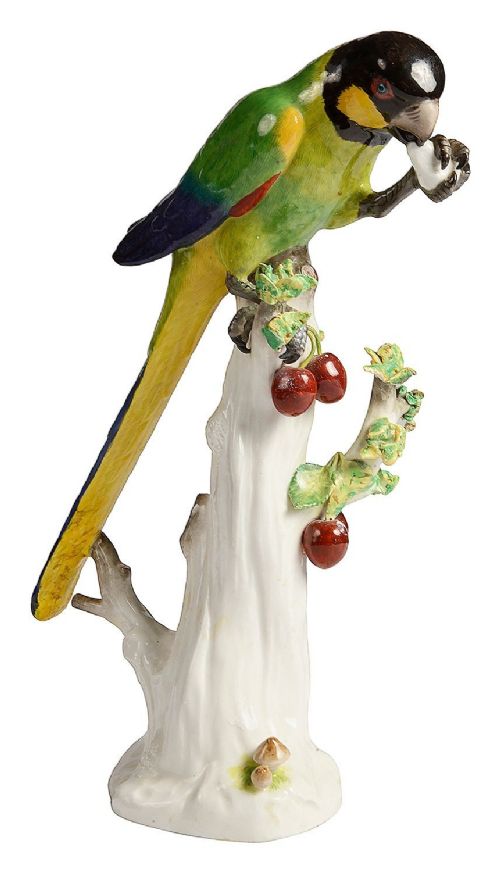
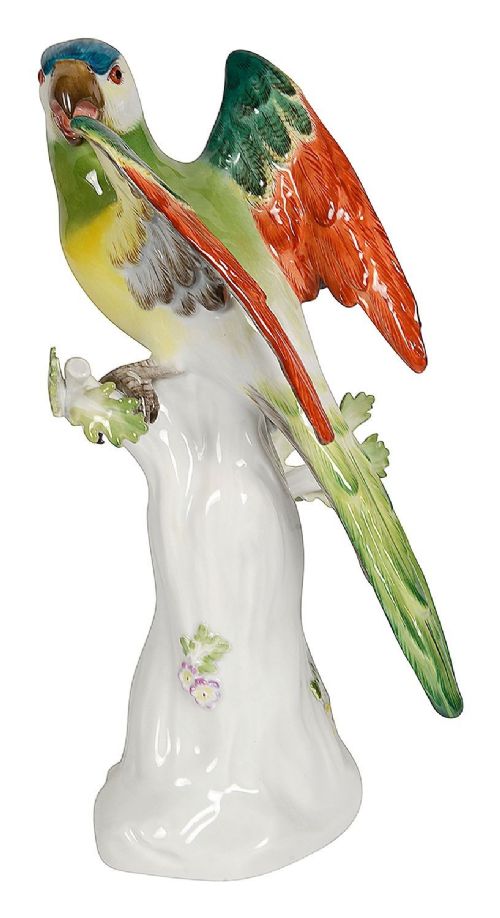
Subjects range from naturalistic birds on tree trunks to complex sculptural groups like elephants and monkeys, executed with fine enamel painting.
Were porcelain animal lamps common?
Potteries produced functional oil lamps and table lamps incorporating animal figures during the Victorian era and late nineteenth century.
These pieces combine sculptural subjects such as owls or dogs with brass and glass fittings designed for domestic illumination.
What periods do these figures cover?
The available selection spans from the mid eighteenth century through the nineteenth and twentieth centuries.
Production dates cover specific eras including Rococo, Victorian historicism, and Art Deco design movements.
How should I display porcelain animals?
These figures suit placement on mantelpieces, side tables, or within cabinet displays where their form and hand painted details remain visible.
Lamp conversions require careful placement near a power source while ensuring the ceramic body is not subjected to knocks.