
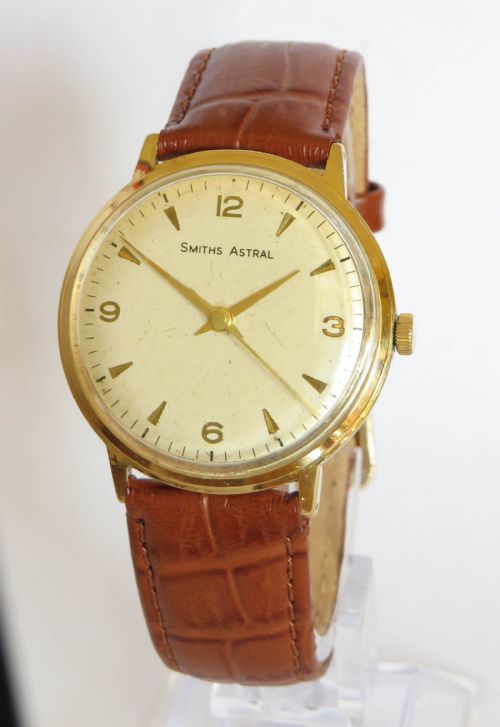


Vintage Analogue Wristwatch
A vintage analogue wristwatch offers mechanical timekeeping with mid-century character, bringing traditional horology and distinct period design straight to the wrist.
Vintage Analogue Wristwatch
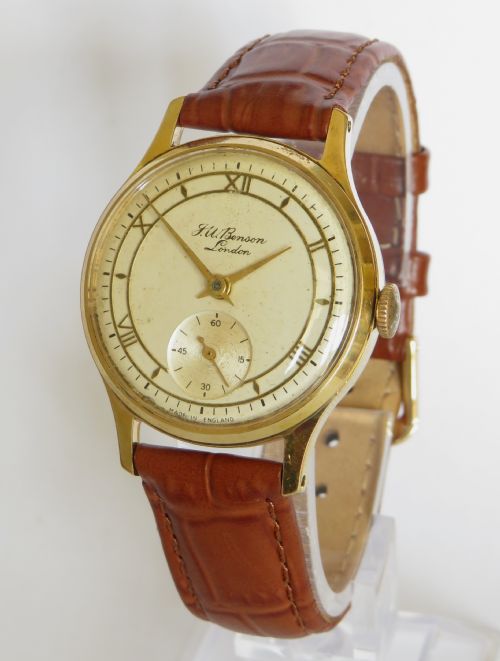
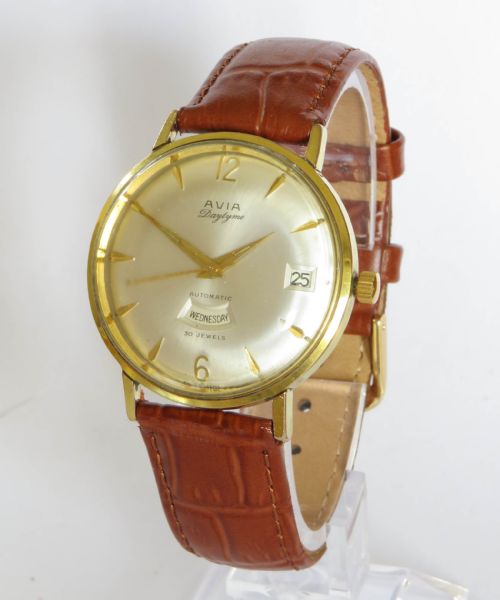
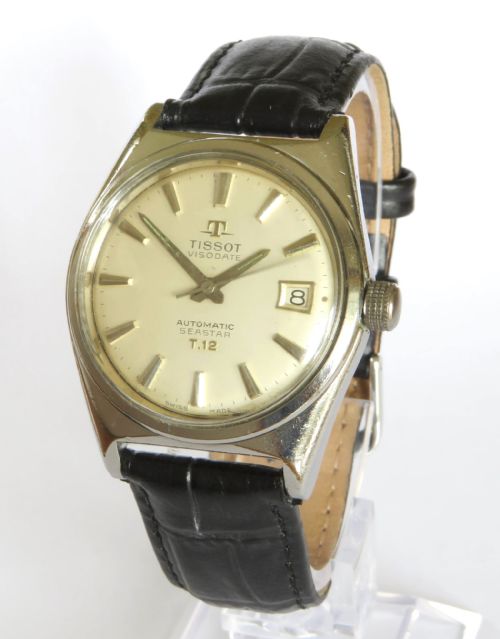
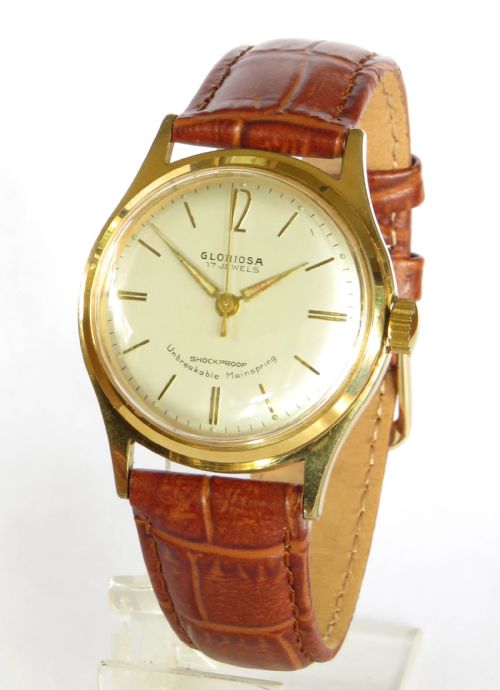
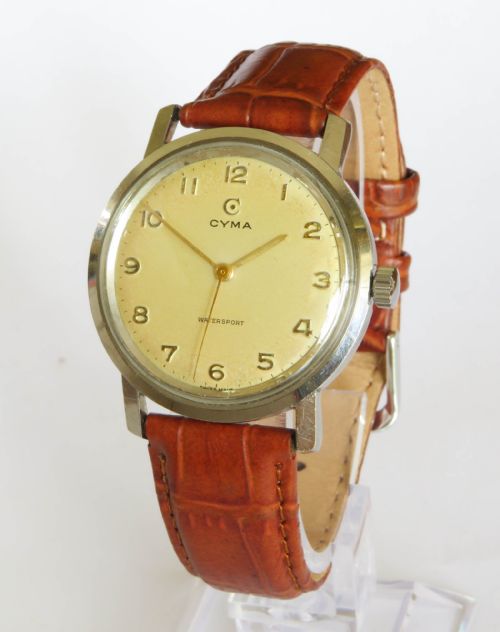
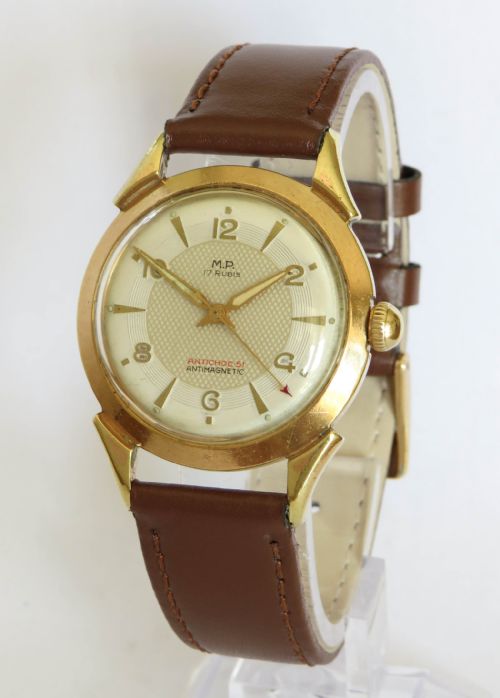
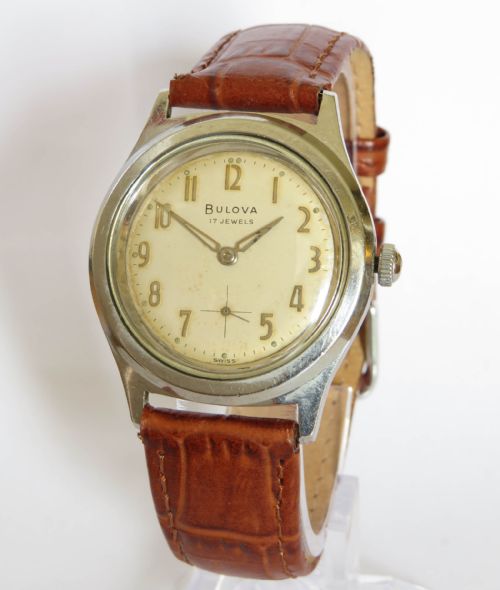
A vintage analogue wristwatch brings together mechanical movements, traditional dials and hands to display time through physical motion rather than digital screens. When you search for a vintage analogue wristwatch, you encounter portable timepieces spanning the nineteenth century through the mid-century decades. These pieces include automatic, manual wind and chronograph designs housed in metal cases.
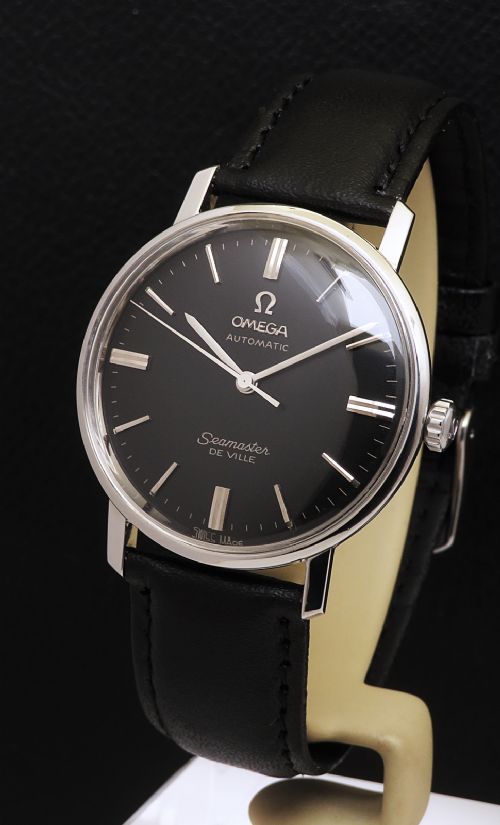
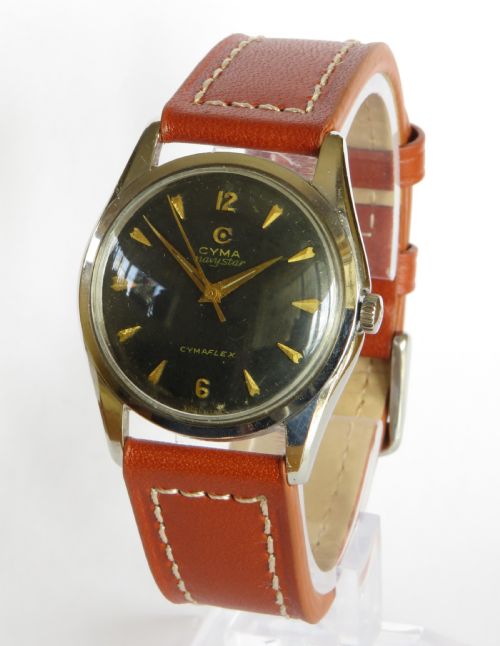
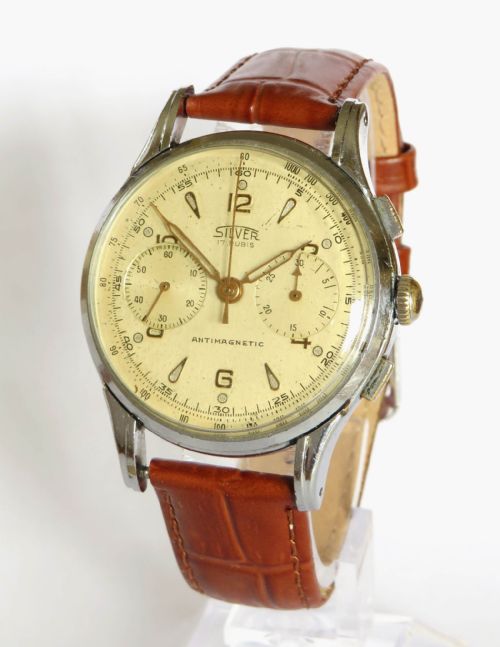
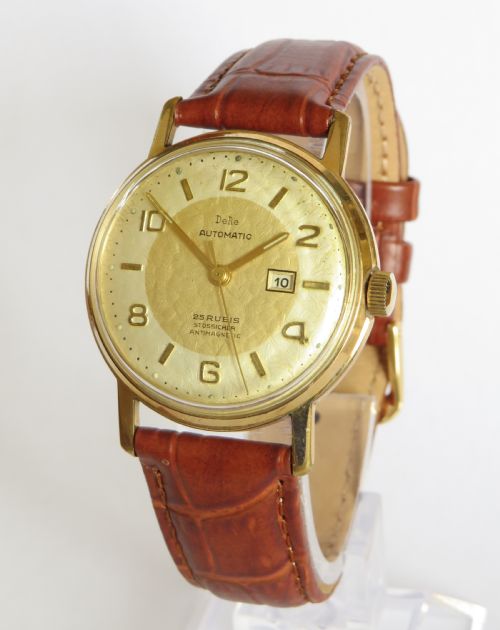
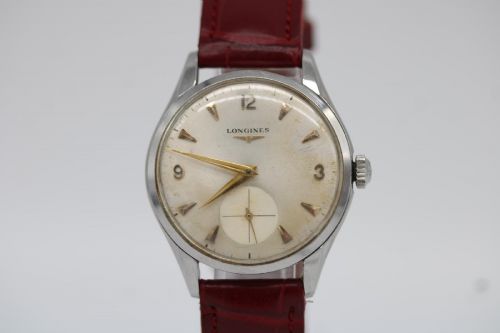
The versions most commonly met on this page date from the 1950s and 1960s, reflecting mid-century modern design sensibilities. Smiths, Longines and Omega feature frequently, alongside numerous other Swiss and British makers from the period. Gentlemen's styles dominate the selection, though variations in case size and dial layout provide distinct choices.
Materials and construction methods
Cases rely heavily on stainless steel, gold plate, chrome and general metal construction, paired with glass or acrylic glass crystals protecting the dial. Straps utilise leather to secure the watch comfortably to the wrist. These durable materials ensured the timepieces could withstand daily wear over decades.
Internal mechanical movements drive the hands, utilising intricate gears and springs powered either by manual winding or automatic self-winding rotors. Dial markings and hands are applied with precision, reflecting the mechanical expertise of mid-century workshops and factories.
Materials recorded across current pieces include stainless steel, gold plate, chrome, glass, acrylic glass and leather.
Distinctions in quality and execution
Quality separates through the refinement of the movement inside and the precision of the case finishing. Finer examples display high jewel counts, sophisticated calibre designs and careful attention to dial typography.
The integrity of the original components and the standard of restoration work define the upper tier of these timepieces. Maker reputation also plays a role, with established Swiss and British houses employing superior materials and more complex mechanical engineering.
Omega·Cyma·Longines·Tissot·Bulova·Smiths·Eterna·Girard Perregaux
The Vintage Analogue Wristwatch Glossary
- Manual Wind
- A movement requiring the wearer to turn the crown by hand to tension the mainspring. This traditional mechanism is found across many mid-century models.
- Automatic
- A self-winding movement that uses a weighted rotor to tension the mainspring through the natural motion of the wearer's arm. It removes the need for daily manual winding.
- Chronograph
- A watch equipped with a stopwatch function alongside the standard time-displaying hands. These sub-dials allow the measurement of elapsed time.
- Acrylic Glass
- A lightweight, shatter-resistant plastic material utilised for watch crystals during the mid-century period. It can be polished to remove surface scuffs.
- Calibre
- The specific internal movement designation used by a manufacturer to identify a particular watch mechanism design. Collectors reference these numbers to understand the technical genealogy of a piece.
Vintage Analogue Wristwatch: Frequently Asked Questions
How do I wind a manual watch?
Gently rotate the crown clockwise between your thumb and forefinger until you feel increasing resistance. Stop immediately when you feel this tension to avoid damaging the internal spring.
Most manual wind pieces require this action daily to maintain accurate timekeeping throughout use.
Are these watches waterproof?
Mid-century timepieces generally lack modern waterproof seals and gaskets. Exposure to moisture, rain or humidity can easily damage the delicate internal movement and dial.
Keep these watches away from water entirely to preserve their mechanical integrity and original condition.
How do I care for a leather strap?
Protect the leather strap by keeping it away from excessive moisture, sweat and direct sunlight. Removing the watch before swimming or heavy physical activity prevents premature cracking.
Conditioning the leather occasionally helps maintain its flexibility and appearance over years of regular wear.