
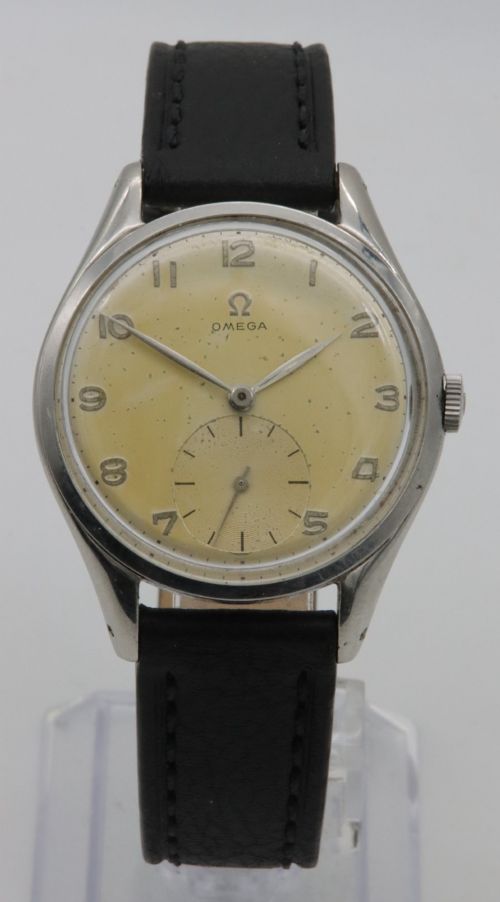
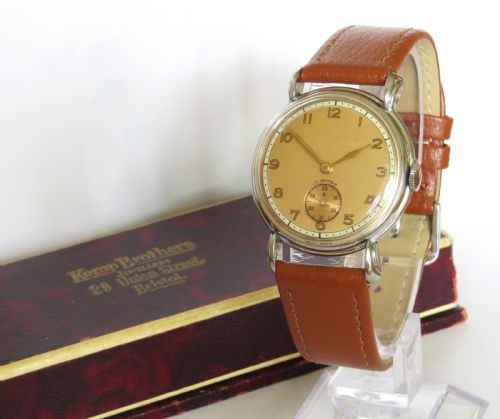
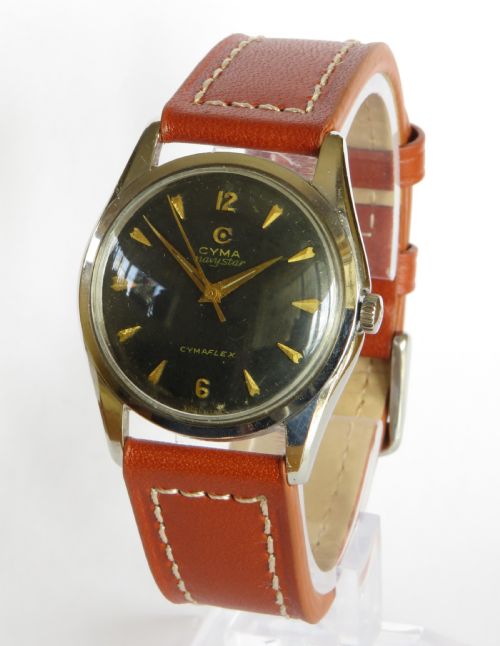
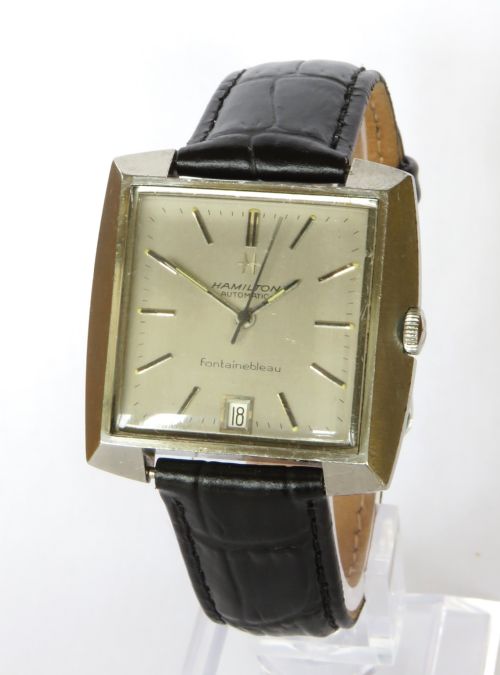
Antique Leather Wristwatch
An antique leather wristwatch offers a tangible connection to early twentieth-century horology, combining period movements with classic strap designs.
Antique Leather Wristwatch
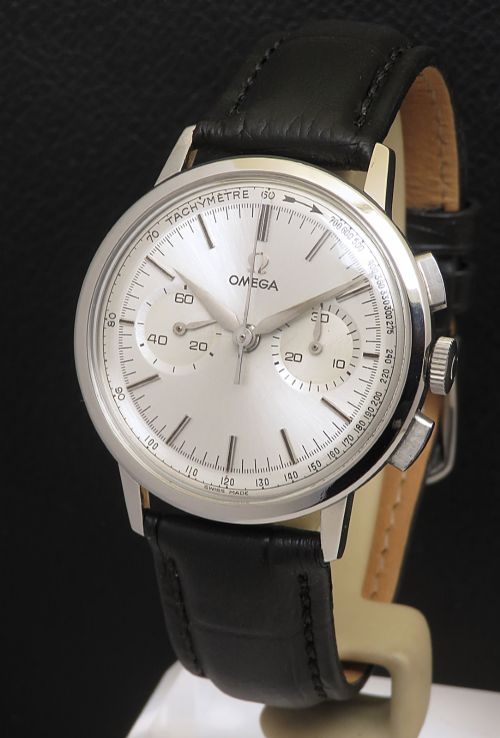
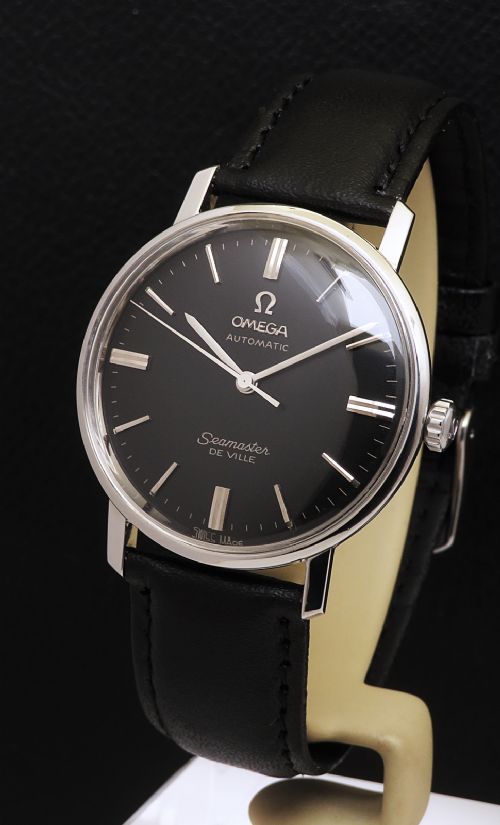
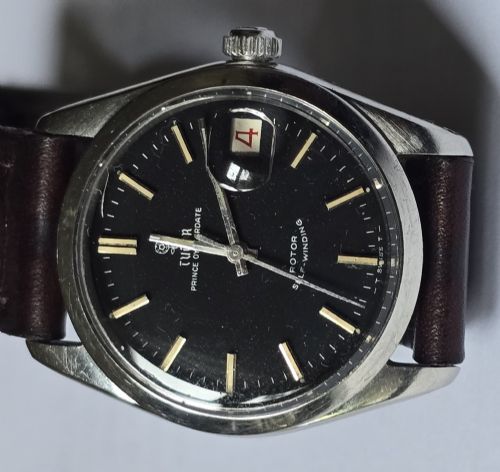
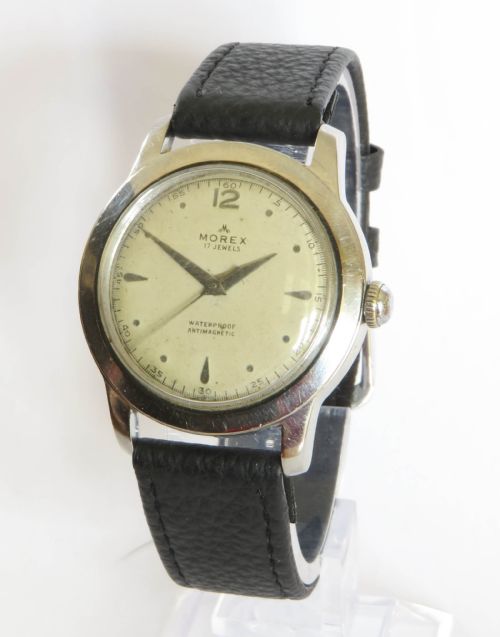
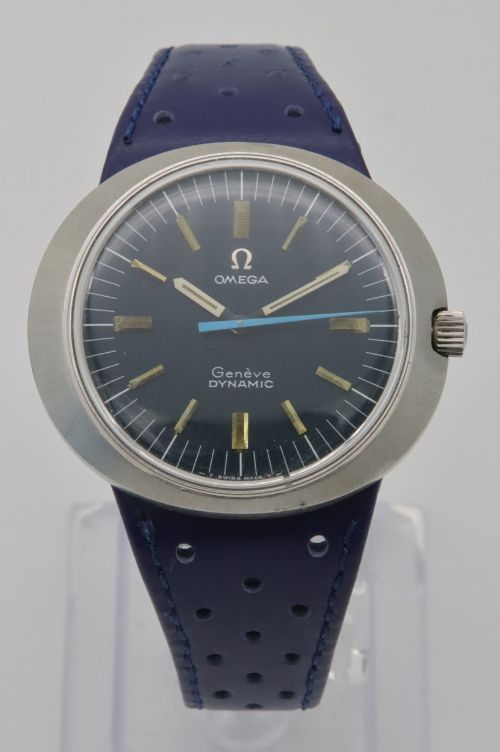
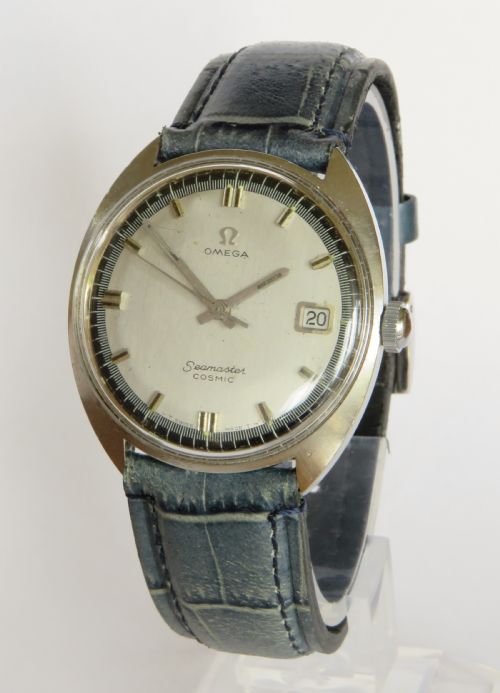
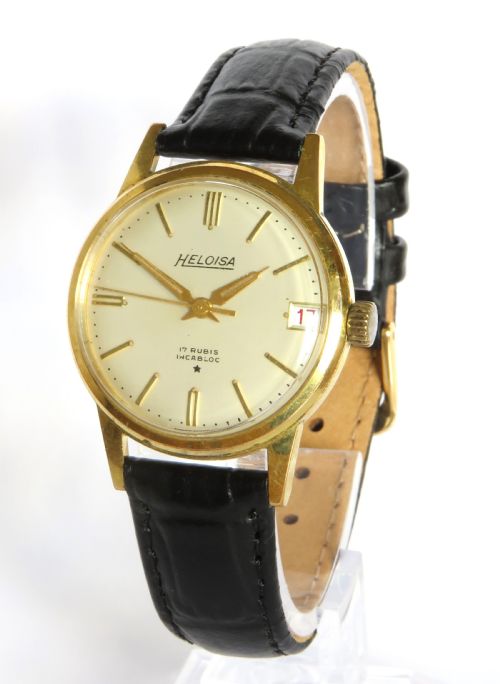
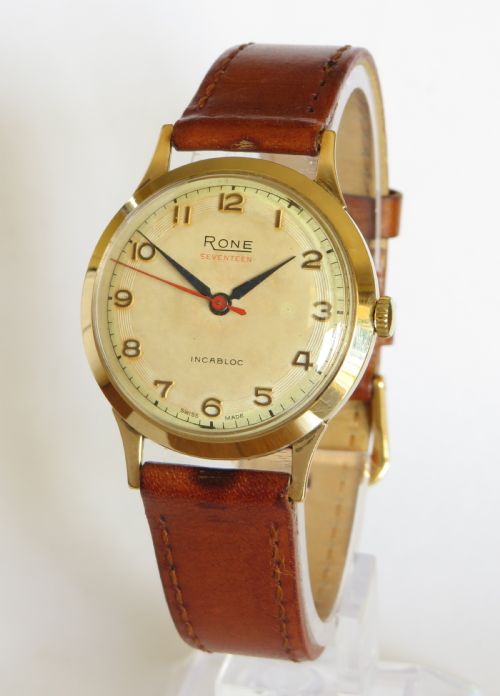
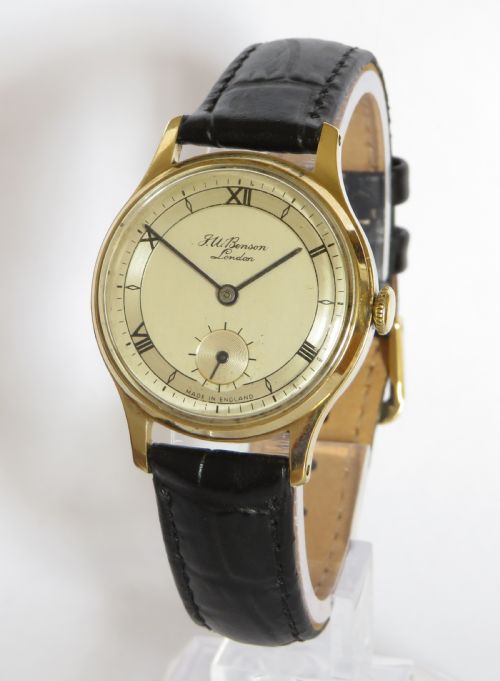
When you search for an antique leather wristwatch, you encounter wearable horology spanning the early decades of the twentieth century up to the middle decades. The selection heavily comprises gents wristwatches from the nineteen-fifties, nineteen-forties, and nineteen-thirties, alongside military pieces originating from the first and second world wars.
These items take various forms, from standard dress wristwatches to specialised chronographs, aviator models, and trench watches. The version you are most likely to meet on this page is a mid-century or wartime gents watch, frequently powered by manual wind or automatic movements housed in steel, gold plate, or solid gold cases.
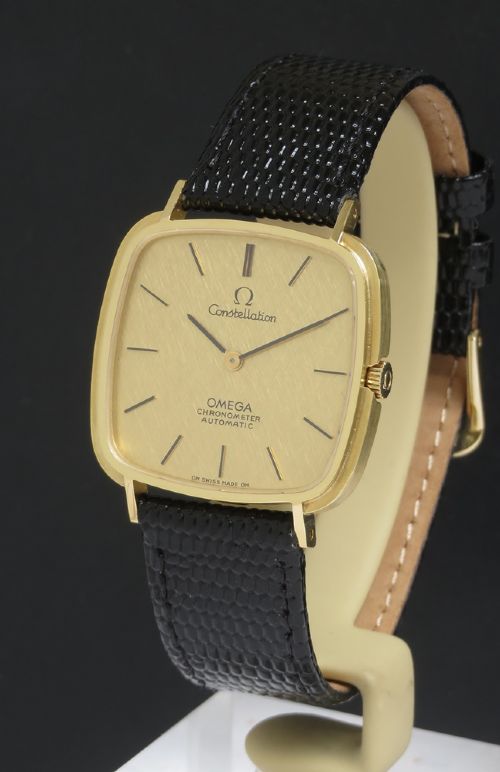
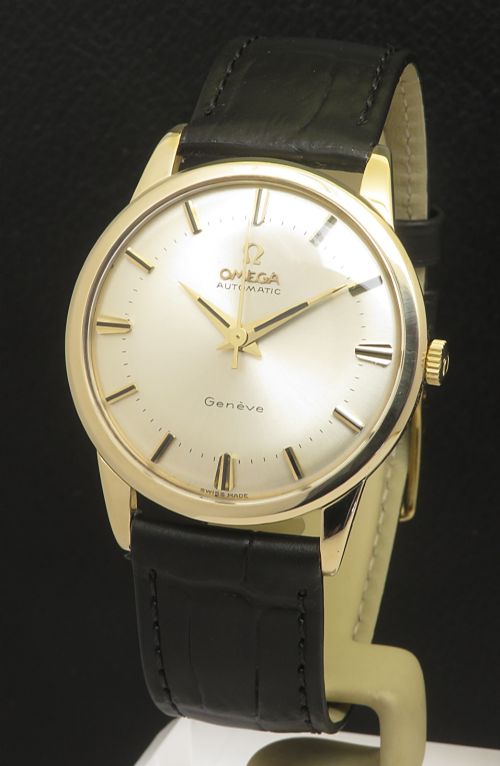
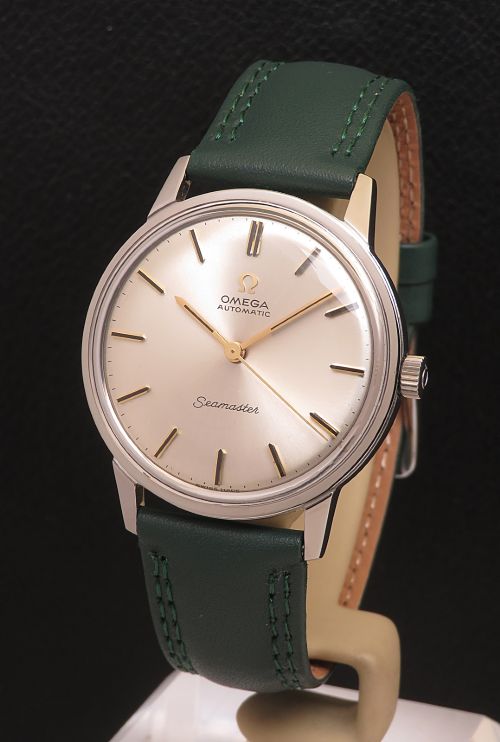
Origins span Swiss manufacturers, British makers like Smiths and Garrard, and international houses such as Omega, Longines, and Eterna. Each piece demonstrates the transition from pocket watches to wrist-worn timepieces driven by practical military and civilian needs.
Materials and construction methods
Cases are forged from stainless steel, silver, gold plate, and solid nine-carat gold, paired with protective glass or acrylic crystals over dials featuring enamel or metallic finishes. These materials house mechanical movements driven by manual wind or automatic systems, often utilising specialised components like bumper weights or chronograph complications.
Strap elements consist of traditional leather fitted to lugs, securing the watch to the wrist while complementing metal case tones. Industrial techniques of the period produced robust military issues alongside refined domestic timepieces, uniting durability with mechanical precision.
Listings span periods from the 1910s to the 1960s, featuring stainless steel, gold plate, 9ct gold, and silver paired with leather straps.
Distinctions in construction and pedigree
The degree of preservation in the dial, case, and movement defines the standing of an antique leather wristwatch. Examples retaining original signed dials, matching case metals, and period-appropriate movements represent the upper tier of horological production.
Omega·Longines·Cyma·Eterna·Smiths·Bulova·Girard Perregaux·Zenith
The Antique Leather Wristwatch Glossary
- Chronograph
- A watch equipped with a stopwatch function alongside its standard time-keeping display. These complications allow the measurement of elapsed time intervals.
- Manual Wind
- A mechanical movement requiring the user to manually turn the crown to tension the mainspring. This traditional system predates self-winding automatic mechanisms.
- Automatic
- A self-winding mechanical movement that uses a weighted rotor to tension the mainspring utilising the natural motion of the wearer's wrist. Bumper movements represent an early form of this technology.
- Trench Watch
- An early form of wristwatch adapted from pocket watch designs for military use during the First World War. They frequently incorporate protective wire shrapnel guards over the glass.
- Calibre
- The specific internal movement design and manufacturer designation of a watch. Collectors use calibre numbers to identify the exact mechanical lineage within a brand's output.
Antique Leather Wristwatch: Frequently Asked Questions
How do I wind a manual watch?
Rotate the crown clockwise between your thumb and forefinger until you feel gentle resistance. Stop immediately once tension builds to avoid damaging the mainspring.
Perform this action at a consistent time each day if you wear the piece regularly. Avoid over-winding older mechanical components.
Are these watches waterproof?
Historic timepieces lack modern rubber gaskets and screw-down sealing technology. Exposure to moisture, rain, or humidity can easily cause internal rust and dial damage.
Keep vintage leather straps and watch cases entirely away from water. Professional servicing can improve resistance, but diving or swimming remains unadvisable.
How accurate are antique watches?
Mechanical movements from the early to mid-twentieth century operate differently from quartz technology. A variance of a minute or two per day is entirely normal for period timepieces.
Professional cleaning and oiling help restore optimal performance. Environmental temperature shifts can also influence daily timekeeping.
Can I replace the leather strap?
Strap replacement is a standard part of owning and wearing vintage horology. Leather bands naturally wear out over decades of use and require swapping.
Select a strap width that matches the distance between the watch lugs. Traditional pin buckles and classic leather grains maintain the period aesthetic.