
Retro Swiss Wrist Watch
A retro swiss wrist watch brings mechanical timekeeping from the mid-twentieth century to the wrist with distinctive design and enduring utility.
Retro Swiss Wrist Watch
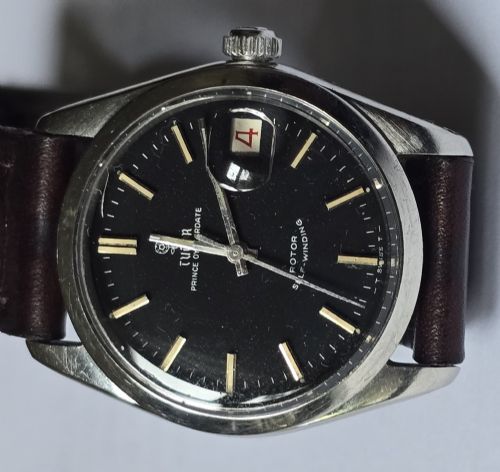
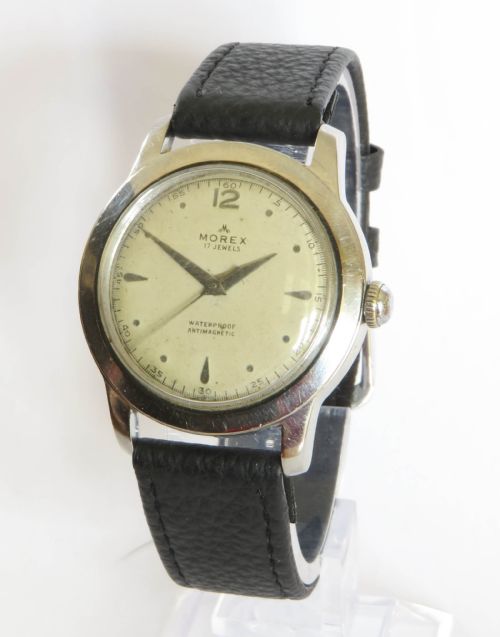
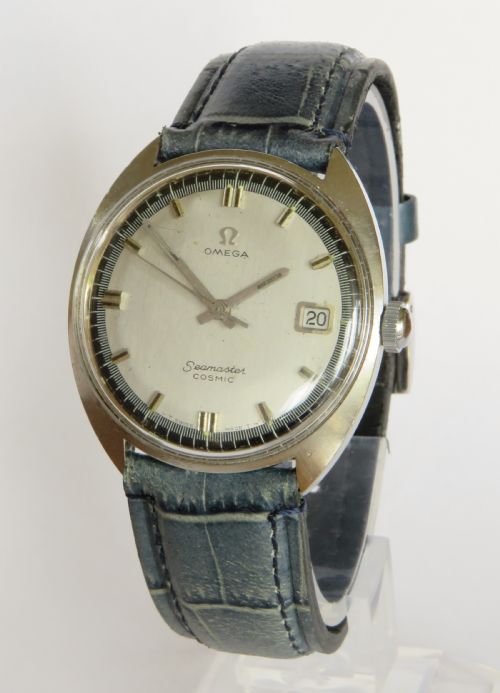
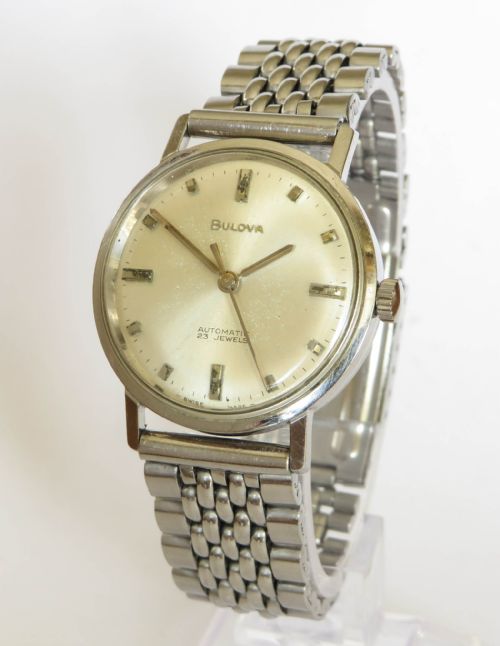
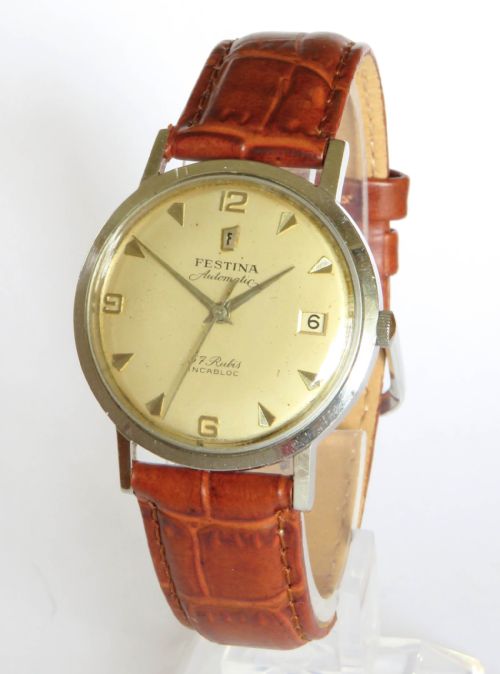
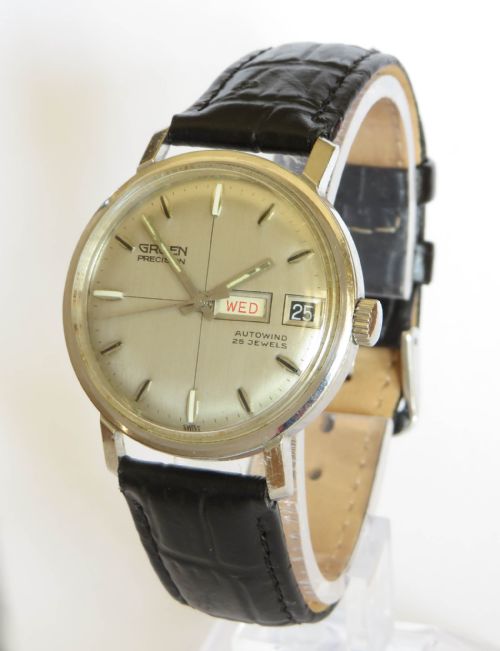
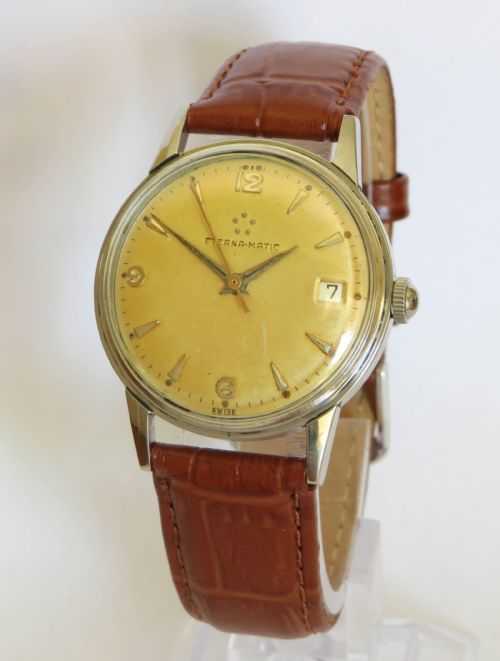
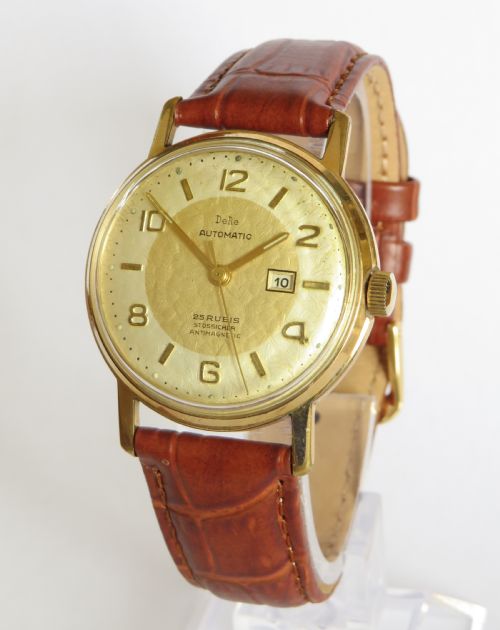
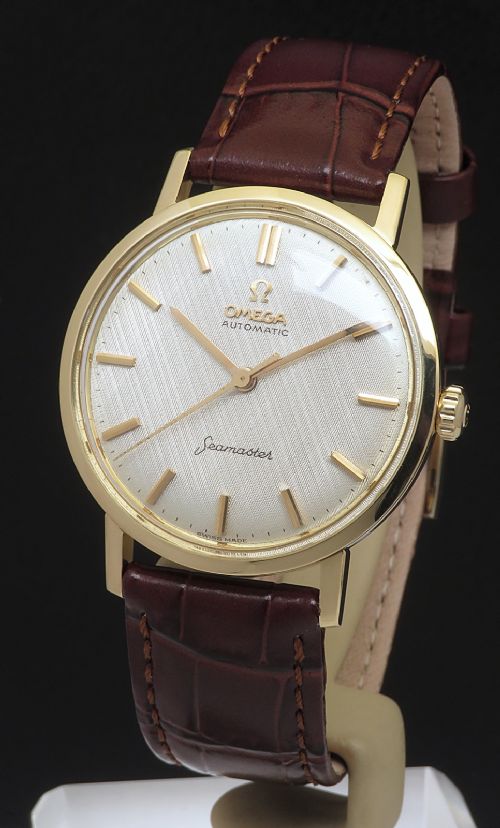
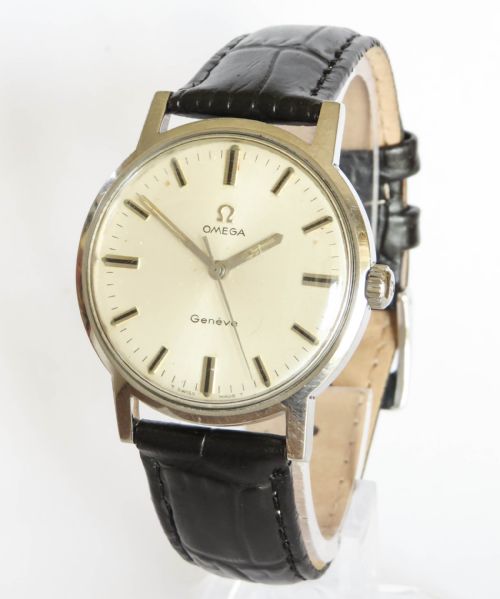
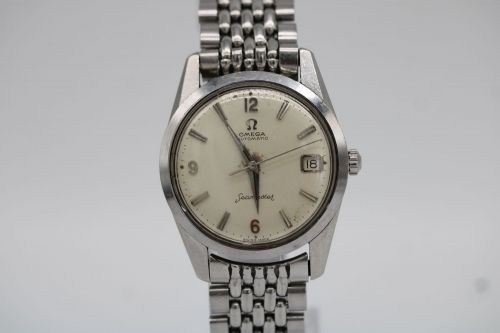
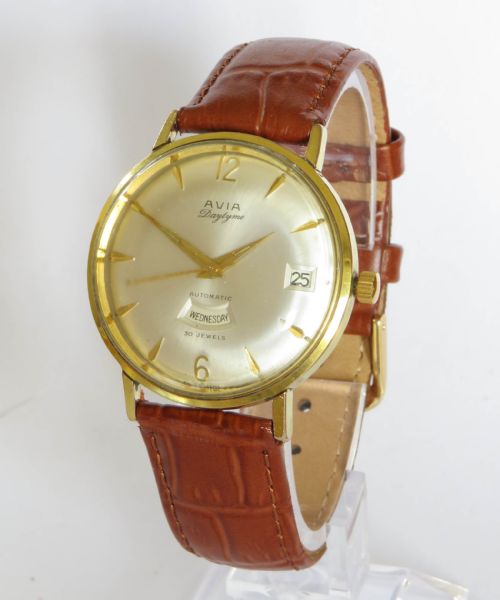
A retro swiss wrist watch encompasses mechanical timepieces produced across the decades of the twentieth century, with a strong representation of gents and ladies pieces originating from Swiss workshops. Buyers seeking a retro swiss wrist watch will find wristwatches manifesting design movements from Art Deco and the 1940s up through Mid-Century Modern and 1970s modern styles. The selection relies heavily on mid-century automatic and manual-wind wristwatches featuring circular or shaped cases and legible dials.
The inventory on this page spans distinct periods including the 1930s, 1940s, 1950s, 1960s, and later, capturing the evolution of Swiss horology. Forms range from robust steel chronographs and calendar models to refined gold-plated dress pieces and diamond-set cocktail watches. Buyers encounter both everyday gentleman's dress watches and specialised waterproof or automatic pieces bearing names of established Swiss makers.
How they were made
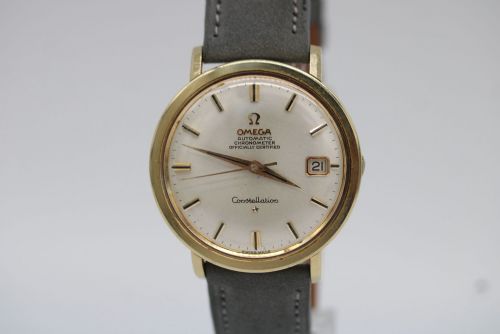
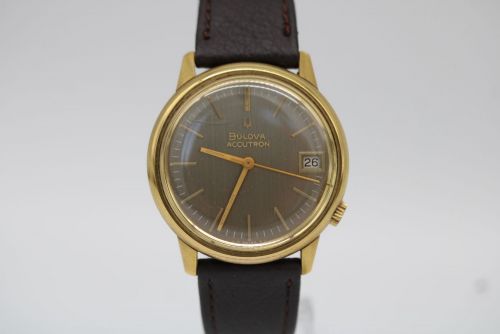
Cases of a retro swiss wrist watch are constructed from stainless steel, chrome, gold plate, and solid gold, paired with protective crystal lenses made from glass, acrylic, or acrylic glass. Dials exhibit fine metal indices, printed numerals, and occasionally patinated finishes or diamond accents.
Mechanical movements rely on precision gear trains, manual-wind springs, or automatic rotors such as bumper and full-rotor calibres. Straps fashioned from genuine leather secure the watches to the wrist, completing traditional horological assembly methods.
Some vintage automatic movements hum quietly on the wrist, reminding you that a tiny mechanical heart is ticking away inside.
What varies in quality
The degree of preservation in the case finish and the original state of the dial separate standard examples from exceptional specimens. Unpolished metal cases retain their crisp factory edges, while dials untouched by moisture or poor restoration preserve their authentic typography and minute tracks.
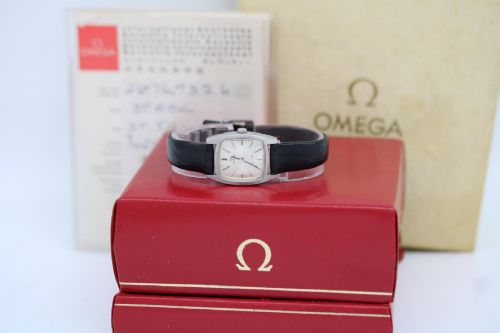
The sophistication of the internal movement dictates horological merit, moving from basic pin-pallet calibres to highly adjusted automatic movements and chronometer-grade mechanisms. Original accompanying components such as branded boxes, papers, and signed buckles elevate the integrity of the piece.
Tudor·Montilier·Omega·Bulova·Festina·Gruen·Eterna·DeRe·Roamer·Avia·Venus·Tissot·Gloriosa·Cyma·Wittnauer·Certina·Baume·Ensign·Lanco·Enicar·Prisma·Girard Perregaux·Sperina·Dogma·Marvin
The Retro Swiss Wrist Watch Glossary
- Automatic
- A self-winding mechanical movement that uses a weighted rotor to tension the mainspring during normal wrist movement. This eliminates the need for daily manual winding.
- Chronograph
- A watch equipped with a stopwatch function alongside the primary time-of-day display. Independent sub-dials track elapsed seconds and minutes.
- Calibre
- The specific manufacturer's designation for a particular watch movement design. Collectors reference these numbers to identify the mechanical generation and pedigree.
- Acrylic Glass
- A lightweight, shatter-resistant form of synthetic plastic used for watch crystals during the mid-century period. It can be easily polished to remove surface scuffs.
- New Old Stock
- Unsold vintage inventory discovered in pristine, unworn condition long after production ceased. These pieces often retain original packaging and factory finishes.
Retro Swiss Wrist Watch: Frequently Asked Questions
How do I wind a manual vintage watch?
Turn the crown clockwise between your thumb and forefinger until you feel gentle resistance. Stop immediately at that point to avoid over-tensioning the mainspring.
Wind the watch at roughly the same time each day to maintain consistent tension and accurate timekeeping performance.
Can I wear my vintage watch daily?
Many buyers enjoy wearing these pieces daily, provided you handle them with care. Modern life introduces hazards that vintage materials may not withstand easily.
Keep older watches away from water and strong magnetic fields, as vintage seals and movements lack modern protections.
What is a calendar watch complication?
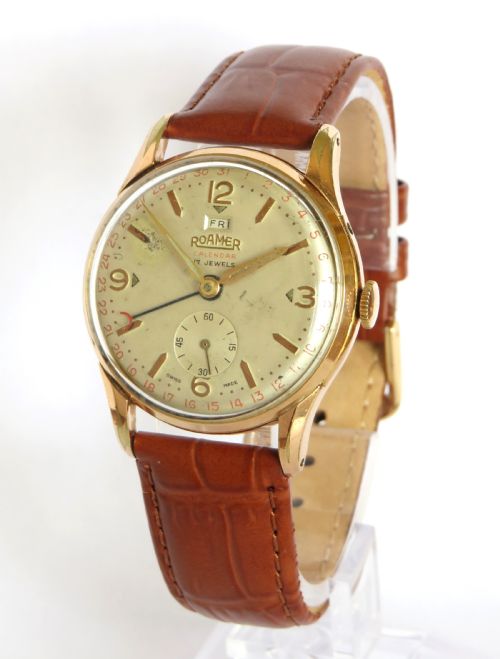
A calendar complication displays the date of the month alongside the standard hour, minute, and second hands. Some movements achieve this through a simple date window at the three o'clock position.
More complex variations incorporate day-of-the-week displays or specialised mechanisms that automatically adjust for shorter months.
Are original boxes and papers important?
Original boxes and papers provide provenance and confirm the historical context of the timepiece. They represent complete packages that collectors prize for their rarity.
While nice to have, their absence does not detract from the mechanical quality or daily wearability of the watch itself.