
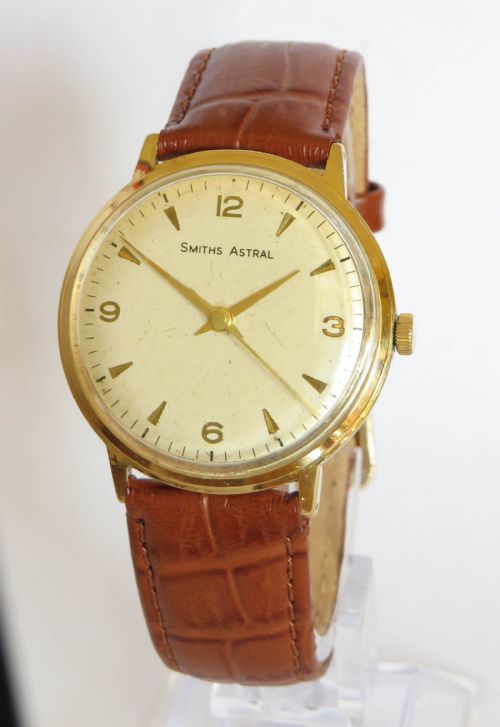


Vintage Analog Dress Watch
A vintage analog dress watch brings mid-century elegance to the wrist, offering mechanical timekeeping through classic hands and dials.
Vintage Analog Dress Watch
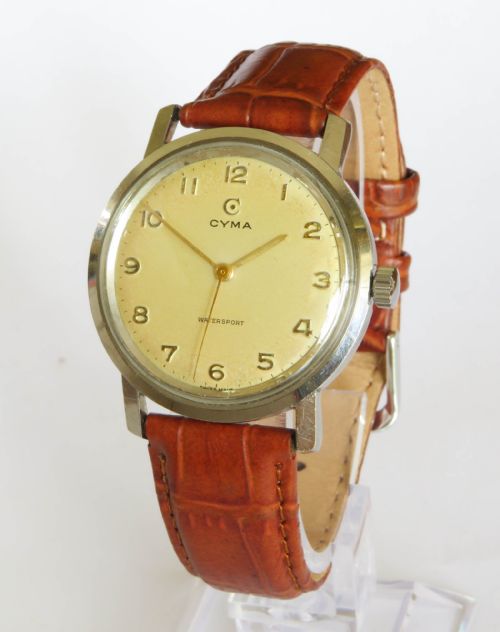
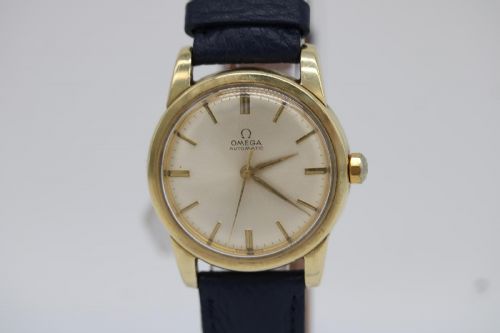
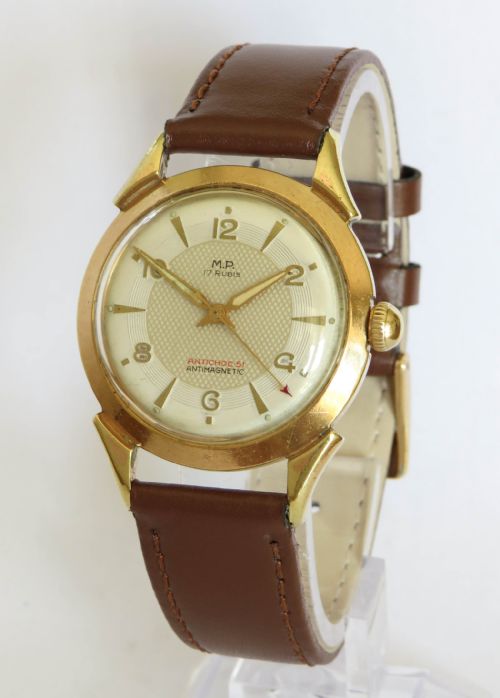
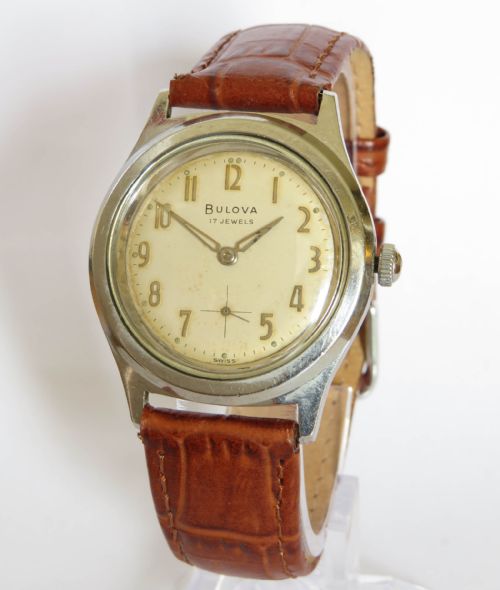
A vintage analog dress watch is a traditional timepiece relying on mechanical or automatic movements rather than digital displays. These wristwatches span the 19th Century, 1940, 1950, and 1960 periods, showcasing distinct chronological evolutions in case design. Mid-Century Modern and Art Deco styles frequently define the visual character of these pieces.
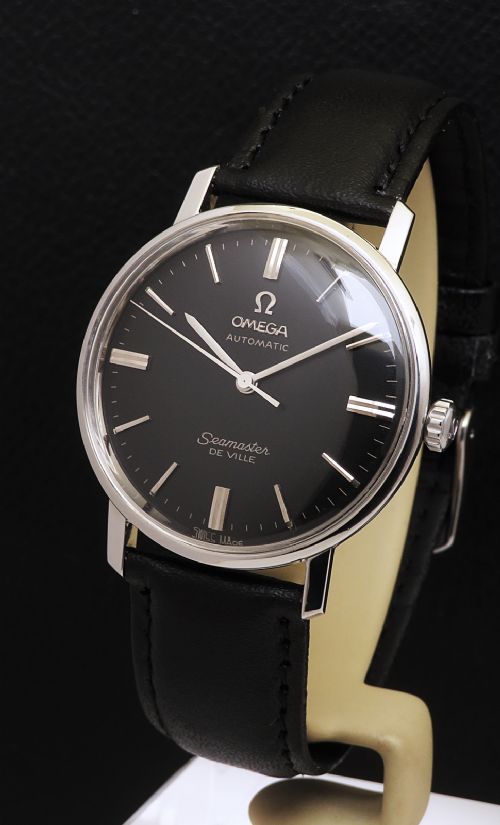
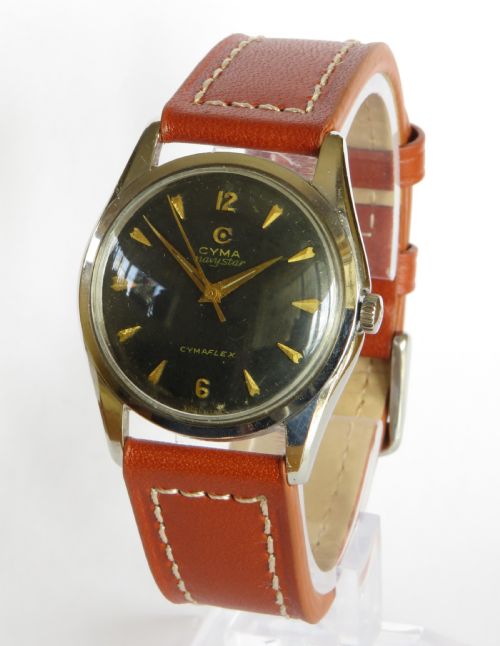
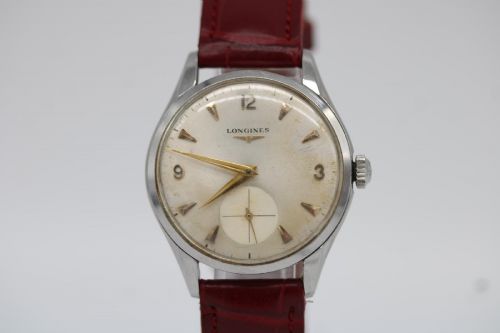
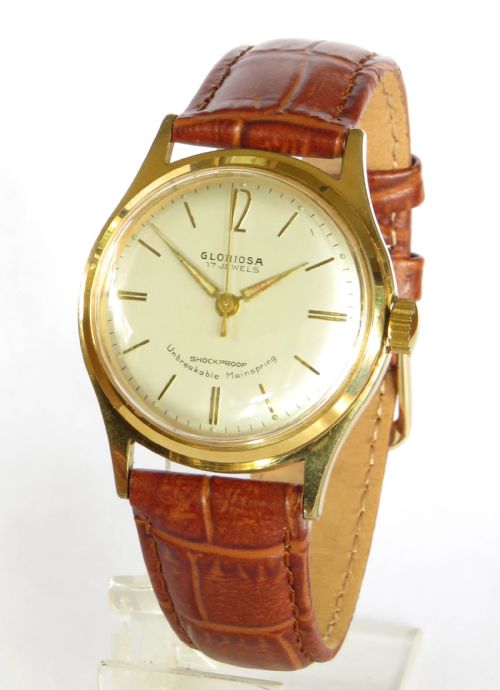
The version most commonly encountered on this page is the gent's wristwatch from the 1950s and 1960s. Such watches typically present clean dials with manual wind or automatic calibres housed in disciplined proportions. Makers and retailers like Omega, Longines, Cyma, and Smiths appear prominently among the selections.
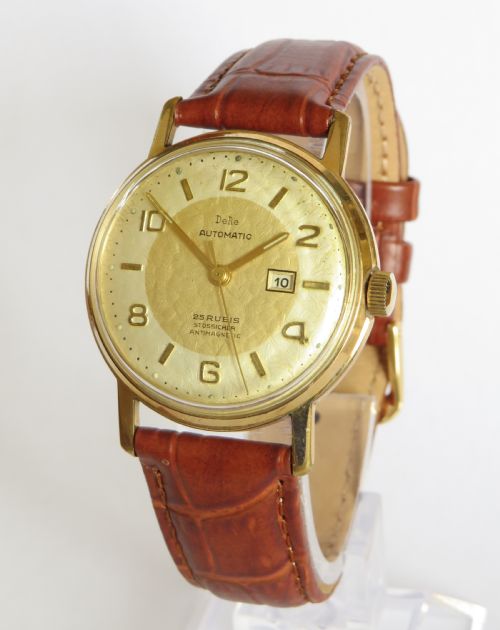
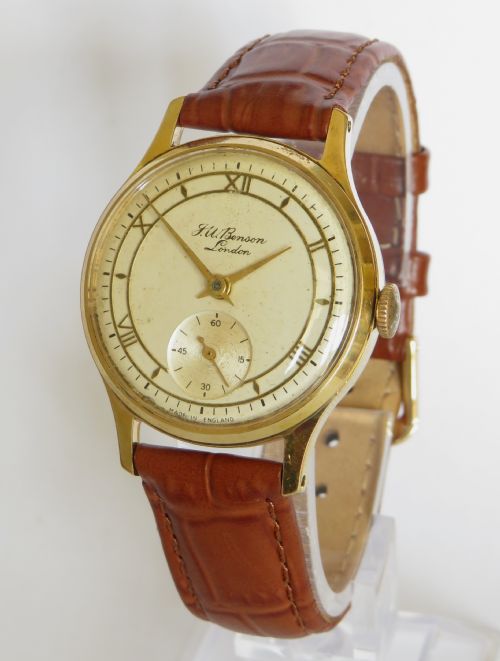
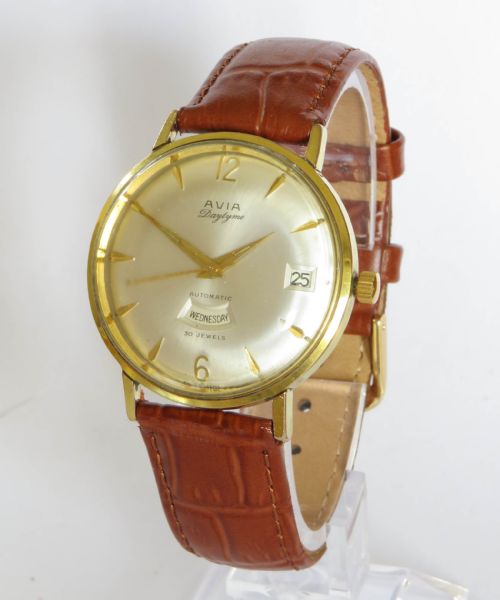
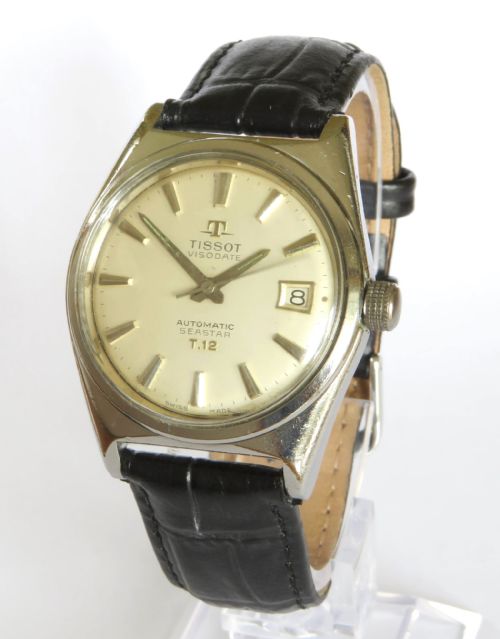
Forms range from standard round cases to specialised models carrying specific movement calibres or complications like date displays. Materials deployed across these iterations include stainless steel, gold plate, and leather straps, occasionally accompanied by original packaging. Each piece preserves a tangible slice of mid-century horological history.
Materials and construction methods
Cases of a vintage analog dress watch are constructed from stainless steel or gold plate, housing precision mechanical movements. Crystals fashioned from acrylic or acrylic glass protect the dial while maintaining period-appropriate profile depths. Metal components work in tandem with manual wind and automatic calibres to drive the gear trains.
Straps utilise leather or fabric to secure the wristwatch to the wrist, complementing the metallic tones of the case. Dial faces integrate applied markers and hands driven by internal escapements and jewelled bearings. These traditional watchmaking techniques ensure the piece operates purely through mechanical force.
Some models arrived complete with their original presentation boxes, preserving the exact retail experience from decades past.
Distinguishing quality factors
Quality in a vintage analog dress watch rests upon the pedigree of the movement and the integrity of the case finish. Movements bearing specific calibre numbers from established makers command greater attention due to their engineering reputation. The preservation of original dial typography and case geometry similarly elevates a piece.
The presence of factory signatures, specialised case construction such as jumbo proportions, or original accoutrements like boxes alters the standing of a wristwatch. Mechanical health and recent servicing determine how reliably the internal components perform their function. Subtle variations in metal finishing and dial layout distinguish standard production from finer output.
Omega·Cyma·Smiths·Longines·Tissot·Bulova·Eterna·Girard Perregaux
The Vintage Analog Dress Watch Glossary
- Calibre
- An internal movement designation used by watchmakers to identify a specific mechanical mechanism. This number helps historians trace the exact origin and technical specifications of the movement.
- Manual Wind
- A mechanical movement requiring the user to hand-wind the mainspring via the crown to store energy. These watches lack rotors and rely entirely on manual operation.
- Automatic
- A self-winding mechanical movement utilising an internal weighted rotor that pivots with natural wrist motion. This system winds the mainspring continuously during wear.
- Acrylic Glass
- A lightweight, shatter-resistant plastic material moulded to cover and protect the watch dial. It can be polished easily to remove surface scratches.
- Jumbo Case
- An oversized watch case for its respective era, offering a more substantial wrist presence. Collectors prize these larger diameters for modern wearability.
Vintage Analog Dress Watch: Frequently Asked Questions
How do I wind a manual watch?
Rotate the crown clockwise between your thumb and forefinger until slight resistance is felt. Stop immediately once tension increases to avoid damaging the internal mainspring.
Wind the piece at approximately the same time each day to maintain consistent tension and accurate timekeeping throughout use.
Are these watches water resistant?
Vintage timepieces generally lack modern rubber gaskets and screw-down crowns. Exposure to moisture can cause internal rusting and dial degradation.
Keep the watch away from swimming, showers, and heavy rain to preserve the delicate mechanical movement inside.
How accurate is a vintage movement?
Mechanical watches from the mid-century operate via gears and springs rather than quartz crystals. A variance of a minute or two per day remains entirely normal for these calibres.
Professional servicing can optimise performance, though environmental factors like temperature still influence daily accuracy.
What size were mid-century watches?
Wristwatches from the 1950s and 1960s typically measured smaller than contemporary pieces, frequently sitting around thirty-four to thirty-five millimetres. These modest dimensions reflected the prevailing dress codes of the era.
Proportions were designed to slip easily beneath a shirt cuff rather than dominate the wrist.