



17 Jewels Manual Watch
A 17 jewels manual watch is a mechanical timepiece wound by hand, offering daily engagement with traditional horology and vintage character.
17 Jewels Manual Watch
A 17 jewels manual watch represents a mechanical wristwatch powered by a mainspring that requires regular hand winding rather than battery or automatic movement. These watches appear in forms spanning the Art Deco period, the 1950s, and the 1960s, reflecting decades of evolving horological design.
The most common examples on this page are gents wristwatches originating from Swiss makers or British firms. These pieces frequently display mid-century modern styling alongside chronograph and moonphase complications.
Buyers look for these wristwatches to experience traditional mechanical timekeeping and classic twentieth-century aesthetics. Each piece demonstrates the craftsmanship of periods ranging from the nineteenth century through the mid-twentieth century.
Materials and Construction
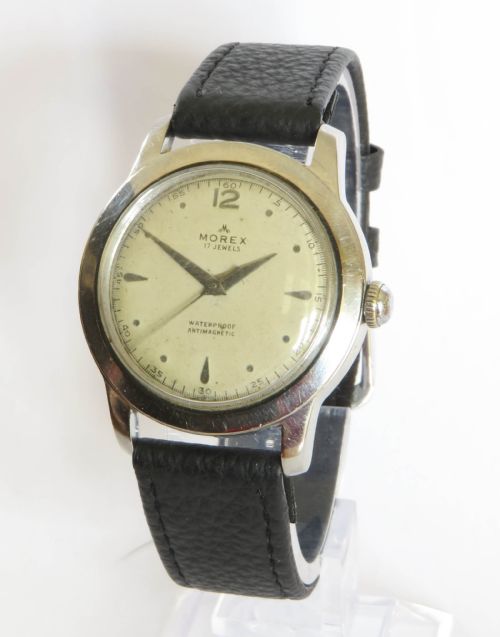
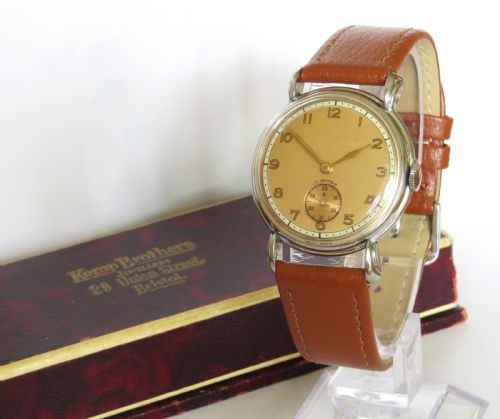
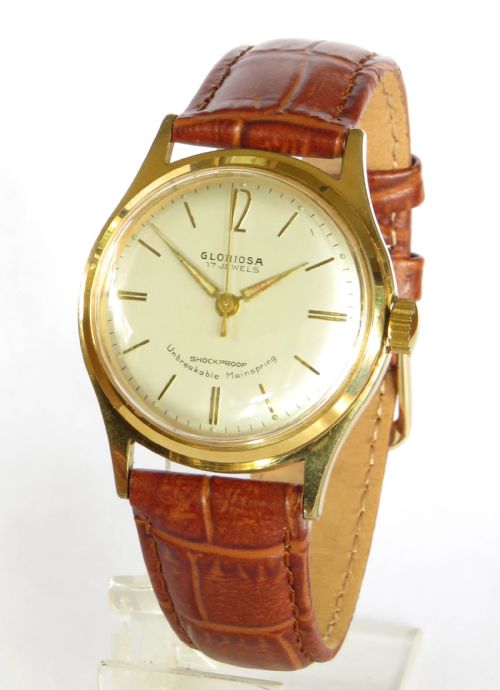
Cases of a 17 jewels manual watch are constructed from stainless steel, chrome, gold plate, gold plated metal, and solid 9ct gold. These metals house mechanical movements protected by glass or acrylic crystals.
Straps and bands paired with these watch heads utilise leather to secure the timepiece to the wrist. Internal movements rely on functional jewelled bearings to reduce friction in the gear train.
Some vintage dials pack triple-date calendars and moonphase displays into spaces smaller than a modern coin.
Assessing Quality and Execution
The distinction between average and superior examples rests upon the refinement of the movement and the integrity of the case metals. Solid gold housings and signed Swiss movements represent a higher tier of production than basic chrome-plated variants.
Finishing details on dials, such as applied markers and specialised chronograph or triple-date complications, separate standard models from more complex architectural designs.
Montilier·Seiko·Smiths·Invicta·Mappin·Longines·Miramar·Avia
The 17 Jewels Manual Watch Glossary
- Manual wind
- A mechanical watch movement wound by hand via the crown rather than through self-winding rotors or batteries. This mechanism requires regular daily winding to maintain operation.
- Jewels
- Synthetic rubies or sapphires placed within the movement at high-friction pivot points to reduce wear. Seventeen jewels typically denotes a fully jewelled movement for a standard watch.
- Chronograph
- A watch equipped with a stopwatch function alongside its standard timekeeping display. These models feature additional sub-dials and pushers on the case exterior.
- Acrylic
- A lightweight plastic material utilised for watch crystals prior to the widespread adoption of sapphire crystal. It offers a characteristic warmth and can be polished if scratched.
- Moonphase
- A complication on the watch dial that graphically displays the lunar cycle. This feature often appears alongside triple-date layouts in vintage chronographs.
17 Jewels Manual Watch: Frequently Asked Questions
How often should I wind my watch?
A manual wind watch requires winding once a day, ideally at the same time each morning. Turn the crown gently until you feel resistance, taking care not to overwind the mainspring.
Establishing a consistent routine prevents undue stress on the internal components and ensures the movement maintains accurate time throughout the day.
Are these watches waterproof?
Vintage manual wristwatches were generally not manufactured to modern water-resistance standards. Contact with moisture, rain, or humidity can easily compromise the movement and damage the dial.
It is best to remove the watch entirely before washing hands, swimming, or engaging in any activity involving water.
What does seventeen jewels mean?
The seventeen jewels inside the movement act as bearing surfaces for the moving gear pivots. This specific count represents the traditional minimum for a fully jewelled, unadjusted mechanical watch.
The synthetic stones minimise metal-on-metal friction, ensuring longevity and greater accuracy in timekeeping.
How do I care for a leather strap?
Leather straps benefit from being kept dry and away from direct sunlight or excessive heat. Allowing the leather to breathe prevents premature cracking and stiffening of the material.
When the strap eventually shows wear, it can be replaced easily with a new leather band that matches the lug width of the case.