





Vintage African Art
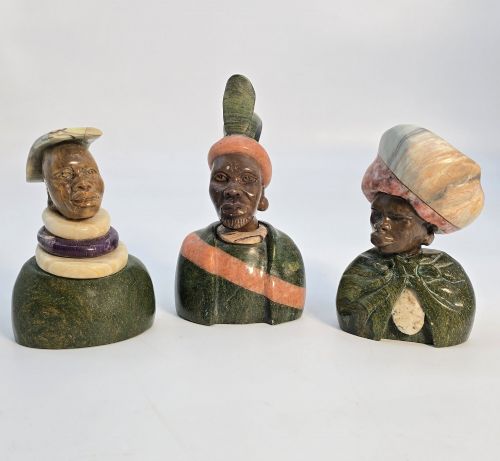
Vintage african art spans hardwood sculptures, bronze figures, ritual masks, and paintings created across the nineteenth and twentieth centuries.
Vintage African Art
Vintage african art encompasses a diverse range of objects, from carved tribal masks and wooden figures to bronze statuary and paintings. Buyers exploring vintage african art will encounter traditional artefacts alongside mid-century paintings and works on paper.
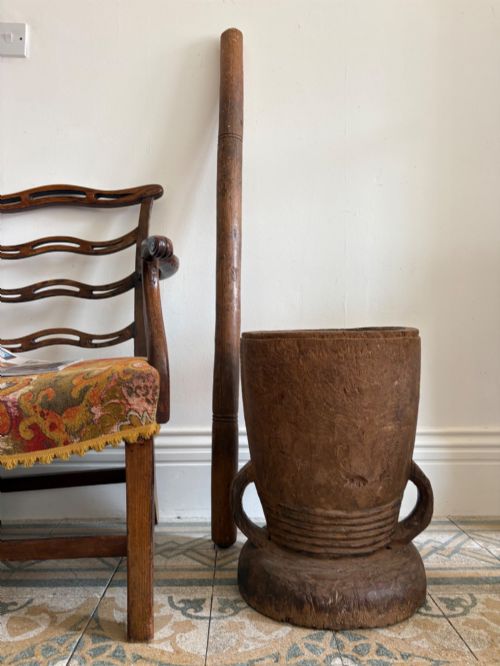
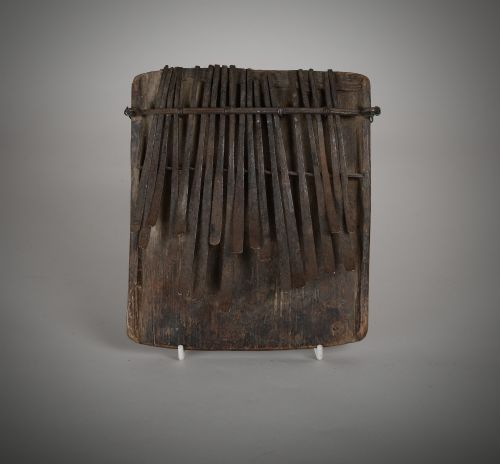
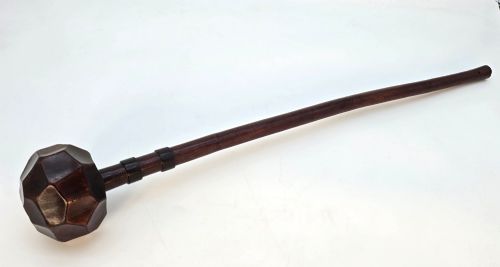
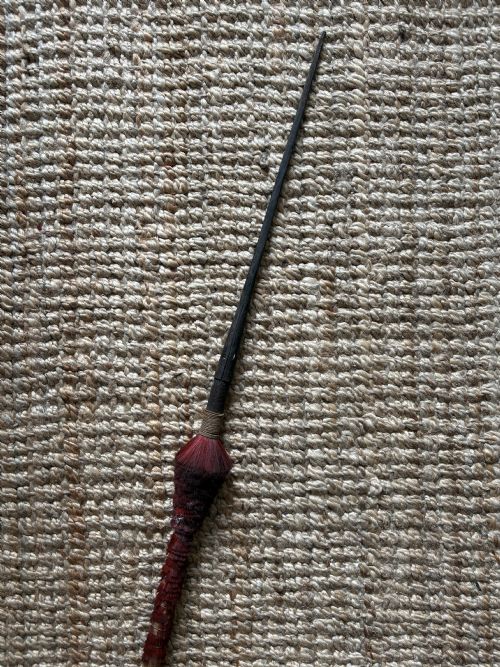
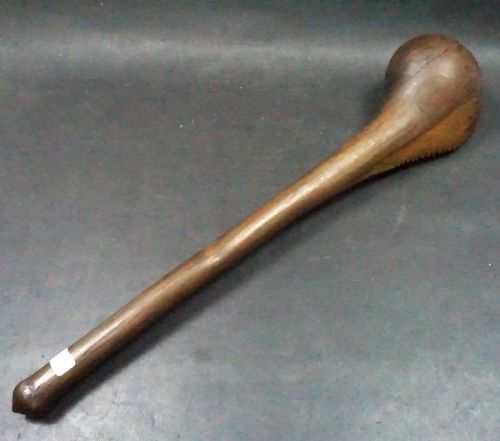
The selection includes utilitarian objects transformed by craftsmanship, such as grain mortars, knobkerries, and musical instruments like thumb pianos. Ceremonial items like marriage figures, ceremonial spoons, and tribal staffs also appear frequently.
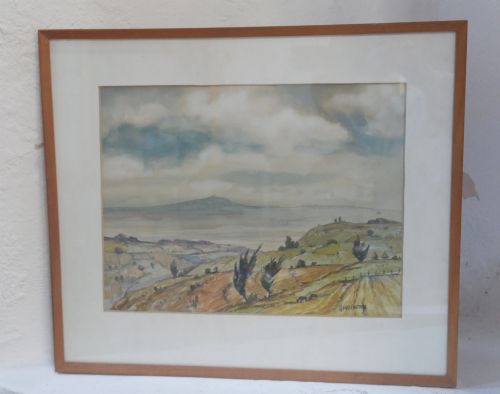
Representations created by both indigenous makers and visiting artists form a significant part of the selection. These pieces bridge traditional tribal craft with regional oil paintings and watercolours.
How they were made
Wood and hardwood form the backbone of the sculptural items, shaped by hand carving into intricate figures, masks, and furniture. Metalwork relies on bronze casting techniques, producing substantial statues and busts.
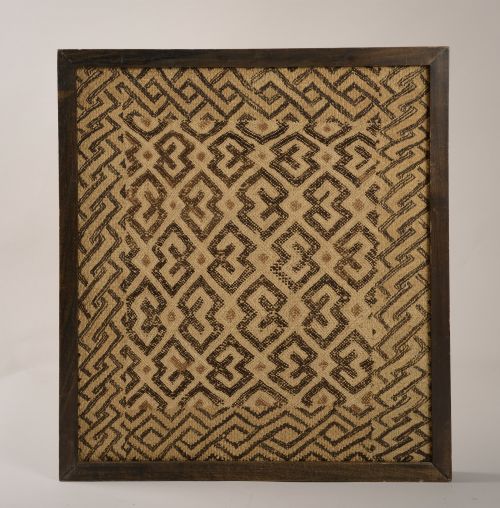
Pigments, canvas, paper, and glass support the two-dimensional works, appearing in watercolours, charcoal drawings, and oil paintings. Natural fibres and textiles such as raffia and woven cloth demonstrate traditional regional weaving methods.
The listings span multiple centuries, incorporating nineteenth-century iron weaponry alongside mid-century oil paintings.
What varies in quality
The depth of carving and precision in sculptural details distinguish standard items from exceptional examples. Finer bronze castings and more intricate wood grain manipulation reveal superior workshop execution.
The integrity of materials and the preservation of original surfaces dictate the standing of each piece. Intact natural pigments, original patination on bronzes, and well-preserved textiles elevate the stature of an artefact.
Anne Dorrien Smith·Cecil Rochfort Doyly John·Ruth Prowse·Maud Frances Eyston Sumner
The Vintage African Art Glossary
- Kuba cloth
- A textile woven from raffia palm fibre by the Kuba people, often decorated with geometric patterns and cut-pile embroidery. These tapestries showcase complex regional design traditions.
- Bronze casting
- A metalworking technique utilised to create durable statues, busts, and ceremonial staffs. Benin and Yoruba bronzes demonstrate advanced mastery of this traditional method.
- Tribal mask
- A ceremonial face covering worn during rituals, dances, or celebrations. Examples such as Baule and Gouro masks embody specific cultural spirits and artistic styles.
Vintage African Art: Frequently Asked Questions
What is vintage african art?
Vintage african art encompasses historical objects, sculptures, textiles, and paintings originating from the continent during the nineteenth and twentieth centuries.
These pieces reflect traditional cultural practices, regional craftsmanship, and twentieth-century artistic interpretations.
How were tribal masks used?
Tribal masks were worn during ceremonial rituals, agricultural rites, and community celebrations to represent spirits or ancestors.
Carved from wood and sometimes enhanced with pigment, these masks served active roles within their originating societies.
How do I care for wooden sculptures?
Wooden sculptures and artefacts require stable indoor humidity and protection from direct sunlight to prevent drying and cracking.
Dusting gently with a dry, soft cloth is generally sufficient for maintaining the surface patination.
How are periods identified?
Periods are determined through material analysis, stylistic conventions, and recorded documentation associated with specific manufacturing eras.
Items range from nineteenth-century weaponry and textiles to mid-century paintings and twentieth-century bronze castings.