



Vintage Accent Furniture
These vintage accent furniture items bring individual character and utility to a room through varied period forms and timbers.
Vintage Accent Furniture
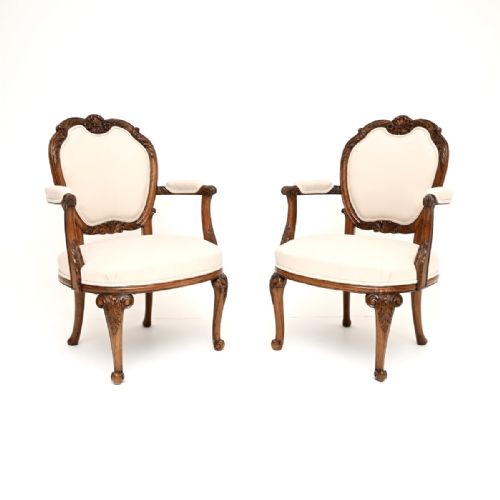
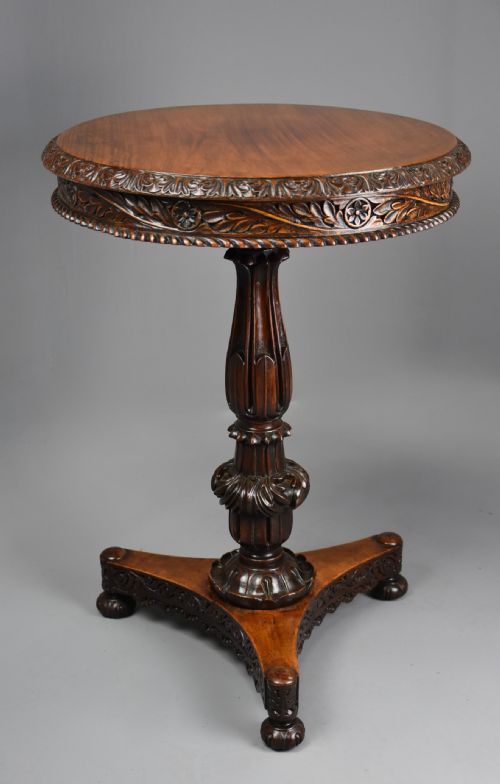
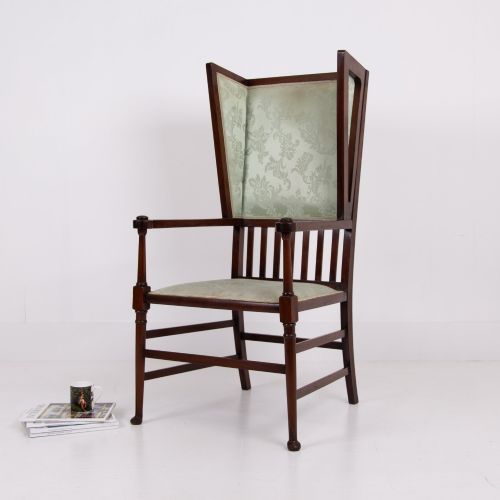
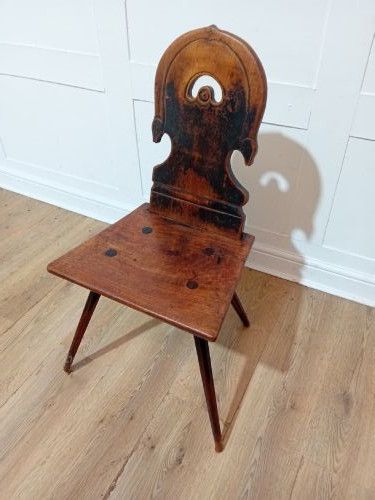
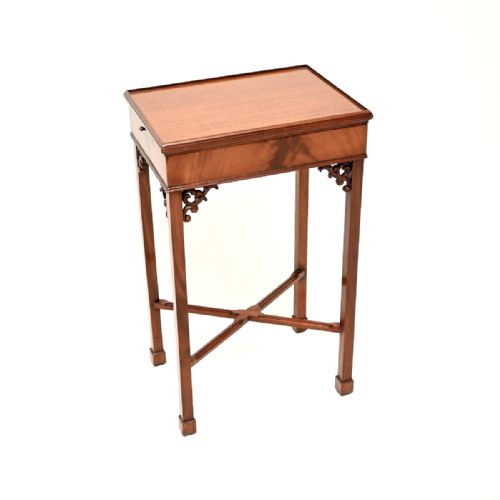
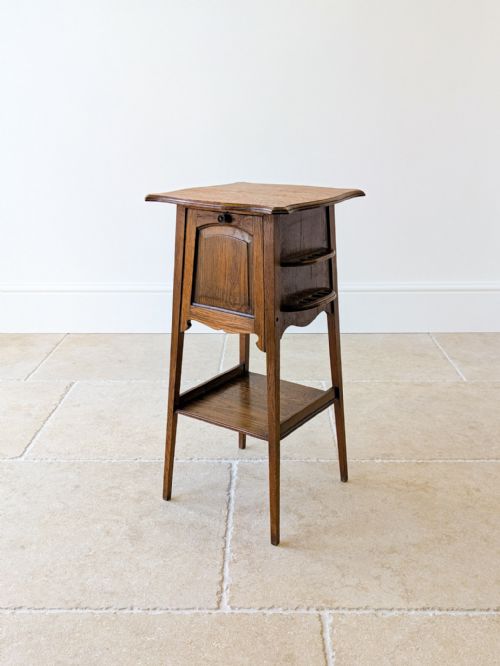
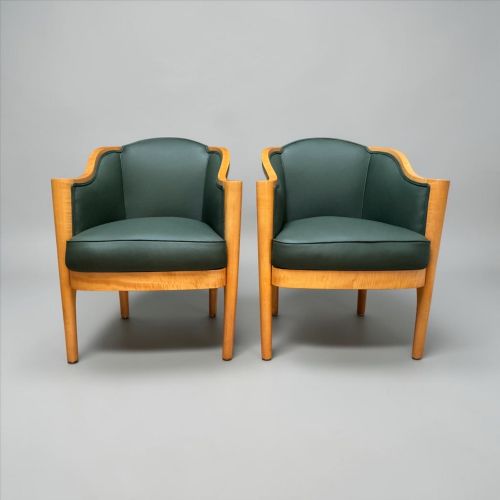
Vintage accent furniture encompasses smaller occasional pieces such as side tables, lamp tables, occasional tables, and occasional chairs designed to supplement a primary room layout. Buyers searching for vintage accent furniture frequently encounter Edwardian and Art Deco designs alongside earlier Victorian and 19th Century forms.
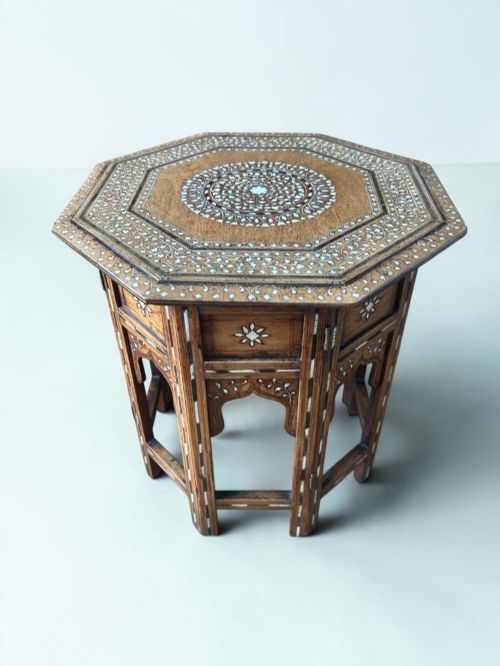
The functional scope ranges from bedside cabinets and plant stands to armchairs, hall chairs, and low tables. Pieces originate from diverse regional traditions, including Anglo-Indian, Chinese lacquer, French styles, and Arts and Crafts workshops.
Tables and chairs form the core of what is available, often serving specific auxiliary roles like holding a lamp or providing a secondary seat. These smaller items allow buyers to introduce distinct stylistic touches without committing to large suites of furniture.
Materials and construction methods
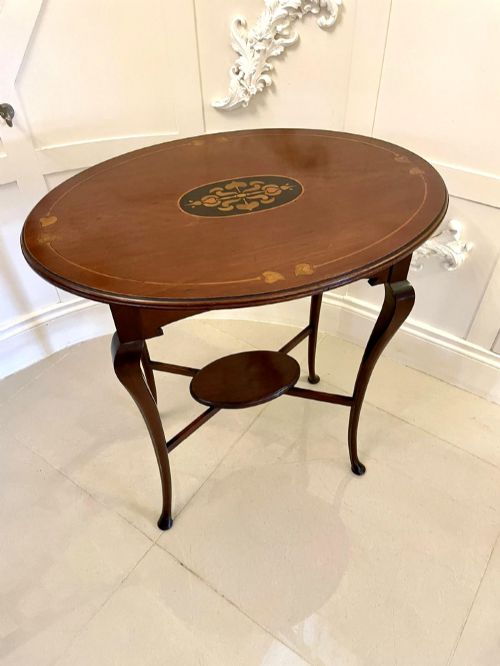
Cabinet makers utilised a wide spectrum of hardwoods and softwoods, predominantly mahogany, oak, walnut, satinwood, and yew, alongside specialised timbers like laburnum and kingwood. These woods were frequently enhanced with intricate marquetry, painted floral decoration, lacquer, or contrasting inlays to create visual depth.
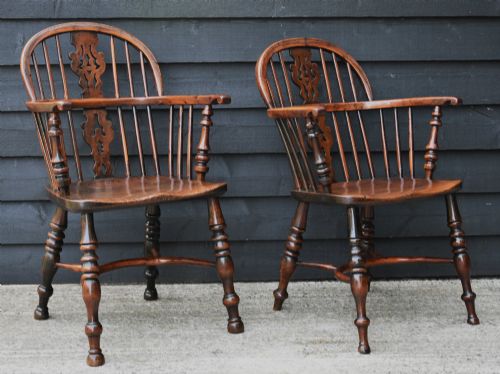
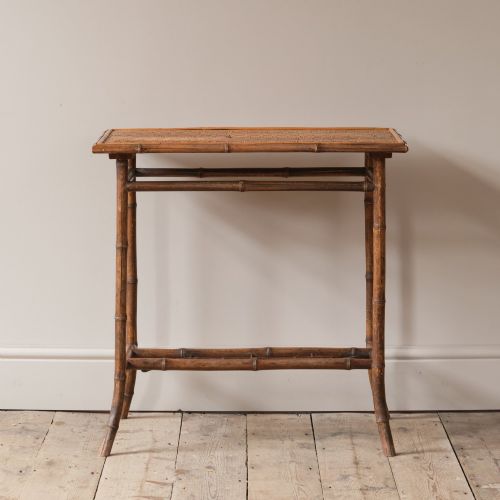
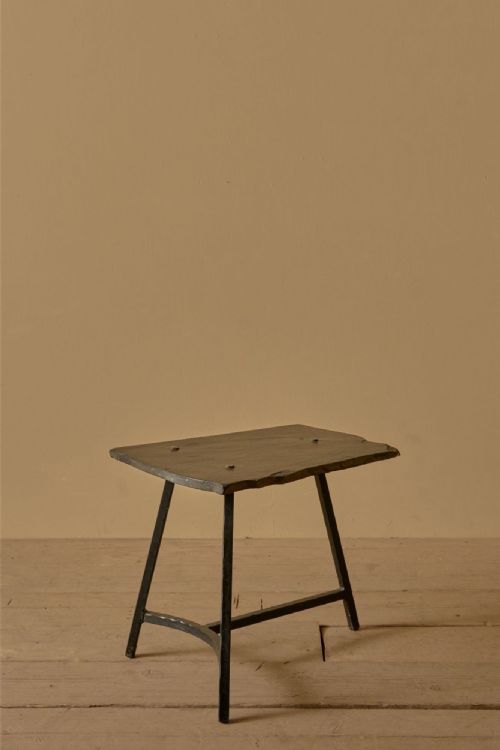
Structural variety is evident in the hardware and secondary materials used, incorporating brass fittings, steel, slate, marble tops, rush seating, and leather upholstery. Construction techniques range from traditional joinery and bobbin-turned legs to bamboo framing and campaign-style folding mechanisms.
Vintage Accent Furniture Retail Price Guide 2026
Typical asking prices for vintage accent furniture among the pieces listed under this phrase on Sellingantiques today, from the lower quarter to the upper quarter. They describe what is for sale here now, not the wider market.
Gipsy tables bring folding tripod legs and fabric draped tops together, offering an informal Victorian touch that easily packs away.
Distinctions in quality and execution
Quality reveals itself in the selection of timber figures, such as figured walnut, burr walnut, or satin birch, and the precision of decorative inlays and marquetry. Superior pieces demonstrate careful hand-finishing, whether in painted Chinoiserie motifs, carved details, or balanced proportions on kidney-shaped and octagonal tables.
The integrity of the construction and the retention of original surface patination distinguish finer examples. Pieces that maintain their original hardware, marble slabs, rush seats, or specialised regional carving carry greater integrity of design.
Maurice Adams·Liberty Morris & Co
The Vintage Accent Furniture Glossary
- Marquetry
- Decorative veneer patterns applied to furniture structures to form pictures or geometric designs. This technique utilises various tinted woods to create contrasting surface imagery.
- Occasional table
- A small, movable table designed for a specific, secondary function within a room. These include lamp tables, side tables, and Pembroke tables.
- Lowboy
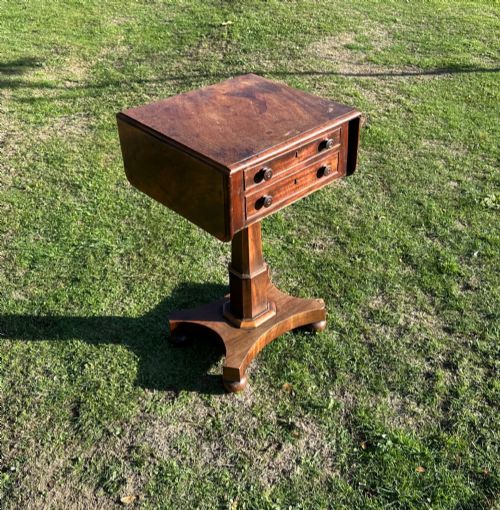
- A small pedestal table or table with drawers, typically standing on four legs. Eighteenth and early twentieth-century examples function as compact writing or dressing surfaces.
- Étagère
- A piece of furniture consisting of open shelves for displaying small objects. Multiple tiers allow for tiered storage and display.
- Sutherland table
- A narrow drop-leaf table whose leaves fold down almost vertically. It relies on pivoting legs to support the leaves when raised.
Vintage Accent Furniture: Frequently Asked Questions
What is vintage accent furniture?
Vintage accent furniture refers to smaller, movable pieces like side tables, occasional chairs, and cabinets from past decades that complement main interior furnishings.
These items add distinct period style and practical surface or seating space to living areas and bedrooms.
How do I identify Art Deco tables?
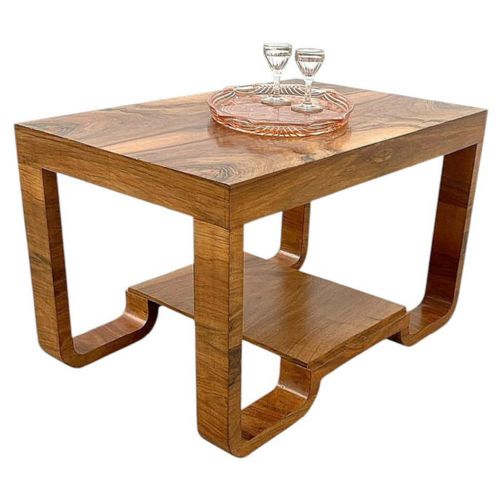
Art Deco tables typically display streamlined geometries, symmetrical veneers, and polished surfaces using woods like walnut or satin birch.
They often date from around the 1930s and favor clean, modern lines over Victorian ornamentation.
Where were occasional tables used?
Occasional tables were placed beside armchairs, in hallways, or near lamps to provide convenient surfaces for books, lighting, or decorative objects.
Their mobility allowed owners to shift them around rooms as domestic needs changed.
How do I care for inlaid wood?
Inlaid wood furniture benefits from regular dusting with a soft cloth and protection from direct sunlight and extreme temperature changes.
Avoiding harsh chemical polishes preserves the delicate balance of contrasting veneers and fitted timbers.