

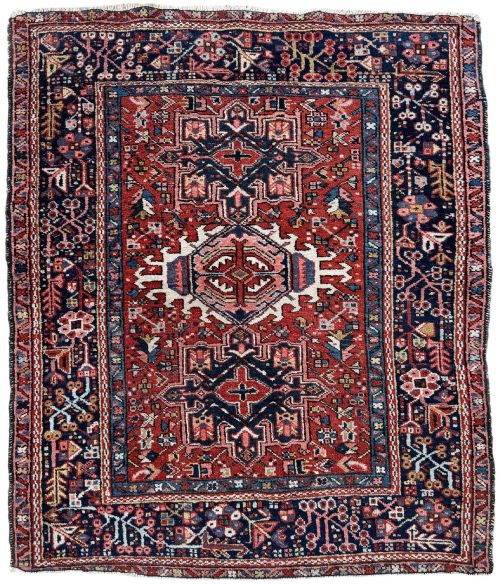
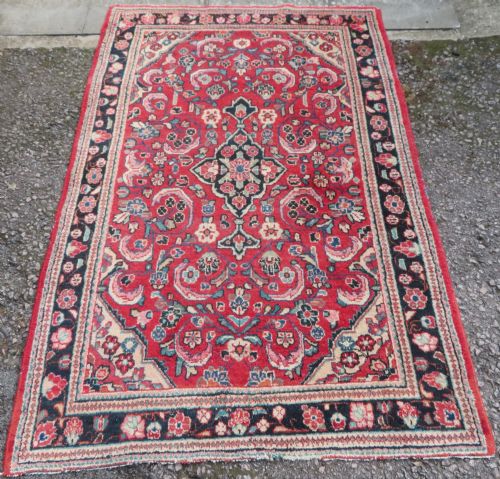
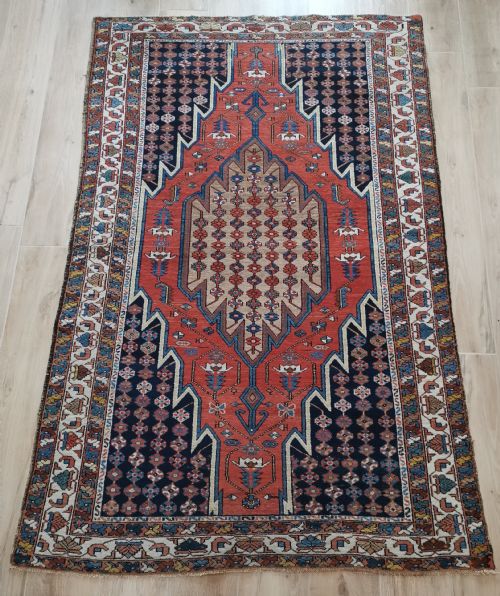
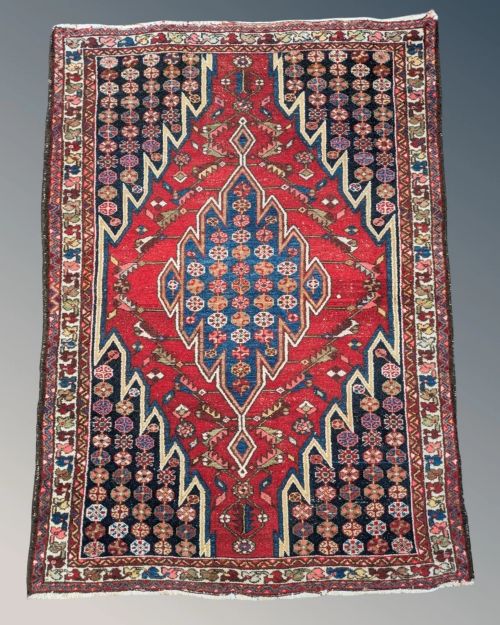
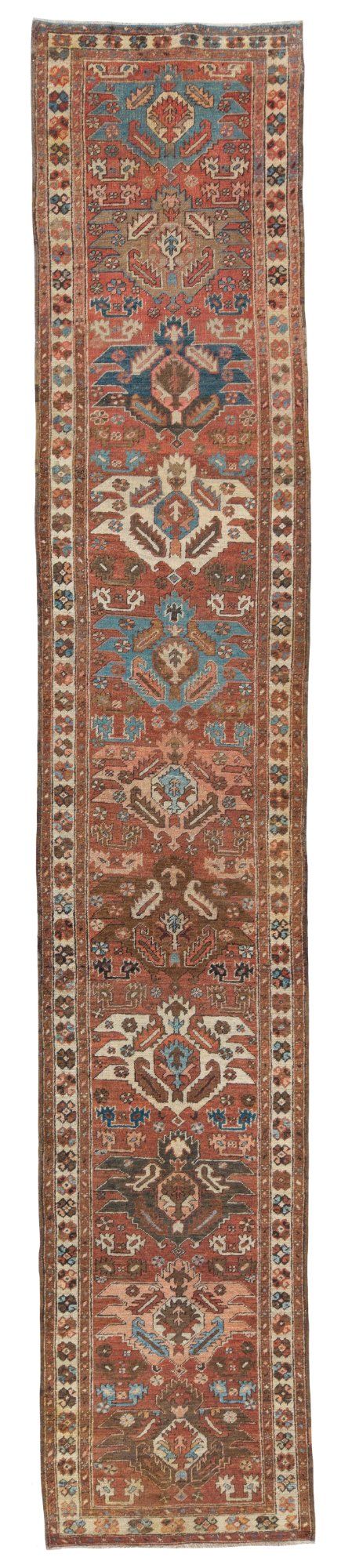
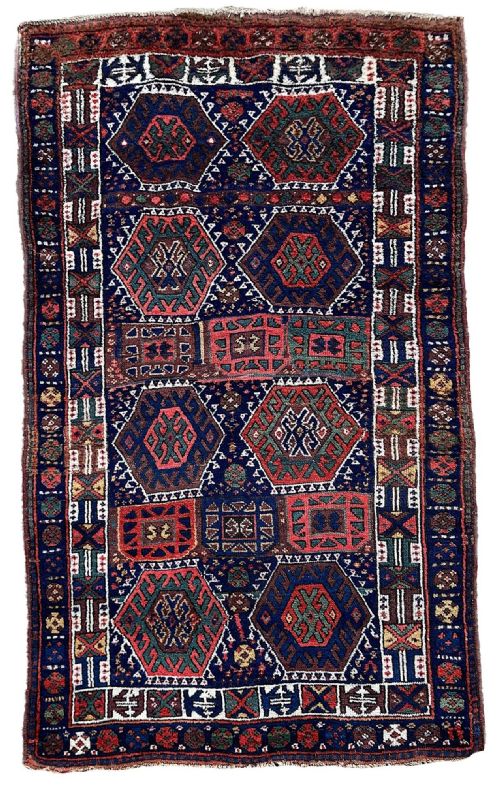

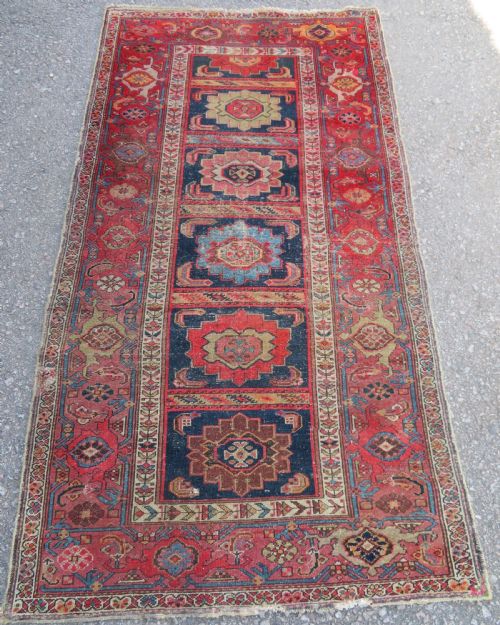


Village Wool Runner Rug
These village wool runner rugs deliver sturdy tribal weave and colour to long hallways and narrow spaces.
Village Wool Runner Rug
A village wool runner rug brings traditional motifs and narrow proportions from Persian, Caucasian, Turkish, and Afghan weaving traditions into modern hallways. These floor coverings emerge from community and nomadic workshops, carrying geometric patterns and regional designs suited to long, narrow spaces.
The selections span the nineteenth century through the early twentieth century, showing periods like 1870, 1890, 1900, 1910, 1920, and 1930. The inventory includes specific regional types such as Sarab, Kurdish, and Bakshaish, alongside broader tribal classifications.
Runners on this page present elongated dimensions intended for corridors and passage areas. They combine practical utility with traditional village aesthetics passed down through generations of weavers.
How they were made
Weavers constructed these pieces using wool, hand-spun wool, camel hair, and cotton foundations. Hand-spun wool provides a resilient pile, whilst natural dyes impart depth and variation to the palette over decades of use.
Traditional looms supported village and tribal production methods where weavers knotted pile yarn onto warp and weft threads. Finished edges and kilim ends secured the structure against fraying in high-traffic corridors.
Village Wool Runner Rug Retail Price Guide 2026
Typical asking prices for village wool runner rug among the pieces listed under this phrase on Sellingantiques today, from the lower quarter to the upper quarter. They describe what is for sale here now, not the wider market.
The listings span from 1850 through the 1930s, featuring wool, cotton, and camel hair materials.
What varies in quality
Quality diverges in the fineness of the knot density and the precision of the geometric or floral layout. Tightly packed knots create a firmer foundation that withstands heavy foot traffic better than looser structures.
The sophistication of the natural dye palette and the integrity of the wool fibres distinguish finer examples. Superior pieces display harmonious colour variation and balanced proportions across the field and borders.
The Village Wool Runner Rug Glossary
- Pile
- The upright yarn loops or tufts that form the usable surface of the rug. It gives the textile its texture and cushions footsteps.
- Warp
- The vertical foundation threads stretched lengthwise on the loom before weaving begins. Weft threads are interlaced across them to hold the knots secure.
- Natural Dyes
- Colourants derived from plants, insects, and minerals rather than synthetic chemical sources. They yield organic hues that age with distinct character.
- Kilim End
- The flat-woven section at the ends of a pile rug, often featuring coloured stripes or geometric bands. It protects the knotted field from unravelling.
- Medallion
- A central ornamental design motif placed in the middle of the rug field. Village weavers often used geometric or hooked medallion shapes.
Village Wool Runner Rug: Frequently Asked Questions
How do I place a runner rug?
Position your runner in hallways, corridors, or narrow entryways where it receives moderate foot traffic. Ensure the rug leaves an even border of exposed flooring on all sides to anchor the space.
Use a breathable underlay beneath the textile to prevent slipping and protect the historic foundation fibres from direct friction against hard floors.
How do I clean an old wool rug?
Vacuum the surface gently using suction only, avoiding the rotating brush roll to protect the historic pile and fringe. Shake the textile outdoors occasionally to dislodge embedded dust.
Professional specialist cleaning is recommended for deeper maintenance to prevent water damage or dye bleeding in natural colourants.
How do I date an antique runner?
Examine the structural materials, dye characteristics, and weave style to establish an approximate period of origin. Natural colour variations and hand-spun wool often point towards nineteenth or early twentieth-century production.
Compare specific regional motifs and border patterns against known stylistic markers from areas such as Northwest Persia or the Caucasus.
What is a village rug?
A village rug is woven by independent artisans in rural communities rather than large urban manufactories. These pieces reflect local folklore, traditional geometric patterns, and regional dyeing techniques.
They frequently display charming irregularities in symmetry and design execution that distinguish them from formal city carpets.