





Vienna Bronze Animalier
These vienna bronze animalier sculptures and figurines bring realistic animal forms to life through detailed casting and bright pigment.
Vienna Bronze Animalier
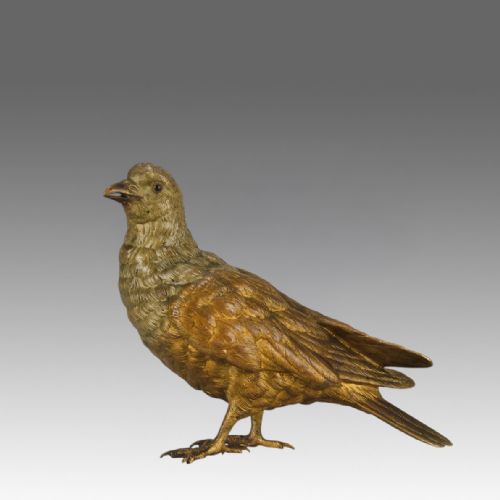
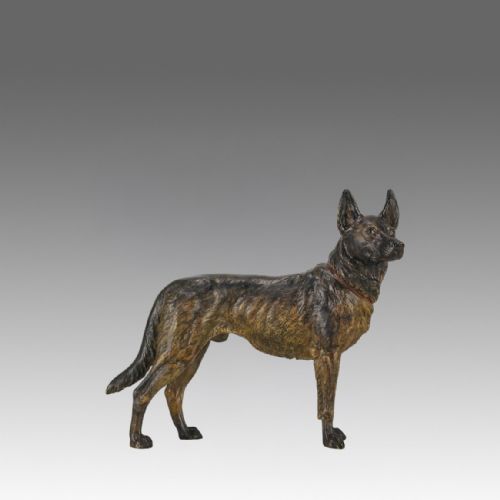
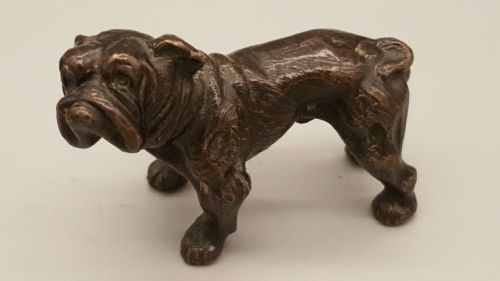
When you search for vienna bronze animalier, you encounter small sculptural figures and dishes depicting dogs, birds, and other animals. These pieces capture creatures in natural poses, often mounted on stone or quartz bases.
The objects appearing here span from the late nineteenth century into the twentieth century, with styles including Art Nouveau and Art Deco. Figures range from individual birds and dogs to pairs of grouse and racing greyhounds.
Originating primarily from Austrian workshops, these bronzes represent a distinct tradition of metalwork. You find both simple animal studies and functional items like sculptural dishes incorporating animal subjects.
Casting and Painting Methods
These pieces are produced through metal casting in bronze, which is sometimes given a silvered finish. Workshops then apply cold-painted techniques using paint and enamel paint directly onto the metal surface without firing.
Mounting often involves natural materials, with sculptures secured to quartz or stone bases. This combination provides weight and stability to the small metal figures and large hawk studies alike.
Vienna Bronze Animalier Retail Price Guide 2026
Typical asking prices for vienna bronze animalier among the pieces listed under this phrase on Sellingantiques today, from the lower quarter to the upper quarter. They describe what is for sale here now, not the wider market.
Listings feature periods spanning from the late nineteenth century through the Art Deco era, utilising bronze, enamel paint, quartz, and stone bases.
Evaluating Quality and Detail
Quality in these works rests upon the fidelity of the animal anatomy and the preservation of the cold-painted surface. Finer examples display intricate feather or fur definition and carefully layered enamel pigments.
The presence of maker marks and signatures from known Viennese workshops distinguishes standard production from notable studio output. Additionally, the complexity of the subject, such as multi-figure racing scenes or mounted rock bases, influences the distinction of a piece.
Franz Bergman·Franz Xaver Bergmann·Karl Hagenaur
The Vienna Bronze Animalier Glossary
- Animalier
- A nineteenth-century art movement and genre dedicated to the realistic depiction of animals. Sculptors in this tradition focused closely on animal anatomy and movement.
- Cold-Painted Bronze
- A method where bronze sculptures are painted with unfired pigments rather than enamel baked in a kiln. This technique allows for fine polychrome detail on small metal figures.
- Vienna Bronze
- Small-scale bronze sculptures produced in Austrian workshops during the late nineteenth and early twentieth centuries. They are widely recognised for naturalistic animal subjects and cold-painted finishes.
- Silvered Bronze
- Bronze that has been treated with a silver coating or plating to alter its surface appearance. This finish appears on certain twentieth-century modernist designs.
- Quartz Rock Base
- A natural mineral mounting used as a heavy foundation for metal sculptures. It provides a contrasting textured base for animal figures.
Vienna Bronze Animalier: Frequently Asked Questions
What is vienna bronze animalier?
These works are small metal sculptures depicting animals, created in Austrian workshops during the late nineteenth and early twentieth centuries. They combine metal casting with hand-applied cold-painted pigments.
Subjects range from domestic dogs and wild birds to exotic animals and racing scenes. Many pieces function purely as decorative figurines, while others incorporate dishes or sit upon stone bases.
How do I care for cold-painted bronze?
Preserving the surface requires keeping pieces away from direct sunlight and moisture to protect the unbaked paint layers. Dusting should be done gently with a soft, dry cloth.
Avoid using liquid cleaners, polishes, or abrasive cloths, as these substances can strip the delicate enamel paint from the bronze surface.
How can I tell the period?
Dating relies on stylistic markers, signature formats, and the transition from naturalistic nineteenth-century designs to stylised Art Nouveau and Art Deco forms. Pieces from different decades reflect changing tastes in metalwork and sculpture.
Examining the base materials, casting sharpness, and the type of cold-painted pigments utilised helps place a piece within its historical production window.
Were these items used functionally?
While many pieces serve as standalone display figurines, certain items combine sculpture with utility. Examples include small dishes featuring animal figures racing across the bronze surface.
These functional objects were designed for domestic display and use on desks or tables during the Edwardian period and later.