



Victorian Wrought Iron Andirons
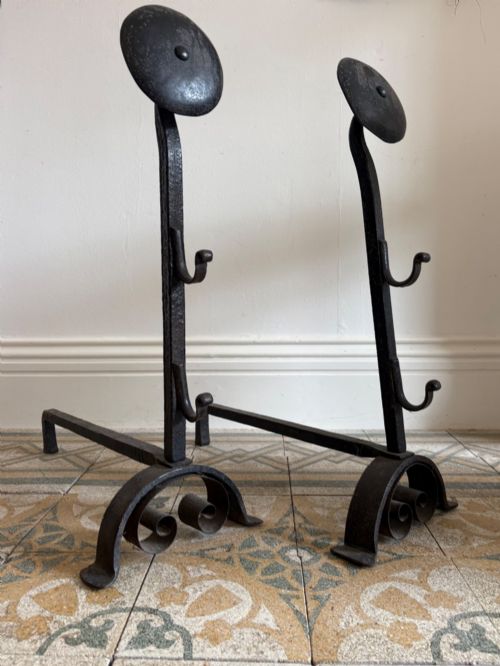
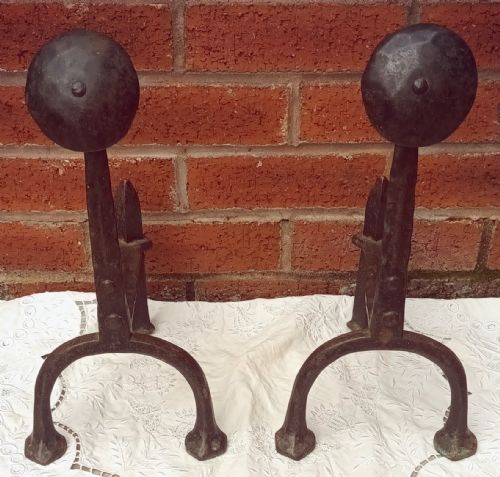
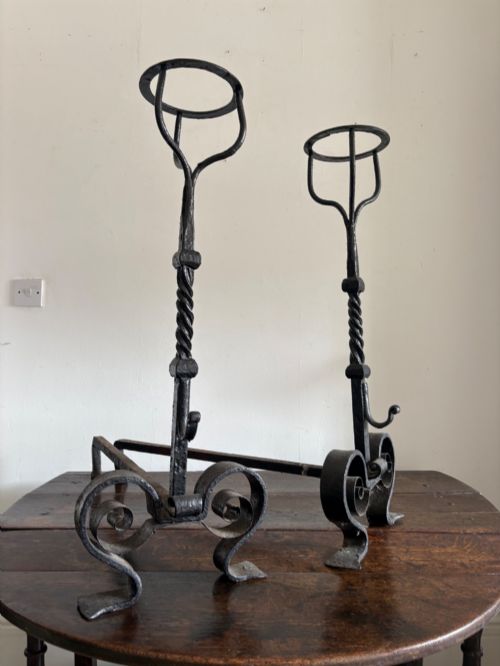
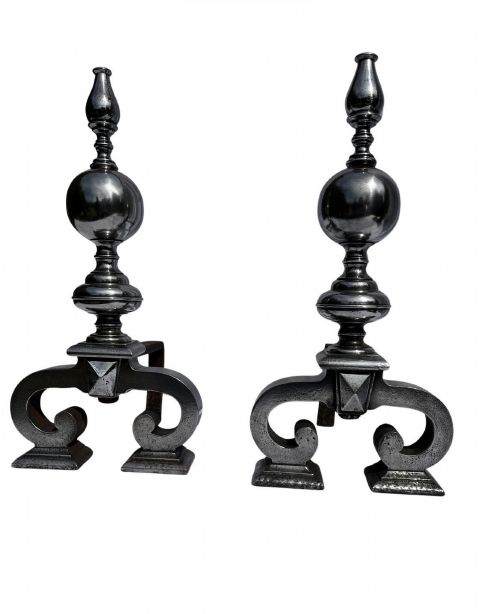
These victorian wrought iron andirons anchor a hearth with honest utility and strong period character.
Victorian Wrought Iron Andirons
When you search for victorian wrought iron andirons, you meet heavy forged fire dogs designed to hold logs above the hearth floor. The pieces on this page span the nineteenth century and around nineteen hundred, alongside items styled in the arts and crafts and victorian gothic revival traditions.
Most examples appear as pairs of fire dogs, sometimes accompanied by fire baskets, grates, or fireside tool rests. English origin dominates the evidence, with forms ranging from monumental pairs standing eighty-six centimetres tall down to smaller hearth accessories.
The objects serve both practical and decorative purposes within an open hearth or inglenook fireplace. They combine functional ironwork with the distinctive aesthetic movements of the nineteenth century, including art nouveau and georgian influences.
How they were made
Makers shaped these pieces primarily from wrought iron and cast iron, often combining polished iron or steel for functional surfaces. Firebrick and brass occasionally appear as supporting materials or decorative accents within fire baskets and andirons.
Blacksmiths utilised traditional forging techniques to hammer and shape the iron into sturdy fire dogs and grates. The resulting metalwork relies on visible structural integrity rather than applied surface ornament.
Victorian Wrought Iron Andirons Retail Price Guide 2026
Typical asking prices for victorian wrought iron andirons among the pieces listed under this phrase on Sellingantiques today, from the lower quarter to the upper quarter. They describe what is for sale here now, not the wider market.
Some sets double as tool rests, proving that even nineteenth-century blacksmiths understood the universal human annoyance of misplacing the poker.
What varies in quality
Quality rests in the proportion and weight of the forged metal, separating monumental pairs from standard domestic sets. Substantial height and careful distribution of the wrought iron create a commanding presence in the hearth.
The integration of stylistic details, whether arts and crafts simplicity or victorian gothic revival complexity, defines the upper tier of pieces. Finish also plays a role, with polished iron surfaces and brass details marking out finer examples.
The Victorian Wrought Iron Andirons Glossary
- Andirons
- Supports for logs in an open fireplace, also known as fire dogs. They typically feature a horizontal bar and an upright front standard.
- Fire Basket
- A metal basket holding fuel within a fireplace, frequently paired with andirons. These units contain the fire while allowing air circulation.
- Wrought Iron
- Tough, malleable iron beaten into shape by a blacksmith. It is identified by its fibrous texture and strength under tension.
- Firebrick
- A block of refractory ceramic material used to line fireboxes. It withstands high temperatures and protects the surrounding ironwork.
- Inglenook
- A recess off a room containing a fireplace and seats. It provides a sheltered area close to the hearth.
Victorian Wrought Iron Andirons: Frequently Asked Questions
What are victorian wrought iron andirons used for?
These andirons support logs within an open hearth, raising the wood to improve airflow beneath the fire. This elevation helps the fuel burn more efficiently and aids in ash clearance.
Beyond function, they serve as prominent decorative elements for the fireplace. They frame the hearth and reflect the distinct ironwork styles of the nineteenth century.
How do I date a pair of andirons?
Dating relies on stylistic clues and construction methods recorded across the nineteenth century and into nineteen hundred. Arts and crafts or art nouveau motifs point towards the later end of the period.
Heavier gothic revival pieces and simpler geometric forms often align with mid to late victorian production. Examining the mix of cast and wrought iron components also helps narrow the era.
Are andirons the same as fire dogs?
The terms are generally used interchangeably to describe the upright metal supports placed on either side of a hearth. Both hold logs in position during a fire.
Some historical listings differentiate them by specific regional or maker terminology, but functionally they perform the identical role in the fireplace.
How do I clean polished iron andirons?
Careful maintenance preserves the metal surface without stripping the character accumulated over decades of use. Light dusting and occasional treatment with a suitable protective wax prevent moisture damage.
Harsh chemical abrasives should be avoided entirely to protect the underlying forged texture. Keeping the iron dry is essential for long-term preservation.