



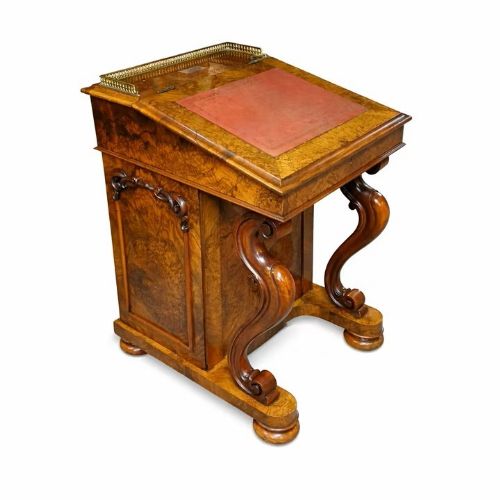
Victorian Wooden Writing Bureau
A victorian wooden writing bureau offers practical surface space combined with concealed compartments, making it a functional centrepiece for the home.
Victorian Wooden Writing Bureau
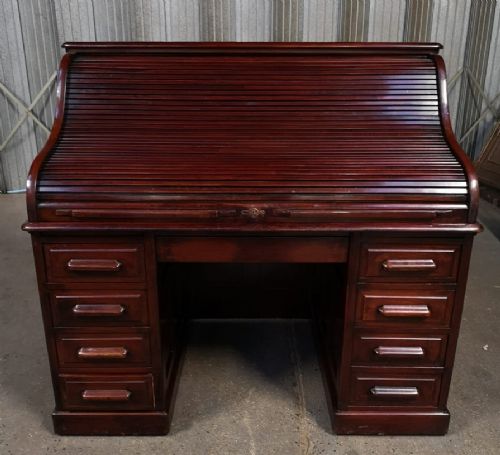
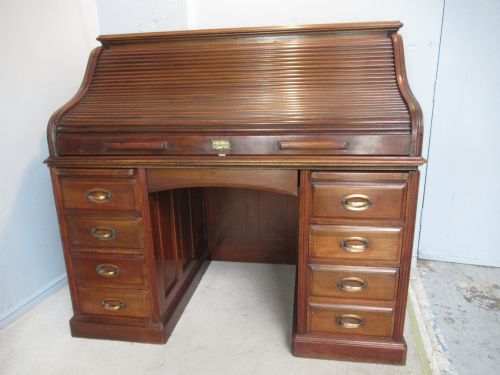
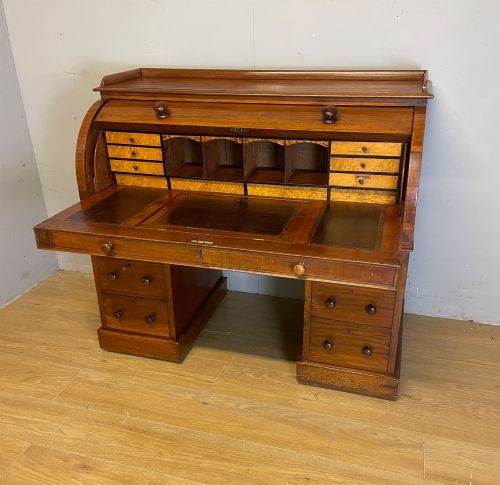
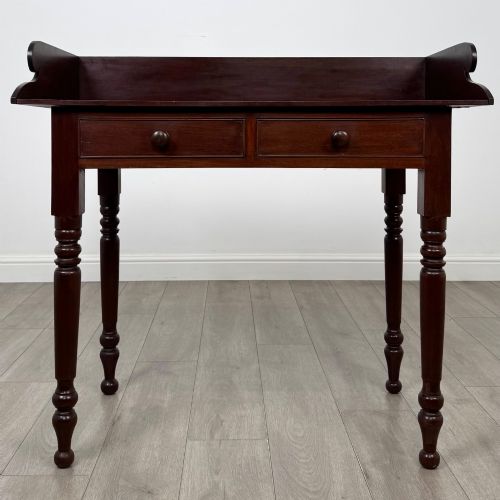
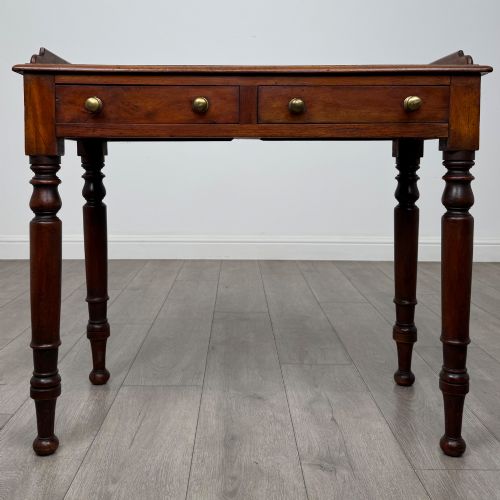
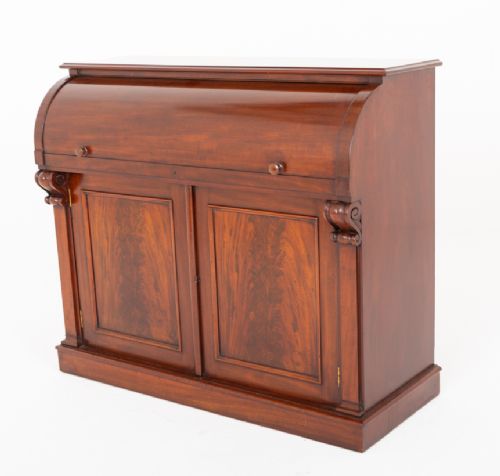
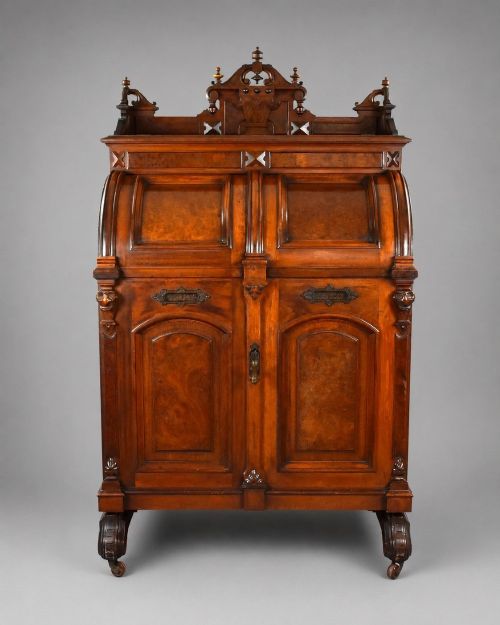
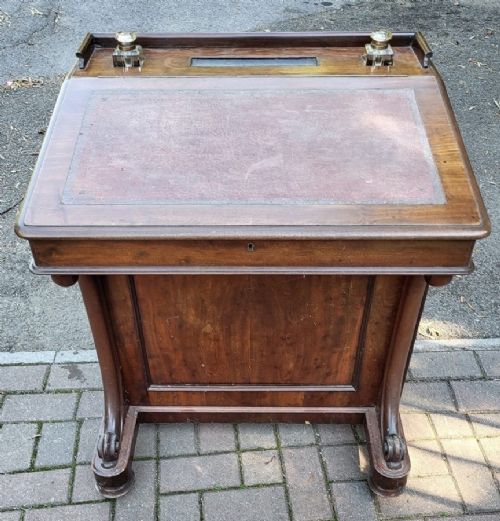
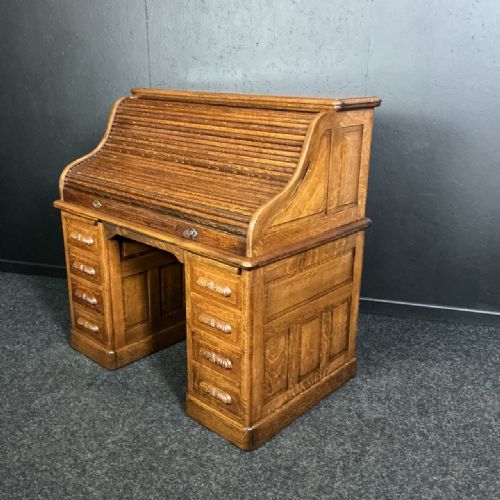
A victorian wooden writing bureau encompasses various practical forms designed for correspondence and storage, frequently appearing on this page as compact Davenport desks, cylinder desks, and traditional bureaus. These pieces date principally from the nineteenth century, spanning periods from early Victorian work through to Edwardian examples.
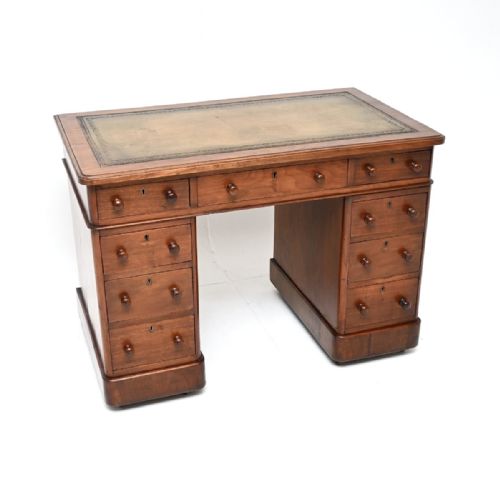
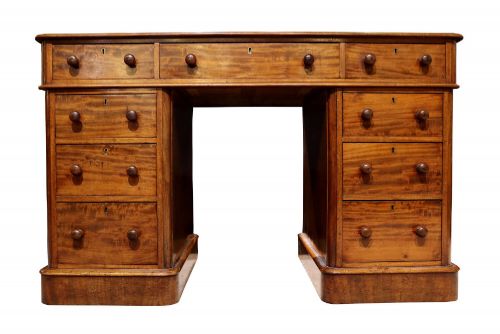
Buyers will encounter multiple wood types and structural formats, including pedestal desks and slope-front writing cabinets. The selection ranges from modest country pieces to exhibition quality examples featuring elaborate marquetry and specialised interiors.
Materials and construction
These items rely on solid timbers and decorative veneers such as mahogany, walnut, burr walnut, oak, maple, and satinwood, often complemented by brass hardware and fitted leather writing surfaces. Cabinetmakers utilised both figured grain patterns and careful inlays to create visual depth on writing surfaces and drawer fronts.
Internal construction incorporates specialised mechanisms like tambour tops, roll tops, cylinder fronts, and secret drawers operated through hidden releases. Structural integrity depends on traditional joinery applied to carcases, pedestals, and folding writing flaps.
Periods represented span the early Victorian years through the late Victorian era and into the Edwardian period.
Distinctions in quality
Quality in a victorian wooden writing bureau is determined by the choice of timber veneer, the precision of internal mechanisms like tambour shutters and cylinder actions, and the sophistication of secondary woods used in drawer linings. Superior examples exhibit finely figured burr walnut, amboyna, or maple alongside intricate satinwood interiors.
Maple & Co·George Faulkner Armitage
The Victorian Wooden Writing Bureau Glossary
- Bureau
- A desk featuring a sloping hinged flap that opens to reveal a fitted interior of pigeonholes and small drawers. This form provides a concealed workspace when closed.
- Davenport
- A compact writing desk featuring a sloped top, side drawers, and a stationery box on the upper surface. It originated in the nineteenth century as a space-saving writing cabinet.
- Cylinder desk
- A desk with a rounded, quarter-circle wooden shutter that rolls back to uncover the writing surface and interior compartments. The action operates smoothly on tracks.
- Tambour top
- A flexible rolling shutter constructed from narrow vertical strips of wood glued to canvas. It encloses the upper section of a roll top desk.
- Secretaire
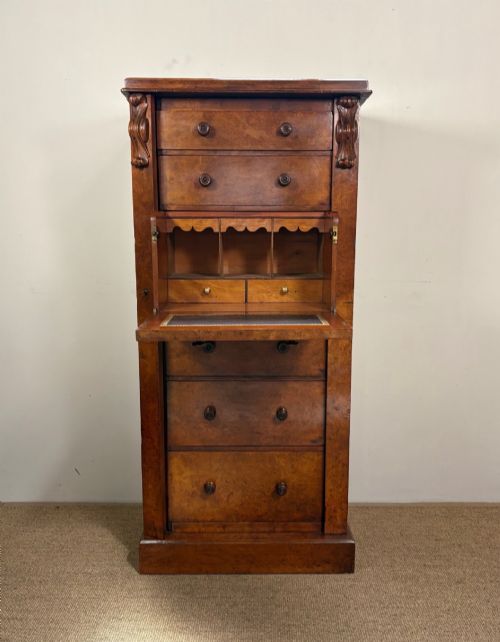
- A cabinet or chest of drawers containing a fitted pull-out writing drawer or drop-front writing compartment. These pieces combine storage capacity with desk functionality.
Victorian Wooden Writing Bureau: Frequently Asked Questions
How do I use a bureau daily?
Lower the hinged writing flap to access the internal pigeonholes and flat surface for modern correspondence or laptop work. Close the flap afterwards to conceal papers and maintain a tidy room.
Ensure that hinges and supporting arms take the weight of the flap during use. Regular waxing keeps the wooden writing surface protected from daily wear.
What is a Davenport desk?
A Davenport is a small, box-like writing desk featuring a sloping top covered in leather and drawers accessed from the side. This compact form suited nineteenth-century drawing rooms where space was limited.
The upper section often includes a stationary compartment with a lid. Many examples rest on castors for ease of movement across floor coverings.
How do roll top desks work?
Roll top desks use a flexible wooden tambour shutter that slides along a curved groove to cover the desk interior. Pushing the shutter up reveals the pigeonholes and writing area.
Keeping the tracks clean ensures the tambour mechanism slides smoothly. These desks offer secure storage by locking the roll top down over the drawers.
How do I date these pieces?
Dating relies on timber choices, construction techniques, and stylistic markers associated with the Victorian and Edwardian eras. Earlier nineteenth-century examples often feature golden mahogany and hand-cut dovetails.
Later Victorian and Edwardian items may incorporate machine-sawn elements and different hardware styles. Examining secondary woods inside the drawers helps confirm the period of manufacture.