


Victorian Wooden Wall Mirror
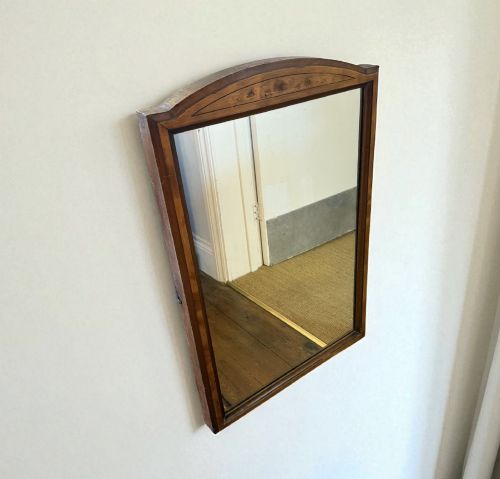
A victorian wooden wall mirror brings warmth and character to a room through solid timber framing and carved detail.
Victorian Wooden Wall Mirror
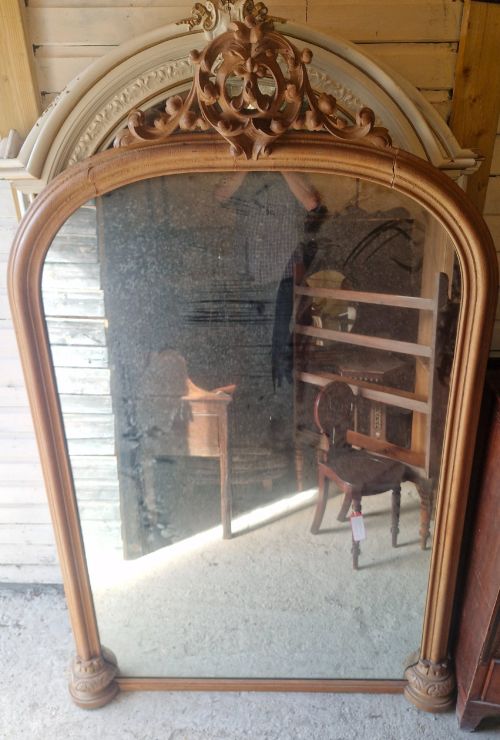
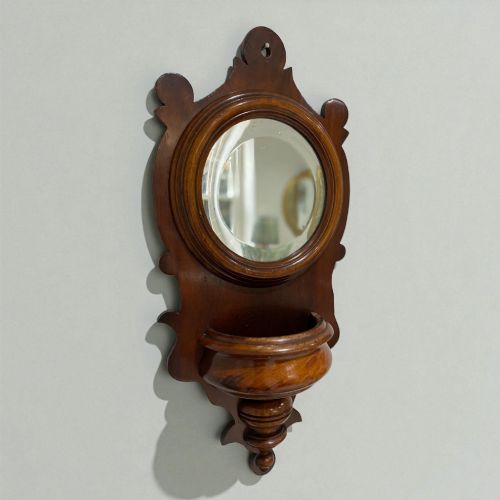
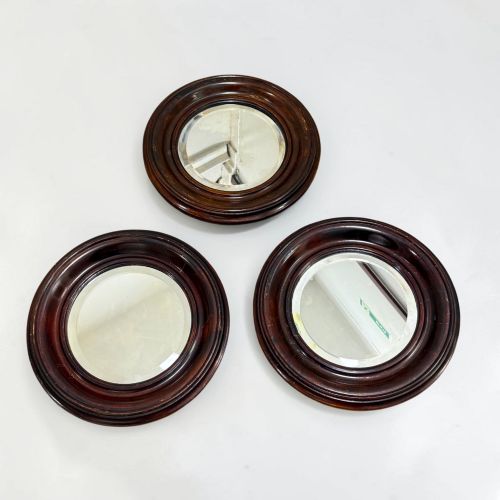
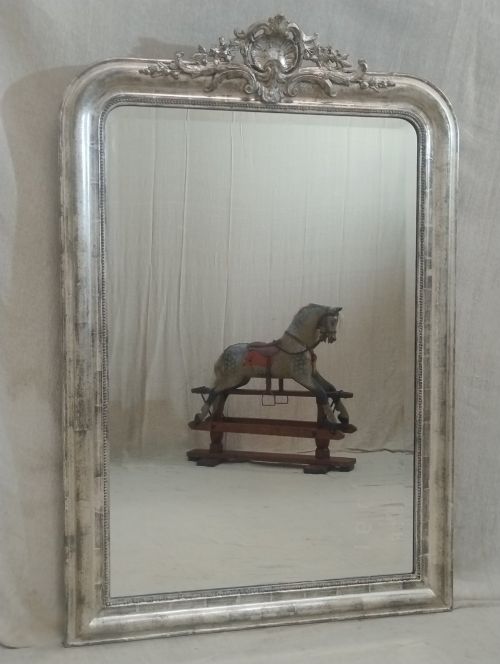
A victorian wooden wall mirror comprises rectangular and oval wall-hanging looking glasses housed in timber frames, frequently originating from the nineteenth century. These objects served functional and decorative purposes in period interiors, appearing as simple hall glasses or grand reception room furnishings.
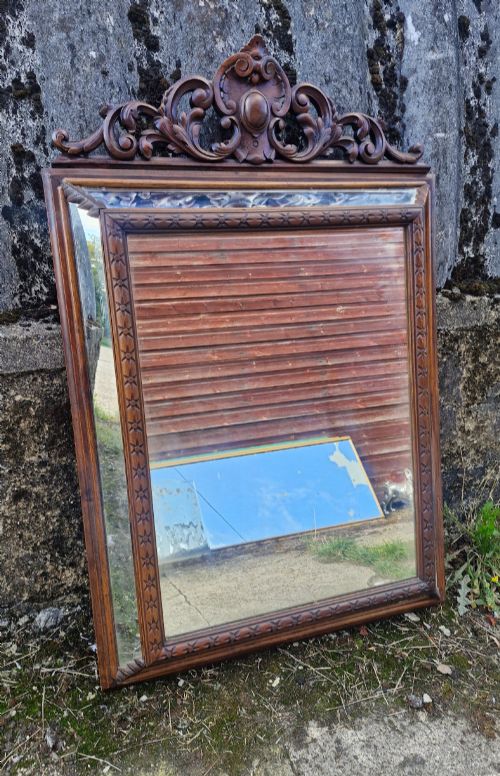
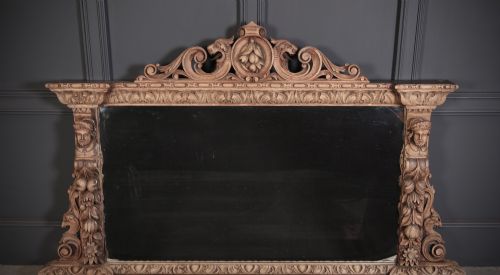
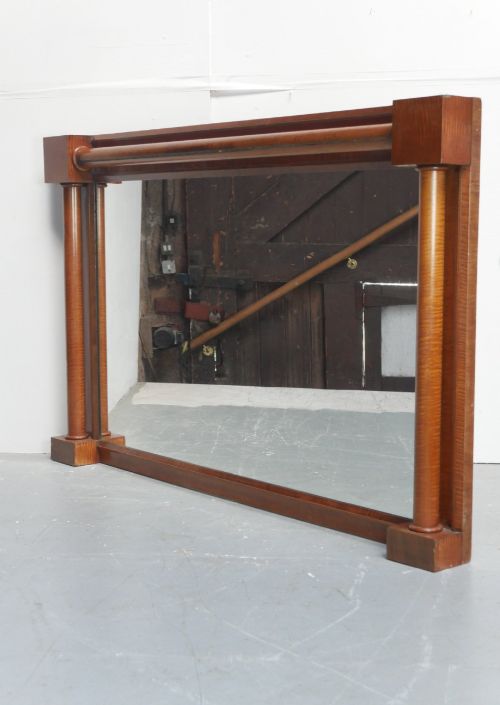
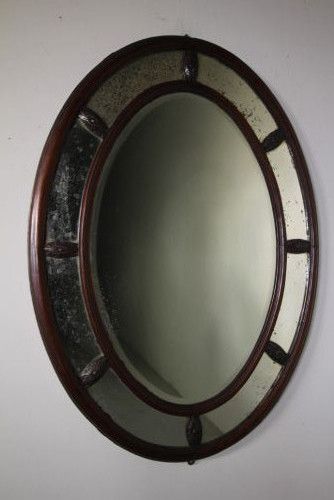
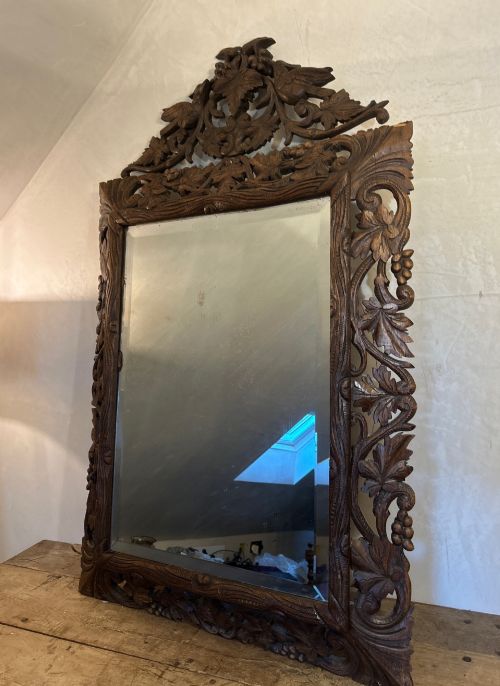
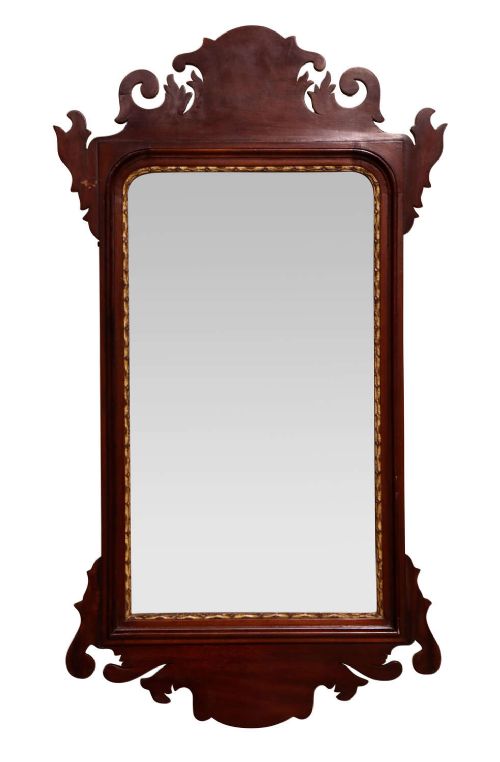
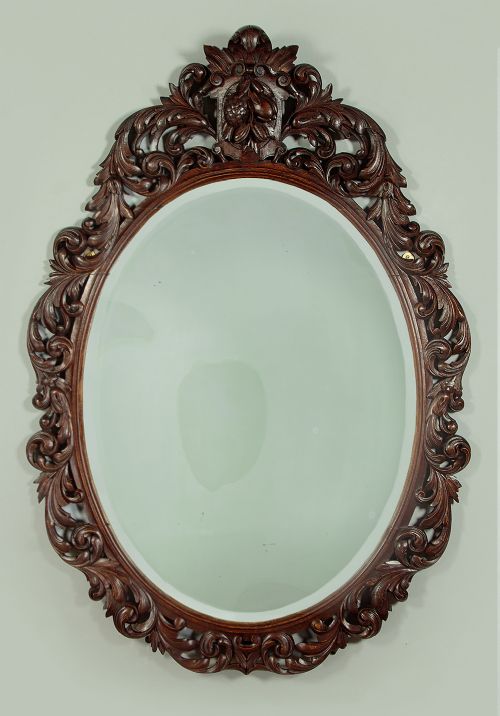
The version most commonly met on this page is the carved oak wall mirror, often dating from the late nineteenth century around eighteen ninety. Alongside these, buyers encounter mahogany overmantle mirrors and walnut frames executed in revival styles such as Chippendale and Rococo.
How they were made
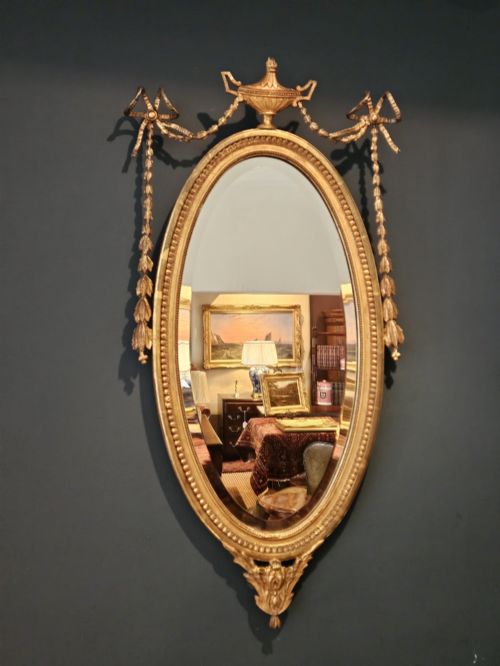
Frames rely on solid cabinet timbers including oak, mahogany, walnut, and maple, shaped by hand carving and joinery. Artisans applied gesso to build up raised ornament before gilding or painting the wooden surface.
Many examples incorporate brass mounts, applied mouldings, and bevelled or flat mirror glass secured within panelled backs. Structural elements like fretwork crestings and applied brackets required precise woodworking skills.
Listings feature eighteenth century revival styles including Chippendale, Regency, and French Renaissance interpretations.
What varies in quality
Depth and precision of the hand carving separate standard production pieces from exhibition grade examples. Crisp undercut foliage, balanced proportions, and substantial timber thickness distinguish finer workshops.
The integrity of the original mirror glass and the preservation of the timber finish dictate the overall standard. Superior items retain their original gilding, brass fixtures, and structural joinery without heavy timber shrinkage.
Cottier & Co
The Victorian Wooden Wall Mirror Glossary
- Overmantle mirror
- A large glass designed to hang directly above a fireplace mantelpiece. These often incorporate architectural columns or carved crestings.
- Chippendale Revival
- A decorative style popular in the nineteenth century replicating eighteenth century Chinese and Gothic fretwork patterns. Such frames use pierced mahogany mahogany panels.
- Pier mirror
- A tall narrow looking glass designed to hang on the wall between two windows. They frequently match console tables placed below.
- Gesso
- A plaster mixture applied to wood frames to create a smooth surface for gilding. It allows for intricate relief moulding.
- Girandole
- A decorative wall mirror fitted with one or more candle sconces attached to the frame. The polished glass reflects the candlelight.
Victorian Wooden Wall Mirror: Frequently Asked Questions
Where should I hang an overmantle mirror?
These large glasses belong above a fireplace mantelpiece where they anchor the room's proportions and reflect light.
Ensure the wall fixings are secured directly into studs or masonry to support the substantial weight of the timber frame.
How do I identify a Chippendale revival frame?
Look for pierced mahogany fretwork, scroll ears, and symmetrical carved motifs derived from eighteenth century pattern books.
Late nineteenth century examples adopt these lighter ornamental outlines while retaining Victorian timber density.
What is the difference between a pier mirror and a wall mirror?
Pier mirrors are proportioned specifically to hang on the narrow wall space between windows or above console tables.
Standard wall mirrors feature more flexible dimensions suited for hallways, bedrooms, and general living spaces.
How do I care for antique wooden frames?
Dust the carved wood surfaces regularly with a dry cloth and avoid commercial aerosol polishes that leave residue on the finish.
Keep the mirrors away from direct sunlight and damp environments to protect the wooden joinery and the mirror silvering.