


Victorian Wooden Toilet Mirror
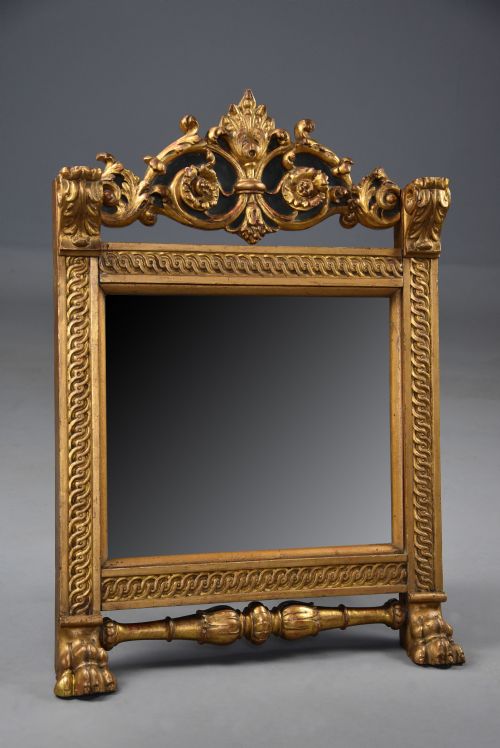
A victorian wooden toilet mirror sits on a chest or dressing table to reflect light and face.
Victorian Wooden Toilet Mirror
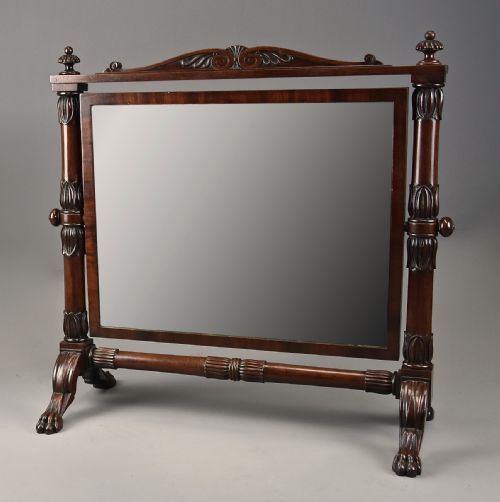
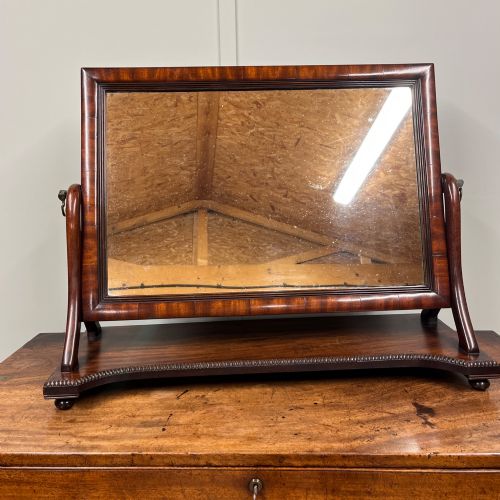
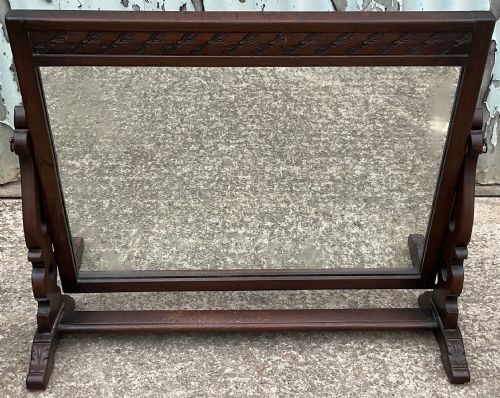
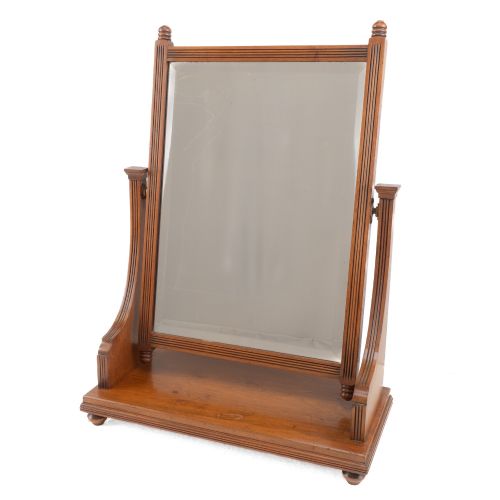
A victorian wooden toilet mirror is a small, movable glass panel framed in timber and mounted on a supportive stand or box base. When you search for this phrase, you encounter pieces designed to sit upon a chest of drawers or a dedicated dressing table.
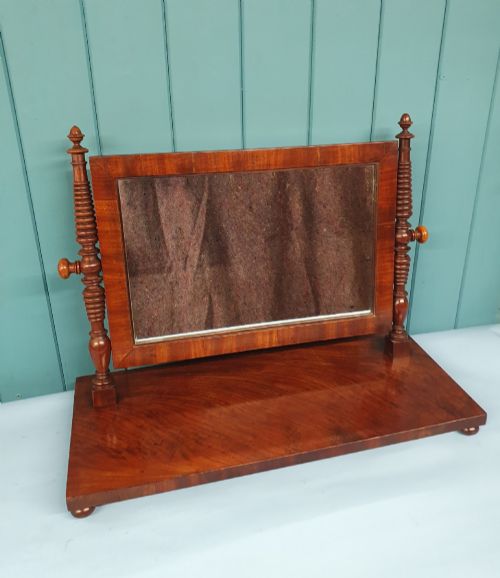
The versions you meet most frequently on this page are constructed from mahogany and walnut, often featuring pivoting frames known as swing mirrors. These objects served a practical daily purpose in bedrooms before fitted wardrobes with full-length mirrors became common.
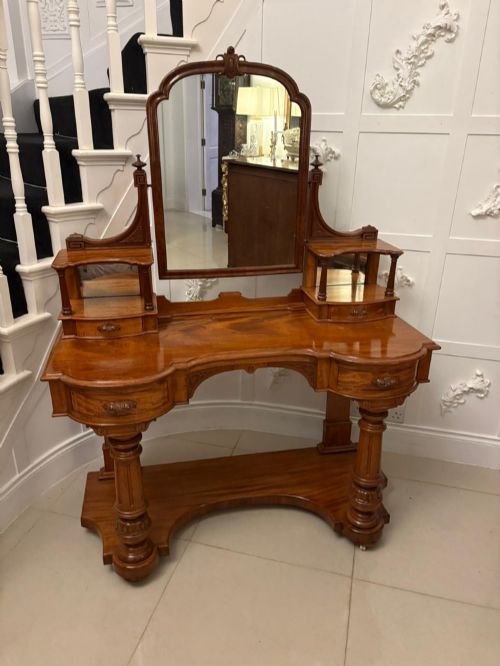
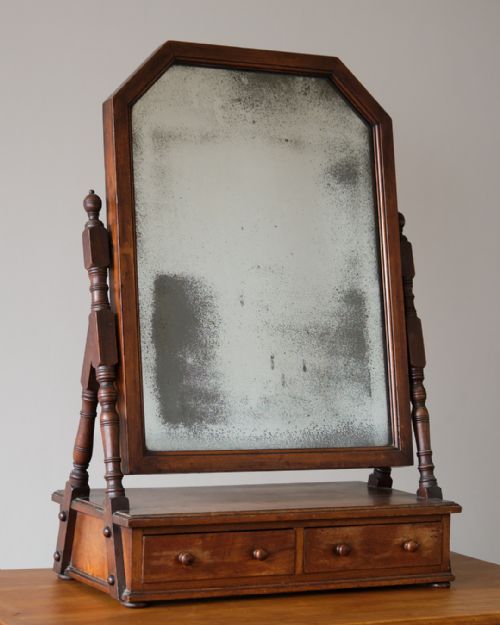
Many examples incorporate small drawers within their base structures for holding trinkets or personal items. The forms range from simple rectangular frames to elaborate serpentine shapes with carved supports.
Materials and Construction
Cabinet makers utilised dense hardwoods such as mahogany, walnut, satinwood, and oak to build the frames and support structures. These timbers were selected for their stability and capacity to take a fine polished finish.
Mirrors relied on glass panels held within adjustable frames mounted on brass pivots, allowing the user to tilt the angle of reflection. Decorative touches included carved details, giltwood accents, and marquetry inlays.
Base boxes and drawer linings were joined using traditional woodworking methods to support the weight of the pivoting glass frame.
Listings feature mahogany, walnut, satinwood, oak, and brass alongside glass mirrors.
Distinctions in Quality
The distinction between standard examples and superior pieces rests on the choice of timber and the depth of carving. Dense Cuban mahogany and figured burr walnut elevate the visual presence of a mirror.
Fine craftsmanship shows in the smooth operation of the brass pivot hardware and the precision of the drawer joints in the base. The weight and clarity of the mirror glass itself also mark the tier of the piece.
Heal And Sons·Gillows
The Victorian Wooden Toilet Mirror Glossary
- Swing mirror
- A glass plate hung on side pivots within a movable frame. This allows the user to tilt the reflection up or down.
- Toilet mirror
- A smaller tabletop mirror historically used during personal grooming and dressing. These typically sit on top of a chest or table.
- Cheval mirror
- A freestanding full-length dressing mirror supported in a frame with four legs. These allow a view of the entire outfit.
- Serpentine
- A curved shape curving outward at the centre and inward at the sides. This contour appears frequently on the front bases of finer mirrors.
- Marquetry
- Decorative woodwork where thin pieces of veneer are fitted into a backing to form geometric or floral patterns. This technique enhances the surface of the frame or base.
Victorian Wooden Toilet Mirror: Frequently Asked Questions
What is a toilet mirror?
A toilet mirror is a tabletop looking glass designed for personal grooming. It rests on a chest of drawers or a dressing table rather than standing on the floor.
The word toilet derives from the French term for a cloth or wrapper used during dressing routines, rather than the room itself.
How do you use them today?
These mirrors function effectively on top of modern chests of drawers or dressing tables in bedrooms and hallways. The adjustable frames remain useful for daily routines.
The small drawers in the base provide convenient storage for jewellery, keys, and small accessories.
Are all these mirrors Victorian?
While the Victorian era dominates the selection, the listings include pieces from the Georgian and Regency periods alongside later Edwardian examples. Cabinet makers continued traditional forms across multiple reigns.
Stylistic details like heavy carving or aesthetic movement influences help distinguish the exact period of manufacture.
What woods were used?
Mahogany is the predominant timber found in these frames, including Cuban varieties known for deep grain patterns. Walnut, satinwood, oak, and painted wood also appear across the selection.
Cabinet makers matched these primary timbers with secondary woods for internal drawer construction.