




Victorian Cheval Table Mirror
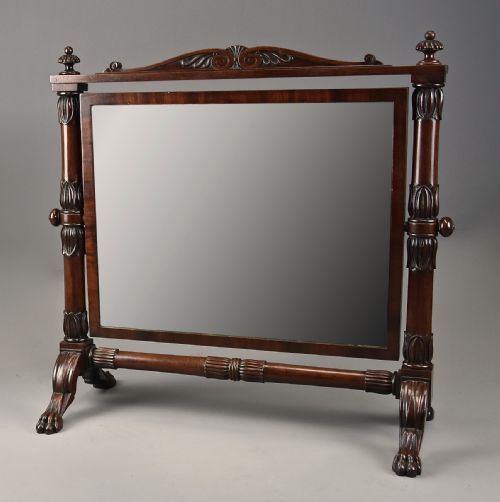
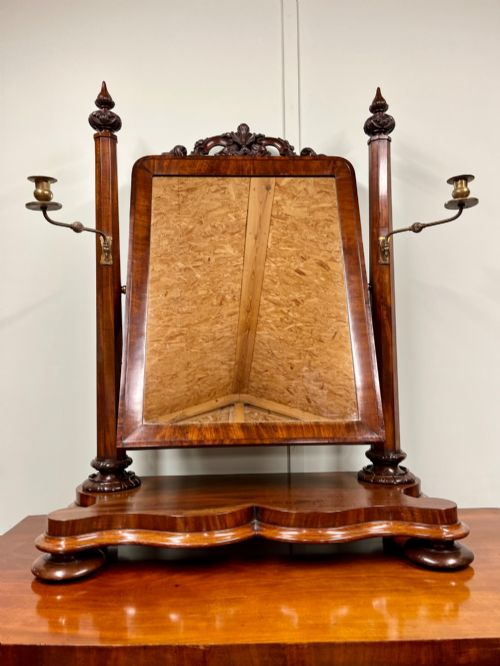
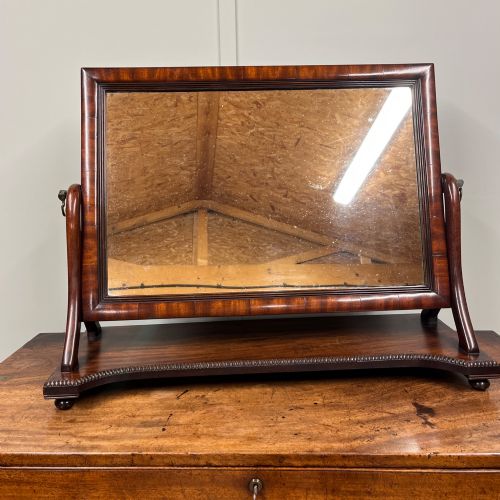
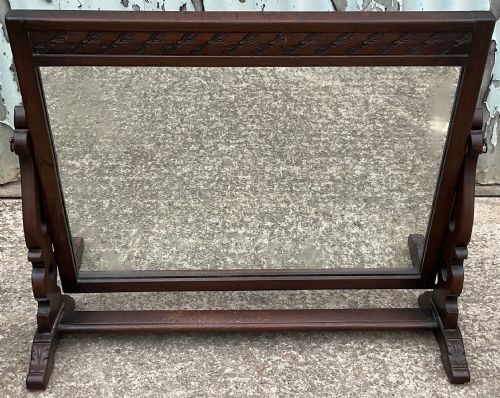
A victorian cheval table mirror stands upright on a base to adjust your reflection for grooming.
Victorian Cheval Table Mirror
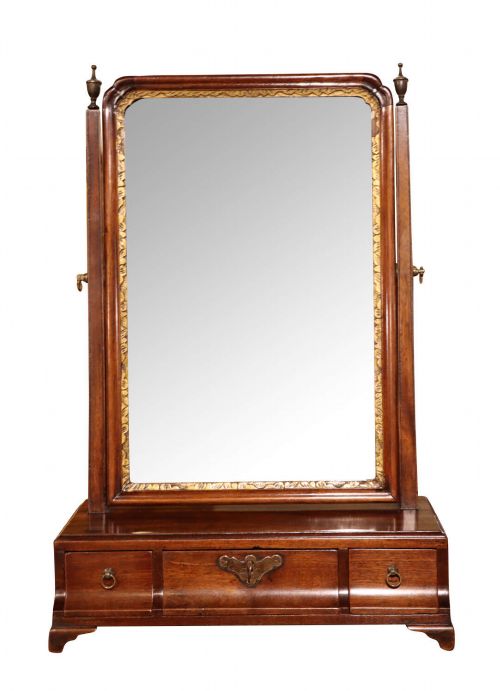
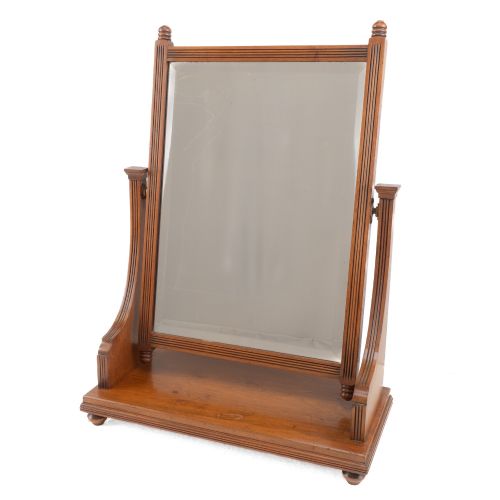
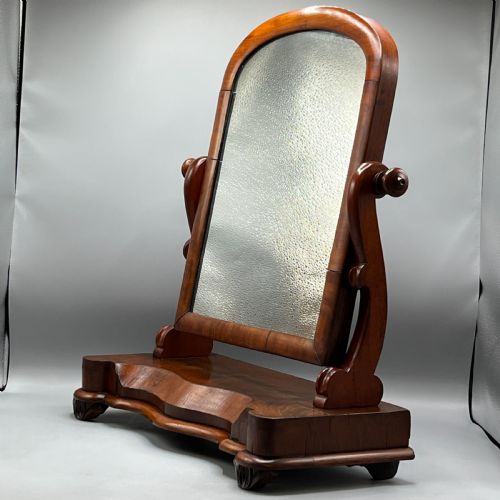
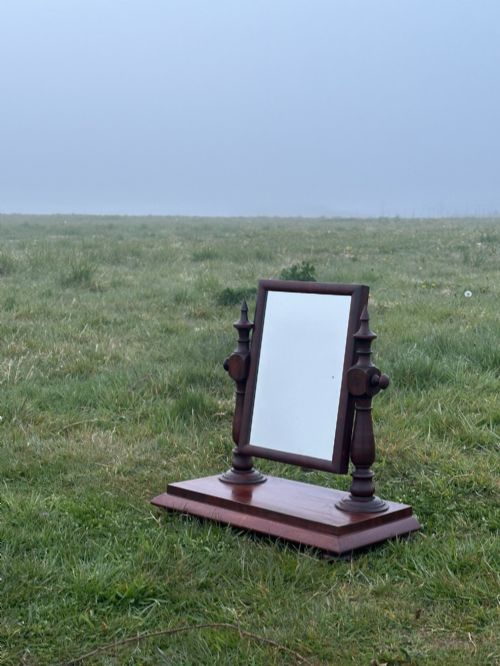
A victorian cheval table mirror provides a rotating glass plate mounted on a tabletop stand or base for dressing and grooming. These pieces appear frequently in mahogany and walnut, often accompanied by small drawer compartments or bureau fitments built into the base.
Most examples date across the nineteenth century, spanning periods from Regency and William IV through to Victorian and Edwardian eras. The forms range from simple swing frames to larger cheval designs and fitted dressing tables.
Makers and regional workshops produced these mirrors in various woods including oak, satinbirch, and mahogany, sometimes incorporating brass fittings or wood inlay to enhance the appearance.
Materials and construction methods
Cabinet makers built the frames and stands primarily using dense hardwoods such as mahogany and walnut, alongside oak and satinbirch. These timbers were selected for stability and polished to highlight natural grain patterns.
Mirror glass sat within pivoting frames connected to vertical supports using brass pivots and screws, allowing the user to tilt the glass angle. Some variations included porcelain elements, painted wood surfaces, or marble tops.
Boot maker's mirrors appear among the early Victorian selections, offering a specialised twist on the traditional dressing glass.
Factors that distinguish quality
The choice of timber significantly separates standard examples from finer pieces, with figured mahogany, burr walnut, and neat proportions indicating superior cabinet work. The depth and warmth of the polished finish also reveal the care taken during original construction.
Subtle details such as brass hardware, dovetailed drawer construction in the base, and well-balanced swivel mechanisms demonstrate the skill of the workshop that made the mirror.
P & MA Nicholson·Jean Gille·Gillows
The Victorian Cheval Table Mirror Glossary
- Cheval mirror
- A freestanding or tabletop mirror mounted on a frame that allows it to swing fully. This mechanism lets the user adjust the tilt of the glass.
- Toilet mirror
- A smaller mirror designed to sit on a dressing table or chest of drawers. They frequently include small drawers within the base.
- Swing mirror
- A glass plate hung on pivots between two upright posts. The pivots enable the frame to tilt back and forth.
- Bureau fitment
- A small desk compartment integrated into the base of the mirror. It provides pigeonholes and tiny drawers for letters or small items.
- Mahogany
- A durable tropical hardwood widely utilised for nineteenth-century furniture. It takes a high polish and resists warping.
Victorian Cheval Table Mirror: Frequently Asked Questions
What is a victorian cheval table mirror?
A victorian cheval table mirror is a small, pivoting glass frame designed to rest upon a table, chest, or dressing surface. It provides an adjustable reflection for personal grooming and dressing.
These pieces typically date from the nineteenth century and feature wooden stands made from mahogany or walnut, sometimes incorporating small drawers in the base.
How were these mirrors used originally?
People placed them on dressing tables or washstands in bedrooms to assist with hair styling, shaving, and adjusting garments. The pivoting frame allowed the user to change the angle of the glass as needed.
Some examples included small drawers or bureau compartments in the base to hold pins, cosmetics, or letters.
Where should I place a table mirror?
These mirrors suit dressing tables, chest of tops, or sideboards in bedrooms and hallways. They require a stable surface with enough depth to support the base and the pivoting frame.
Positioning them near a natural light source helps illuminate the reflection for daily grooming tasks.
How do I identify the period of a mirror?
Dating relies on timber choices, construction methods, and stylistic details associated with periods like Regency, William IV, and Victorian. Mahogany and Regency styling point to early examples, while burr walnut and specific turnings suggest later Victorian production.
Drawer construction and hardware fastenings also offer clues to the approximate decade of manufacture.