

Victorian Wooden Tallboy
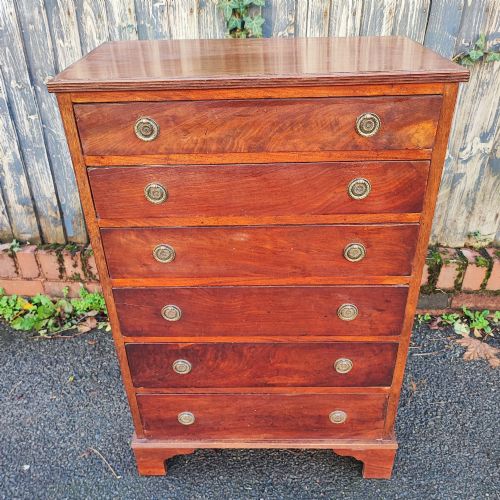
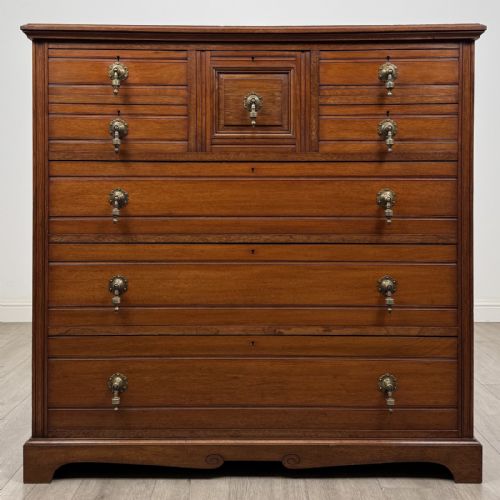
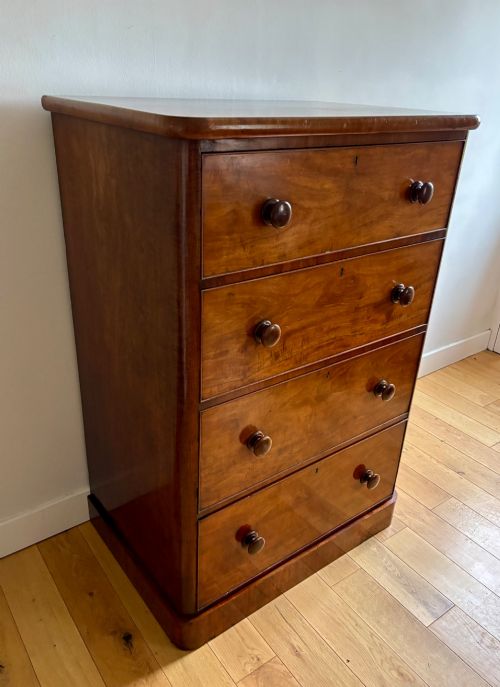
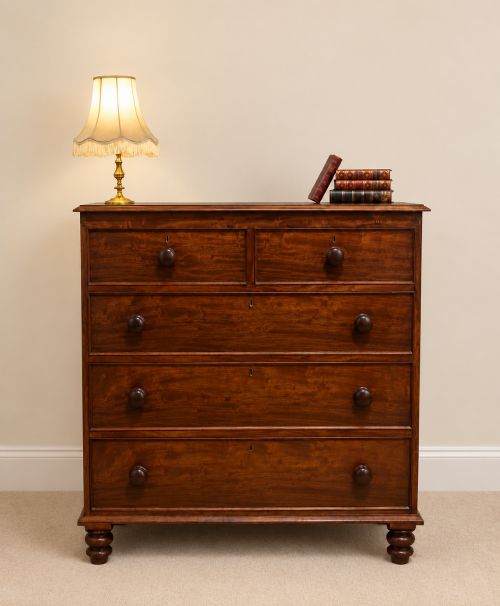
A victorian wooden tallboy offers deep drawer storage in timber, built to stand tall and hold its ground in a bedroom.
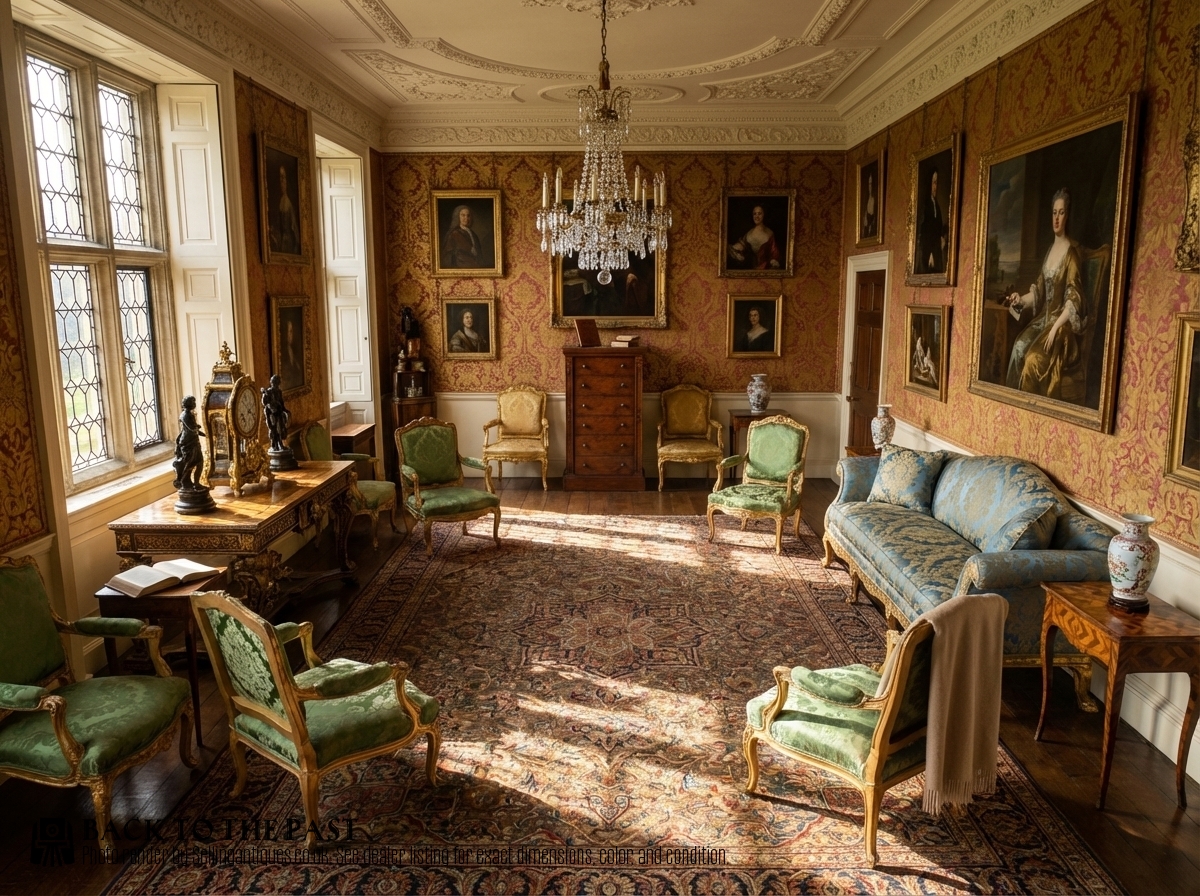
Victorian Wooden Tallboy
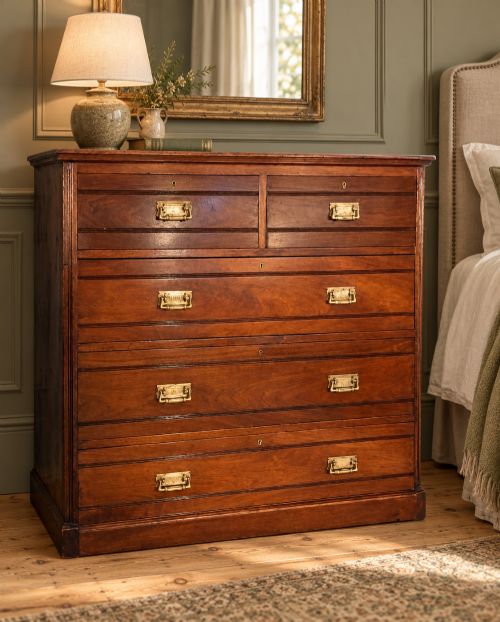
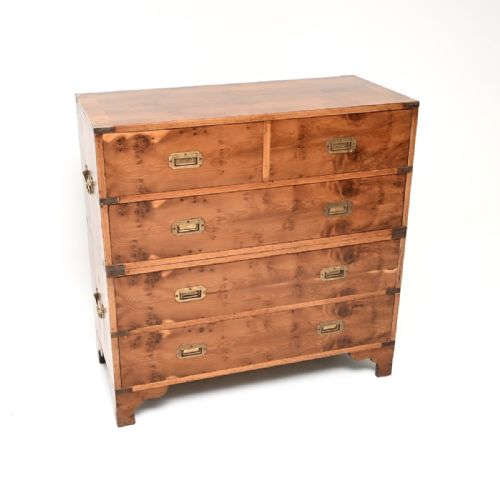
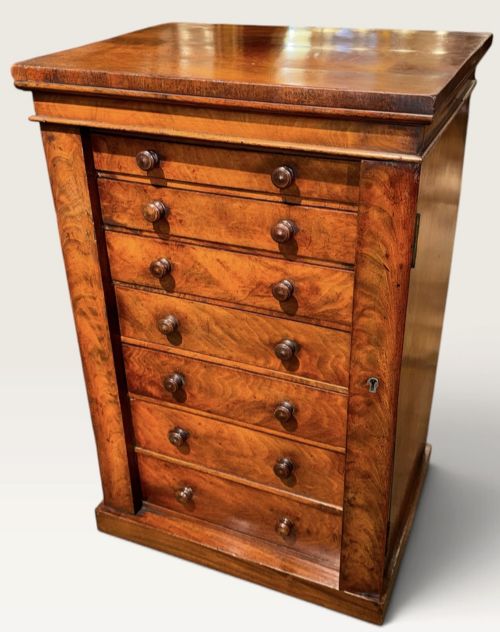
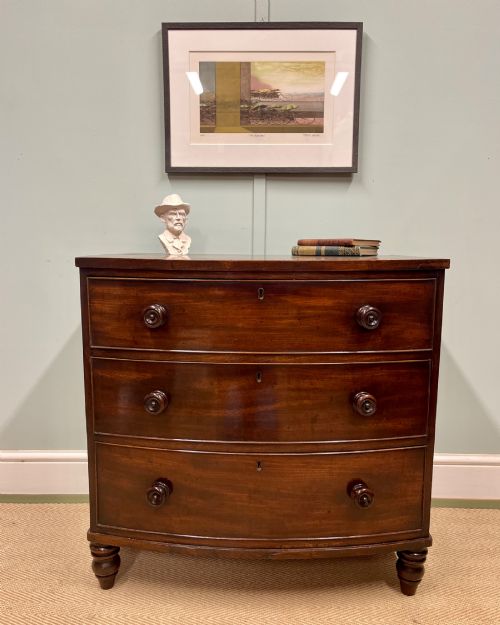
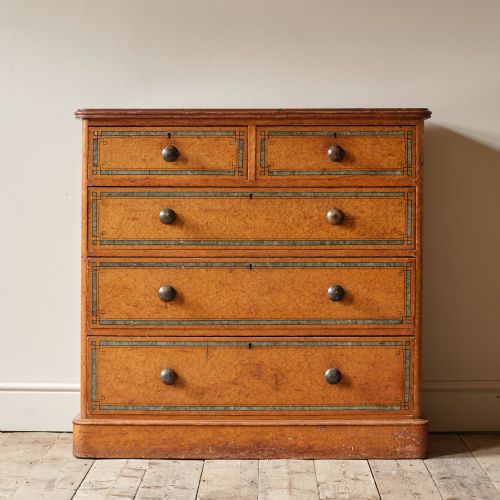
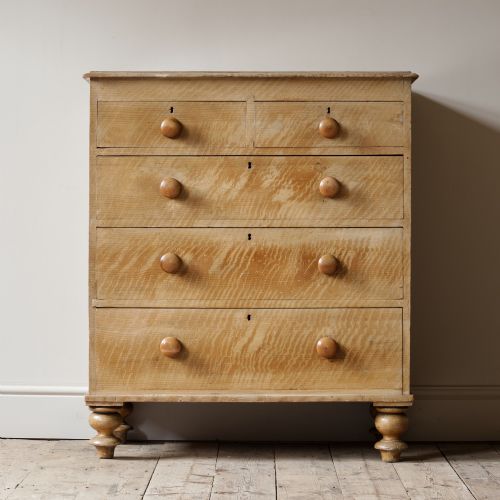
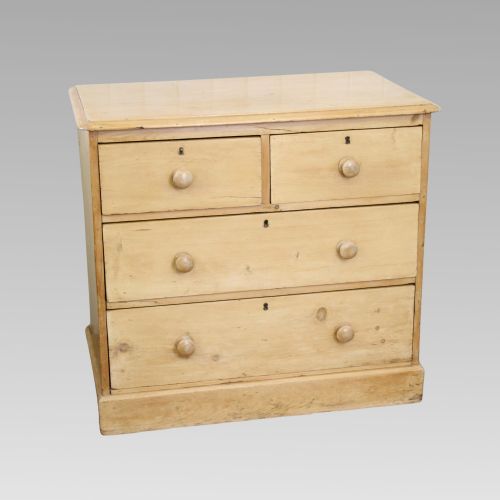
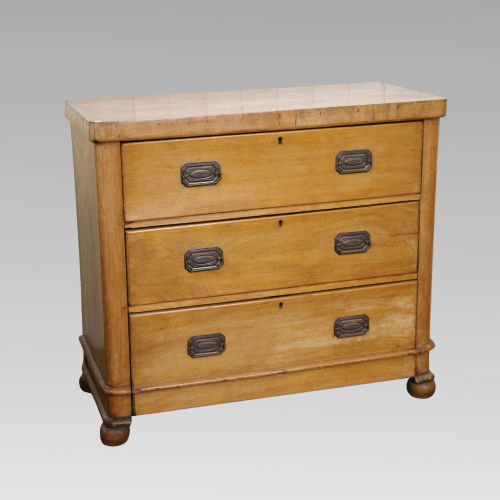
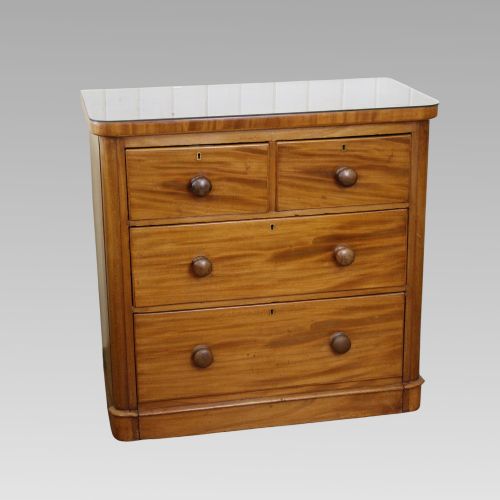
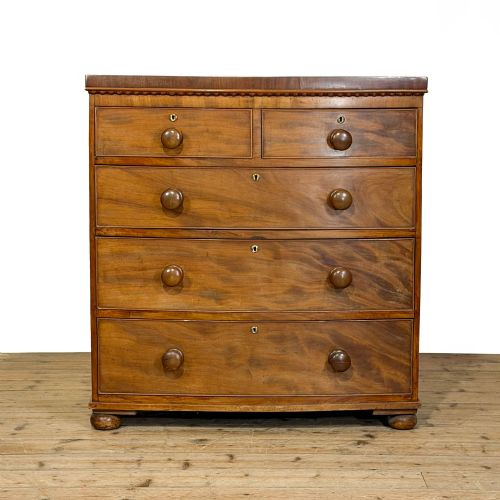
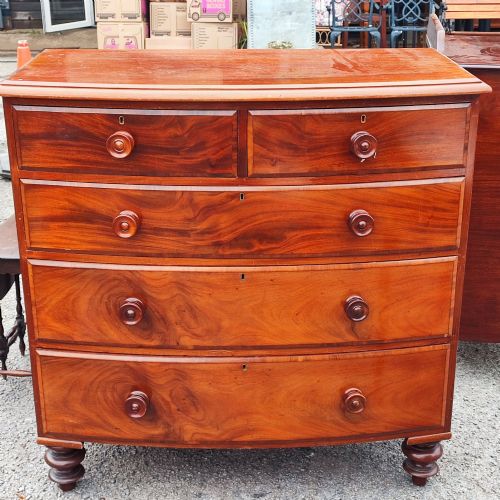
When you search for a victorian wooden tallboy, you find substantial chest of drawers forms dating from the nineteenth century, including Wellington chests, Scottish chests, and multi-drawer tall storage units. These pieces range from country pine examples to highly figured mahogany and burr walnut case furniture designed for domestic storage.
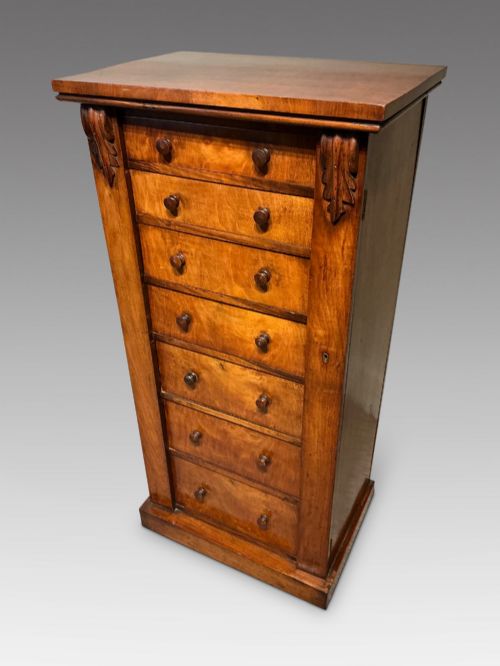
The versions most commonly met on this page include four-height and five-height mahogany chests from the mid to late nineteenth century, alongside specialised vertical formats like the hinged-locking Wellington chest. Regional variations such as Scottish designs and painted surfaces also appear among the timber constructions.
Makers and workshops of the period employed distinct proportions, ranging from modest provincial pine to grand country house walnut and cabinet work by firms such as Gillows of Lancaster. Each object serves the traditional function of vertical clothes storage while displaying the characteristic timber grains and drawer arrangements of its era.
How they were made
Cabinetmakers constructed these carcases using solid timbers including pine and oak for internal framing and drawer linings, paired with show-woods such as mahogany, walnut, and flame mahogany veneer on the exterior faces. Surfaces were polished or painted to highlight the natural figure of the wood, utilising brass for handles, escutcheons, and locking mechanisms.
Construction techniques relied on traditional joinery for drawer boxes and vertical frames, often incorporating applied veneers to achieve striking grain patterns on the drawer fronts. Wellington chests utilised a characteristic side-locking stile secured with a key to hold all drawers fast simultaneously, while standard chests relied on individual key locks or simple pull handles.
Victorian Wooden Tallboy Retail Price Guide 2026
Typical asking prices for victorian wooden tallboy among the pieces listed under this phrase on Sellingantiques today, from the lower quarter to the upper quarter. They describe what is for sale here now, not the wider market.
Current listings feature nineteenth-century vertical chests constructed in mahogany, walnut, pine, and oak, incorporating flame veneer and painted surfaces.
What varies in quality
Quality in these vertical chests rests upon the choice of timber and the handling of the wood grain, moving from plain painted pine surfaces up to highly figured flame mahogany and burr walnut veneers. The distinction lies in how deliberately the cabinetmaker matched the grain across the drawer fronts and whether secondary woods inside the drawers demonstrate equal care.
Design sophistication also separates utilitarian pieces from high-workshop production, visible in the integration of locking stiles on Wellington chests and the presence of documented maker stamps. Structural integrity, clean drawer movement, and crisp execution of mouldings mark the upper tier of nineteenth-century case furniture.
Gillows of Lancaster
The Victorian Wooden Tallboy Glossary
- Wellington chest
- A tall, narrow chest of drawers featuring a hinged locking flap or stile down one side that secures every drawer at once. This form originated in the nineteenth century for compact linen and paper storage.
- Flame mahogany veneer
- A thin slice of mahogany timber cut from the fork of the tree where branches meet the trunk, producing a rippling, flame-like pattern. Cabinetmakers laid this over a stable secondary wood.
- Burr walnut
- A prized timber harvested from the gnarled growth on walnut trees, showing swirling, intricate knot patterns. It appears on high-status nineteenth-century case furniture.
- Scottish chest
- A regional furniture form characterised by a deep cushion drawer sitting above several standard graduating drawers. These pieces often feature bold timber veneers and substantial proportions.
Victorian Wooden Tallboy: Frequently Asked Questions
What is a Wellington chest?
A Wellington chest is a tall, slender chest of drawers secured by a hinged wooden flap down one side. This locking stile engages with the drawer edges to keep all contents private.
The form was popular in the nineteenth century for gentlemen's dressing rooms and studies, providing tall storage in a minimal floor footprint.
How do I date a nineteenth-century chest?
Dating relies on timber selection, construction methods, and hardware styles. Mid-century pieces often feature solid mahogany and simpler drawer linings, while later Victorian items may employ extensive veneers and machine-sawn components.
Examining the drawer construction and secondary woods like pine or oak helps narrow the decade of manufacture.
Are pine chests antique?
Pine chests from the nineteenth century are genuine antiques, often originating from country workshops or European provinces. They served as utilitarian household furniture rather than formal drawing-room pieces.
Many retain original painted finishes or have scrubbed timber surfaces reflecting decades of domestic use.
Where were tall chests used?
These tall drawer units were primarily placed in bedrooms and dressing rooms to maximise vertical storage space without crowding the floor area. Their height made them suitable for linen, folded garments, and accessories.
Larger country house examples also stood in hallways and landings for household storage.