

Victorian Wooden Side Chairs
These victorian wooden side chairs combine domestic utility with nineteenth-century craftsmanship, offering sturdy seating suited to both dining rooms and halls.
Victorian Wooden Side Chairs
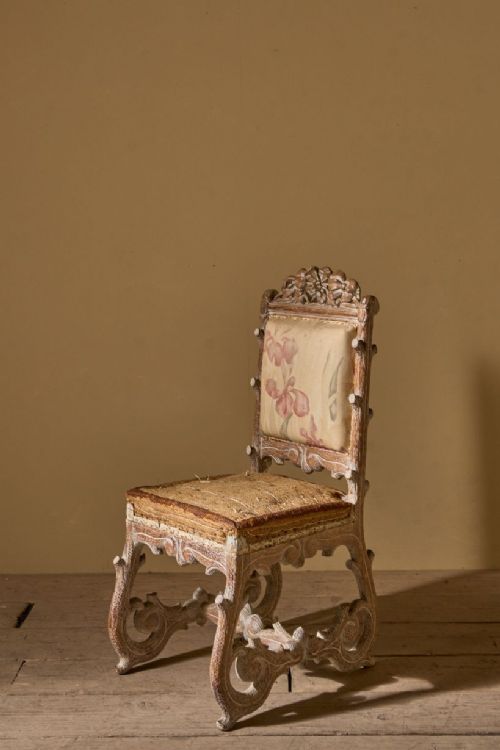
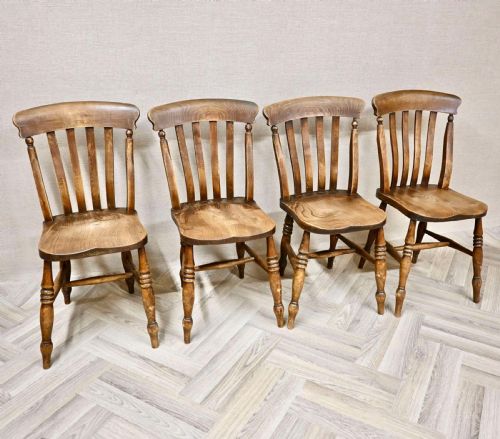
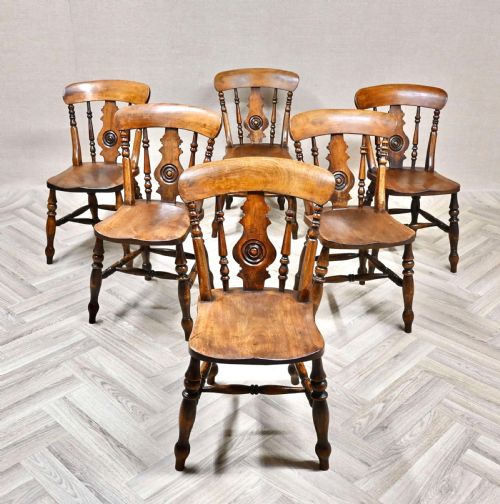
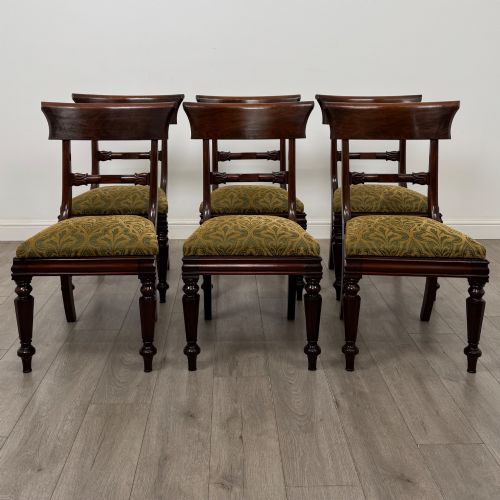
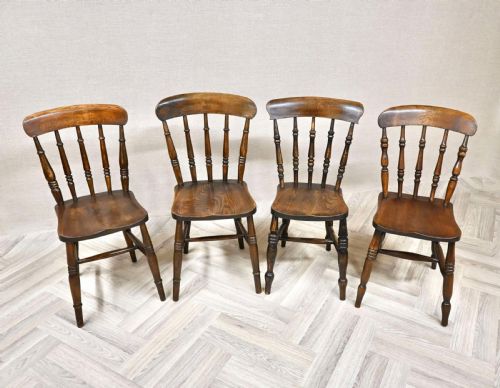
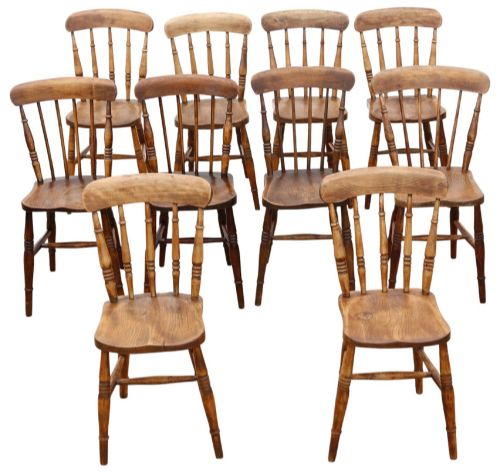
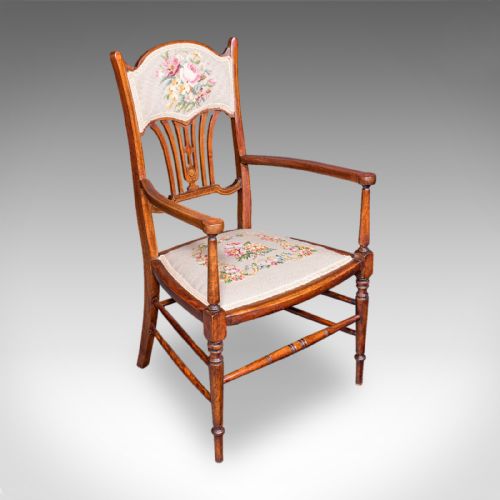
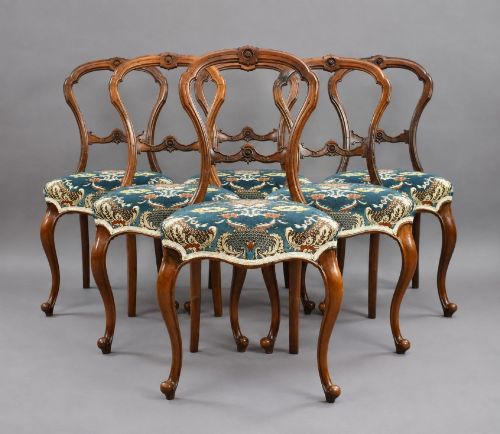
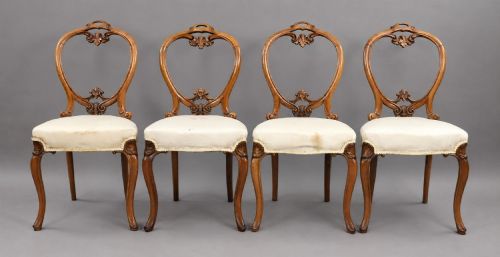
Victorian wooden side chairs span multiple domestic forms including dining sets, hall seating, and kitchen windsors. The nineteenth-century examples on this page encompass styles ranging from plain country elm to formal mahogany balloon backs.
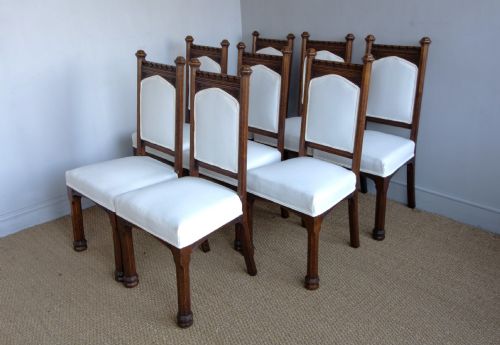
Buyers encounter frequent groupings of four, six, or ten chairs alongside pairs and individual hall seats. Origins stretch across English country workshops and Scottish reception spaces, utilising traditional timber construction.
Materials and Construction
Makers utilised native hardwoods such as mahogany, oak, elm, walnut, and beech, frequently pairing dense timbers like mahogany for formal dining seats with resilient elm or beech for country kitchen windsors.
Joinery techniques relied on traditional pegged mortise and tenon joints, steam-bent components for curved backs, and turned spindles, occasionally incorporating brass details or leather upholstery.
Victorian Wooden Side Chairs Retail Price Guide 2026
Typical asking prices for victorian wooden side chairs among the pieces listed under this phrase on Sellingantiques today, from the lower quarter to the upper quarter. They describe what is for sale here now, not the wider market.
Several kitchen chairs bear the honest scars of nineteenth-century elbows leaning over porridge bowls.
Assessing Quality
Quality rests upon the crispness of carved details in walnut and mahogany models, the solidity of timber turned work in country windsors, and the integrity of original frame joints.
Sets demonstrating uniform timber grain, careful matching across harlequin groupings, and minimal replacement parts command greater attention from discerning collectors.
William Morris·Rossetti·Norwich Maker
The Victorian Wooden Side Chairs Glossary
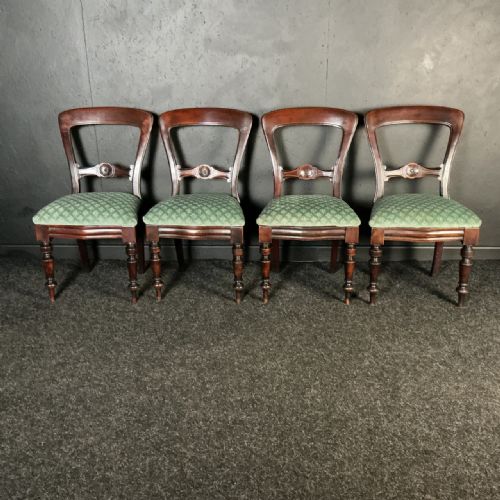
- Balloon back
- A rounded, oval-shaped chair back popular in Victorian mahogany and walnut dining seats.
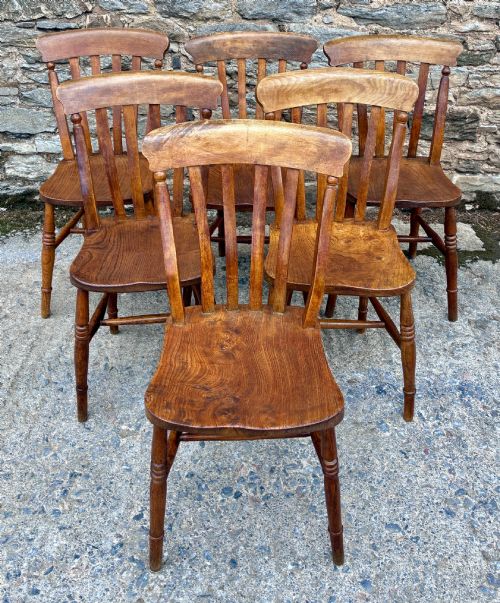
- Windsor
- A wooden chair constructed with a solid saddle-sculpted seat into which pierced legs and spindle backs are wedged.
- Hall chair
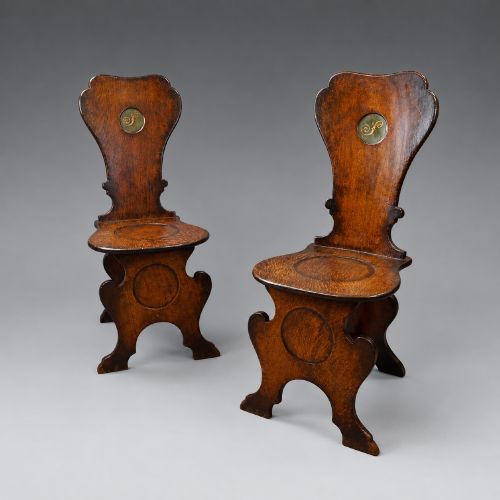
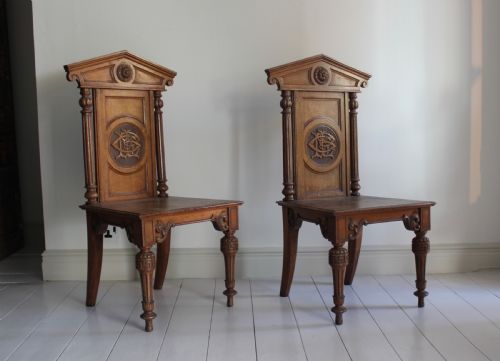
- A stiff-backed wooden seat designed for an entrance hall, often featuring a carved heraldic crest or shield.
- Harlequin set
- A collection of chairs closely matched in style and timber but gathered from various origins.
Victorian Wooden Side Chairs: Frequently Asked Questions
How do I identify a Victorian side chair?
Victorian side chairs are distinguished by nineteenth-century timber framing, vernacular styles like balloon backs or Windsor forms, and construction using dense hardwoods such as mahogany, oak, or walnut.
Examination of the joinery beneath the seat and the turning on the legs helps confirm the nineteenth-century production period.
Were these chairs used in dining rooms?
Many nineteenth-century wooden side chairs served primarily around dining tables, particularly formal mahogany sets and larger harlequin groupings.
Sturdier elm and beech versions were relegated to kitchens and farmhouses for daily domestic labour.
Can I mix different chairs together?
Harlequin sets consist of chairs sharing similar timber types and nineteenth-century periods while varying slightly in individual turnings or back designs.
Historical dining practices frequently accepted assembled suites of related country or formal seats.